
Along Alii Drive in May, the harbor glows gold in the morning light as outrigger paddlers set out from the pier, and cafés by the seawall pour the day’s first coffee. The lava-rock coast is dry and sunny, the sea is warming, and the crowds of spring break have thinned. This is Kona on the Big Island in the month before summer settles in, for travelers who want beach days, coffee country and easy evenings.
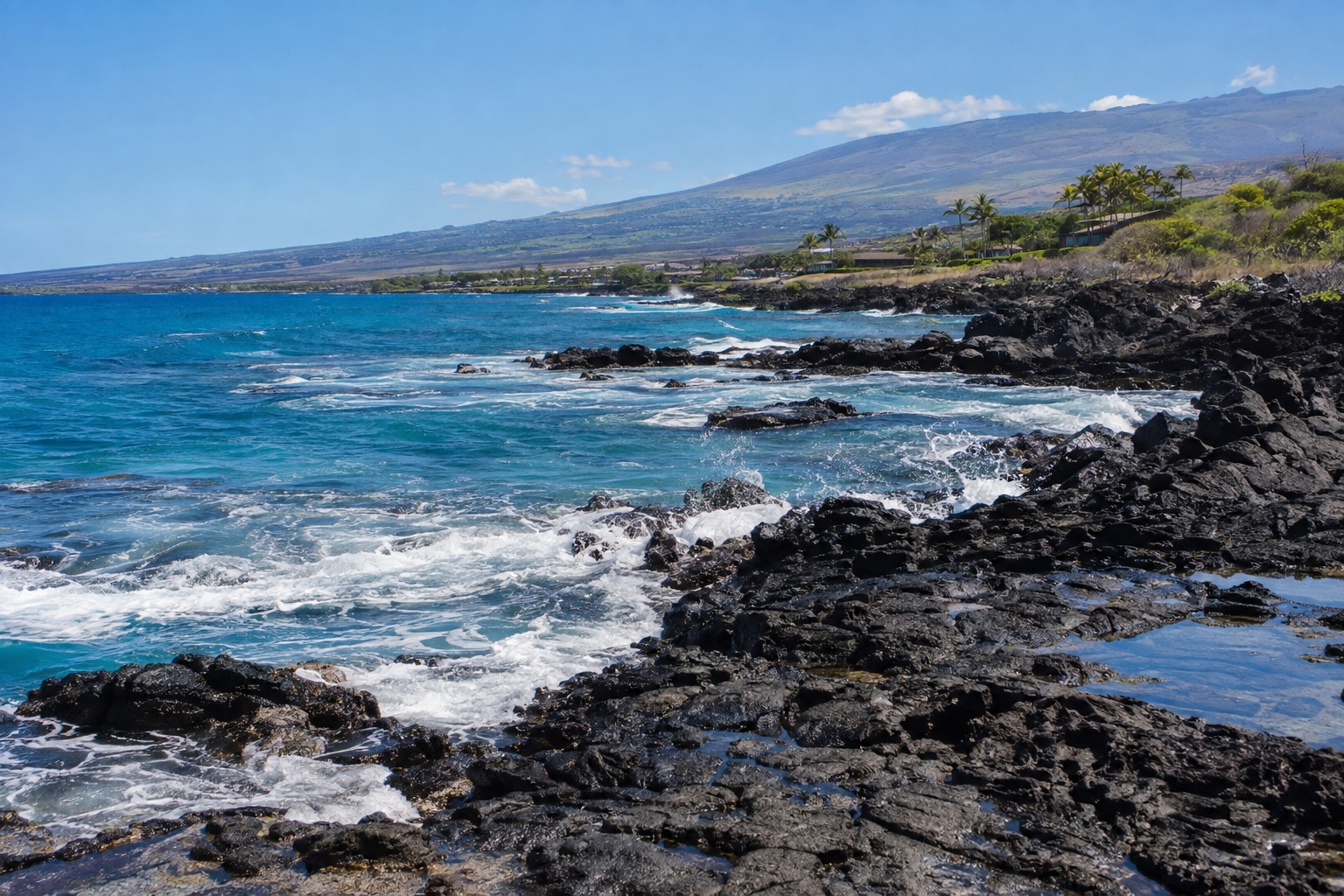
What is the weather like in Kona in May?
May in Kona is warm, dry and sunny, with afternoons in the low to mid-80s and rain that barely registers on the leeward coast. May sits between April and June on the calendar.
| Month | Average high (°F) | Average low (°F) | Rain days | Sea (°F) |
|---|---|---|---|---|
| April | 83.2 | 71.1 | 1.5 | 78.1 |
| May | 83.9 | 72.7 | 1.8 | 79.5 |
| June | 85.2 | 74.0 | 1.7 | 80.4 |
Kona sits on the dry leeward side of the island, shielded by the volcanoes of Mauna Loa and Hualalai, so the skies are usually clear in the morning and often stay that way. Rain, when it comes, is a brief shower, and a whole day lost to weather is unusual. Hilo, on the windward coast, gets many times more rain over a year, which is why Kona is where people go for guaranteed beach time.
Mornings are the best hours for hiking, snorkeling and walking the town, with soft light and a light breeze. Around noon the sunshine beats down hard, and because you are up high, it can scorch your skin within sixty minutes. You can still eat dinner outdoors in a T-shirt during the evening, though you might want something light to put on when the breeze strengthens by the water.
Midway through the month you get roughly thirteen hours of daylight, and those long days leave room for both a morning out on the water and a sunset from the seawall later on. The sea is comfortable without a wetsuit for most people. If you head up the mountain to the coffee farms or toward the volcano, expect it to be cooler and cloudier than on the coast.
Can you swim in Kona in May?
Yes, you can swim for a long time or snorkel for an hour in water that is warm enough, and a wetsuit will not be needed by most people.
The Kona coast is sheltered from the winter swells that hit the north shores of the islands, and May tends to be a gentler month for the west side. Bays such as Kahaluu Beach Park, a snorkeling spot just south of town, and the sandy coves along the Kohala coast are popular for that reason. Day-to-day shifts in conditions remain a given, which means the call belongs to the lifeguard, the flags that are posted and the beach signs, not to the calendar.
Snorkelers often see reef fish, and sea turtles sometimes rest in the shallows. Keep your distance from turtles and from any monk seal on the sand, since both are protected.
Families with small children tend to prefer the shallow, rocky-edged bays and the calmer pocket beaches, while surfers and bodyboarders look for the breaks along the coast. Bring a rash guard, mineral sunscreen and a mask of your own if you plan to snorkel often. Stay off the coral, because the reef is alive.
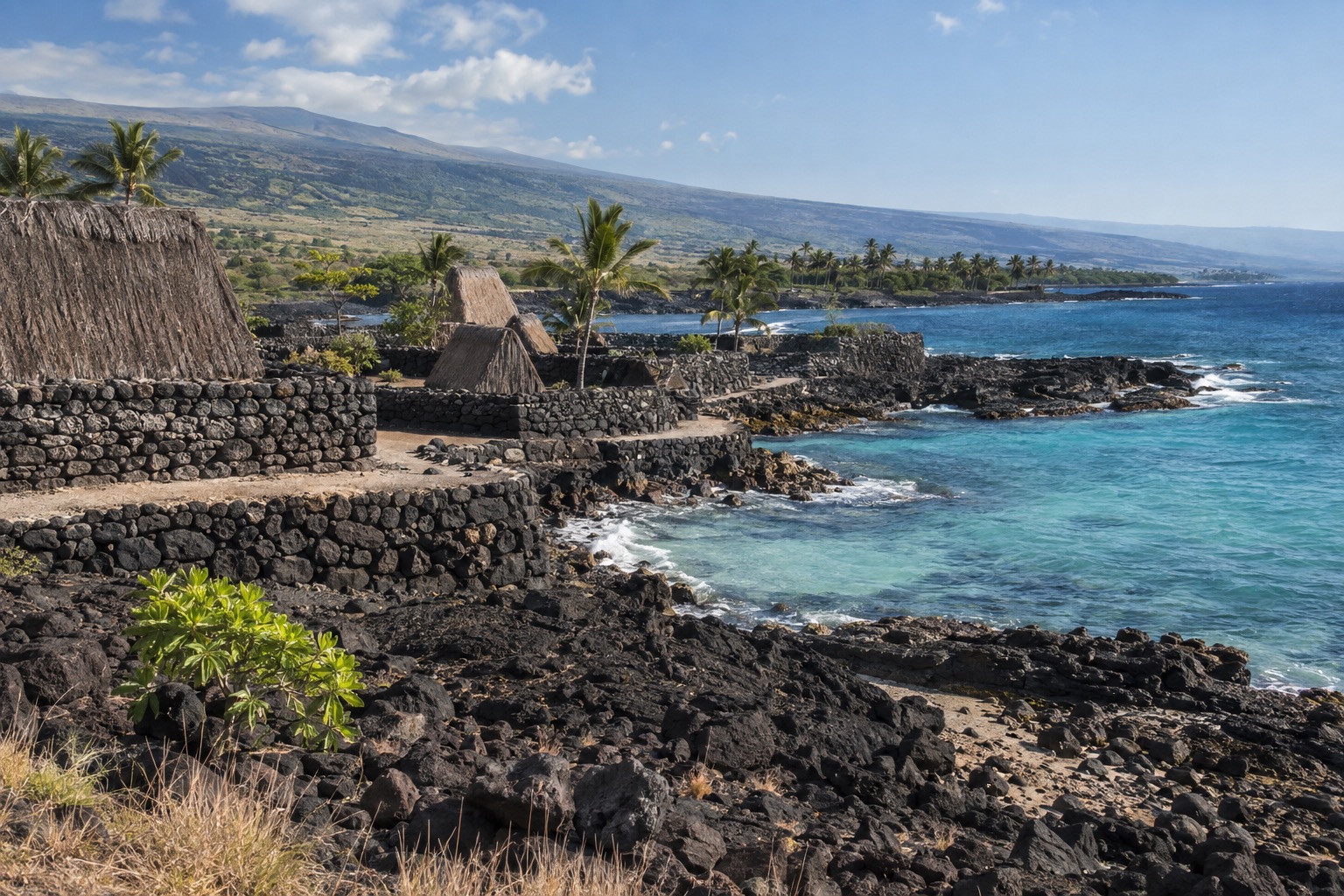
What to do in Kona in May
May has a Hawaiian rhythm of its own. Lei Day on May 1 fills schools, parks and shop windows with flower garlands, and the island’s hula halau and singers often perform around it. Fruit stands along the road offer whatever is ripe, and the farmers markets in town are busy on weekend mornings with produce, flowers and local honey.
With the dry weather and calm water, this is a good month to spend the cool hours on the sea and the heat of the afternoon in the shade of coffee country or a café. Evenings along Alii Drive are for slow dinners, ice cream and watching the sun drop into the Pacific.
On the water: snorkeling, paddling and boat days
The water off Kona is the main attraction, and May is a pleasant month to be in it. Many visitors head to Kahaluu Beach Park, where reef fish gather close to shore, or join a boat trip along the coast to snorkel in deeper bays. Morning departures tend to meet the calmest water and the clearest views.
Kayaks and stand-up paddleboards are also popular around Kailua Bay, and you may see outrigger canoe crews training near the pier in the early hours. Whatever you choose, go early, bring plenty of water and a hat, and follow the guidance of the crew or lifeguards on how to behave around turtles, dolphins and the reef.
Kailua-Kona town and Alii Drive
Kailua-Kona is a compact waterfront town where you can walk from the old pier to the seawall in a few minutes. Facing the water you will find Hulihee Palace, once a royal getaway, along with Mokuaikaua, its little stone church, while Alii Drive is lined with shops, places selling shave ice and restaurants in the open air.
Late afternoon is the pleasant time to stroll, when the heat eases and the light turns soft on the lava rock. At sunset, people gather along the seawall to watch the sky change color, and the evening feels relaxed and local rather than rushed.
| Site | Open |
|---|---|
| Hulihee Palace | Check the museum’s posted schedule |
Kona coffee country
The slopes above town, around Holualoa and the villages to the south, are where Kona’s famous coffee grows. Small family farms offer tastings, and you can often walk among the trees, learn how the cherries are picked and dried, and buy a bag of beans straight from the grower.
The upland air is cooler than the coast and clouds often gather in the afternoon, so go in the morning if you want clear views over the water. Holualoa village has galleries, a little café scene and a slow pace. It suits travelers who like food, crafts and quiet roads. Pair it with a swim afterward to cool down.
Day trips: volcano and the Kohala coast
Hawaii Volcanoes National Park is a long day trip from Kona, and the crater rim is far cooler and wetter than the coast, as the park’s own climate shows. Dress in layers and bring a rain jacket even when the sky is bright at the beach.
Going north, the Kohala coast offers broad, sandy beaches and resort-lined bays that suit a lazy day. Pack lunch, shade and plenty of water, since the sun is strong on the open lava coast.
A two-day itinerary for Kona in May
Day 1 starts on the water, because the morning sea is at its quietest. Begin with coffee in town, then snorkel at Kahaluu Beach Park while the light is clear and the reef is easy to see. Come out by late morning, before the sun is high, and eat something simple at a casual spot near the water, like fish tacos or a poke bowl.
In the afternoon, walk Kailua-Kona’s seawall, the old pier and Hulihee Palace while the shade helps. Stop for shave ice. Stay for sunset along Alii Drive, with the sun setting after a long day, and have dinner at an open-air restaurant. If a shower or a gray afternoon interrupts, shift to the palace, a gallery or a café for an hour.
Day 2 heads uphill into coffee country. Drive to Holualoa in the morning, visit a farm for a tasting and browse the village galleries. The air is cooler there, which makes it a good use of the warm midday hours. Lunch can be a plate lunch or a bakery stop along the road.
Come back down for the afternoon and head to a Kohala-coast beach for a long swim and some shade, then watch the sunset from the shore. For a rain card, spend the time at a farmers market, a local art space or a long café lunch, since heavy rain is unusual on this side of the island.
Is Kona busy in May?
May is moderately busy, calmer than spring break and the summer weeks, though far from empty.
The spring break wave has passed and the summer family season has not yet begun, so beaches, boat trips and restaurants are easier to get into than in peak weeks. Weekends and the days around Memorial Day tend to be livelier, with more travelers and locals on the beaches and at the markets. Graduation season can also fill some hotels and restaurants.
Rooms and rental cars are usually easier to find than in the holiday weeks, but good places still go, so book early for Memorial Day weekend and later for the quiet midweek stretches. Popular restaurant tables and boat departures fill on weekends, so reserve ahead for those evenings. If you plan to visit Hawaii Volcanoes National Park or a state park that requires reservations, check the official notices before you set your dates.
Mornings are the quietest time anywhere on the coast. Beaches fill up by midday, so plan your swims early and keep the afternoons for shade, shopping and coffee farms.
What to pack for Kona in May
Pack light for the coast and add one warm layer for the mountain.
- Mineral sunscreen and a rash guard, because the sun is strong and the reef is alive.
- A wide-brimmed hat and sunglasses for long days on the water.
- Water shoes for rocky entries at snorkeling bays.
- A light rain jacket and a fleece for the volcano and the coffee farms.
- A reusable water bottle for hot, dry afternoons.
- Your own mask and snorkel, if you plan to be in the water often.
Good to know before you go
The Central Pacific hurricane season runs from June 1 to November 30, so May falls just before it. For getting around among the town, the coffee country and the beaches, nothing beats a rental car, and it pays to lock in reservations for popular parks and activities ahead of time. The taxes below are added to lodging bills.
| Fee | Amount | Who pays |
|---|---|---|
| State Transient Accommodations Tax | 11.00% | Guests, on lodging |
| County of Hawaii Transient Accommodations Tax | 3 percent | Guests, on lodging |
| General Excise Tax pass-on (county maximum) | 4.7120% | Customers, when a business passes it on |
Kona in May vs April and June
Going a month earlier, in April, the sea is slightly cooler and the nights a touch fresher. The weather is just as dry, and spring break and Easter travel can still keep some weeks busy. Hula fans may also time a trip around the Merrie Monarch festival in Hilo, which falls the week after Easter.
Going a month later, in June, the sea and air are a little warmer and the days longer, and the summer family season begins to fill beaches and hotels. It also brings the start of the Central Pacific hurricane season on June 1. Kamehameha Day on June 11 brings parades and celebrations.
Shift to April if you want the Merrie Monarch week or a slightly cooler feel, and to June for the warmest swimming and long evenings. Stay with May if you want the middle ground: warm water, dry skies and fewer crowds than either neighbor.
Is May a good time to visit Kona?
Yes, May suits travelers who want sunny, dry days, warm water and a relaxed pace, especially beach lovers, snorkelers, coffee fans and families without school-calendar limits.
It is less ideal for anyone who wants big surf, cool mountain air all day or a festival-packed calendar. Those travelers may prefer winter for waves and whales or another island for lush rainforest scenery.
On arrival, get your reservations in order for any park or boat trip, then spend your first morning in the water at a calm bay and your first evening on the seawall at sunset. May in Kona is the quiet bridge between the spring rush and the summer crowds, with Lei Day garlands at the start and a sea warm enough to linger in.
Sources
- NOAA NCEI, monthly normals 1991-2020, station USW00021510, checked September 8, 2026
- Open-Meteo Marine API, average 2015-2024, checked September 8, 2026
- sunrise-sunset.org, sunrise and sunset calculated for the 15th of the month, checked September 8, 2026
- Hawaii Department of Taxation, Tax Announcement No. 2025-03 (Transient Accommodations Tax Law Changes from 2025 Legislative Session), files.hawaii.gov/tax/news/announce/ann25-03.pdf, checked September 24, 2026
- County of Hawaii, Department of Finance, Transient Accommodations Tax (TAT) page, hawaiicounty.gov/departments/finance/transient-accommodations-tax-tat (live returned HTTP 403 on request, read via Internet Archive Wayback Machine snapshot dated August 14, 2026, same official content), checked September 25, 2026
- Hawaii Department of Taxation, County Surcharge on General Excise and Use Tax page, tax.hawaii.gov/geninfo/countysurcharge/, checked September 25, 2026
- NOAA NCEI, monthly normals 1991-2020, station USW00021504
- NOAA NCEI, monthly normals 1991-2020, station USC00511303
- NWS Honolulu / Central Pacific Hurricane Center, « 2026 Central Pacific Hurricane Season Outlook », weather.gov/hfo/hurricaneOutlook2026, checked September 24, 2026