
PORTUGAL · THINGS TO DO · THE NATIONAL SHORTLIST
Mainland Portugal holds three trips that barely resemble each other. There is a chain of walkable historic cities strung along a fast train line. There is a wine country of terraced river slopes and cork plains where nothing moves without a car. And there is a coastline that runs cold, windy and surf-struck down the whole western edge before it turns the corner at Sagres and softens toward the eastern Algarve.
We do the national arbitration: which region satisfies which want, what each day costs you in calendar and driving, and which guide carries the tickets, the hours and the fine print. It covers the mainland. Madeira and the Azores are separate flights and separate vacations, sketched in the country file.
THE SHORTLIST AT A GLANCE · MAINLAND PORTUGAL
A week holds two bases and roughly two big days out of each, so pick a city first, then decide whether the second half of the trip is wine country or coast.
CITIES: LISBON · PORTO · COIMBRA · ÉVORA · WINE: DOURO & ALENTEJO · COAST: SURF WEST, CALMER EAST
Go for: a Sintra palace before the coaches fill the hill, a port lodge tasting in Gaia with the walk back over the bridge, and one Alentejo night far enough from a town to see the Milky Way.
Think twice before: promising anyone a swimming vacation on the west coast. The Atlantic there stays cold in August, and the wind gets up most afternoons.
Hours, ticket rules and closures move, so we link the owning guide instead of quoting them · full list and dates at the end
On this page
- One big day out, first tripSintra, the Gaia lodges, the Douro, Évora
- Beach hunting, cold-water warningWest coast surf, Algarve coves, Ria Formosa
- Days that cost nothingMiradouros, São Bento’s tiles, market halls
- Rain, or an afternoon indoorsPort cellars, churches, checking what’s open
- One list to plan the week fromWant, region, base, time and constraint
Portugal regions: which coast, city and wine region to pick
The cities carry the trip most first-timers book. Lisbon spreads over hills above the Tagus, Porto stacks itself over the Douro’s mouth, Coimbra puts its old university on the ridge, and Évora sits walled on the plain with a Roman temple in the middle of town. All four are walked, not driven. The two-city question gets settled in Lisbon vs Porto, and the street-level detail belongs to the Lisbon guide and the Porto guide.
The coast comes in two tempers. The west faces open ocean: surf towns, cliff paths, headlands, and a wind that shows up after lunch. The south turns the corner and calms down, with ochre cliffs and staircase coves west of Faro, then the sandbank islands of the Ria Formosa to the east. Which of those two Algarves suits you is the whole argument of our Algarve guide.
The wine country and the interior want a rental car. The Douro’s terraces start roughly ninety minutes inland from Porto, the Alentejo runs cork oak and hill towns between Lisbon and the south, and behind both lie the granite of the Serra da Estrela and the Peneda-Gerês park up north, where hiking replaces sightseeing and room rates drop. Regional detail: the Douro, the Alentejo, Porto and the North.
Portugal day trips: Sintra, the Gaia port lodges, the Douro and the Algarve sea caves
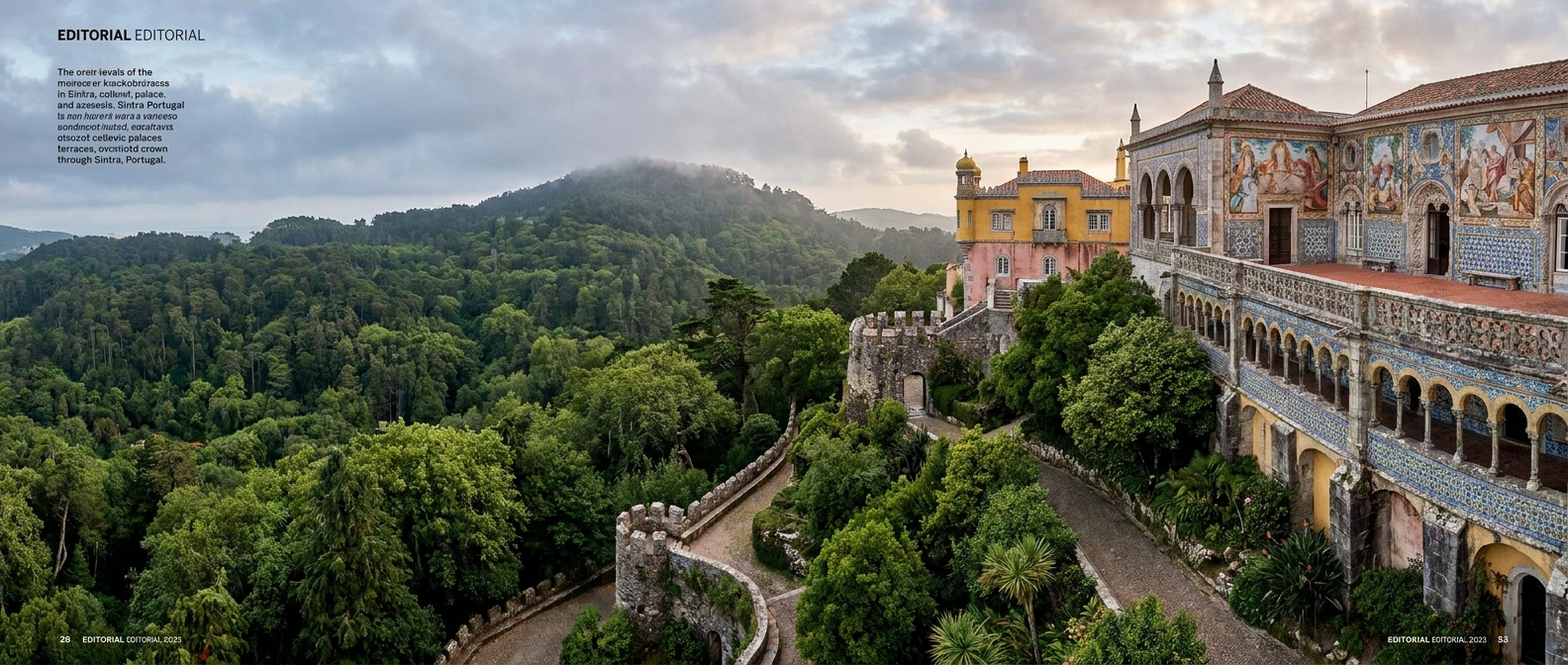
1. Sintra’s palaces, from Lisbon. A wooded hill of romantic follies a short suburban train ride from the capital: Pena’s painted terraces on the ridge, Quinta da Regaleira’s spiral initiation well in the gardens below, the Moorish castle walls running between them. Two palaces in a day is the realistic ceiling, and the crowd curve peaks in the middle of it. Timed tickets and the hill shuttle decide everything. Both are set out on the Sintra guide and the Pena Palace page.
2. The port lodges of Vila Nova de Gaia. The cellars sit on the opposite bank from Porto, cool and dark behind their painted gables, and a tasting flight walks you through tawny, ruby and vintage in an hour that ends with the river outside. Some houses take walk-ins, several want a booking, and the upper deck of the Dom Luís I bridge is the way back. Which lodge, which flight: things to do in Porto.
3. The Douro, by train or by boat. The Linha do Douro railway leaves the city and then hugs the water, and the last stretch toward Pinhão is the reason people put their phones down. From the river towns, cruise boats work the bends and quintas pour tastings on their own verandas. September and October turn the valley into a working harvest, covered in the vindima guide. The valley itself is the Douro page.
4. The Algarve’s sea caves and cliffs. Boats run from the harbors between Lagos and Albufeira into a coastline of arches, stacks and collapsed cave roofs, with kayaks and stand-up boards reaching corners the bigger hulls cannot. Access rules inside the famous caves have tightened in recent seasons and vary by operator and by sea state, so confirm what your ticket actually includes before you pay. Boats, beaches and the east-west choice: the Algarve guide.
5. Roman Évora and the Almendres stones. A walled town on the plain, with Corinthian columns standing in a square, a cathedral roof you climb for the view over the tiles, and a chapel lined with bones. West of town (est. twenty minutes by road) the Almendres cromlech makes a ring of weathered granite in a cork oak grove, unfenced and usually empty. Évora arrives easily by train from Lisbon and is walked once you get there. The stones need a car. Context: the Alentejo.
6. The Alqueva night sky, eastern Alentejo. The reservoir country east of Évora is certified dark-sky territory, and the observatory at Cumeada runs guided stargazing on the lake, booked in advance rather than walked into. Moon phase and cloud decide whether the session is a Milky Way night or a talk under a lid. Bring a layer, since the plain cools hard after dark even in summer. Where to sleep out there sits in the Alentejo guide.
Portugal’s beaches: a cold Atlantic west and a warmer eastern Algarve
Start with water temperature, because it is what Americans get wrong about this country. Along much of the west coast the Atlantic stays cold right through the summer, since upwelling keeps dragging deep water to the surface. Wetsuits are normal here in August and locals swim in short bursts. The sea warms as you go around the corner and eastward through the Algarve. The month-by-month sea and air figures belong to the calendar.
That cold water is also what makes the west coast good. Ericeira, Peniche and the Costa Vicentina run beach breaks and surf schools from spring through fall, Guincho outside Cascais is a wind sport as much as a swim, and Nazaré’s winter swell is watched from the fort headland rather than entered. The trade is constant: exposure buys waves and empty sand, and takes away the lazy afternoon float.
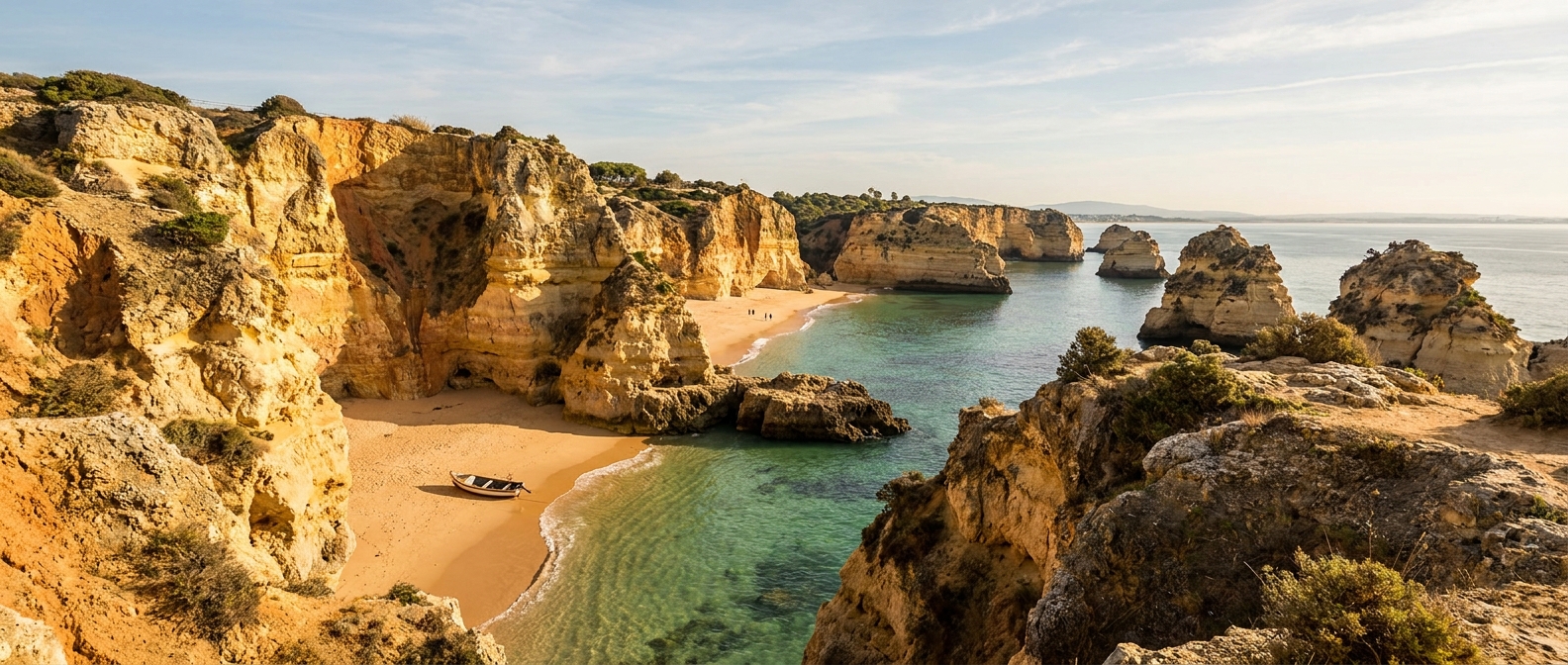
West of Faro the coast becomes cliff and pocket cove, with stacks and arches at Ponta da Piedade and a string of small beaches signposted off the cliff road. Many are reached by long staircases from a clifftop parking area, which matters for knees, strollers and anyone carrying a cooler. Those lots fill early in July and August, and the same beach at nine and at one is two different places.
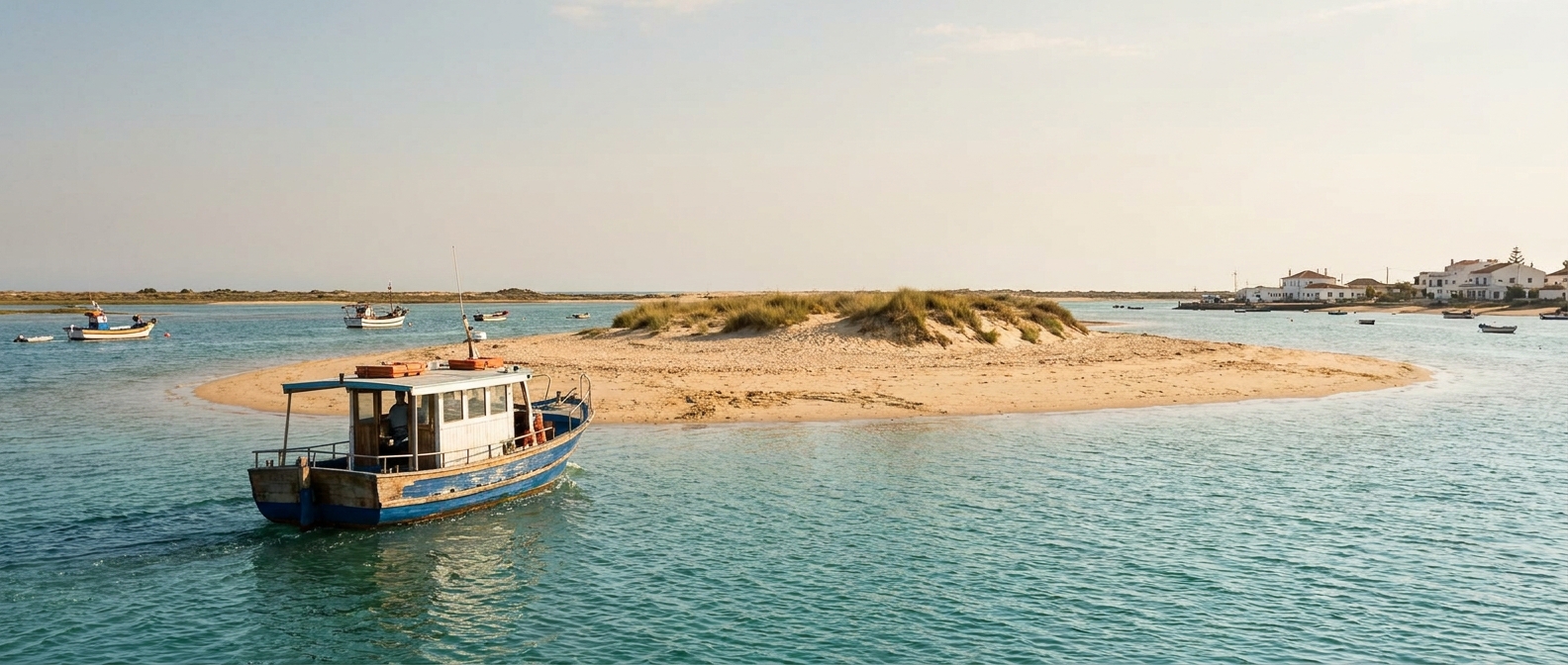
East of Faro the geography changes completely. A shallow lagoon lies behind a line of sandbank islands reached by ferry from Faro, Olhão and Tavira. The swimming happens on the ocean side of those islands. The lagoon shore itself is tidal and shallow, better for wading, oyster beds and birds than for a proper swim, and water temperature varies noticeably between islands and between the two sides. Ask locally rather than assume.
Both big cities keep a beach line. Lisbon rides the train along the river to Cascais and Estoril, Porto takes the metro to Matosinhos and the tram to Foz. Wherever you swim, rip currents are a major beach hazard in Portugal, beaches are flagged and staffed in season, and the red flag is enforcement rather than advice. The rest of the risk picture, including summer heat and fire season inland, sits in the safety page.
Free things to do in Portugal
Lisbon’s miradouros are public terraces cut into the hillside, and the sunset crowd assembles half an hour early with beer from a kiosk. Porto’s São Bento is a working railway station whose entrance hall is lined with blue and white tile panels, and no one checks a ticket to stand in it. Churches in both cities carry tile, gilt and silence behind free doors, though a treasury or a tower may ask a small fee. Which ones repay the climb: Lisbon and Porto.
Market halls are the other free hour, and they are best before ten, when the fish counters are still loud. Bolhão in Porto, the neighborhood markets in Lisbon, the Saturday market at Loulé in the Algarve: you can leave having bought nothing but a peach. Then there is the coastline, which is public by law. The Rota Vicentina’s cliff paths in the southwest cost nothing to walk, and neither does standing at Cabo da Roca while the wind decides what your hair does.
Rainy day things to do in Portugal: port cellars, market halls and churches
Rain here is a northern and western habit, concentrated between late fall and early spring, and the north stays greener because it gets more of it. The Gaia cellars are an indoor afternoon by design. Covered markets, tiled church interiors and a long lunch in a tasca do the same work in either city, and Coimbra’s university buildings give a wet day a spine. Which months actually get soaked is laid out in the calendar.
One warning about the museum plan. Portuguese museums commonly close one day a week, often Monday, and several well known collections have spent long stretches shut for restoration. We do not print opening hours here for that reason. Check the institution’s own site the week you travel, and let the city lists carry the current state of play: Lisbon, Porto, plus the day trips out of the capital when the forecast pushes you inland.
Where to stay in Portugal
| What you want | Where it happens | Base you need | Time it takes | Constraint |
|---|---|---|---|---|
| Palaces and gardens | Sintra | Lisbon | A full day | Timed entry, book ahead |
| Port cellars and tastings | Vila Nova de Gaia, opposite Porto | Porto | An afternoon | Several lodges want a reservation |
| Vineyard river scenery | The Douro | Porto, or a quinta in the valley | One long day, better as an overnight (est.) | Harvest weeks fill rooms |
| Sea caves and cliff coves | Central Algarve | Lagos, Portimão or Albufeira | Half a day on the water (est.) | Sea state cancels boats, cave rules vary |
| Roman town and standing stones | Évora and Almendres, Alentejo | Évora, or Lisbon at a stretch | A day, two with the stones (est.) | Évora by train, the stones need a car |
| Dark skies | Lake Alqueva, eastern Alentejo | Reguengos, Monsaraz or a lake hotel | An evening session | Booked ahead, moonless nights only |
| Surf and cliff walking | West coast, Ericeira to the Costa Vicentina | Ericeira, Sagres or Aljezur | Two days minimum (est.) | Cold water and wind year round |
| Lagoon islands and calm sand | Ria Formosa, eastern Algarve | Faro, Olhão or Tavira | Half a day per island (est.) | Ferry timetable, last boat back |
| Tile, trams and hill walking | Lisbon | Lisbon | Three days (est.) | Steps everywhere, no car wanted |
| Mountains and stone villages | Peneda-Gerês, Serra da Estrela | Braga, Gerês or Manteigas | Two days (est.) | Car essential, slow roads |
Nearly every row is a day of its own, which is why a week ends up as two bases rather than four. The sequencing is drawn in the seven-day route and the ten-day version, and the base-by-base reasoning lives in where to stay.
Portugal with kids: best day trips and how much walking to expect
The days that land with children have a boat, an animal or a ride in them: a lagoon ferry in the eastern Algarve, a river cruise segment in the Douro, the cable car over the Gaia rooftops, a tram that counts as transport and entertainment at once. Sand helps more than sightseeing does, and the calm water in the east beats the surf coast for anyone under about eight.
The traps are gradient and heat. Sintra is a hill with a palace on top of another hill, Lisbon’s viewpoints are stacked up a slope, and an Alentejo afternoon in high summer can end a family day by two o’clock. Age-by-age advice, stroller verdicts and the week that actually holds together are in Portugal with Kids.
Do you need a rental car in Portugal?
| Region | Car? | Without one | Our verdict |
|---|---|---|---|
| Lisbon | No | Metro, trams, trains to Sintra and Cascais | Collect it on the way out of town |
| Porto | No | Metro from the airport, a walkable center | Same answer as Lisbon |
| Douro Valley | Optional | Riverside train to Pinhão, boats, quinta pickups | Train in, car only for multiple quintas |
| Central Algarve cliffs | Helpful | Buses between towns, boats from the harbors | Car for the coves, not for the towns |
| Eastern Algarve lagoon | Optional | Coastal trains, ferries to the islands | The islands are car-free anyway |
| Alentejo | Essential | Trains reach Évora and little else | Rent here or lose the region |
| Peneda-Gerês, Serra da Estrela | Essential | Slow regional buses | Mountain roads, plan short days |
Two mechanical details decide the car question before the scenery does: boothless electronic tolls on the highways
The second is automatic transmissions, which have to be reserved as such rather than hoped for. Both are handled in renting a car in Portugal. If you would rather stay on rails, the train and coach network and its gaps are mapped in getting around.
What any of this costs is a separate conversation, priced three ways in the cost guide. Flights, including the open-jaw booking that deletes a backtrack day from every route above, are in flights from the US. The small etiquette that catches Americans at the table, starting with the bread and olives you did not order, is in know before you go.
What to skip in Portugal
Skip any day that tries to reach the Algarve from Porto and come back. Skip the tram queue when the same hill takes less time on foot than the wait does, and skip the clifftop restaurant with a photo menu and a greeter working the sidewalk. Treat Nazaré’s big-wave season as a viewpoint rather than a swim. And skip the fourth base: the night you save on driving buys a second morning somewhere you already like.
The last word
Pay for two things and let the country hand you the rest. One timed palace ticket at Sintra, one tasting in a Gaia cellar. Almost everything else that people describe afterward turns out to be a public terrace, a headland, a market counter or a plate of grilled fish. If you add one unscheduled hour, walk back across the top deck of the Dom Luís I bridge after dark, with Porto lit on one bank and the lodge signs burning on the other.
The rest is sequencing. Where to stay settles which two bases you keep, the calendar settles the month, and the day-by-day routes wait in seven days or two weeks. Then pack for hills and rain instead of for a beach vacation: the list takes one screen.
Sources & data for this guide
- Ticket prices, opening hours and closing days for Sintra, the Gaia lodges and Algarve boat operators are deliberately not quoted here. They move, and we keep them on the owning guides · checked Sep 14, 2026
- Dark-sky stargazing on Lake Alqueva and the observatory at Cumeada · sessions booked in advance, availability set by moon and cloud · checked Sep 14, 2026
- Sea temperature, rain days and the crowd curve · our month-by-month matrix, sourced there · checked Sep 14, 2026
- Beach flag system, rip currents, summer heat and fire season · the Portugal safety page · checked Sep 14, 2026
- Access rules inside the central Algarve sea caves have changed in recent seasons and vary by operator and sea state · confirm at booking, not on the dock
- Museum closure days and long-running restoration works · verified on each institution’s own site rather than republished here · checked Sep 14, 2026
- Every duration on this page is marked (est.) and comes from our own trips, not from operator timings