
FLORIDA · BISCAYNE NATIONAL PARK · FEBRUARY
February puts Biscayne National Park in the heart of South Florida’s dry season. The official afternoon normal is 78.2°F, the dawn normal 63.2°F, and the sea off the park averages 76.9°F at its daily peak. That is warm enough to snorkel, paddle and picnic on an island, as long as a jacket rides along for the morning crossing.
The park is almost all water, so a February trip here is really a boat trip with a mainland morning attached. Most visitors fly into Miami (our Florida flights guide compares MIA and FLL) and drive south. Rooms, rental cars and road tolls are covered in getting around Florida and where to stay in Florida.
FEBRUARY AT A GLANCE · BISCAYNE NATIONAL PARK
February gives Biscayne dry-season afternoons of 78.2°F and water near 77°F: good snorkeling and paddling weather, provided you pack a layer for the 63°F mornings on the boat.
DRY SEASON · NOAA MIAMI NORMALS 1991–2020 · SEA TEMPERATURE 2015–2024
Go for: snorkeling in high-70s water, calm-season paddling along the mangroves, and a winter escape where the rain arrives on about one day in eight.
Think twice before: counting on bathwater swims. March water averages 78.4°F, a degree and a half warmer.
Air: NOAA NCEI, Miami station · Sea: Open-Meteo Marine API · Light: sunrise-sunset.org · full sources at the end
On this page
- Biscayne weather in FebruaryHighs of 78.2°F and 3.6 rain days
- Can you swim at Biscayne in February?Sea at 76.9°F, measured at its daily peak
- Crowds and prices in FebruaryDry-season demand, booking and lodging tax
- Things to do at Biscayne in FebruaryConvoy Point, Boca Chita Key and Stiltsville
- A two-day February itineraryA mainland day and a boat day
- February vs January and MarchHighs of 76.2, 78.2 and 80.6°F side by side
- Is February a good time to visit?Who should go and who should wait for March
Every figure here comes from one of two instruments. The air normals are a real thermometer: the NOAA station at Miami, just north of the park. The sea temperature comes from a marine model over 2015 to 2024. For the month before, our Biscayne in January guide uses the same two sources, so the numbers line up.
Biscayne National Park weather in February: average highs, lows and rain days
| February normal | Value | Source |
|---|---|---|
| Average high | 78.2°F | NOAA NCEI, 1991–2020 |
| Average low | 63.2°F | NOAA NCEI, 1991–2020 |
| Precipitation | 2.15 in | NOAA NCEI, 1991–2020 |
| Days with 0.10 in or more | 3.6 | NOAA NCEI, 1991–2020 |
| Days with 1 in or more | 0.5 | NOAA NCEI, 1991–2020 |
| Daylight, Feb 15 | 11 h 20 min | sunrise-sunset.org |
| Sunset, Feb 15 | 6:14 pm EST | sunrise-sunset.org |
NOAA’s 1991–2020 official normals for station USW00012839 in Miami give February an average high of 78.2°F, an average low of 63.2°F and 2.15 inches of precipitation. That station sits on land, immediately north of the park. Biscayne itself is almost all water, and open water swings less than a city does in both directions, so out on the bay the afternoons likely run a touch cooler and the dawns a touch milder than the Miami readings.
Measurable rain, 0.10 inch or more, falls on 3.6 days in an average February: roughly one day in eight. A true downpour of an inch or more shows up 0.5 times per February on average, so about every other year brings one. On a two-day visit the odds favor two dry days, but keep the boat booking flexible enough to swap with the mainland day if the forecast turns.
The normals open a 15°F spread between dawn and mid-afternoon. A 7 a.m. crossing at 63°F with wind and spray feels far colder than the number suggests, while the same boat at 2 p.m. runs close to 78°F. Pack a windbreaker or light fleece for the outbound ride, plus a dry towel and a change of shirt for anyone who snorkels.
On February 15 the park gets about 11 hours 20 minutes of daylight, and the sun sets at 6:14 pm Eastern Standard Time. Plan to be back at the dock and off the water before that hour, with the light going flat over the bay around the late afternoon.
Can you swim in Biscayne National Park in February? Sea temperature and what it feels like
The Open-Meteo Marine API puts the sea surface off Biscayne at 76.9°F in February, averaged over 2015 to 2024. That value is a mean of daily maxima, the warmest reading of each day, so a 24-hour average sits a shade lower. If another chart shows a cooler February figure, the averaging method likely explains most of the gap.
Yes, you can swim. Water in the high 70s sits within about a degree of the 78.2°F afternoon air, so a midday snorkel feels comfortable for most adults. The chill comes afterward: climbing back onto a boat in a breeze, wet, is where people get cold. A rash guard or thin wetsuit top keeps a longer snorkel pleasant, and kids tend to tire of the water sooner than adults.
Our sources carry no wind or swell figures for February, so we give none. Check the National Weather Service marine forecast for Biscayne Bay the evening before a boat day, and ask your operator how they handle weather cancellations when you book.
How busy is Biscayne National Park in February? Crowds and prices
February falls inside Florida’s dry season, November through April, the stretch the state’s whole winter trade is built around (our best time to visit Florida lays out the year). We found no visitation or hotel-rate series for the park, so we rank no month as the busiest or the priciest. What we can say is calendar fact: this is high season for South Florida travel.
We found no lead-time data for boat seats or rooms near the park, so we give no number of weeks. Once your dates are fixed, book the boat trip and a refundable room together. Weekday departures leave more room to reshuffle if a front moves through.
We could not verify the lodging-tax rate that applies to rooms near the park, so we give no percentage. Look at the total with taxes and resort fees before you confirm, and use our Florida trip-cost guide for a budget frame.
The one spend that changes a February visit is a boat seat to the outer keys. Without it, you see the park from the mainland shore at Convoy Point and miss the reef, the islands and the stilt houses. We could not verify current boat-trip prices or schedules, so check with the park before you budget.
Things to do in Biscayne National Park in February
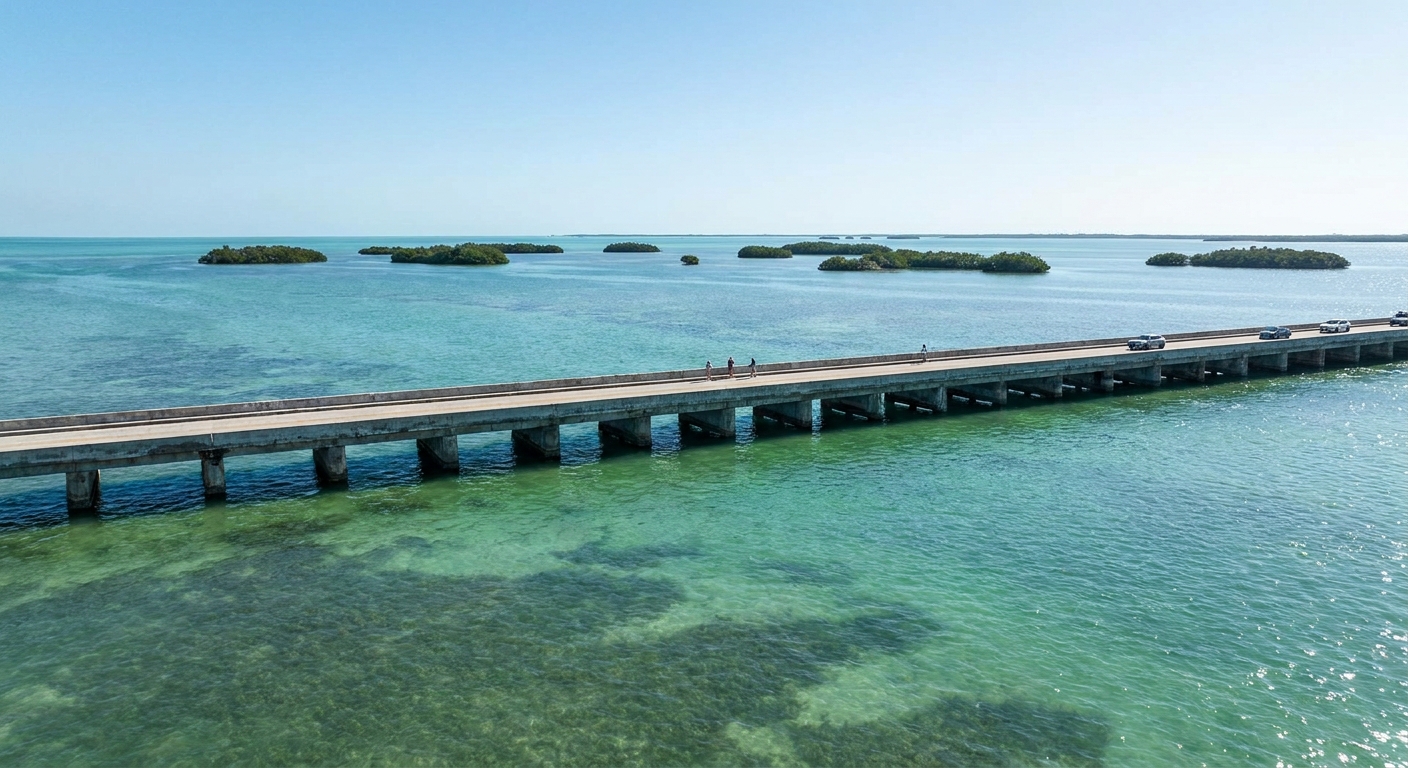
February opens the whole park at once. Summer Florida brings a near-daily run of afternoon thunderstorms (our Florida orientation covers the wet season), while this month averages 3.6 rain days. A snorkel, a paddle and an island picnic can share one day without a storm cutting it short.
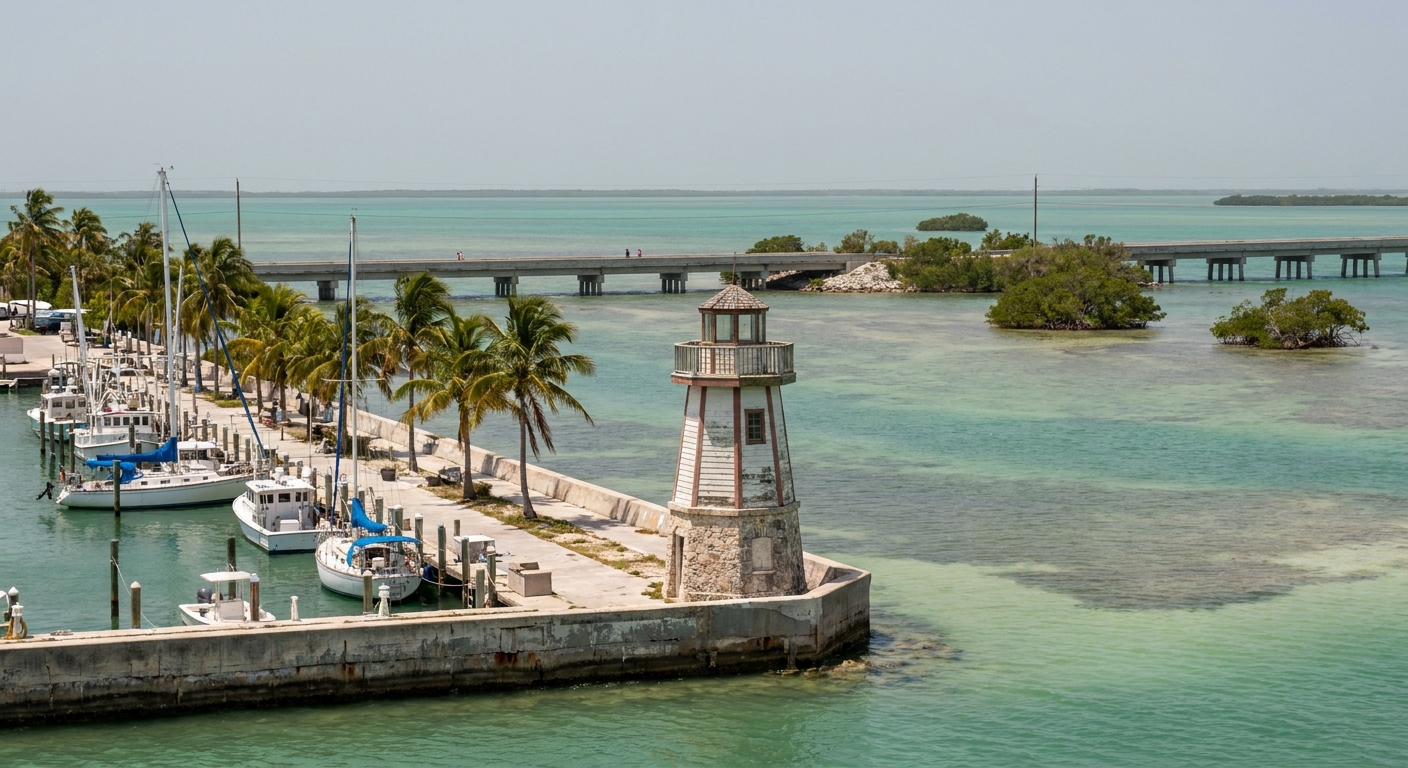
The mainland base is the Dante Fascell Visitor Center at Convoy Point, east of Homestead, where boat trips and shoreline walks begin. Offshore, Boca Chita Key has its small ornamental lighthouse and harbor, Elliott Key is the largest island in the park, and Stiltsville stands on the flats to the north. Snorkelers and divers can follow the Maritime Heritage Trail of shipwrecks. Check the NPS park site for current hours, fees and dock capacity before you go.
The water barely moves across late winter: 77.0°F in January, 76.9°F in February and 78.4°F in March, per the marine API. The air moves more, with highs climbing 4.4°F from January to March. In February the dawn air sits 13.7°F below the sea, so a morning snorkel will feel warmer in the water than on deck.
We could not confirm what, if anything, the park charges for entry or which programs run free in February. Ask at the visitor center or check the NPS site. A Florida national park pass question gets its own answer in our Florida national parks guide.
Biscayne National Park in February: a two-day itinerary
Day one, the mainland. Start at Convoy Point in the cool of the morning, when the air sits near its 63.2°F low, and walk the shoreline while the light is soft. Late morning, as the air climbs toward 78.2°F, launch a kayak along the mangrove edge if you bring or rent one (we could not verify rentals). Lunch in Homestead, then an easy afternoon, and plan dinner for after the 6:14 pm sunset.
Day two, the water. Take the boat to Boca Chita Key or Elliott Key and time the snorkel for midday, when the sea sits near its 76.9°F daily peak and the air is at its warmest for drying off. If a front brings one of February’s rare heavy-rain days, swap the two days, or drive west to the Anhinga Trail in the Everglades and save the boat for tomorrow.
Biscayne National Park in February vs January and March
| Normal | January | February | March |
|---|---|---|---|
| Average high | 76.2°F | 78.2°F | 80.6°F |
| Average low | 61.0°F | 63.2°F | 65.6°F |
| Precipitation | 1.83 in | 2.15 in | 2.46 in |
| Days with 0.10 in or more | 3.8 | 3.6 | 3.5 |
| Sea surface (daily maxima, 2015–2024) | 77.0°F | 76.9°F | 78.4°F |
February sits 2.0°F warmer than January at the afternoon high and 2.4°F cooler than March, per NOAA’s Miami normals. Rain runs against intuition: February collects more total precipitation than January (2.15 inches against 1.83) on fewer wet days (3.6 against 3.8), and March adds a little more on 3.5 days. At sea, the marine API puts January and February within 0.1°F of each other, with March 1.5°F warmer.
Going four weeks earlier gets you the same water and dawns 2.2°F cooler. Going four weeks later buys 1.5°F more sea and 80.6°F afternoons, but March is when spring break fills Florida’s beach towns, as our Florida orientation warns, so rooms near Miami get harder to find.
Is February a good time to visit Biscayne National Park?
Yes, for snorkelers happy in high-70s water, paddlers who want dry weather, and anyone trading a northern winter for 78°F afternoons. Families with small kids who want long, warm swims may find the water brisk after half an hour, and the cold 63°F boat mornings take some planning.
If warm water is the priority, pick March: 78.4°F at sea and highs of 80.6°F, with rain days holding steady at 3.5. Book early to get ahead of spring-break demand.
February is when the average afternoon overtakes the sea, with 78.2°F air over 76.9°F water, while in January the 77.0°F water still beats the 76.2°F high.
The last word
Book the boat day first and build the other day around it, because the outer keys are where Biscayne is. Then set an early alarm for the mainland morning: on February 15 the sun rises at 6:54 am Eastern Standard Time, and the first hour at Convoy Point, with the bay still and the air in the low 60s, is the coolest, calmest light of the visit.
Sources & data for this guide
- February, January and March air normals, precipitation and rain days · NOAA NCEI monthly normals 1991–2020, station USW00012839 (Miami) · checked Sep 24, 2026
- Sea surface temperature, mean of daily maxima 2015–2024 · Open-Meteo Marine API · checked Sep 24, 2026
- Daylight, sunrise and sunset on February 15 (converted from UTC to EST) · sunrise-sunset.org · checked Sep 24, 2026
- Dry and wet seasons, spring break · The Travel Chronicle Florida orientation · checked Sep 24, 2026
- We found no visitation, occupancy, hotel-rate or lodging-tax figure, and we could not verify boat-trip prices, schedules, park fees or visitor center hours · check the NPS and operators when you book.
To plan your stay
- Best Time to Visit Biscayne National Park: Month-by-Month Weather, Sea Temperature and the Month to Skip
- Biscayne National Park in January: Weather, Sea Temperature, Crowds and a Two-Day Plan
- Biscayne National Park in March: Weather, Sea Temperature and Crowds
- Biscayne National Park in April: Weather, Sea Temperature and Rain Days