
At Tokyo Station the red-brick façade of the Marunouchi building glows against the glass towers behind it, and commuters pour across the plaza toward the Imperial Palace grounds. A few streets away, Ginza switches on its shop windows, while Nihonbashi’s old bridge district settles into its evening. Choosing where to sleep here means choosing which of these Tokyos you want at your door, and four districts make the clearest choices.
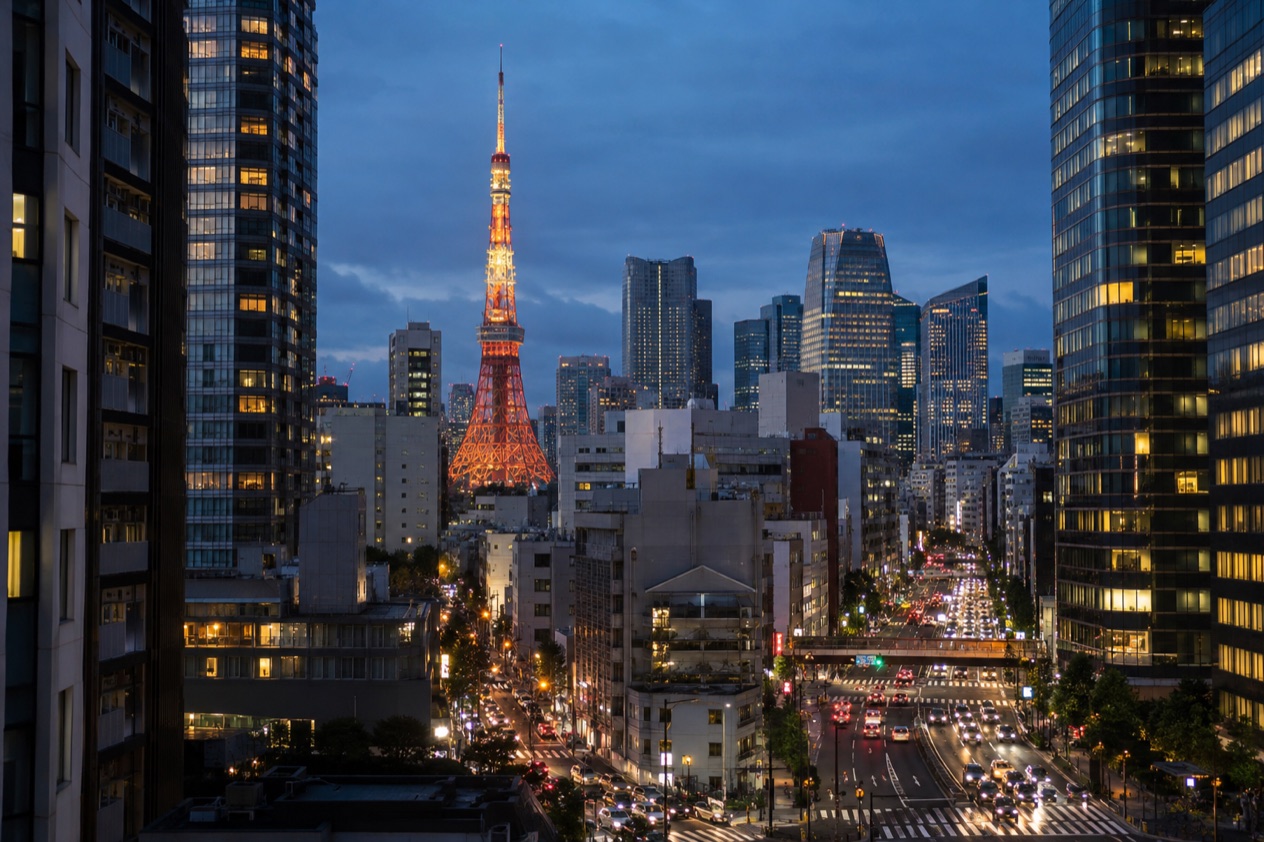
What is the best area to stay in Tokyo Station?
For a first visit, Marunouchi, the business district beside the station itself, is the strongest base, because the trains to the rest of Japan start right there. Sightseers who want the palace grounds and a long walk before breakfast will also like it. Ginza suits travelers who come for shopping and restaurants, Nihonbashi suits those who like a district with a sense of history, and Roppongi and Akasaka suit people who want a late night out.
Budget travelers will find the choice less about a single district and more about the type of lodging. The business-hotel and capsule-hotel style of sleeping, with a small room and a practical setup, is a long-standing part of Tokyo life. Because the Marunouchi Line and the Shinkansen both serve the station, a modest room near a rail line often serves a visitor better than a grander room far from one.
Families usually weigh two things: how many train changes stand between the room and the day’s plans, and whether the neighborhood has places to eat at ordinary hours. Marunouchi and Nihonbashi both work during office hours and shift gears on weekends, when the streets around the station open up and feel different. Ginza, with its luxury shops and polished restaurants, suits a family that likes to window-shop and eat well rather than one that wants playgrounds.
For nightlife, Roppongi and Akasaka are the districts to look at. They are reached from Shibuya Station in about 10 minutes by train, which places them within the reach of the big entertainment areas. Tokyo Station’s own district is built around offices, hotels and shops, so it has a more composed evening feel, with dinner, a stroll under the lights and an early night.
What separates these areas is not distance so much as mood. Marunouchi is orderly and formal, with wide avenues and the palace grounds as a green backdrop. Ginza is polished and made for browsing.
Nihonbashi carries the weight of finance and heritage, and Roppongi and Akasaka lean toward dining, drinks and a more international crowd. The right base is the one whose evenings you would actually enjoy, because the days will be spent on trains and in neighborhoods all over the city.
One more thing shapes the decision: Tokyo is the capital of Japan and the most populous metropolitan area in the world, so no single district holds everything. Even so, a base near Tokyo Station keeps you close to the rail network, which makes day trips and the moves to Kyoto, Osaka or the north part of the same plan. Think of the station district as the hinge of the trip, and pick the neighborhood that matches the part of Tokyo you most want to wander.
The best areas to stay in Tokyo Station
Marunouchi, beside the station
Marunouchi is the business district around Tokyo Station in Chiyoda, close to the grounds of the Imperial Palace. On a weekday morning it fills with people in suits heading to offices, and in the evening the avenues are lit and the plazas empty out. The station building itself, with its brick exterior, is part of the district’s identity, and its newer Eastern extension sits not far from Ginza.
This is where you find the larger, polished hotels, along with business hotels that cater to travelers passing through. It suits first-time visitors, anyone using the Shinkansen, and travelers who like a room that feels connected to the city’s center. The station is directly connected to two Shinkansen lines, the Tohoku Shinkansen run by JR East and the Tokaido Shinkansen run by JR Central, and the Tokyo Metro Marunouchi Line also serves it.
A good tip is to use the palace grounds as your morning routine. The East Garden is open daily except Mondays and Fridays, so those two days are better for other plans. The inner palace is closed to the general public except on January 2 and on February 23, the Emperor’s birthday, though foreigners can apply online for a free guided tour on weekdays at 10:00 and 13:30.
Ginza, for shopping and dinners
Ginza is an upscale downtown area, known for high-end restaurants and luxury shops. After dark the main avenue glitters, and the side streets hide small bars and counters where chefs work in front of a handful of seats. It is a district for strolling slowly, looking at displays and settling on a place to eat without hurrying.
The lodging here leans toward polished hotels and stylish boutique-style stays, in keeping with the surroundings. It suits couples, travelers on a special-occasion trip and anyone for whom a long dinner is the highlight of the day.
Tokyo Station’s Eastern extension is not far from Ginza, which links the two districts for anyone with luggage or a train to catch. A practical tip is to treat Ginza as an evening district and use the station area for the days spent on trains. That way you sleep in the glow of the shops but still step into the rail network easily.
Nihonbashi, heritage and finance
Nihonbashi is known for its rich heritage and is the main financial district of Japan. The name comes from a bridge, and the area still carries a sense of old commerce, with long-established shops and merchant traditions sitting among modern office towers. During the working day it hums with business, and on weekends it slows, which gives it a slightly different character from Ginza next door.
Lodging here tends toward business hotels and design-minded stays that suit visitors who like a neighborhood with some history behind it. It fits travelers who prefer to wander streets with stories rather than rows of luxury brands. Food lovers will like it too, because the district is a place to look for traditional sweets, tea and simple lunches between meetings and museum visits.
A tip for planning: Nihonbashi and Ginza are both described as part of the same part of central Tokyo, so you can compare them and choose by mood. If you want finance towers and heritage, pick Nihonbashi. If you want lights and shop windows, pick Ginza. Either way you stay within reach of Tokyo Station.
Roppongi and Akasaka, for the evening
Roppongi and Akasaka are districts in Tokyo that reward people who like to stay out. Roppongi Station is served by the Tokyo Metro Hibiya Line and the Toei Oedo Line, Nogizaka Station by the Tokyo Metro Chiyoda Line, and Roppongi-Itchome Station by the Tokyo Metro Namboku Line. That spread of lines gives the area several ways in and out.
Staying here suits travelers who want restaurants, bars and the energy of a late dinner, and who accept being a little way from Tokyo Station’s own platforms. The area can be reached from Shibuya Station in about 10 minutes by train, which is useful if your plans include Shibuya. Lodging ranges across hotels and stays aimed at visitors who want the city’s evening life close.
The tip here is to pick your station by the line you plan to use most. If you will head to Shibuya, the connection from the area is the thing to look at. If you will rely on the Chiyoda Line, Nogizaka is the stop to keep in mind. In each case, you will make a transfer when it is time to catch a Shinkansen from Tokyo Station.
Tokyo Station areas compared
| Area | Best for | Feel | Getting around |
|---|---|---|---|
| Marunouchi | First visit, Shinkansen travel, palace walks | Business district, orderly, near the Imperial Palace grounds | Tokyo Station with the Tohoku and Tokaido Shinkansen, and the Tokyo Metro Marunouchi Line |
| Ginza | Shopping, dinners, couples | Upscale downtown area with high-end restaurants and luxury shops | Close to Tokyo Station’s Eastern extension |
| Nihonbashi | Heritage, food, quieter evenings | Rich heritage and the main financial district of Japan | Within the central Tokyo area around the station |
| Roppongi and Akasaka | Nightlife, dining out | Evening-oriented districts | Hibiya, Oedo, Chiyoda and Namboku lines, and about 10 minutes by train from Shibuya Station |
The main trade-off is between sleeping near the station and sleeping where the evenings are lively. Marunouchi puts the Shinkansen platforms in your own district, which matters if you are moving between cities, but its streets are built around business and feel composed once the offices close.
The second trade-off is between the old and the new. Nihonbashi holds the trade heritage of the city and the main financial district, while Ginza shows off its modern luxury. Between them, the Eastern extension of Tokyo Station links the two moods. If you cannot decide, a room in Marunouchi with a dinner reservation in Ginza gives you both without changing your base.
Think also about how you like to arrive back at night. Some travelers want a room with a quiet street outside, and others want lights and noise within reach. Marunouchi and Nihonbashi lean toward the first, Ginza and Roppongi toward the second.
How to choose your hotel in Tokyo Station
Start with the kind of room you want, because Tokyo offers several. A full-service hotel gives you a lobby, a restaurant and a desk to ask about the day. A business hotel gives you a compact, tidy room built for a night or two between trains.
A capsule hotel gives you a sleeping pod, a playful and very Japanese way to stay that suits solo travelers. A ryokan, a traditional inn with tatami floors and futon bedding, is a different experience entirely, and a guesthouse sits somewhere between a hostel and a small hotel.
Next, look at the map in terms of stations. In Marunouchi the station is the district’s heart, with the Shinkansen and the Marunouchi Line close by. In Roppongi and Akasaka, the question is which metro line passes near your door, because several different lines serve the area. Tokyo’s two airports, Haneda Airport and Narita Airport, the latter being Japan’s largest international airport, both serve the city, so think about which one your flight uses and how you will reach your district afterward.
Families should think about the rhythm of the day. A room that lets you rest in the middle of the afternoon, a neighborhood with places to eat at ordinary hours and a short route back to the station all help when children get tired. Marunouchi, with its palace grounds and station building, gives a family something to see just outside the door. Ginza gives department stores and food halls to wander.
For travelers who want to reduce the amount they carry between trains, staying in Marunouchi means the Shinkansen is in the same district as your bed. That changes the feel of a departure morning, because you are not crossing the city with bags. If you will use the station only on arrival and departure, the choice can follow your tastes in food and nightlife instead.
Think too about what the days will be. If you plan to see the Imperial Palace East Garden, remember it is open daily except Mondays and Fridays, and the free guided palace tour for foreigners runs on weekdays.
If you plan to visit the Tokyo National Museum of Modern Art, admission is free on May 18, November 3 and the first Sunday of every month. A base near the palace grounds makes these plans simple to fit around your sleep.
Finally, match the neighborhood to your own temperament. If you like order and a calm evening, choose Marunouchi or Nihonbashi. If you like lights, shops and a long meal, choose Ginza. If you like staying out late, choose Roppongi or Akasaka. Whichever you pick, you are in a city where the whole rail network is the real address, and a good night’s sleep is only the starting point.
Good to know before you go
Tokyo’s two nearest airports, Haneda Airport (officially Tokyo International Airport) and Narita Airport, both serve the city, and from either you continue by rail or road to Tokyo Station and the districts around it. The station is the busiest in Japan by scheduled trains, so it is worth giving yourself time to find your platform on a first visit. Many of the places in this part of Tokyo, from the palace grounds to Ginza’s shops, can be reached on foot once you are settled.
Sources
- Wikipedia, Tokyo Station (https://en.wikipedia.org/wiki/Tokyo_Station), checked October 11, 2026
- Wikivoyage, Tokyo/Chiyoda (https://en.wikivoyage.org/wiki/Tokyo/Chiyoda), checked October 11, 2026
- Japan National Tourism Organization, Tokyo (https://www.japan.travel/en/destinations/kanto/tokyo/), checked October 11, 2026
To plan your stay
- Best Time to Visit Tokyo: Cherry Blossoms, Autumn Leaves, Weather by Month and Festivals
- Things to Do in Tokyo: Temples, Towers, Markets and Day Trips
- Tokyo from the airport: Narita and Haneda, the Skyliner, Local Trains and Taxis
- Know Before You Go to Tokyo: Entry, Money, Getting Around and Local Etiquette