
Along the Sea of Okhotsk, drift ice drifts toward the coast of Abashiri from late January, while in Sapporo a bowl of steaming miso ramen is the answer to the cold. Far to the south, on Okinawa Island, people walk along Manza Beach and Zanpa Beach in sandals, and a plate of goya champuru (bitter melon stir-fry) arrives with a cold Orion beer. Japan’s northernmost and southernmost prefectures could hardly feel more different, so choosing between them comes down to snow or sun, forests or reefs, and what you want your days to taste like.
Which is better, Hokkaido or Okinawa?
Hokkaido is better for travelers who want big landscapes, winter sports, hot springs and a food scene built on the sea and the farm, while Okinawa suits those who want a subtropical island with beaches, a distinct Ryukyu culture and a very large aquarium. Neither one beats the other in general. The right pick depends on the season you can travel and the kind of day you picture.
Hokkaido is the second largest island of Japan, split into regions that include Sapporo and its surroundings, Asahikawa and the north, Hakodate and the south, and Kushiro and the east. Okinawa is a chain of islands, 49 of them inhabited, with Naha as the base on the main island. One feels like a mainland journey of national parks, lakes and towns, the other like an island escape built around the coast.
| Category | Hokkaido | Okinawa |
|---|---|---|
| Sights | Otaru Canal, Shirogane Blue Pond in Biei, Lake Akan, Lake Toya, Daisetsuzan National Park | Okinawa Churaumi Aquarium, Hiji Falls, partly open Shuri Castle, Century Beach |
| Vibe | Northern island of snow, forests and craft villages | Subtropical island chain with its own Ryukyu heritage |
| Things to do | Skiing at Niseko, trekking, hot springs, drift ice at Abashiri | Beaches, aquarium, Orion Beer Factory, Pineapple Park |
| Food | Sapporo cuisine, seafood and local produce | Goya champuru, Okinawan dishes and Orion beer |
| Weather | Exceptional snow in winter, drift ice from late January | Humid subtropical, rainy season in late spring, rain through the year |
| Getting there | Flights to New Chitose Airport near Sapporo, or train and ferry from Honshu | Flights to Naha Airport, then the Yui Rail monorail in Naha |
| Best for | Winter sports, nature, adventure travel, gourmet trips | Beach time, island culture, aquarium visits |
Sights and food
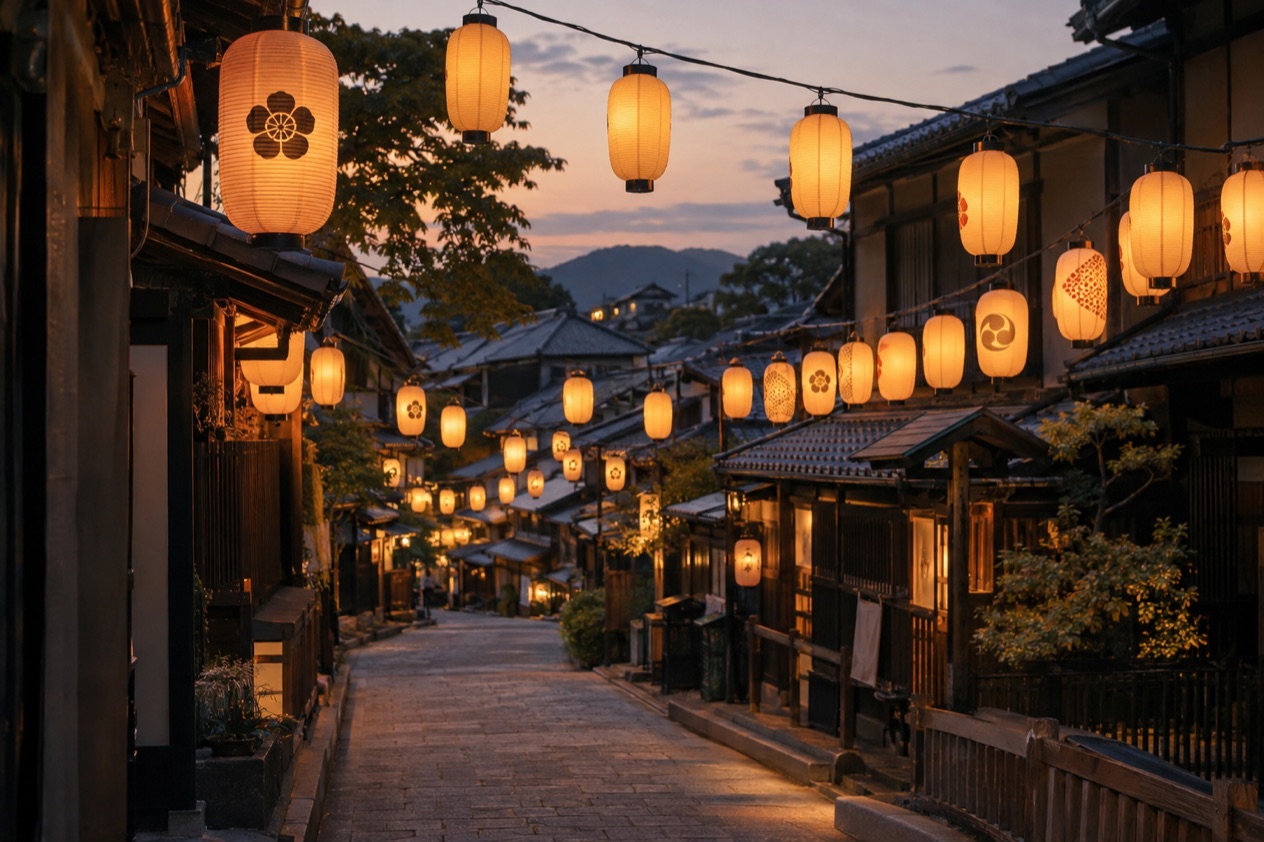
Hokkaido’s sights are mostly about scenery and atmosphere rather than a single monument. In Otaru, glowing gas lamps and stone warehouses line the canal, and the scene works as a walk after dark. Around Biei, the Shirogane Blue Pond is known for its vivid cobalt-blue water among the forests, and in Furano a craft village called Ningle Terrace hides about 15 small shops among the trees.
The big lakes and parks add another layer. Lake Akan sits in Akan National Park, Lake Toya lies in Shikotsu-Toya National Park, and Daisetsuzan National Park fills the mountainous center of the island. Hokkaido also carries Ainu and Jomon heritage, which is part of what draws travelers who want culture alongside the outdoors.
Okinawa’s sights start with its history. The island was once the Ryukyu Kingdom, with its own language and culture, and that past shows in food, music and the look of Naha.
Shuri Castle is partly open to the public, but the main castle has been closed since the fire in 2019, so a visit means the open grounds rather than the main hall. Nature fills the rest: Hiji Falls, Century Beach, and the beaches of Manza, Emerald, Okuma, Moon and Sunset in Chatan.
On the plate, Hokkaido leans on the cold sea and the farm. Sapporo and its surroundings are known for local cuisine, and the usual order of the day includes miso ramen, soup curry, grilled crab and scallops, and dairy that turns up in soft-serve and cheesecake.
Okinawa goes another way: goya champuru, soki soba (noodles topped with stewed pork ribs), sea grapes, sata andagi (fried doughnut balls) and awamori, the local distilled spirit.
Who wins? For sightseeing built on dramatic landscapes and a mix of regions, Hokkaido has more to offer. For culture rooted in a separate kingdom and a cuisine unlike anything on Honshu, Okinawa takes it. On food alone, it is a draw of two very different tables, seafood and ramen in the north, island cooking in the south.
Things to do
Hokkaido offers adventure travel with seasonal views, skiing and trekking, hot springs and gourmet options. The ski resorts of Niseko and nearby areas are known as a winter sports area, and the island is recognized for its exceptional snow. Winter also brings the Sapporo Snow Festival, and from late January the drift ice at Abashiri covers the Sea of Okhotsk.
Winter in Sapporo and Niseko
Sapporo works as a city base for a winter trip. The Snow Festival turns the city into an outdoor gallery of snow and ice, and the food halls and ramen alleys give you somewhere warm to end the evening. Hokkaido’s snow is the reason people come at all.
After a day on the slopes, an onsen (hot spring bath) is the natural reward, and Hokkaido counts hot springs among its main draws. Plan the days around skiing and soaking rather than a long list of sights.
Lakes, forests and the coast
Away from winter sports, Hokkaido is a place for slow movement through landscapes. Furano and Biei bring forest villages, craft shops and the cobalt-blue water of the Blue Pond. Akan, Toya and Daisetsuzan offer lakes and mountain country for trekking.
Otaru adds a town evening: the canal, the gas lamps, the stone warehouses. Abashiri rewards a trip to the far coast for the drift ice season. These stops lie in different regions, so choose one or two areas rather than trying to cover the whole island.
Okinawa Churaumi Aquarium and the beaches
Okinawa Churaumi Aquarium opened in November 2002 and was once the world’s largest aquarium. Dolphins are part of the draw, and a baby bottlenose dolphin has been born there, so visitors can watch it swim beside its mother. The aquarium has also hatched Bigeye Pacific Opah after a world-first artificial insemination, and it has brought in a new female Japanese Sawshark to breed the species.
| Site | Open |
|---|---|
| Okinawa Churaumi Aquarium | 08:30 to 18:30, last admission 17:30 |
Beyond the aquarium, Okinawa Island is a beach island. Manza, Emerald, Okuma, Zanpa, Moon and Sunset beaches give you different stretches of coast to try, and Century Beach is another. Inland, Hiji Falls adds a green change from the shore, and Pineapple Park and the Orion Beer Factory make light, family-style stops.
Naha and beyond
Naha is the largest city in Okinawa and the island’s capital, home to about 21% of the main island’s residents. It is the place for evenings: izakaya (casual pubs) with awamori, island dishes and the old kingdom’s traces around Shuri. Naha Airport is also the gateway to all of Okinawa’s islands, so island-hopping starts here.
Weather and the best time to go
The two weather stories are opposites. Hokkaido is about snow and the cold sea in winter, with drift ice reaching the Abashiri coast from late January and the exceptional snow that feeds the ski season. Okinawa has a subtropical climate with warm temperatures and high rainfall through the year, and a rainy season in the late spring.
For Hokkaido, then, the question is what you want to see. Winter belongs to skiing at Niseko, the Sapporo Snow Festival and the ice at Abashiri. The seasonal views that adventure travelers go for change with the calendar, so the same forest or lake looks very different from one season to the next.
Okinawa is a different calculation. In January, Naha is mild enough for a light layer in the daytime, and in July it is hot, humid and bright. Rain does not take a season off, so an Okinawa trip means a plan for showers whatever the month, and the aquarium, Naha’s markets and museums are the natural indoor fallbacks.
| Naha, Okinawa | January | July |
|---|---|---|
| Average high (°F) | 67.6 | 89.4 |
| Average low (°F) | 58.8 | 80.6 |
| Mean (°F) | 63.1 | 84.4 |
| Precipitation (inches) | 4.00 | 7.41 |
| Days with at least 1 mm of precipitation | 10.2 | 9.4 |
| Hours of sunshine | 93 | 227 |
| Relative humidity (%) | 66 | 78 |
January is cooler and cloudier, with about ten days of rain, so expect gray stretches and a lighter beach mood. July is hot and sunny with humid air, the version of Okinawa that matches the postcard, and one that makes shade and cold drinks a priority.
Put simply, choose Hokkaido when snow and ice are the point, and Okinawa when you want warmth and the sea. A winter trip to Okinawa is milder than a winter trip north, but it is not the sunniest version of the island. Late spring brings Okinawa’s rainy season, so date flexibility matters there more than in Hokkaido.
Getting there and getting around
Both destinations are reached mainly by air, and each has one clear gateway. Hokkaido is accessible from New Chitose Airport near Sapporo, with direct flights from Tokyo taking about 1 hour 30 minutes. Okinawa is served through Naha Airport, which links to dozens of cities across Japan, including low-cost carriers.
Hokkaido also opens to overland travelers. By train from Tokyo to Sapporo takes about 8 hours: the JR Tohoku/Hokkaido Shinkansen runs to Shin-Hakodate-Hokuto, then the limited express Hokuto goes on to Sapporo. The Japan Rail Pass is valid on shinkansen trains from Tokyo to Hokkaido, and ferries connect Honshu from Niigata, Oarai in Ibaraki, Sendai, Nagoya, Maizuru in Kyoto and Tsuruga in Fukui to ports near Sapporo.
Once in Hokkaido, JR Hokkaido sells passes for foreign visitors. Prices differ depending on whether you buy outside or inside Japan.
| Pass | Valid for | Adult, bought outside Japan | Child, bought outside Japan |
|---|---|---|---|
| Sapporo-Noboribetsu Area Pass | 4 consecutive days | 8,000 yen | 4,000 yen |
| Sapporo-Furano Area Pass | 4 consecutive days | 9,000 yen | 4,500 yen |
| Hokkaido Rail Pass | 5 consecutive days | 19,000 yen | 9,500 yen |
Okinawa Island works differently. Naha has the prefecture’s only public rail network, the Okinawa Urban Monorail, known as Yui Rail, which connects Naha Airport to the city center and Shuri. Naha is a 15-minute drive from the airport, or a few stops on the monorail. Beyond the capital, the island’s beaches, the aquarium and the falls are spread out, so plan the day around one area at a time.
The geography explains the choice of transport. Okinawa Island lies roughly 400 miles south of Kyushu and about 310 miles northeast of Taiwan, so reaching it from the mainland is a flight, and Naha is the gateway to the other islands. Hokkaido, as Japan’s northernmost island, offers three ways in: air, rail and sea.
Who should choose which
Choose Hokkaido if you want skiing, trekking, hot springs and a landscape that changes with the season. It suits travelers who like regions with their own character, from Sapporo’s food scene to Otaru’s canal, Furano’s craft village, Biei’s Blue Pond and the lakes of Akan and Toya. It also fits anyone drawn to Ainu and Jomon culture and to an island with gourmet ambitions.
Choose Okinawa if beaches, an aquarium and a separate island culture are the point. The Ryukyu Kingdom’s legacy gives the trip a cultural thread, and the island chain gives the option of adding other islands from Naha.
Combining the two is possible, since both are reached by air from the main island of Japan and each has its own airport. The trade is that you will spend a flight crossing the country, and the two destinations do not share a season: a winter trip suits Hokkaido’s snow, while Okinawa’s warmth fits another time. For one holiday, pick one place and give it the days it deserves.
Good to know before you go
Prices in Japan are in yen, and the passes above are quoted in that currency. In Okinawa the rainy season falls in late spring and rain is a normal part of the climate through the year, so a light rain jacket belongs in the bag.
Hokkaido’s winter means snow, so plan layers and shoes for it. In both places, take off your shoes at the entrance of a ryokan or a home, and bathe before entering an onsen.
Sources
- Japan National Tourism Organization, Hokkaido (https://www.japan.travel/en/destinations/hokkaido/hokkaido/), checked October 11, 2026
- Hokkaido Love, the official Hokkaido tourism site (https://www.visit-hokkaido.jp/en/), checked October 11, 2026
- Hokkaido Love, what to see and do (https://www.visit-hokkaido.jp/en/spot/), checked October 11, 2026
- JR Hokkaido, Rail passes and tickets (https://www.jrhokkaido.co.jp/global/english/ticket/index.html), checked October 11, 2026
- Wikipedia, Lake Tōya (https://en.wikipedia.org/wiki/Lake_T%C5%8Dya), checked October 11, 2026
- Wikipedia, Lake Akan (https://en.wikipedia.org/wiki/Lake_Akan), checked October 11, 2026
- Wikipedia, Daisetsuzan National Park (https://en.wikipedia.org/wiki/Daisetsuzan_National_Park), checked October 11, 2026
- Japan National Tourism Organization, Okinawa (https://www.japan.travel/en/destinations/okinawa/okinawa/naha-and-the-main-island/), checked October 11, 2026
- Okinawa Churaumi Aquarium (https://churaumi.okinawa/en/), checked October 11, 2026
- Wikipedia, Okinawa Island (https://en.wikipedia.org/wiki/Okinawa_Island), checked October 11, 2026
- Wikipedia, Okinawa Prefecture (https://en.wikipedia.org/wiki/Okinawa_Prefecture), checked October 11, 2026
- Wikivoyage, Okinawa (https://en.wikivoyage.org/wiki/Okinawa), checked October 11, 2026
- Japan Meteorological Agency (JMA), Normal values 1991-2020, monthly (https://www.data.jma.go.jp/stats/etrn/view/nml_sfc_ym.php?prec_no=91&block_no=47936), station Naha, elevation 28 m, checked October 11, 2026
- Wikipedia, Shuri Castle (https://en.wikipedia.org/wiki/Shuri_Castle), checked October 11, 2026
- Wikipedia, Naha (https://en.wikipedia.org/wiki/Naha), checked October 11, 2026