
In Hokkaido the year turns on its fields and its snow. Rows of purple bloom run across the hills around Furano in midsummer, and months later the same landscape disappears under powder while steam rises off the outdoor hot spring baths. Ramen shops fog their windows in the cold, and fishing ports unload crab and sea urchin. This is the northernmost prefecture of Japan, and each season here asks for a different kind of trip.
When is the best time to visit Hokkaido?
Hokkaido is built around its seasons, so the right month is the one that matches the kind of trip you have in mind.
For sightseeing, summer and early autumn suit the towns and the countryside best. Otaru’s canal, lined with stone warehouses and glowing gas lamps, is pleasant to walk in the evening. The craft village of Ningle Terrace, with about 15 shops tucked among Furano’s forests, is a place for wandering slowly under trees. Spring brings cherry blossoms, though no date is worth promising from one year to the next.
For food, Hokkaido rewards almost any month. Miso ramen and soup curry warm up Sapporo’s cold days, while seafood rice bowls, grilled scallops, sweet corn, potatoes and fresh dairy fill the warmer seasons. The island is known for local cuisine, and eating is as good a reason to come as the scenery.
For nature and adventure, the choice splits in two. Trekking and outdoor activities belong to the milder months, while skiing belongs to the snow. The general ski season opens in December and lasts until April, with exact dates set by each resort. Peak season falls in January and February, when snowfall is most frequent. Niseko and the ski resorts around it make up the winter sports area travelers have heard of.
For families and for a calmer pace, the shoulder months of spring and autumn give you space to move between regions without a fixed agenda. Flights land at New Chitose Airport near Sapporo, so a first visit can start in the city and branch out from there.
Hokkaido weather by month
Hokkaido’s year runs from deep snow in winter to mild, bright summers, with spring and autumn as the changeable stretches in between. Winter is the season that defines the island. Heavy snow regularly covers the mountains and the northern regions of Japan, and Hokkaido gets snow earlier than most of the country. Pack real winter gear for the cold months: insulated boots with grip, a warm coat, gloves, a hat and layers you can add or shed when you step into a heated train, shop or onsen lobby.
Spring is a time for a light jacket or a simple sweater, which is how travelers in Japan are told to dress in that season. In Hokkaido it is wise to add one more layer for the evening and to keep something waterproof in your bag for showers. Snow lingers on high ground while the valleys turn green.
Summer is the season for light clothes by day, with a thin layer for cool evenings in the hills. A rain jacket is a sensible companion, since showers can pass through at any time. The light is generous at both ends of the day, which leaves time for late walks after dinner.
Autumn is the season when Japan turns milder after the summer, and that makes it a good time for walking. In Hokkaido, plan on layers, because cool mornings and evenings come quickly as the season moves toward winter. Daylight shortens fast, so sightseeing days feel tighter in the late months.
What is there to do in Hokkaido in each season?
Spring and early summer: blossoms, green hills and fresh flavors
Spring is when the island thaws and cherry blossoms open in parks and along riverbanks. People gather under the trees for picnics, a custom called hanami. Because blossom timing changes from one spring to the next and from one town to another, treat any date as a rough guide. Walk the parks of Sapporo, wander the old streets of Hakodate and keep a layer ready for cool evenings.
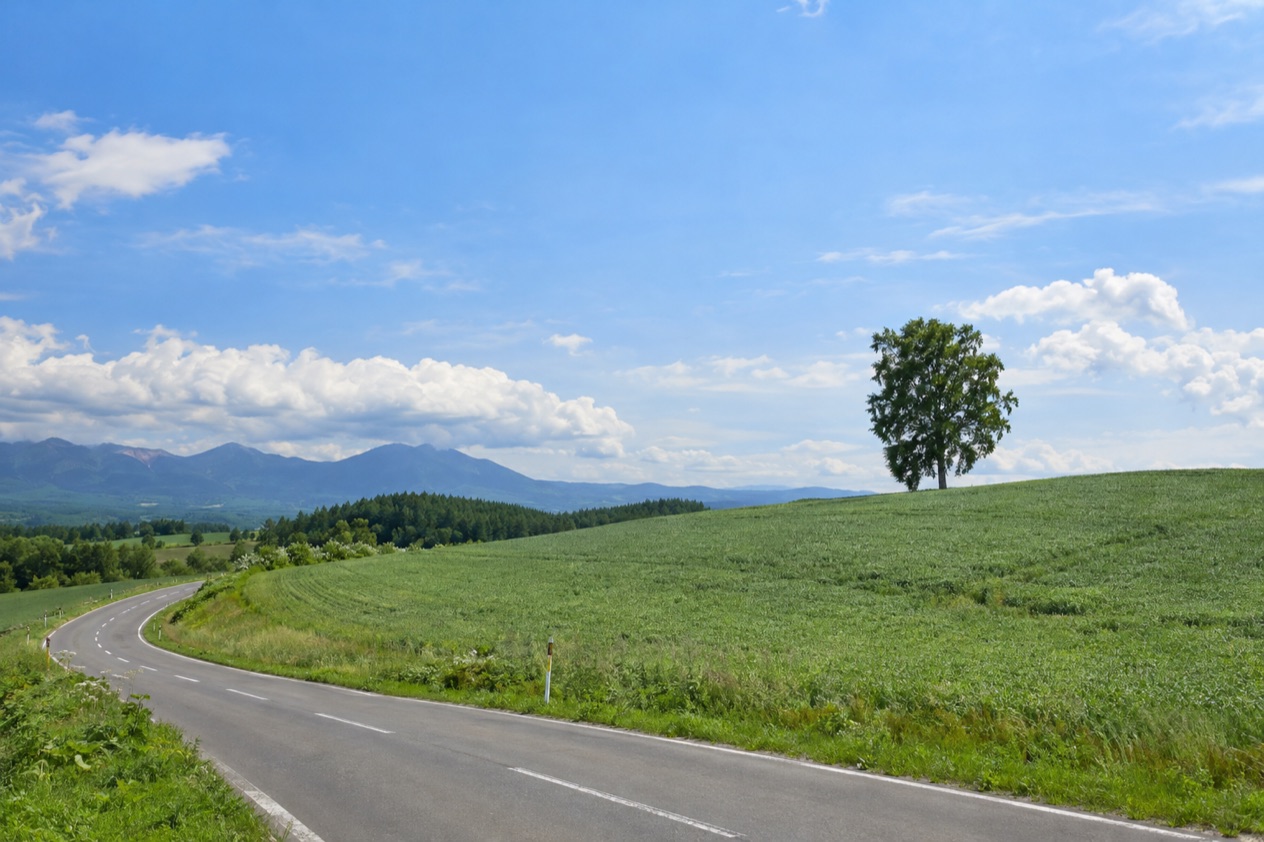
As the weather warms into early summer, the countryside around Furano and the wide landscapes of the interior turn green. It is a good moment for easy-going drives and for sampling dairy, asparagus and other produce. Rain gear belongs in the bag, since showers are part of the rhythm of the season.
Summer and autumn: outdoors, flowers and the harvest table
Summer is the time for trekking, outdoor activities and the flower fields that people picture when they think of Furano. Otaru’s canal is lovely when the gas lamps come on, and the stone warehouses glow in the evening. Hokkaido also offers Ainu and Jomon culture, so museums and cultural sites add depth to a trip between nature stops.
Autumn brings cooler weather, and Japan generally becomes milder after summer, which suits long walks. The harvest fills menus with salmon roe, mushrooms, squash, potatoes and sweet fruit. Colors begin to turn in the hills, though dates vary by place and are not worth promising. Hot springs feel especially good once the air cools, which makes this a fine time to combine hiking with a night at an onsen.
Winter: snow, skiing and steaming baths
Winter is when Hokkaido shows its biggest draw. The ski season generally opens in December and runs until April, and peak season falls in January and February. Niseko and nearby ski resorts form the winter sports area known well beyond Japan. Off the slopes, an outdoor hot spring in falling snow is a defining pleasure of the season.
Cities take on a different character too. The Sapporo Snow Festival is a winter event, with snow sculptures and lights to see. Otaru’s canal looks especially atmospheric after dark. Keep in mind that during the New Year holidays many restaurants and attractions close, so plan meals and visits around that stretch.
When is Hokkaido least crowded?
The quieter stretches of the year are the ones outside the main holiday weeks and the winter ski peak. Hokkaido draws visitors for its skiing, its festivals and its summer landscapes, so the busiest times tend to cluster around those.
In winter, January and February are the peak of the ski season, when snowfall is most frequent and the mountains are at their busiest. Resort towns around Niseko are the places to feel that most. The New Year holidays bring a different kind of pressure: many restaurants and attractions close, so travelers are likelier to find limited options than a full crowd.
Spring and autumn are the shoulder seasons, when travel happens at a gentler pace. In spring, cherry blossom viewing brings people to parks, but away from the blossom spots there is more room to move. In autumn, the milder weather invites long walks, and the foliage areas gather visitors while the rest of the island stays relaxed.
If you want space, look at the edges of the main seasons, such as the end of the ski season in spring or the weeks after the summer rush. Regions away from Sapporo, such as eastern Hokkaido around Kushiro or the northern area around Asahikawa, also let you step away from the busiest routes.
Which months should you avoid in Hokkaido?
No month needs avoiding outright, but some suit particular plans poorly: deep winter if you dislike cold and snow, and the New Year holidays if you want restaurants and attractions open.
Winter brings heavy snow to the northern regions of Japan, and Hokkaido is among them. If you are not skiing or enjoying snow scenery, that weather can slow travel plans and make walking sightseeing less appealing. For travelers who love winter, it is the reason to come, so the same months can be the best or the worst depending on taste.
The New Year holidays are the clearest case. Many restaurants and attractions close during that time, so a trip built around dining and sights may find fewer doors open. Travelers who plan around closures, or who simply want to rest and soak in an onsen, will manage well.
Spring and autumn change from year to year. Cherry blossoms and fall colors follow their own timing, and the exact week is never certain. If seeing blossoms or leaves is the point of your trip, build in flexibility and enjoy the walk even if the trees are early or late. A raincoat is sensible in any warm month, since showers can come through.
Festivals and events in Hokkaido through the year
Winter: snow, lights and the New Year
The Sapporo Snow Festival is the winter event most closely tied to Hokkaido. Snow and ice sculptures appear in the city, and people stroll through them in thick coats, stopping for hot drinks and street snacks. It is a fine reason to schedule a visit to the city while the ski resorts are in full swing.
Otaru adds its own winter mood, with the canal and its gas lamps creating a nostalgic scene after dark. New Year is a family occasion in Japan, with shrine visits and special meals. Many restaurants and attractions close during the holidays, so travelers who arrive then often find a slower rhythm and plan meals ahead.
Spring and summer: blossoms, flowers and open-air events
Cherry blossom season is the great gathering of the spring. Parks fill with people sitting on blankets, sharing bento and watching the petals fall. The timing is not fixed, which is part of the charm, and locals follow the news of the first blooms with interest.
Summer is a season of outdoor festivals, dance events and concerts, often in Sapporo’s parks and along the waterfront. In the countryside around Furano the flower fields are the main event, and craft villages like Ningle Terrace are good places to browse between viewpoints. Evenings are long enough for open-air dinners and a night stroll.
Autumn: harvest tables and mountain color
Autumn in Hokkaido is a food season. Food fairs bring regional specialties together, such as seafood, grilled meats, potatoes, corn and sweet dairy treats. Markets and harbor towns are good places to taste what the island grows and catches.
Alongside the food, the hills begin to change color. Hiking trails, hot spring towns and lakeside roads become the places to be, and onsen baths feel especially welcome once the air cools. Dates for leaf color differ from place to place, so treat them as guidance, and let the season set the pace of the trip.
Sources
- Japan National Tourism Organization, Hokkaido (https://www.japan.travel/en/destinations/hokkaido/hokkaido/), checked October 11, 2026
- Hokkaido Love, the official Hokkaido tourism site (https://www.visit-hokkaido.jp/en/), checked October 11, 2026
- Hokkaido Love, what to see and do (https://www.visit-hokkaido.jp/en/spot/), checked October 11, 2026
- JR Hokkaido, Rail passes and tickets (https://www.jrhokkaido.co.jp/global/english/ticket/index.html), checked October 11, 2026
- Japan National Tourism Organization, autumn in Japan (https://www.japan.travel/en/guide/autumn-guide/), checked October 11, 2026
- Japan National Tourism Organization, spring in Japan (https://www.japan.travel/en/guide/spring-guide/), checked October 11, 2026
- Japan National Tourism Organization, skiing guide (https://www.japan.travel/en/guide/skiing/), checked October 11, 2026
- Japan National Tourism Organization, winter in Japan (https://www.japan.travel/en/guide/winter-guide/), checked October 11, 2026