
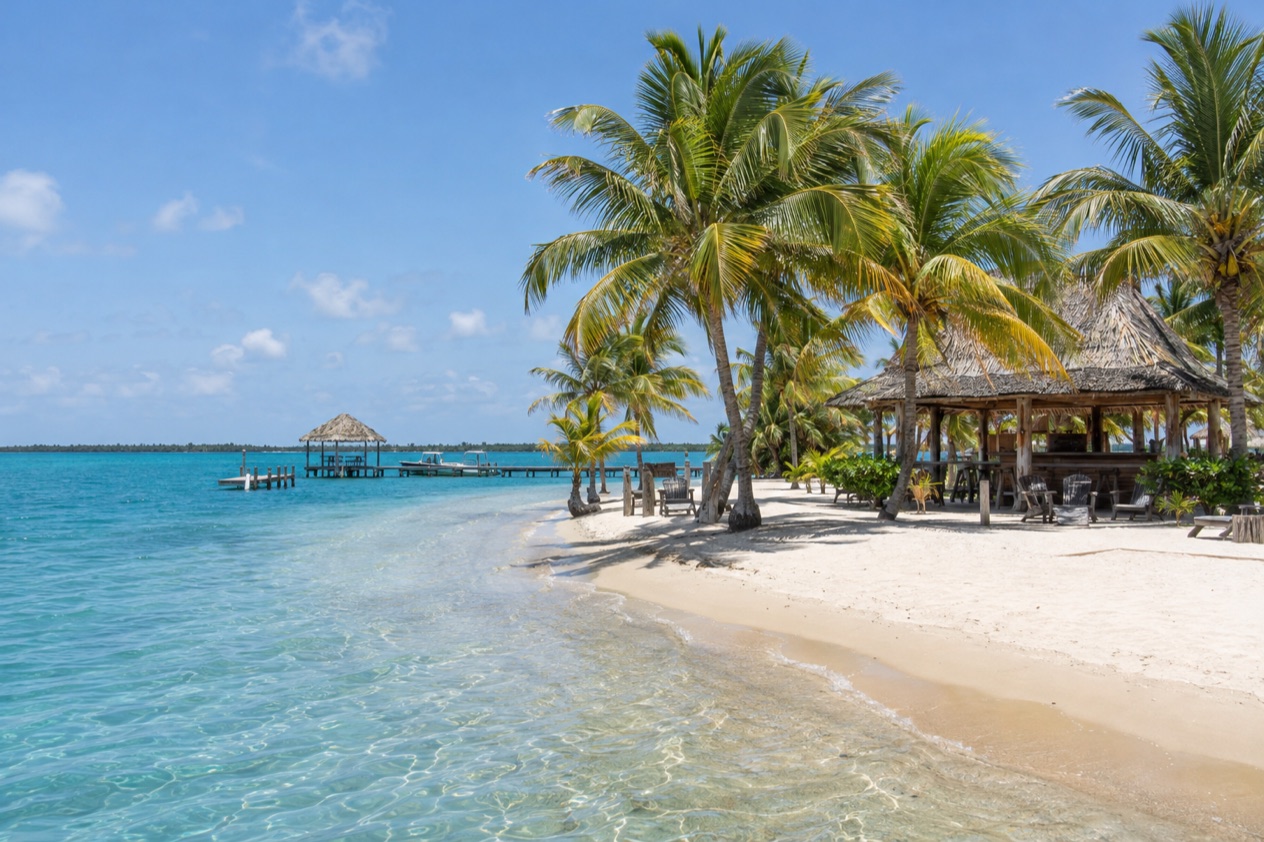
Placencia is a village where the main street is a concrete sidewalk, lined with small shops, restaurants and bars, and where the day ends at the shoreline with the sea in front of you. It is a tourist village of about 1600 people at the southern tip of a long peninsula in the Stann Creek District.
Visitors come for the reef, the slow pace and the beach walks. The honest question is how far that easygoing feel should lower your guard.
Is Placencia safe to visit?
Placencia is a small, welcoming village, but no trip to Belize is free of risk, and sensible habits matter here as they would anywhere. The U.S. government says isolated incidents of violent crime in Belize can happen even during the day and in tourist areas. That is a country-wide statement, and it does not single out Placencia, but it is the reason to treat the village’s relaxed mood as a pleasure and not as a guarantee.
The crimes the U.S. government lists for Belize include sexual assault, home invasions, armed robberies and murder. Much of the serious violence is linked to gangs, and it has historically been concentrated on the south side of Belize City, not on the peninsula.
Still, local police lack the resources and training to respond effectively to serious crimes, and most crimes remain unresolved and unprosecuted. In practice, that means prevention is worth more than any hope of recourse afterward.
Women traveling alone or in small groups are described as targets for sexual assault in Belize, even in tourist areas, and sexual harassment of people traveling alone or in small groups has been reported. If that is your situation, plan your evenings with that in mind and keep your own transportation arranged.
Health is the other half of safety. Emergency medical services in Belize are usually unavailable or significantly delayed, and serious injuries or illnesses normally require medical evacuation to another country.
Appropriate treatment is typically found only in or near major cities, and first responders may not be available outside them. The State Department strongly recommends supplemental insurance that covers medical evacuation. Most hospitals and doctors do not accept U.S. health insurance, and Medicare and Medicaid do not apply overseas.
For a crime, dial 911 for local police and contact the U.S. Embassy at +501 822-4011. The embassy can also help replace a lost or stolen passport.
Safety by area in Placencia
Placencia village and the Sidewalk
The village is the heart of the peninsula’s visitor life. The Sidewalk is a concrete, pedestrian-only path that runs most of the length of the village and ends at the seashore, with many businesses along it. Walking it means no traffic beside you, and it is where you will pass restaurants, shops and the people who work in them.
The U.S. government notes that violent incidents in Belize can occur by day and in tourist areas, so the usual habits apply even on a pleasant path: keep phones and bags close, and pay attention to who is around you after dark. Visitors traveling alone or in small groups should take particular care, given the reports of harassment and assault described for the country.
Seine Bight and the peninsula road
Seine Bight is a village on the Placencia Peninsula, north of Placencia village and 2.5 miles south of Maya Beach Village. At the 2010 census it had 1,310 residents, and the largest group was Garifuna at just over 71 percent, followed by Mestizo residents. It is a community with its own Garifuna identity, so treat a visit as a visit to someone’s neighborhood.
The peninsula is reached and traveled by road, and driving at night is strongly discouraged in Belize. Roadside assistance is frequently unavailable, which is one more reason to plan trips between villages for daylight.
Belize City’s south side, on the way in or out
Many trips to Placencia pass through Belize City at some point. The south side of the city has historically had the highest concentration of violent crime in Belize, and the State Department advises reconsidering travel there. U.S. government employees are strongly discouraged from going to the area between the Haulover Creek Canal and Fabers Road.
That is a reason to keep any stopover in the city purposeful and out of that district. Placencia itself is a long way in character from it, but the warning is worth knowing before you plan connections.
Common scams and how to avoid them
Credit card fraud is the scam the U.S. government names most clearly for Belize. Several fraud rings are believed to be active in the country, particularly in San Pedro, on Ambergris Caye. The simple way around it is to keep your card in your sight when you pay, check statements while you travel, and carry a second way to pay in case one card is blocked.
Real estate investment scams have also been reported in Belize, with tactics that include false promises of amenities and misleading sales tactics. A peninsula of beach villages and resorts is exactly the setting where a friendly pitch for a lot or a condo can turn up. The easy defense is to treat any sales presentation as a conversation and not a commitment, and to make no decision while you are on vacation and relaxed.
Counterfeit and pirated goods are another trap. If you bring them back to the United States, you may face fines and may have to give them up.
Be careful with strangers who become very friendly very quickly, especially at night or when you are alone. Given the reports of sexual harassment and assault involving people traveling alone or in small groups, accepting drinks or rides from someone you just met is the situation to avoid. If something does go wrong, the police number and the embassy contact are in the first section.
Getting around safely
Road conditions in Belize range from two-lane paved roads to dirt or gravel tracks, so the road you take to Placencia and the road you take afterward may feel very different. Drivers operate on the right side of the road, as in the United States.
Driving at night is strongly discouraged. Roadside assistance is frequently unavailable, and emergency help can be significantly delayed, so a breakdown or a collision after dark is a much bigger problem than it would be at home. Plan your arrival and your departures between villages in daylight.
If you drive, valid U.S. or international driver’s permits are accepted in Belize only for a period of three months after initial entry, which comfortably covers a vacation. On foot, the Sidewalk in the village is a pedestrian-only path, which makes short walks between your meals, shops and the shore simple.
Accessibility deserves a word. The law in Belize does not provide for accessibility for people with disabilities, and most public and private buildings and transportation are not accessible. Travelers who use a wheelchair or have limited mobility should plan for that with their lodging and their transportation well before arriving.
Beach, water and weather safety
The Placencia Peninsula ends at the sea, and the water is the reason most people come. The longest barrier reef in the northern hemisphere lies a 45-minute boat ride off the coast, and Laughing Bird Caye, a National Park and World Heritage Site, is even closer. Boat outings are part of life here, so remember that emergency medical care is far away if something goes wrong at sea, and that your insurance should cover evacuation.
The Atlantic hurricane season runs from June 1 to November 30, and Placencia has a vivid memory of what that can mean. Hurricane Iris hit southern Belize on October 8, 2001, with 145 mph winds and caused major damage to nearly 95 percent of the buildings in the village. Travel in these months deserves a flexible plan and an eye on forecasts, and a month outside the season is simply outside the official dates.
Mosquito-borne illness is a real consideration. The CDC identifies Belize as a Zika risk area, and dengue fever, malaria, leishmaniasis, diarrheal illness and New World screwworm are also prevalent in Belize. Insect repellent and long sleeves in the evening are sensible, and care with food and drinking water helps with the stomach troubles.
Many hotels and lodgings in Belize are not equipped with carbon monoxide detectors, even where they contain sources of the gas. A small battery-powered detector in your luggage is a cheap precaution. Specialized prescription medications may be completely unavailable in Belize, so bring what you need with you.
Good to know before you go
The U.S. State Department rates Belize Level 2, “Exercise increased caution”, because of crime, and says the south side of Belize City has historically had the highest concentration of violent crime.
The practical safety of a Placencia trip comes down to a few habits: keep your card in sight, avoid driving after dark, stay out of the south side of Belize City, and carry insurance that covers medical evacuation. The Department of State and U.S. embassies do not pay medical bills for U.S. citizens in Belize. Travelers should remember that most hospitals and doctors here do not accept U.S. health insurance.
LGBTQ+ travelers will find that there are no legal restrictions on consensual same-sex relations, and tourist-friendly areas such as San Pedro Town remain relatively open. Outside those areas, same-sex couples, especially men, are reluctant to display affection in public because incidents of verbal or physical assault have been reported. Human rights organizations say police have at times refused to accept reports of crimes targeting people because of their sexual orientation.
Sources
- U.S. Department of State, Belize Travel Information, Travel Advisory (Level 2) (https://travel.state.gov/), checked October 11, 2026
- U.S. Department of State, Belize Travel Information, Safety and security (https://travel.state.gov/), checked October 11, 2026
- U.S. Department of State, Belize Travel Information, Local laws and special circumstances (https://travel.state.gov/), checked October 11, 2026
- U.S. Department of State, Belize Travel Information, Health (https://travel.state.gov/), checked October 11, 2026
- U.S. Department of State, Belize Travel Information, Traveling and transportation (https://travel.state.gov/), checked October 11, 2026
- U.S. Department of State, Belize Travel Advisory, Level 2, March 11, 2026 (https://travel.state.gov/), checked October 11, 2026
- Wikipedia, Placencia (https://en.wikipedia.org/wiki/Placencia), checked October 11, 2026
- Wikivoyage, Placencia (https://en.wikivoyage.org/wiki/Placencia), checked October 11, 2026
- Wikipedia, Seine Bight (https://en.wikipedia.org/wiki/Seine_Bight), checked October 11, 2026
- NOAA National Hurricane Center, Climatology (https://www.nhc.noaa.gov/climo/), checked October 11, 2026
To plan your stay
- Best Time to Visit Placencia: Dry Season, Whale Sharks, Sea Temperatures and Hurricane Months
- Things to Do in Placencia: Reef Days, Whale Sharks, Garifuna Culture and Where to Eat
- Where to Stay in Placencia: The Village, Seine Bight, Beachfront Resorts and How to Choose
- Placencia from Belize City: Flights, Rental Cars and What Waits on the Peninsula