
On a November morning, before the day gets going, Dewey’s small harbor is wide awake already, with pelicans busy on the water, a ferry ramp clattering, and golf carts heading for the beaches, towels snapping from the roll bars. After the summer crowds have gone, Culebra takes on a calmer rhythm, with gentle light and water that stays as warm as a bath. November in Culebra suits travelers who want long beach days, snorkeling and a slow pace on one of the quietest islands in the Caribbean.
What is the weather like in Culebra in November?
November in Culebra is warm, humid and a little showery, with the heat easing slightly as the drier season approaches.
| Month | Average high (°F) | Average low (°F) | Rain days | Sea (°F) |
|---|---|---|---|---|
| October | 82.4 | 79.4 | 12.8 | 86.6 |
| November | 81.1 | 78.4 | 10.6 | 84.4 |
| December | 79.6 | 77.3 | 4.9 | 81.9 |
Mornings start warm and bright, and by midday the sun is strong enough that shade, a hat and a cold drink become part of the plan. Afternoons are the time for the water, and a breeze off the Atlantic usually takes the edge off the heat. You can eat dinner outdoors in a T-shirt because the evenings remain warm, so a sweater is not required.
Rain comes mostly as passing showers, the kind that darken the sky for twenty minutes and then move on, leaving the island steaming and green. Roughly a third of the days see some rain, but a day with a real downpour is rare. Because the island is small and low, showers tend to cross it quickly rather than settle in.
Pack for sun first and showers second. The days are long enough for a full beach morning and a late-afternoon walk, with about eleven hours of daylight. The sea is still very warm, which keeps swimming pleasant at any hour. Since November falls right at the close of Atlantic hurricane season, check the forecast before you head out.
Can you swim in Culebra in November?
You can count on water that stays comfortable for extended swims and plenty of snorkeling time, so there is no wetsuit required and no jolt when you get in.
Since conditions on the water vary from day to day and beach to beach, take a look before you step in. When you want to swim, the natural first stop is Flamenco Beach, a wide crescent of pale sand and clear water that stays shallow at your knees. Should you spot a flag, a sign, or a lifeguard, follow its guidance, and never assume one will be present.
If you want to snorkel, the west-side spot to head for is Tamarindo Beach, where green sea turtles can frequently be watched grazing above the seagrass, though seeing them is never guaranteed. Just past the sand at Carlos Rosario Beach sits a coral reef, a brief walk away from Flamenco, and that makes it perfect for anyone who wants to spot fish while staying close to shore. Stretching along the island’s eastern tip, Zoni Beach offers plenty of space and calm, ideal for those who would rather have the sand to themselves than share it with a crowd.
Bring a mask and snorkel, a rash guard or a shirt for the strong midday sun, and sunscreen. Nervous swimmers and families do best staying close to shore and entering slowly, watching how the waves are behaving that day.
What to do in Culebra in November
November in Culebra is not a month of big festivals. Its pleasure is the island itself at an easy moment: warm water, a harbor that feels like a village again, and beaches with room to spread out. The Virgen del Carmen boat procession belongs to mid-July, so this month is about the beaches, the reefs and the slow rhythm of Dewey.
Getting around is part of the fun. Visitors move by rented golf cart or bike, and the roads wind between small hills, salt ponds and glimpses of blue water. Culebra’s size means plenty is within reach even at a leisurely pace, and that unhurried rhythm beckons you to pause anytime the scenery or the sea calls to you.
Flamenco Beach and the old tanks
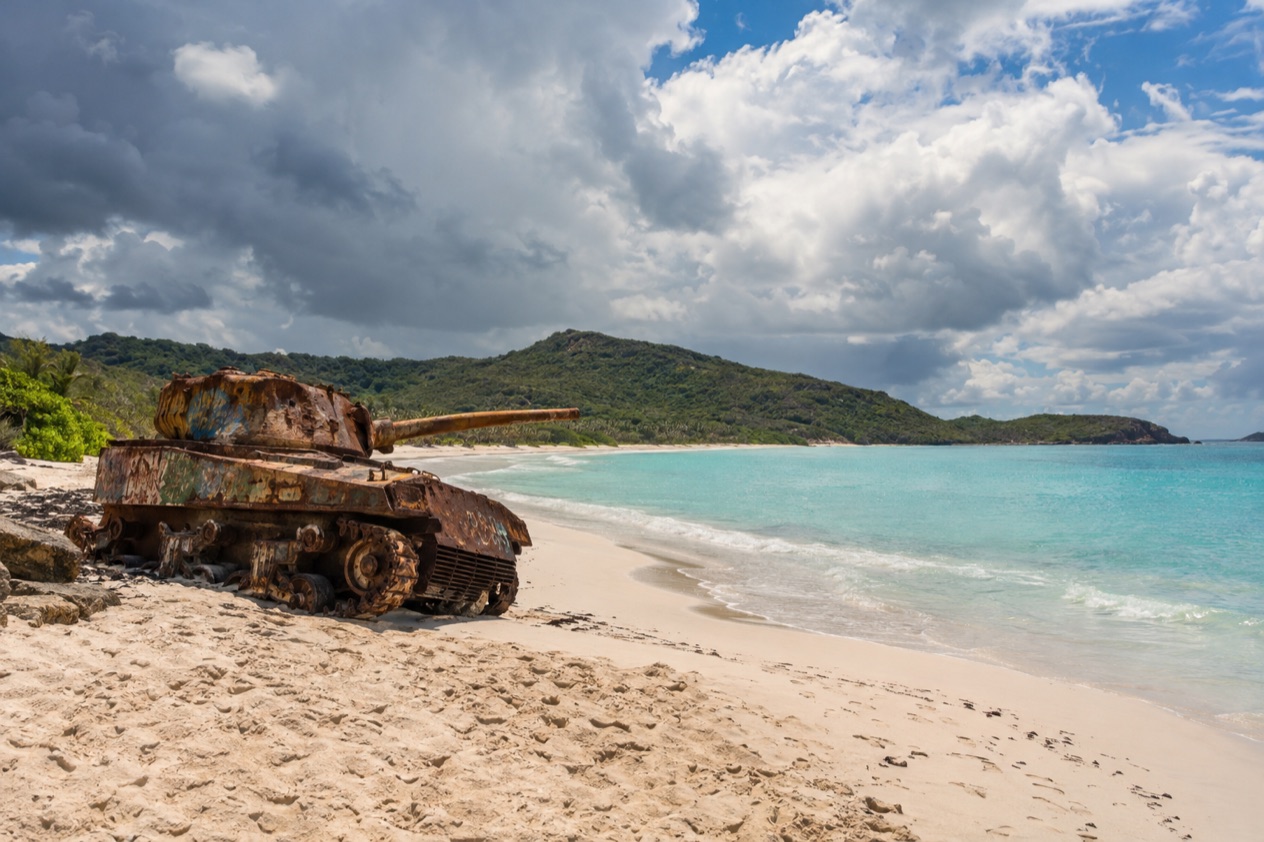
Flamenco, a wide arc of pale sand and clear, shallow water, sits within the Culebra National Wildlife Refuge. The two rusted military tanks abandoned on the sand serve as its most famous landmark, now coated in graffiti and a popular spot for photos. The beach has space for everyone, and the far ends are quieter than the middle.
Go early if you want the sand almost to yourself and softer light for pictures. Once noon arrives, the sun beats down and shade becomes a treasure, so carry an umbrella or claim a place beneath the trees at the rear of the beach. A walk from end to end is easy and gives you a different view of the bay at every step.
Culebra suits nearly everyone, from families who want a long swim to couples who just want to relax on the sand. Bring water and snacks, and check the water before entering, since conditions can shift from one day to the next.
Snorkeling at Tamarindo and Carlos Rosario
On the west side, Tamarindo Beach draws snorkelers, since green sea turtles feed there on seagrass. You float over the beds quietly, and with luck a turtle surfaces for air nearby. Keep a respectful distance and never chase or touch the animals.
At Carlos Rosario Beach, the coral reef sits near the shoreline, just a short walk from Flamenco, which keeps the fish within easy reach and means no lengthy swim is required. Morning light usually makes the water clearer and the colors sharper. Both spots reward a slow, patient approach, and a mask and snorkel of your own make the day easier.
These beaches suit confident swimmers best, though careful beginners can enjoy the shallows near shore. Keep an eye on the surf, put on a shirt for sun protection, and obey whatever flags or signs are posted.
Zoni Beach and the quiet east end
At the island’s eastern tip, Zoni Beach offers a long and peaceful expanse of sand where crowds are much thinner than at Flamenco. The drive out is part of the appeal, with sea views opening up as you leave Dewey behind. Bring a picnic here, take a long stroll beside the water, and soak up the sense that Culebra belongs to you alone.
Bring your own food, drinks and shade, since this is not a beach with services. The Atlantic-facing side can have stronger waves, so look carefully before swimming and treat it as a beach for wading and walking if the surf is up. Late afternoon is lovely here, when the light turns golden and the heat softens.
In town, Dewey is a place for a slow lunch, a cold drink by the harbor and a look at the boats. Expect simple, friendly spots serving seafood, rice and beans and fried snacks such as alcapurrias, rather than anything formal.
A two-day itinerary for Culebra in November
Day 1 is for the island’s famous beach. Start at Flamenco in the early morning, when the sand is quiet and the light is gentle, and walk to the old tanks before the crowd arrives. Swim in the clear shallows while the sun is still mild. Around midday, retreat to Dewey for lunch at a harbor-side spot, then rest in the shade while the heat peaks.
When the afternoon comes, make your way to Carlos Rosario for reef snorkeling, since the water is warm and there is still light. Finish with a drink back in town and dinner outside, as the evenings stay warm. Sunset comes early enough in November that you can see it and still have a relaxed evening. Should a downpour arrive, duck into a café by the harbor and let it blow over, because these usually move through fast.
Day 2 heads out to the quiet side. Drive your golf cart or ride a bike to Tamarindo in the morning, when the water is clearest, and spend time snorkeling over the seagrass for a chance at turtles. Eat a picnic or a simple lunch afterward and rest under the trees.
Later in the day, head on to Zoni, where you can take a long stroll and find a peaceful patch of beach, then come back ahead of nightfall. Dinner in Dewey ends the day. On a rainy day, spend the hours in a café or on a porch, then go out again when the sky clears.
Is Culebra busy in November?
Culebra is usually calm in November, quieter than in the summer and the long holiday weeks that follow.
The month sits between the summer rush and the Christmas and New Year travelers, so beaches have room and the town feels relaxed. Flamenco still draws the most people, especially around midday, while Zoni and Tamarindo stay calmer. The Thanksgiving week is likely to bring more mainland visitors, so it is a good moment to book ahead.
Rooms, golf carts and restaurant tables are limited on such a small island, so booking early is a sound habit for any month, and earliest for holiday weeks. For quieter weeks in November, a little more flexibility is usually possible, though the best rentals can still go first. Ferries from Ceiba are the public route, so plan your timing around them.
If you want the calmest beach hours, go early and head to the quieter beaches in the afternoon. The island rewards a slow plan, and arriving with your accommodation and transport arranged makes the stay easier.
What to pack for Culebra in November
Pack light and for sun, water and the odd shower, since days are warm and the island is casual.
- Swimsuits and a quick-dry shirt, for long days in and out of the water
- For snorkeling the reefs and the turtle beaches, bring a mask and snorkel
- Sunscreen and a hat, since the midday sun is strong
- A light rain jacket or poncho, for passing showers
- Sandals or water shoes will help with hot sand and stony entries
- For golf cart outings, bring a dry bag so your phone and wallet stay protected.
Good to know before you go
The Atlantic hurricane season ends on November 30, so as your trip gets closer, stay tuned to the National Hurricane Center and local official alerts. Dewey is Culebra’s only town, and with a quiet harbor, no big resorts, and rental golf carts and bikes, that is how visitors make their way around.
Public ferries run to the island from Ceiba, and a short flight touching down on the opposite shore is another option. Travelers holding U.S. citizenship can leave their passport and visa at home, and every price you see is in U.S. dollars.
Culebra in November vs October and December
Moving the trip four weeks earlier brings a slightly hotter, wetter island and an even warmer sea, at the heart of the hurricane season. October has more rainy days, and the sea is a touch warmer, which suits people who want the warmest water. Travelers who accept a few more showers and some storm uncertainty will find it quiet.
Moving four weeks later brings noticeably less rain, a cooler breeze and a sea that is a little less warm but still pleasant. December also opens the Christmas season, which fills the island with more visitors and a festive mood, and rooms are likely to be harder to find. Those who want drier days and holiday atmosphere should look at December.
November suits people who want warm water, fewer crowds and a balance between the two. Choose October for the warmest sea and the quietest island, December for the driest weather and festive spirit, and stay in November for the middle path.
Is November a good time to visit Culebra?
Sure, November suits beachgoers, snorkelers, and anyone seeking a calm, warm island free of summer or holiday crowds.
It suits travelers who like unhurried days, long swims and simple meals by the harbor. It is less ideal for anyone who wants guaranteed dry weather or a lively festival calendar, since showers do pass through and the big celebrations fall in other months. Those who dislike heat and humidity may also prefer a cooler season.
Once you get there, park your bike or golf cart, then make a beeline for the water, because the ocean is the finest greeting this island offers. Take a first swim at Flamenco, and let the rest of the plan follow the weather and your energy. What makes November special in Culebra is the quiet warmth: a sea still like summer, beaches with room to breathe and a harbor town that has its rhythm back.
Sources
- Open-Meteo / ECMWF ERA5, normals 1991-2020 computed for the grid cell at 18.3N 65.28W, checked October 8, 2026
- Open-Meteo Marine API, average 2015-2024, checked October 8, 2026
- sunrise-sunset.org, sunrise and sunset calculated for the 15th of the month, checked October 8, 2026
- NOAA National Hurricane Center, Climatology (https://www.nhc.noaa.gov/climo/), checked October 8, 2026
To plan your stay
- Things to Do in Culebra: Flamenco Beach, Snorkeling with Sea Turtles, Wildlife Refuge and Island Life
- Culebra from San Juan: Road to Ceiba, Ferry or Flight, and a Day on the Island
- Know Before You Go to Culebra: Getting There, Water, Beaches and Island Customs
- 3 Days in Culebra: Flamenco Beach, Snorkeling Coves and a Slow Harbor Town