
As afternoon stretches toward evening in Puerto Viejo, bikes coast along the main street carrying surfboards set across their handlebars, while from a bar close to the water comes the sound of a bass line. The smell of coconut rice and grilled fish settles over the corner as the light turns gold on the palms. This is a laid-back town on the southern Caribbean coast, shaped by its Afro-Caribbean culture, and it suits travelers who want beaches, jungle edges and good food at an unhurried pace.
What are the best things to do in Puerto Viejo de Talamanca?
The best things to do here are spending days on the beaches south of town, walking a rainforest trail where sloths and monkeys turn up, eating Caribbean food cooked with coconut, and letting the evenings fill with reggae. Nothing in Puerto Viejo asks for a rigid schedule. Most visitors find that a morning on a bicycle, a long lunch and a late swim make a full day.
The town itself is small and easy to read, with a handful of streets running parallel to the sea. The beaches stretch out along one road to the south, and the bigger outings head up or down the coast. Everything below is easy to combine, so pick a few and leave room for rain, which the Caribbean side delivers on its own calendar.
- Rent a bicycle and ride the coast road to the southern beaches, stopping wherever a stretch of sand or a roadside stand looks good.
- Spend a day on Playa Cocles, where the waves draw surfers and the beach bars draw everyone else.
- Walk to Punta Uva, a cove framed by forest that feels far from the main street.
- Watch the surfers at Salsa Brava, the powerful reef break just off town that is strictly for experienced riders.
- Hike the forest trail at Cahuita National Park, where sloths, monkeys and a protected coral reef share the shoreline.
- Eat rice and beans cooked in coconut milk, rondon stew and fresh fish at a family-run Caribbean kitchen.
- Take a chocolate tour on a small farm and follow cacao from the pod to the bar.
- End the evening with live reggae, a cold drink and a table under a string of lights.
Even with these in mind, the real rhythm of the place is unplanned. Some travelers arrive for a few days and find a week gone, spent between hammocks, bakeries and the sound of the surf. That drift is part of what Puerto Viejo does best.
Sights and landmarks in Puerto Viejo de Talamanca
Puerto Viejo has no grand monuments, and its sights are the texture of the town: painted wooden buildings, craft stalls, small galleries and the people who have lived on this coast for generations. The best way to see it is slowly, on foot or by bicycle, with no list of boxes to tick. A few hours in the center, plus one or two stops nearby, give a good feel for the place.
The town center and its Afro-Caribbean roots
The center is a short grid of sandy and paved lanes where bicycles outnumber cars. Wooden houses in bright colors sit beside open-air restaurants, surf shops, small bakeries and stalls selling jewelry, hand-printed cloth and carved gourds. Murals and hand-painted signs give the streets a cheerful, slightly crooked look that photographs well in the morning light.
The Afro-Caribbean heritage shows up in the food, the speech and the music. Many families trace their roots to Caribbean islands, and English-based Creole is still heard alongside Spanish. Wander the side streets in the late afternoon, when the heat eases, and you will hear reggae and calypso from open doorways and see neighbors gathering on porches.
The seafront path is the natural place for a walk at sunset. Fishing boats rest on the sand, vendors set up small tables, and the town’s slow pulse becomes easy to feel. Stop for a coconut water or a fruit smoothie and watch the waves roll toward the reef.
Wildlife rescue and chocolate farms
Just outside town, along the road to the southern beaches, a wildlife rescue center looks after injured and orphaned animals such as sloths, monkeys, owls and snakes. It is a calm, informative stop that works well for a rainy morning, and the sloths are often the favorite.
The hills behind the coast are also cacao country, and small farms offer chocolate tours. You taste the white pulp from a fresh pod, watch beans roasted and ground, and finish with warm chocolate drinks and bars. These tours are friendly, hands-on and give a clear sense of how important cacao has been to the region.
Smaller stops round out an afternoon: a craft market, a reggae record stall, a coffee shop that doubles as a gallery. None is essential on its own, but together they explain why the town has held its character against the pull of bigger resorts.
Beaches and outdoor things to do in Puerto Viejo de Talamanca
The beaches of Puerto Viejo are wide, palm-lined and wilder than the resort strips elsewhere in Costa Rica, with dark sand near town and paler, cove-like stretches farther south. The surf may run heavy, and rip currents are extremely hazardous, causing several drownings of U.S. tourists in Costa Rica each year. Check the flags and ask at your lodging about the day’s conditions before going in.
Playa Cocles
Playa Cocles is the social beach, a long arc of sand a short bike ride from town. Waves roll in steadily, making Playa Cocles a good place to watch surfers from the beach. Beach bars and small restaurants line the road behind the sand.
Mornings are best for a quiet walk and for surf lessons, when the crowd is thin and the sea is often tidier. By afternoon the beach fills with sunbathers, dogs and groups playing football. Because the surf can be rough, it is a place for admiring the waves and wading carefully rather than swimming out far.
Punta Uva
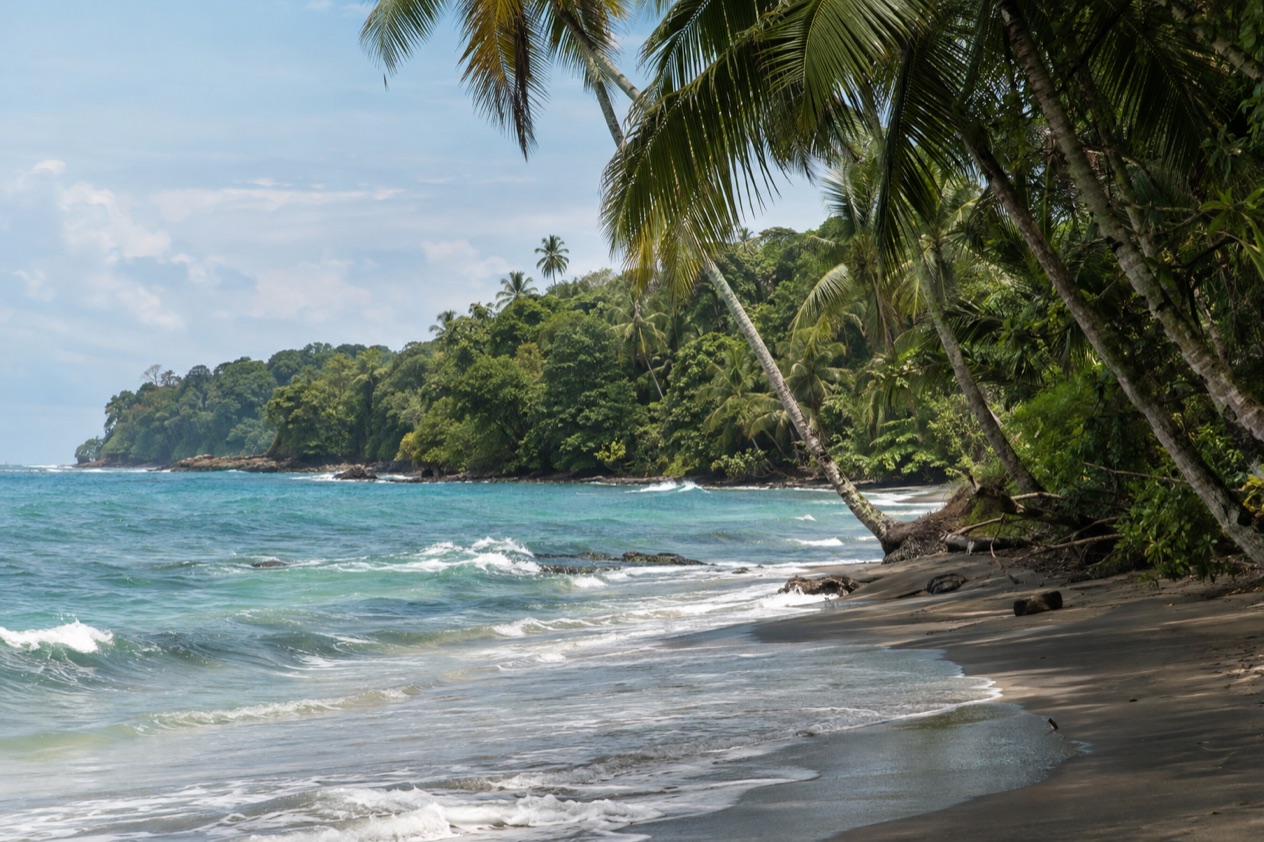
Punta Uva sits farther down the coast road and feels like a postcard of the Caribbean: palms leaning over pale sand, a rocky point, and forest running right to the edge of the beach. It is quieter than Cocles, with fewer buildings and more birdsong. Many visitors come for a picnic and a full afternoon, arriving by bicycle or taxi.
The cove-like shape of the shore can soften the water on some days, but conditions change, so treat it like any other beach on this coast and look at the sea before entering. The point is a good spot for looking at the reef and the shoreline forest. Bring water and sun protection, because shade is patchy on the open sand.
Salsa Brava and surfing
Salsa Brava is the wave that put Puerto Viejo on the surfing map. Right near town, this wave peels across a shallow reef and welcomes only seasoned surfers. Even for non-surfers, it is thrilling to watch from the shore as sets roll in and riders paddle out, especially when the swell is up.
If you are new to surfing, stay with the gentler beach breaks and a local instructor. The reef beneath Salsa Brava is unforgiving, and the break is not a place for experiments. Watching from the sand with a drink is a fine way to enjoy it.
Other outdoor pleasures
Beyond the beaches, the coast road is made for cycling, with shaded stretches, small bridges and views of the sea through the trees. Birdwatchers can scan the forest edges for toucans, parrots and herons, and early morning is the best time. Kayaking, horseback riding and guided jungle walks are offered by local operators, and rainy days suit the wildlife rescue and chocolate farms better than the sand.
Day trips from Puerto Viejo de Talamanca
The best day trips from Puerto Viejo head up the coast to Cahuita, down the coast to the quiet far end of the road, and into the hills to indigenous communities and cacao farms. Each gives a different side of the Caribbean region, and each pairs easily with a late afternoon back on the beach.
Cahuita National Park
Cahuita National Park combines a forest trail along the shore with beaches and a coral reef, and it is known for sloths and monkeys. The path follows the coastline beneath tall trees, with the sea glimmering on one side and the rainforest on the other. You may see white-faced and howler monkeys, raccoons, iguanas and, with a sharp eye or a guide, a sloth hanging in a cecropia tree.
The most intact coral reef in Costa Rica’s Caribbean lies within this park, which stands out too for a tight bond with the neighboring community, since residents and the government run it together. That gives the place a friendly, local feel. Go early in the day, when animals are most active and the air is cooler, and plan to walk at an easy pace with frequent stops.
Humid heat and rain can make the walk more demanding. Rules and access for the park can change, so check the park’s official page before you go. After the walk, the town of Cahuita has simple restaurants where a plate of rice, beans and fish makes a fine reward.
Manzanillo and the far end of the coast road
South of Punta Uva, the road continues toward the village of Manzanillo and the Gandoca-Manzanillo wildlife refuge. This is the quietest, greenest stretch of the coast, where forest meets sand and the villages are tiny. It is the place to go when even Puerto Viejo feels busy.
Cyclists enjoy the road because of the scenery, but the heat can be heavy, so start early and carry water. Travelers who like wild, empty shorelines tend to love it.
Indigenous territories and cacao country
The mountains behind the coast are home to the Bribri and Cabecar peoples, whose communities have long grown cacao and kept forest traditions alive. Some community-run tours introduce visitors to medicinal plants, cacao preparation and the history of the territory. These visits are most meaningful when led by community members themselves.
A typical outing includes a walk through the forest, a demonstration of how cacao is turned into a drink, and a meal of local ingredients. It suits curious travelers who want more than a beach day, and families with older children who enjoy hands-on stops. Wear light long sleeves, closed shoes and bug repellent, as trails can be muddy.
Ask your lodging which are running, since local operators adjust to the sea and the weather.
What to eat in Puerto Viejo de Talamanca
Eating in Puerto Viejo means Caribbean cooking: coconut milk, fresh fish, spice and slow-simmered stews, a different register from the casados and gallo pinto found in the rest of Costa Rica. Meals arrive on simple plates in open-air kitchens, often with a view of the street or the sea. The best ones taste like home cooking, and that is how locals treat them.
Rice and beans, rondon and fresh fish
The Caribbean version of rice and beans is cooked in coconut milk and seasoned with thyme and a little hot pepper, giving the dish a richness that sets it apart from the plain version elsewhere. It is served with chicken, pork or fish and often with fried plantains. Many restaurants offer it as a daily plate and it is easy to love.
Rondon is the signature stew of the coast, a pot of fish or seafood simmered with coconut milk, root vegetables, plantain and spices. It is hearty, fragrant and best eaten slowly. Fresh catches, such as snapper and mahi-mahi, are grilled, fried or served in coconut sauce, and ceviche appears on many menus as a lighter option.
Bakeries, snacks and sweets
Morning here begins at the bakeries, where you find pan bon, a spiced, fruit-studded bread, along with coconut bread, ginger cookies and pastries. Patis, small turnovers filled with spiced meat, are the classic snack, often sold from a roadside counter and eaten warm. Coconut cake and sweet cakes made with ginger and molasses turn up as dessert.
Fresh fruit is everywhere, from pineapple and papaya to mango and passion fruit, blended into smoothies or served in bowls. Cold coconut water is sold from stands near the beaches, and the heat makes it the right drink at any time of day. Local chocolate, from the nearby cacao farms, is sold in bars and as a drink.
Where to eat
Small family-run kitchens, called sodas in Costa Rica, serve the most traditional plates, while the main street holds a wider range, including pizza, sushi, vegetarian cafes and international fusion. Beach restaurants offer a table with the sound of waves and are pleasant for a long lunch. Many places are open-air and relaxed, so shorts and sandals are normal.
For a taste of the whole coast, try a Caribbean plate at lunch, a bakery stop in the morning and fresh fish at night. Pair a spicy dish with a cold local beer or a fruit juice, and save room for a coconut sweet.
Things to do in Puerto Viejo de Talamanca at night
Nights in Puerto Viejo are relaxed and musical, built around open-air bars, reggae and long dinners rather than clubs and dress codes. The town stays lively after dark but never feels frantic. Most evenings begin with sunset on the beach, then drift toward a restaurant and a bar where the music is already playing.
Reggae, live music and beach bars
Reggae is the soundtrack of the town, played from speakers on the street and live in bars that open onto the sand. Calypso, dancehall and Latin rhythms mix in, and on some nights a band or a DJ draws a crowd. The mood is friendly and mixed, with surfers, locals and travelers sharing the same floor.
Beach bars near Playa Cocles and along the main street serve cocktails, local beer and rum drinks, often with fruit juices and a touch of spice. Check posted schedules for live music or themed nights, as these shift through the week. Arriving at sunset gives you a seat and the best light.
Dinner and quieter evenings
Many visitors treat dinner as the main event, choosing a restaurant for grilled fish, Caribbean stew or a pizza from a wood oven. Tables are often set under thatched roofs or string lights, and meals stretch long. After dinner, a stroll back along the seafront or a quiet drink on a porch is enough.
If you prefer calm, many lodgings have hammocks, gardens and the sound of frogs and insects, which become loud after dark. Some jungle lodges also offer guided night walks, where flashlights reveal frogs, insects and other nocturnal animals. These are best arranged through your lodging.
The U.S. State Department notes that petty crime is common throughout the country, so keep valuables out of sight on the beach and the street, and avoid walking dark stretches alone.
Things to do in Puerto Viejo de Talamanca with kids
Children usually love Puerto Viejo for its animals, its bicycles and its easygoing beaches, and the best family days mix a little nature with a lot of play. The town is informal, with restaurants that welcome noisy tables and lodgings that often have gardens and pools. The biggest planning questions are heat, sun and the sea.
Animals and nature
The wildlife rescue center near town is a top choice for families, since guided walks let children see sloths, monkeys and other animals up close and hear their stories. At Cahuita National Park, the shaded forest trail gives children a chance to spot monkeys, iguanas and sometimes a sloth. Keep expectations loose, as animals are never guaranteed.
A chocolate farm tour is another hit, because children can taste the fresh cacao pulp, grind beans and sip a warm chocolate drink. Short forest walks around the lodges, with frogs, butterflies and birds, keep younger children interested without tiring them out.
Beaches, bikes and play
Sandy beaches such as Cocles and Punta Uva suit sandcastles, shell hunts and picnics. Because waves and rip currents can be strong on this coast, keep children close to the shore, stay with them in the water and look at the flags before anyone goes in. Hold off on the idea that any beach here is automatically gentle.
Bicycles are part of the fun. Older children can ride the flat coast road with an adult, while younger ones may enjoy a bike seat or a short taxi hop. Start early, take frequent breaks and carry water, since the humid air can tire small riders quickly.
What to keep in mind
The Caribbean sun is strong even under clouds, so pack hats, sunscreen, light long sleeves and insect repellent. Plan outdoor activities for the morning and leave the hottest hours for a long lunch, a swim at the lodging pool or a nap. Rain can arrive suddenly, so keep a light rain jacket handy and have an indoor option such as the rescue center or a bakery stop.
Food is rarely a problem, since rice, beans, plantains, fruit and grilled fish are easy for most children. Distances between beaches are short but involve roads without sidewalks, so a taxi is often easier than walking with tired children at the end of the day.
Good to know before you go
The U.S. State Department rates Costa Rica Level 2, ‘Exercise increased caution,’ due to crime; it says petty crime is common throughout Costa Rica and that violent crime also affects tourists, including armed robbery, homicide and sexual assault.
Puerto Viejo is easy to get around by bicycle, on foot and by short taxi rides, and most of the beaches sit along a single coast road. The southern Caribbean coast follows a calendar of its own, with generally drier weather in September and October and once more in February and March, while the Pacific side is wet, although rain can fall in any month.
Hurricane season in the Atlantic touches this coast in theory, so check the forecast when planning. Carry some cash for small shops and roadside stands, and leave valuables at your lodging when heading to the beach.
Sources
- Costa Rica Tourism Board (ICT), Cahuita National Park (https://visitcostarica.com/where-to-go/protected-areas/cahuita-national-park), checked October 8, 2026
- Open-Meteo / ECMWF ERA5, normals 1991-2020 computed for the grid cell at 9.6558N 82.7541W, checked October 8, 2026
- U.S. Department of State, Costa Rica Travel Information, Safety and security (https://travel.state.gov/content/travel/en/international-travel/International-Travel-Country-Information-Pages/CostaRica.html), checked October 8, 2026
- U.S. Department of State, Costa Rica Travel Advisory, issued April 1, 2026 (https://travel.state.gov/content/travel/en/traveladvisories/traveladvisories/costa-rica-travel-advisory.html), read via the State Department open data API on October 8, 2026
To plan your stay
- Best Time to Visit Puerto Viejo de Talamanca: Weather, Sea and Seasons
- Where to Stay in Puerto Viejo de Talamanca: Town Center, Playa Cocles, Punta Uva and Cahuita
- Puerto Viejo de Talamanca in January: Weather, Beaches and What to Do
- Puerto Viejo de Talamanca in February: Weather, Caribbean Beaches and What to Do