
On a Caribbean morning in Puerto Viejo, bicycles roll past the reggae bars with towels over the handlebars, and the smell of coconut rice and beans drifts from the kitchens along the main road. The sky can turn from bright blue to a warm, heavy shower and back again before the coffee is finished. The town keeps its own calendar, different from the rest of Costa Rica, and each part of the year has its own mood on the beaches and in the jungle behind them.
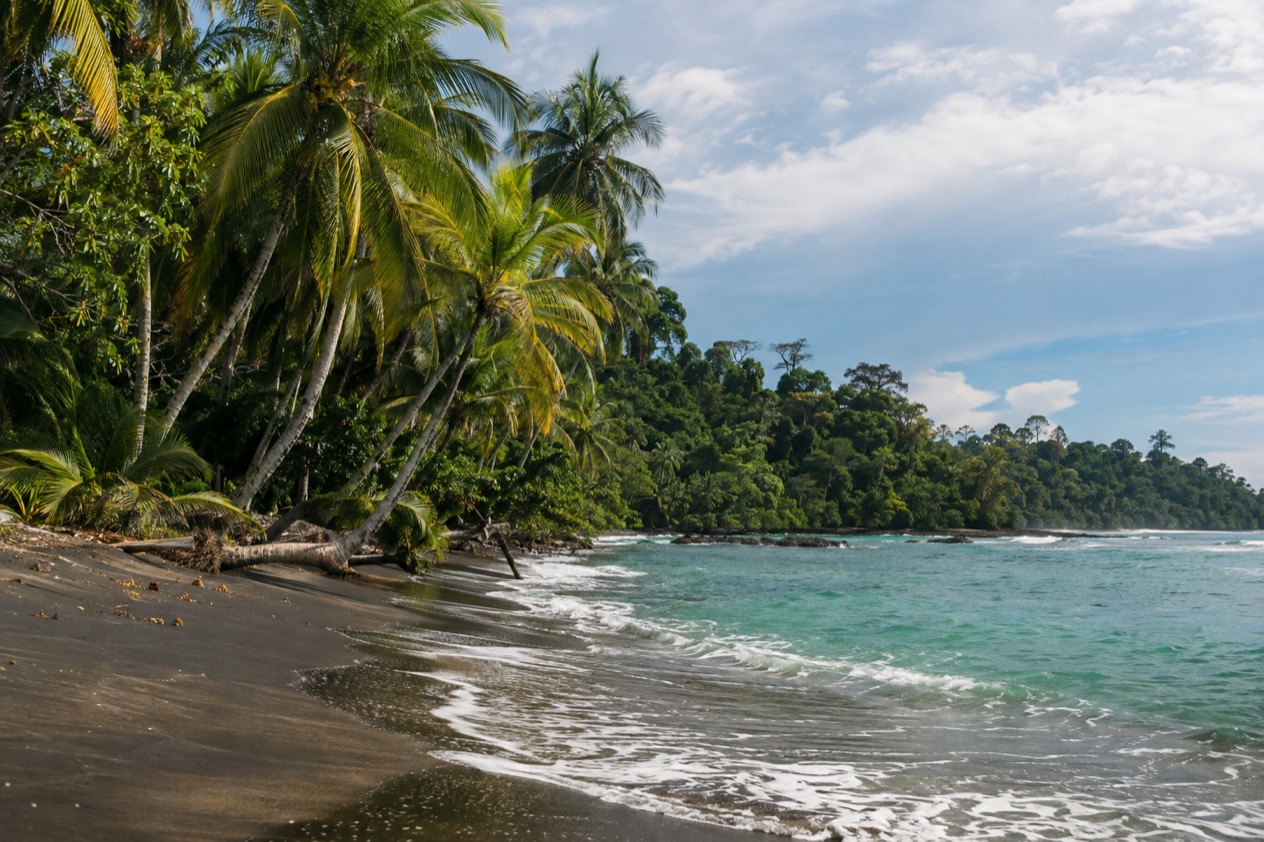
When is the best time to visit Puerto Viejo de Talamanca?
The most rewarding months are February and March, and again September and October, when the southern Caribbean coast tends to ease up on the rain while the Pacific side is wet. That is the opposite of what most visitors expect from Costa Rica, and it is the single most useful thing to know before booking. Nothing here is ever truly dry, so think of the better months as a higher chance of long sunny stretches rather than a promise.
For beach days and swimming, February and March lead the way, with plenty of sun for Playa Cocles and Punta Uva and a sea that stays warm all year. September and October are quieter and often just as pleasant, though they sit inside the Atlantic hurricane season, which runs from June 1 to November 30. For sightseeing, a day in the Cahuita area, a cacao farm visit or a rainforest walk, the same months work well, because trails are drier underfoot and the humidity eases a little.
If you want quiet streets, room to choose a place to stay and a slower pace, September and October are the natural pick. Travelers who do not mind getting wet will find the town friendly and unhurried in the green months too, with jungle at its loudest and the beaches nearly empty.
Families should know that March is spring break season for many American schools, and the beach bars and bike paths get noticeably livelier and louder. If that sounds like too much, aim for February or the early autumn weeks instead. Whatever the month, bring a light rain jacket and plan outdoor outings for the morning.
Puerto Viejo de Talamanca weather by month
Warm all year, with small changes in temperature and big changes in how much it rains.
| Month | Average high (°F) | Average low (°F) | Rain days | Sea (°F) |
|---|---|---|---|---|
| January | 79.2 | 70.5 | 13.8 | 83.1 |
| February | 79.9 | 70.4 | 11.1 | 82.7 |
| March | 80.6 | 70.9 | 12.9 | 83.7 |
| April | 81.6 | 71.9 | 14.4 | 84.8 |
| May | 81.8 | 73.0 | 24.2 | 86.5 |
| June | 81.7 | 72.8 | 27.4 | 86.7 |
| July | 81.0 | 72.1 | 27.8 | 85.4 |
| August | 81.6 | 72.4 | 26.6 | 85.7 |
| September | 82.0 | 72.4 | 24.9 | 87.1 |
| October | 81.3 | 72.3 | 26.3 | 86.9 |
| November | 79.9 | 72.0 | 23.1 | 85.0 |
| December | 79.3 | 71.2 | 18.5 | 83.4 |
Temperatures hardly move, so the real difference is the rain. From February to April the showers are shorter and fewer, and there are stretches of sunny mornings. From May through July, rain falls on most days, often in heavy bursts.
September and October sit in the table with plenty of rain days too, yet the coast does tend to ease off then compared with the rest of the year, which is why locals talk about them as a pause. November brings the most total rainfall and the most very heavy downpours, while December stays damp but begins to improve. Nights are warm everywhere, and a fan or air conditioning matters more than a sweater.
What is there to do in Puerto Viejo de Talamanca in each season?
February to April: beach days and bike rides
This is the stretch for pedaling the coast road on a rented bicycle, the way most people get around. You ride from town to Playa Cocles, on to Playa Chiquita and finally to Punta Uva, where the beach curls under almond trees and the jungle comes right down to the sand. Watch the sky and plan flexibly, because showers can develop quickly.
This stretch also works well for Cahuita National Park, Gandoca-Manzanillo Wildlife Refuge, the Jaguar Rescue Center, cacao farm tastings and long lunches of rice and beans cooked in coconut milk, pollo caribeño and fresh fish. Salsa Brava, the reef wave just off town, is for experienced surfers only. Watching from the shore is the best way for everyone else to enjoy it.
May to August: green, loud and quiet
The jungle is most intense. Howler monkeys roar at dawn, frogs fill the night and the rivers run full. Rain falls on most days, so plan around it: get outdoors early, then spend afternoons in a cafe, at a yoga class or at a cooking session. The sea is the warmest of the year, and a shower rarely stops anyone from getting in.
This is the season for visitors who like mud on their boots and empty beaches. Leave long hikes on slippery trails and ambitious boat trips for another time, and keep sunscreen and a dry bag close.
September, October and the winter holidays
The early autumn pause is the sweet spot for travelers who want sunshine and space. Streets are calm, restaurants have free tables and the beaches belong to a few cyclists and surfers. Remember that the Atlantic hurricane season is under way, with most activity between mid-August and mid-October.
November brings the heaviest rain, and then December slowly turns more welcoming. By the holidays the town fills with visitors, music spills out of the bars and the beaches are busy again. It is a good time for a festive dinner on the water, a night of reggae and a morning walk in the rainforest, with an umbrella in the bag.
When is Puerto Viejo de Talamanca cheapest and least crowded?
The quietest weeks fall in September and October, when most travelers are looking at the Pacific side and the school calendar leaves few reasons to travel. Rooms are easy to find, restaurants have tables without waiting and the beach paths feel like a small village rather than a destination. Many guesthouses and lodges are in a more relaxed mood and willing to talk about longer stays.
The rainy stretch from May into early summer is also calm, with the exception of the long summer school vacation, from early July to late August, when families from North America and elsewhere fill rooms. Expect more bicycles, louder beach bars and busier restaurants on weekends.
The busiest times are Christmas and New Year, when the town holds its biggest crowds and rooms are booked well ahead. Easter week is also lively, with local families heading to the beach. March has spring break for many American schools, which brings loud groups and full hostels.
If you want a lively time and a social crowd, those are your weeks. For peace, aim for the shoulder weeks before and after them, and book as early as you can for the peak dates.
Which months should you avoid in Puerto Viejo de Talamanca?
No month is truly off limits, but November is the hardest on a beach vacation, with the most rain and the most days of heavy downpour. It is a month for patient travelers who are happy with jungle walks in drizzle and long meals under a roof.
May through July also bring rain on nearly every day, often in strong bursts that can leave trails muddy and the sea cloudy for a while. They are fine for flexible visitors, less so for anyone counting on a string of sunny beach days.
The Atlantic hurricane season runs from June 1 to November 30, with its peak around September 10 and most activity between mid-August and mid-October. Check forecasts before you go and again before any outing.
Heat is steady all year, with the sea and the air warmest in the middle of the year, so afternoons can feel sticky and still. Sargassum seaweed can arrive on Caribbean beaches in some seasons, so ask in town about conditions before choosing a beach, and keep an open mind about moving along the coast. Winter cold fronts can also stir up the sea and bring a gray, showery spell now and then.
When can you swim in Puerto Viejo de Talamanca?
The water stays warm all year, but safe swimming depends on the day’s surf and rip currents.
The warmest water comes from May through October, and the slightly cooler months are January and February, though still comfortable. What changes is the surf and the clarity. After rain or a stormy spell, the water can turn brownish near river mouths, and waves may build on the more exposed beaches such as Playa Cocles. Calmer, clearer days are more common in the better months of February, March, September and October, but nothing is guaranteed.
Rip currents pose a serious threat, leading to multiple drownings of U.S. tourists annually, and on most beaches there are no lifeguards or alerts about hazardous conditions. Ask a local in town where people are swimming that day, stay within your depth and never swim alone. Conditions change by the day, and rip currents can be dangerous even where the water looks gentle.
Festivals and events in Puerto Viejo de Talamanca through the year
Winter holidays and Carnival
Christmas and New Year are the big social moments, with parties in the bars along the main road, reggae and calypso on the sound systems and families gathering over rice and beans, rondón and sweet coconut treats. December 25 and January 1 are widely celebrated, and the town is full of visitors for the holidays.
Dates move from year to year, so ask where you are staying about what is on. Easter week, which moves every year, sees families flock to the beaches and the town hums with an easy holiday rhythm.
Afro-Caribbean culture and local days
Puerto Viejo is known for its Afro-Caribbean heritage, and you feel it in the cooking, the music and the way people greet each other. Look for live reggae and calypso evenings, small food stalls selling patties and coconut sweets, and local markets with crafts and chocolate. August is often tied to Afro-Costa Rican celebrations along the Caribbean coast, usually in the second half of the month.
If you want to see local life rather than a show, pick a weekend, wander the town in the evening and let the music lead you.
Nature seasons
Nature does not follow a single calendar here. Sea turtles nest on some Caribbean beaches in the warmer months, and responsible tours are the way to see them, if you are lucky. Birds, sloths, monkeys and frogs are around all year, and guided walks in the forest and mangroves give you the best chance of seeing them.
Treat any sighting as a chance rather than a promise, and ask a local guide what is happening in the week you travel. Early mornings are the time when birds and monkeys are most active, and a quiet walk along the edge of the jungle before breakfast often rewards patient visitors.
Sources
- Open-Meteo / ECMWF ERA5, normals 1991-2020 computed for the grid cell at 9.6558N 82.7541W, checked October 8, 2026
- Open-Meteo Marine API, average 2015-2024, checked October 8, 2026
- sunrise-sunset.org, sunrise and sunset calculated for the 15th of the month, checked October 8, 2026
- U.S. Department of State, Costa Rica Travel Information, Safety and security (https://travel.state.gov/content/travel/en/international-travel/International-Travel-Country-Information-Pages/CostaRica.html), checked October 8, 2026
- NOAA National Hurricane Center, Climatology (https://www.nhc.noaa.gov/climo/), checked October 8, 2026
- U.S. Department of State, Costa Rica Travel Advisory, issued April 1, 2026 (https://travel.state.gov/content/travel/en/traveladvisories/traveladvisories/costa-rica-travel-advisory.html), read via the State Department open data API on October 8, 2026
To plan your stay
- Things to Do in Puerto Viejo de Talamanca: Beaches, Cahuita Day Trips, Caribbean Food and Reggae Nights
- Where to Stay in Puerto Viejo de Talamanca: Town Center, Playa Cocles, Punta Uva and Cahuita
- Puerto Viejo de Talamanca in January: Weather, Beaches and What to Do
- Puerto Viejo de Talamanca in February: Weather, Caribbean Beaches and What to Do