
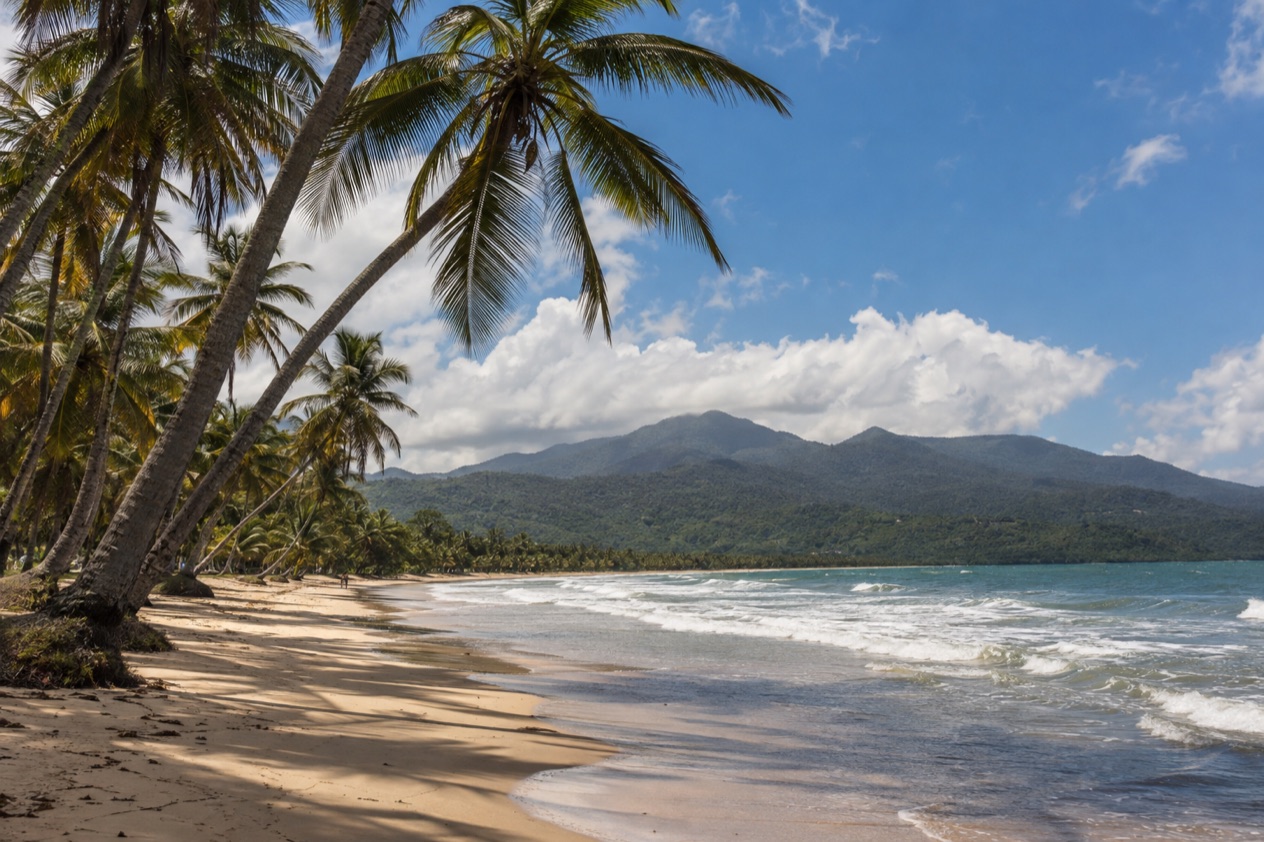
Early in the morning at Luquillo Beach, joggers pass under the coconut palms while the first kiosk owners lift their shutters and the smell of frying dough drifts over the sand. A few minutes inland, the air turns greener and cooler, and the clouds sit on the ridges of El Yunque. Luquillo is small, but where you sleep decides whether your days start with salt water, with a café in the plaza or with birdsong at the edge of the rainforest.
What is the best area to stay in Luquillo?
For a first visit, stay close to Luquillo Beach and the kiosks along the main road, because the sand, the food and the evening scene are all within a short stretch. Beach lovers and families do best right at the water, travelers on a tighter budget look to the town center and the apartments just off the highway, and anyone who plans to spend mornings in the rainforest is better placed on the hills toward El Yunque.
Nightlife is the one thing Luquillo keeps modest. Evenings here mean grilled fish, cold drinks, a bit of live music from the kiosks and a stroll, not a string of clubs. If you want a late night out, plan to sleep near the kiosks and the main road, or accept a ride to a larger town. Rideshares and taxis are the only way to get around without your own car, which shapes every choice below.
The areas differ less in distance than in mood. The beachfront is open, breezy and relaxed, with towels drying on balconies and flip-flops at every door. The town center feels like a place where people actually live, with a plaza, bakeries and church bells.
The foothills are quiet and leafy, with frogs singing after dark. The eastern stretch, where the Northeast Ecological Corridor begins, is wilder and emptier, a good fit if you would rather hear the surf than the traffic.
Luquillo sits on a long Atlantic coastline, and it has 14 beaches. That means the choice is also about which water you want to see from your window. The main beach is a long, palm-lined crescent with showers and a cafeteria, while other shores, La Pared among them, are better admired than swum, since La Pared is considered a dangerous beach. Ask your host where the locals actually swim on the day you arrive.
Timing matters too. Luquillo fills up around its patron saint festival in March, and again when the Leatherback Turtle Festival arrives in April and the Coconut Festival in September. During those weeks, rooms close to the beach and the plaza go first, so the areas nearest the action are the ones to settle early. Outside those moments, you can usually be choosier about the view.
A last point is the island’s weather season. The Atlantic hurricane season runs from June 1 to November 30, so a trip in those months is worth booking with flexible terms. When your trip is nearer, watch for alerts from local officials and the National Hurricane Center.
The best areas to stay in Luquillo
Luquillo Beach and the kiosk strip
This is the postcard Luquillo. Luquillo Beach, officially La Monserrate, runs for about a mile under coconut palms, with a cafeteria and showers that make a beach day easy. Just across the road, the line of open-air kiosks serves alcapurrias (fritters of taro and plantain stuffed with meat), fresh seafood, empanadillas and coconut drinks, and the place gets lively from lunch until late evening, especially on weekends when families from across the island arrive.
The lodging here is mostly small: guesthouses, simple apartments and vacation rentals, with a few boutique-style places rather than big resorts. It suits families, first-timers and couples who want to walk to the sand in the morning and to dinner at night without arranging a ride. Weekends are louder, with music and voices carrying until late, so a room set back from the road is a kinder choice if you sleep lightly.
Getting around is easy on foot inside this strip, and everything beyond it means a rideshare or a taxi, since the town has no public transportation. PR-3, the main road, runs right alongside. Tip: arrive at the beach early on weekends, when the shade under the palms goes first.
The town center
Away from the shoreline, Luquillo’s center is a small, everyday Puerto Rican town. You find the plaza, the church, panaderías with warm bread in the morning, and neighbors who greet each other by name. It is the area for travelers who like to feel the place beyond the beach and who are happy to ride to the sand when the mood strikes.
Lodging here leans toward guesthouses, apartments and rooms in family-run properties, usually quieter than the beachfront and often more modest in style. It suits budget-minded travelers, longer stays and anyone who wants a kitchen for breakfast and a local lunch counter nearby. The patron saint festival in March brings parades, games, artisans and amusement rides, so check the event locations before choosing a room.
There is no bus to lean on, so settle your rides with your host, or expect to call a taxi or open a rideshare app. Tip: if you plan a night out at the kiosks, ask whether your lodging is within an easy walk or a short ride, and plan the return before the evening gets late.
The foothills toward El Yunque
Luquillo is nestled between the ocean and El Yunque National Forest, and the hills on the rainforest side are where that really shows. Mornings start with mist, coquí frogs call after dark, and the temperature feels a notch softer than at the shore. It is the best area for hikers, bird lovers and travelers who want a cabin-style stay with a porch and a view of green ridges.
Expect country guesthouses, small boutique stays and private rentals set among trees, rather than hotels with lobbies. The trade-off is distance from the beach and the food stalls, and a bit more rain, since clouds gather over the mountains. At El Portal, the main visitor center, you can see live Puerto Rican parrots, grab a meal, follow a trail built for full accessibility, and join ranger walks and talks each day, so a rainy morning fills up easily.
For El Portal, tickets are valid from 8am to 4pm on the date you pick, and you may come and go through the day. Tip: the area around La Mina Falls is congested, so staying on this side lets you start early, before the crowds. Before you plan a whole day around La Mina Trail, look up whether it is open, since right now it is shut for repairs.
The eastern coast toward the Northeast Ecological Corridor
From the point where the town’s eastern edge begins, the Northeast Ecological Corridor Nature Reserve traces the shoreline clear to Seven Seas Beach in Fajardo. The feel here is open and unhurried, with wide skies, wind in the sea grape and few buildings. Nature lovers often pick this side because leatherback turtles may show up here during particular seasons.
Lodging is scarce and spread out, mostly vacation rentals, private villas and the occasional guesthouse, with larger resort-style properties found further along the coast toward Rio Grande and Fajardo. It suits couples, small groups and travelers who want peace more than a scene. You will want a plan for meals, since the kiosks are a ride away.
Getting around depends on rideshares and taxis, so plan evening transportation in advance. Tip: if you come in spring, ask about the turtle season and the Leatherback Turtle Festival in April, which makes this coast especially interesting then.
Luquillo areas compared
| Area | Best for | Feel | Getting around |
|---|---|---|---|
| Luquillo Beach and kiosks | First visit, families, beach days | Lively, breezy, casual | Walkable inside the strip, otherwise rideshare or taxi along PR-3 |
| Town center | Budget, local life, festival week | Everyday town, plaza and bakeries | Rideshare or taxi, no public transportation |
| Foothills toward El Yunque | Hikers, birders, quiet stays | Green, misty, secluded | Rideshare or taxi, uphill from the coast |
| Eastern coast and ecological corridor | Couples, nature, turtle season | Open, wild, unhurried | Rideshare or taxi, plan ahead for evenings |
The main trade-off is beach against local life. Sleep by the water and you trade a quiet night for the best sand and the easiest dinners, while the town center gives you bread, church bells and a plaza but puts the surf a short ride away.
Quiet against nightlife is the second trade-off, and in Luquillo it is gentle. The kiosk strip is the lively end of the scale, with music and a crowd, but it still closes down earlier than a big-city district.
The foothills and the eastern coast sit at the other end, where the night sounds are frogs and waves. If you share the trip with someone who wants the opposite of you, the town center is a fair middle.
Nature against convenience is the third. The rainforest side and the ecological corridor reward you with scenery and wildlife, yet each ride to a restaurant adds up, because only rideshares and taxis serve the town. The beachfront cuts that effort in half, so it is often the better choice for short trips of two or three nights, when you want to spend your time on the sand and not in the back seat of a car.
Luquillo is also a base for day outings. From any of these areas, El Yunque, the other beaches along the coast and nearby Fajardo are all within reach. A stay in the foothills shortens the morning drive to the forest, a stay near the beach shortens the path to the water, and a stay in the center keeps both at a modest distance. Pick the thing you will do most, and sleep nearest to it.
How to choose your hotel in Luquillo
Start with the question of all-inclusive or not. Luquillo itself is a town of guesthouses, apartments and small hotels, so most visitors here eat out. That is a plus, because the kiosks, bakeries and small restaurants are a big part of the pleasure, and a room with a kitchen or a simple breakfast included fits the rhythm well.
Next, decide between beachfront and the inland side. Right on the ocean, you wake to waves and sea breezes, but you get more wind, more salt in the air and more weekend noise.
A few streets back, rooms are quieter and often easier to find, and the walk to the sand is short. Look at the room’s location relative to the road, because PR-3 carries traffic through the town, and ask whether the windows face it.
Think about the sea you want. The Atlantic side can be rough in some conditions, and conditions change from day to day and from beach to beach. If a flag, sign, or lifeguard is there, do what it says. In certain springs and summers, sargassum, a type of seaweed, can show up on east and south coasts, so check with your host about the shore right in front of the property, and never assume a given beach will be calm or clear on a given day.
Book early for festivals and peak weeks. March brings the patron saint festival, full of parades, games, artisans, amusement rides, regional food and live entertainment, and April’s Leatherback Turtle Festival plus September’s Coconut Festival pull in their own crowds as well. Weekends everywhere in Luquillo are busier than weekdays because island families come for the beach. If your dates match any of these, reserve the area nearest the action first, then think about the rest.
Families should look for easy access to the beach, a place to rinse off and somewhere to rest in the shade. Luquillo Beach has showers and a cafeteria, which helps, and a rental with a kitchen simplifies meals for children. Ask about stairs, since many small properties are on upper floors or on slopes.
For accessibility, ask directly about step-free entrances, bathroom layouts and parking. One place with a clear answer is El Portal, the main visitor center of El Yunque, which has a fully accessible trail. For lodging, small guesthouses vary a great deal, so a message or call before booking is worth the time.
Before you confirm, check a short list: how far you are from the kiosks and the beach, how loud the street is at night, whether the host can help with rides, and what the cancellation terms are if a storm approaches. Transfers deserve special thought, since there is no public transportation. Ask how guests usually arrive from the airport, and plan your first evening so that nobody has to hunt for a ride after dark.
Last, match the lodging to the trip you want. If your days are about El Yunque, sleep in the foothills. If they are about swimming, snorkeling and long lunches, sleep near the beach. If you are chasing local color, the town center repays you. A good room in the right area is worth more than a fancier one in the wrong place.
Good to know before you go
For Puerto Rico, Americans do not require a passport or visa, everything is priced in U.S. dollars, and mainland departures count as domestic flights. From the airport, Luquillo is reached by rideshare or taxi, and the same two options carry you around town once you arrive. A few words of Spanish, a simple buenos días at the bakery or a gracias at the kiosk, are always appreciated.
Sources
- Wikipedia, Luquillo (https://en.wikipedia.org/wiki/Luquillo,_Puerto_Rico), checked October 8, 2026
- Recreation.gov, El Yunque National Forest tickets (https://www.recreation.gov/ticket/facility/10089811), checked October 8, 2026
- USDA Forest Service, El Yunque National Forest, La Mina Trail (https://www.fs.usda.gov/r08/elyunque/recreation/trails/la-mina-trail), checked October 8, 2026
- NOAA National Hurricane Center, Climatology (https://www.nhc.noaa.gov/climo/), checked October 8, 2026