
Early in the morning in San Cristobal, woodsmoke drifts over the red-tile roofs and church bells answer one another across the valley. Women in embroidered wool skirts cross the plazas on their way to market, and the cafés on the pedestrian streets start grinding their Chiapas coffee. This is a small colonial city in the Mexican highlands, built for walking, for lingering over meals and for visiting the Maya villages that surround it.
Where is San Cristobal de las Casas and what is it like?
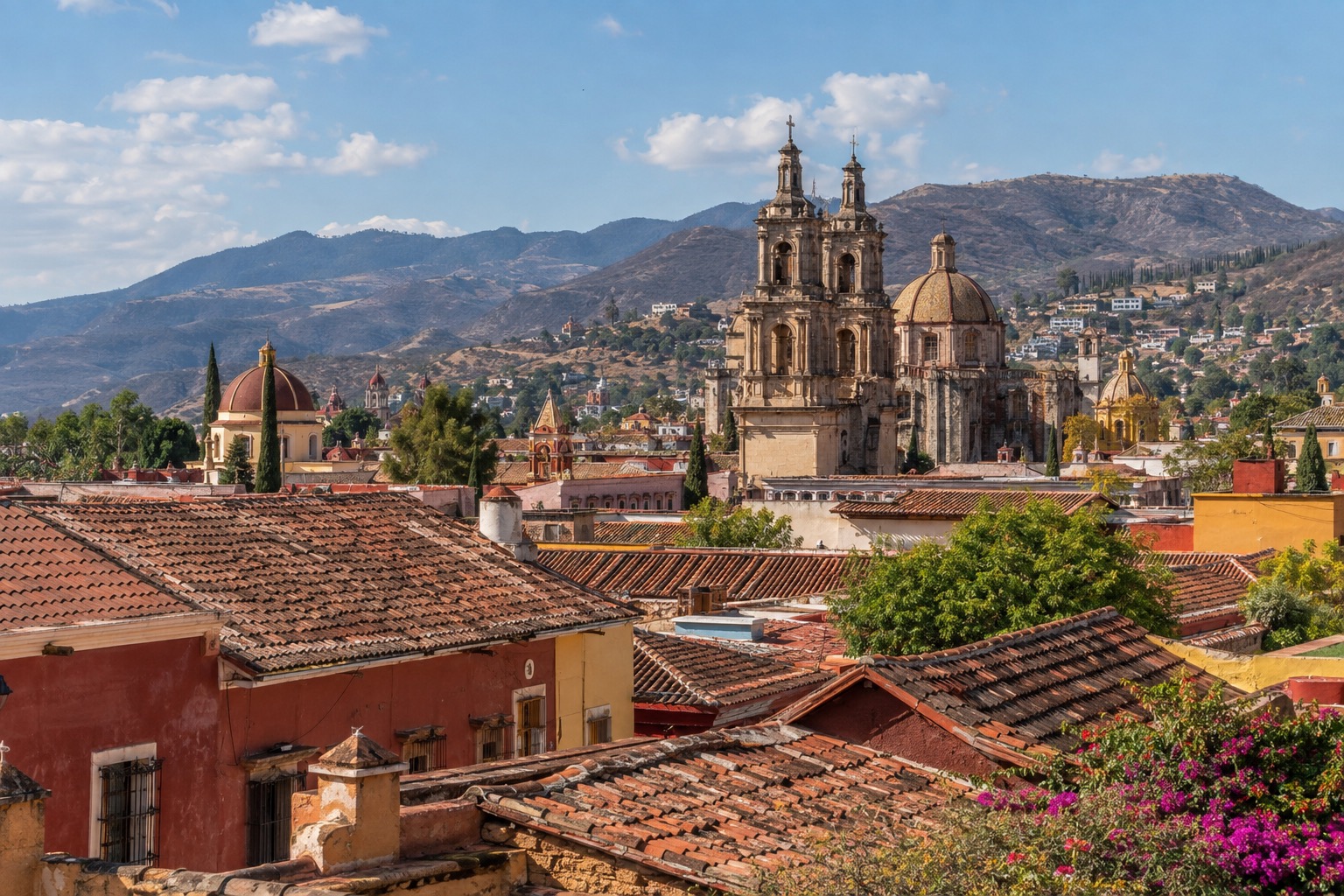
San Cristobal de las Casas sits in the Chiapas highlands, in the far south of Mexico, in a cool mountain valley surrounded by pine forest and Tzotzil and Tzeltal Maya communities. The historic center of red-tile roofs and colonial facades is the heart of everything, and almost all of it can be crossed on foot.
The pace is unhurried. Mornings are for markets and coffee, afternoons for churches, galleries and a long lunch, and evenings for wood-fire restaurants and mezcal bars where travelers and locals share the tables. The altitude means the air is crisp and evenings call for a sweater, which is part of the charm.
It suits walkers, textile lovers, culture-minded travelers and anyone who likes a town with a strong sense of place. If you are after beach resorts, nightclubs or big-hotel comforts, this is a different kind of trip.
What is there to do in San Cristobal de las Casas?
The big reasons to come are the colonial center itself, its museums and churches, and the Maya villages nearby. Unlike the beach towns and ruin sites that dominate other parts of Mexico, San Cristobal is about living culture, textiles and the rhythm of highland life.
Walking the historic center
Simply wandering is the first pleasure. Colonial facades are painted in ochre, rust and blue, and the pedestrian streets lead past courtyards, bookshops, chocolate makers and small galleries. The main plaza is the place to sit and watch the town go by.
Go early, when the light is soft and the streets are quiet, then again at dusk when the lamps come on. It is easy on any budget and suits all ages, though cobbles and slopes call for comfortable shoes. A good tip is to detour a block or two off the main pedestrian streets, where the town feels more local.
Santo Domingo and the Museo de los Altos de Chiapas
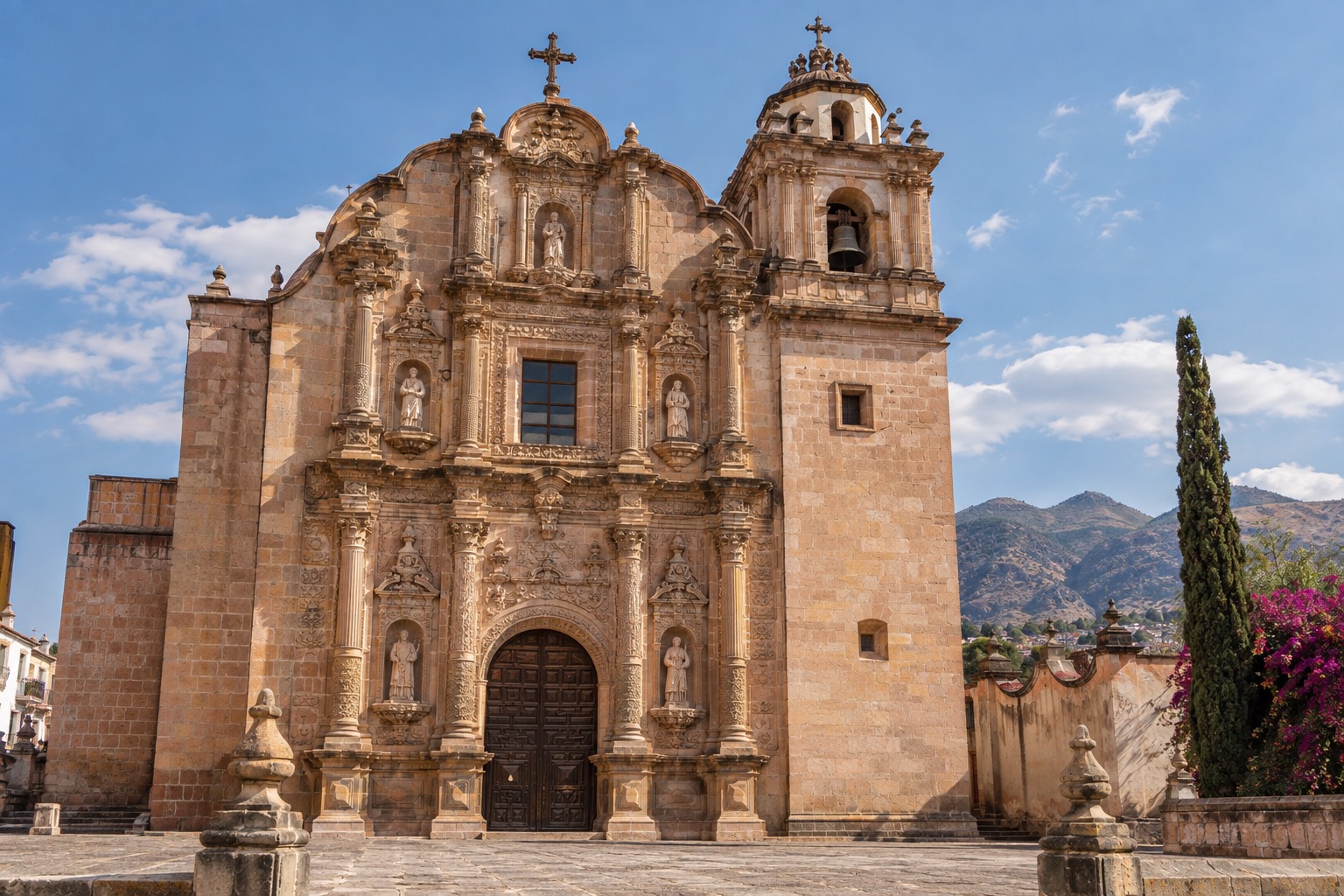
The Templo de Santo Domingo has one of the most ornate baroque facades in town. Next door, the Museo de los Altos de Chiapas occupies a former Dominican convent and gathers pre-Hispanic textiles, colonial-era art and the region’s indigenous heritage, in rooms that open onto quiet cloisters.
It is a natural stop on a walk through the center, and a good way to understand the weaving traditions you will see for sale in the surrounding streets. Textile lovers could spend a good while here.
| Site | Open | Admission |
|---|---|---|
| Museo de los Altos de Chiapas | Tuesday to Sunday, 9 a.m. to 6 p.m. (closed Monday) | 65 pesos |
San Juan Chamula and the highland villages
San Juan Chamula is a Tzotzil Maya town a short drive from San Cristobal, and it keeps its own religious customs inside its church. It is one of the most talked-about outings from the city, a chance to see how Maya tradition and Catholicism have blended in a way found almost nowhere else.
Visitors are asked not to photograph inside the church and to follow the community’s own rules. Treat it as a visit to a living place of worship, not a sight to be ticked off. Going with a respectful, quiet attitude makes all the difference, and the nearby market is a good place to see local dress and crafts.
How many days do you need in San Cristobal de las Casas?
A long weekend covers the essentials, and a week lets the town sink in. In a short stay you can walk the historic center, visit Santo Domingo and the museum, browse the markets and eat well.
With more days, add a trip to San Juan Chamula and other highland villages, and leave room for slow mornings in cafés, unplanned gallery stops and evenings by the fire. The pace of the place rewards staying put rather than rushing.
Where to stay in San Cristobal de las Casas
The historic center is the natural base, with colonial courtyards, restaurants and sights all at your doorstep. Staying here means you can walk everywhere, and evenings are lively without being rowdy.
Streets nearer the pedestrian core are the most convenient, while those a few blocks out are quieter. Neighborhoods on the edges of the center suit travelers who prefer calm and a more local feel, at the cost of a longer walk uphill or downhill to the main plazas.
How do you get to San Cristobal de las Casas and get around?
Most visitors arrive by road from the Chiapas region, and once in town, the historic center is made for walking. Colonial streets are compact, and most sights are within easy reach on foot. For villages such as San Juan Chamula, which lies a short drive away, taxis and local transport are the usual ways to reach them.
When is the best time to visit San Cristobal de las Casas?
The highlands are cool year-round thanks to the altitude, so evenings call for a jacket whichever month you choose. December to April is the drier stretch, while May to October brings rain on more than half the days, often in the afternoon, so bring layers and a rain jacket.
The town’s traditions, markets and church life continue through the year, so there is never a bad moment to see the center’s colonial character. Check local festival dates when planning, since many are tied to the religious calendar.
Good to know before you go
The U.S. State Department rates the state of Chiapas at Level 3, Reconsider Travel.
Carry some pesos for markets, small cafés and museum entry, and bring layers for the cool highland air. Respect local customs in the villages and churches, especially around photography. Many travelers find the altitude takes a day to adjust to, so take it easy on arrival.
Sources
- INAH, Museo de los Altos de Chiapas Exconvento Santo Domingo de Guzman (inah.gob.mx/museos/museo-de-los-altos-de-chiapas-exconvento-santo-domingo-de-guzman), checked September 29, 2026
- INAH, meme page, checked September 29, 2026
- US Department of State, Mexico Travel Advisory (travel.state.gov), advisory of May 29, 2026, checked September 29, 2026 (date issued May 29, 2026)