
Mornings in Cozumel start with the ferry horn drifting over San Miguel, scooters buzzing along the waterfront and divers in wetsuits walking to their boats with a coffee in hand. By afternoon the malecón fills with strollers, ice cream and the smell of grilled fish. Safety is still a fair question before any trip to Quintana Roo, and the answer depends on where you sleep, how you move around and what the sea is doing that day.
Is Cozumel safe to visit?
Cozumel is a place where most visitors spend their days diving, eating and strolling without trouble, but no destination can promise a smooth trip, and common sense travels with you. The island is a small, tourism-driven community, and the daily rhythm centers on the waterfront, the hotel strips and the boats heading out to the reefs.
The state-level advisory covers all of Quintana Roo, so it describes the region rather than one street in San Miguel. In practice, the habits that work in any busy resort area apply here: keep valuables out of sight, stay aware in crowds and be a little more deliberate late at night than you would be at noon.
Safety by area in Cozumel
Downtown San Miguel
San Miguel, the island’s chief town and harbor, has a lively malecón along with shops and restaurants where residents and travelers mingle. By day it is easy to explore on foot, and the ferry terminal, dining and nightlife are all within a short walk. Expect busy sidewalks near the pier when boats arrive.
At night the center stays animated, which is reassuring for many travelers, but crowds and late drinks call for the usual attention to phones and wallets. Lodging here is mostly small hotels, guesthouses, hostels and rentals. Light sleepers will find the square and waterfront loud in the evening, so a room on a side street is a calmer bet.
North Hotel Zone
North of town the coast road runs past sandy stretches, rocky ironshore and mostly calm water. Couples and families favor this calmer area, which has all-inclusives, condo hotels and a handful of small beachfront places.
The area is spread out, so services are not all within walking distance. After dark you will likely rely on a taxi or a rental car rather than strolling, which is worth planning for if you want dinner in town. Town is a short drive away.
South Hotel Zone
South of San Miguel the beaches widen and the scene tilts toward resorts and beach clubs. Many guests stay inside their property for most of the day, which keeps things simple and relaxed.
The practical point here is distance and night transport. Once night falls, taxis come by less frequently, so anyone who isn’t renting a car should book airport transfers beforehand and settle their return ride from any evening outing before leaving the resort.
Corpus Christi
This is a mostly residential neighborhood just south of the downtown waterfront, with low-rise condos, quiet streets and limited sandy beach. It suits long stays and families who want a kitchen and a calm base.
Quiet streets feel peaceful, though with few crowds around, keep your evening walks short and well lit. Shops and larger beaches are a short drive away, so a car or scooter makes daily errands easier.

Common scams and how to avoid them
The usual tourist traps here are small and easy to sidestep. Pushy sellers near the pier and along the main square can be answered with a friendly, firm no gracias, and you owe nobody a conversation.
Taxis without a set fare are the classic place to lose a few dollars, so agree on the price before you get in. At ATMs, use machines inside banks or well-lit, busy spots, and cover the keypad. At the airport, currency counters tend to offer weaker rates than you will find in town, so change only what you need to get started.
Dollars are widely mentioned in tourist areas, but no business has to take them, and each decides its own rate and limit. Carrying some pesos saves arguments over change.
Getting around safely
San Miguel is the island’s hub for ferries, taxis and buses, and the airport sits only a short drive from town. Taxis are the simplest way to reach the hotel zones, and fixing the fare first avoids surprises.
By day, a rental car or scooter gives freedom on the coast road, and distances are modest. At night, taxis are the easier choice, particularly toward the south, where they come less often. Whatever you drive, keep to the paved roads and take care on the east side, where the wind and surf are stronger.
Beach, water and weather safety
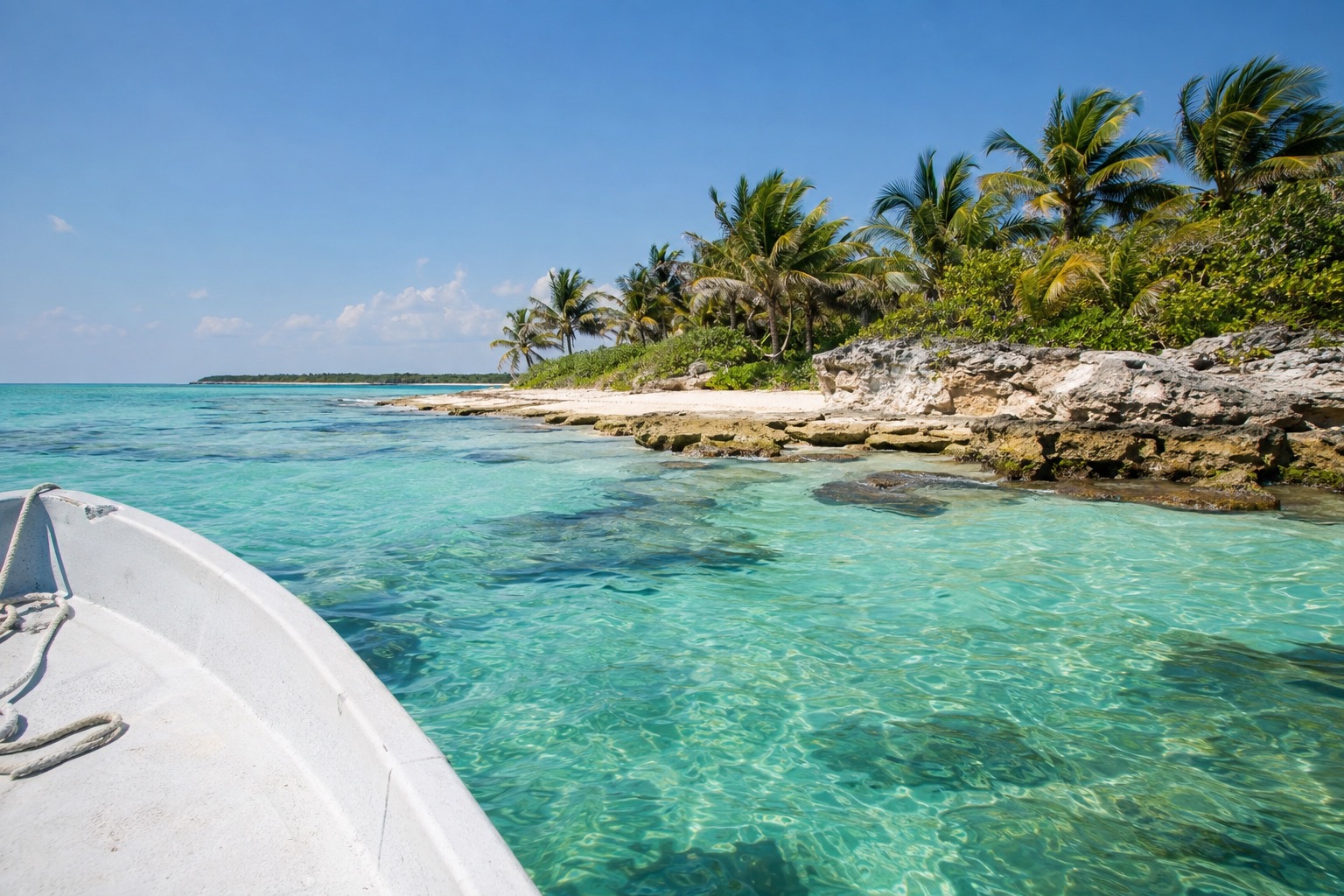
On the west coast, the calmer and leeward side, you will find both San Miguel and the cruise piers. The windward east coast looks inviting but brings rougher surf and a stronger undertow, so swimming there asks for real caution. Wherever waves matter, check the beach flags before going in.
The famous reefs are reached mostly by boat rather than from shore, so snorkelers and divers go out with an operator and follow the crew’s briefing. The Caribbean sun is strong even on cloudy days, and water stays warm all year, which makes it easy to burn without noticing.
In July the sea is bathwater warm, while January is a touch cooler but still pleasant. Sargassum can wash up on some shores at times, mostly a matter of comfort rather than danger.
The Atlantic hurricane season runs from June 1 to November 30, so a trip in summer or early fall falls inside it, while the winter and spring months lie outside the official season. Afternoon showers are common in July, and January brings fewer rainy days.
Good to know before you go
The U.S. State Department rates Quintana Roo Level 2, ‘Exercise increased caution,’ due to terrorism and crime.
Carry a mix of pesos and a card, keep a copy of your documents apart from the originals, and let your accommodation help with transport at night. If your trip falls in hurricane season, keep an eye on forecasts and flexible plans.
| Fee | Amount | Who pays |
|---|---|---|
| Visitax | 2.50 UMA, about 293 pesos | Foreign visitors entering Quintana Roo (not through the southern border) |
| Cruise passenger fee | 5 US dollars, paid through the cruise line | Cruise passengers, instead of Visitax |
| Lodging tax (Impuesto Sobre Hospedaje) | 5% of the billed value, or 6% when a host or platform collects payment for a short-term rental | Guests, on accommodation |
Sources
- INAH, "Zona Arqueologica San Gervasio" (inah.gob.mx/zonas/zona-arqueologica-san-gervasio), checked September 29, 2026
- APIQROO, "Empresa" (apiqroo.com.mx), checked September 29, 2026
- Ultramar, "Ferry Cozumel" (ultramarsales.ultramarferry.com/es/ferry-cozumel.php), checked September 29, 2026
- Congreso del Estado de Quintana Roo, Ley del Impuesto al Hospedaje del Estado de Quintana Roo, art. 8, congresoqroo.gob.mx, checked September 29, 2026
- Ley de Derechos del Estado de Quintana Roo, art. 51-Octies and 51-Nonies ; UMA value 2026 : INEGI
- Ley Federal de Derechos, art. 8-I ; Instituto Nacional de Migracion, gob.mx/inm, checked September 29, 2026
- U.S. Department of State, Mexico Travel Advisory, travel.state.gov, checked September 29, 2026 (date issued May 29, 2026)
- NOAA National Hurricane Center, nhc.noaa.gov, checked September 29, 2026
- Ley Monetaria de los Estados Unidos Mexicanos, art. 8
- Open-Meteo / ECMWF ERA5, 1991-2020 normals, grid cell 20.5083N 86.9458W, model reanalysis, not a station record, checked September 8, 2026
- Open-Meteo Marine API, average 2015-2024, checked September 8, 2026
- sunrise-sunset.org, sunrise and sunset on the 15th of the month, checked September 8, 2026
To plan your stay
- Best Time to Visit Cozumel: Weather by Month, Crowds, Sea Temperature and Festivals
- Things to Do in Cozumel: Reef Snorkeling, San Gervasio, Island Beaches and Local Food
- Where to Stay in Cozumel: San Miguel, the North and South Hotel Zones and Corpus Christi
- Cozumel Airport to City: Taxis, Transfers, Rental Cars and Drive Times to the Hotel Zones