
That gap is the first thing to understand about snow in Japan: it falls heavily in the mountains and the north, and rarely in the big cities.
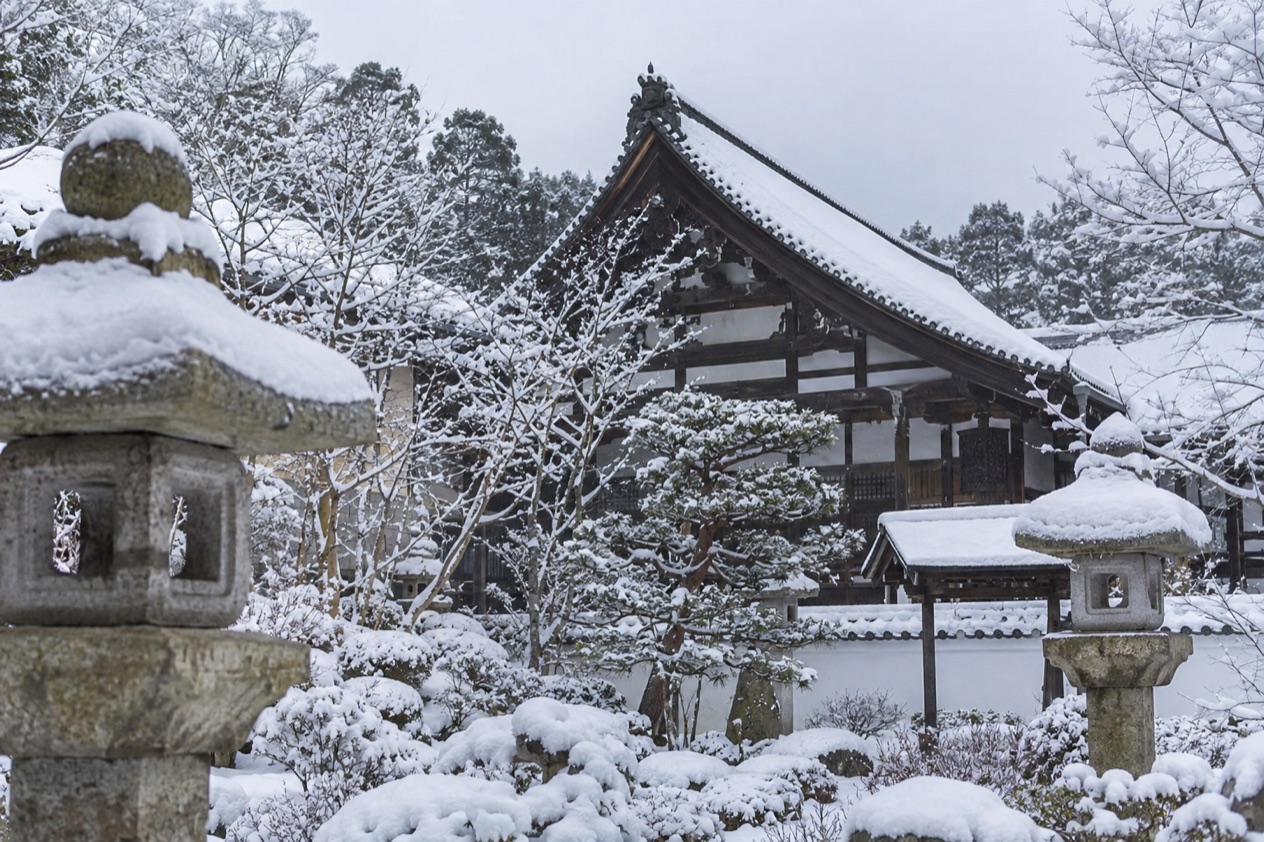
Where does it snow in Japan?
Snow falls heaviest in the mountains and the northern regions, and most major cities rarely see any. A winter trip to Tokyo, Osaka or Kyoto is therefore mostly a trip of cold, bright days, and the snowy Japan of postcards means leaving the big cities for the slopes and the north.
Two things shape the map. Hokkaido, the northern island, has a humid continental climate with long, very cold winters, and its snowfalls are measured in hundreds of inches in areas around Sapporo and Asahikawa.
On the other side of the main island, the Sea of Japan coast catches a northwest wind in winter that brings heavy snow. South of Tohoku, that snow mostly melts before spring begins. Inland, the Central Highland has a typical inland climate, with big swings in temperature between summer and winter and between day and night.
Hokkaido: Niseko, Rusutsu and the northern resorts
Hokkaido is where Japan’s winter feels most complete. Niseko and Rusutsu are popular with skiers and winter travelers, and Niseko is not a single hill but four separate skiing areas, Hirafu among them. The Epic Pass is valid at Rusutsu, which matters if you already hold one.
Other resorts on the recommended list from the Japan National Tourism Organization are Sahoro and Hoshino Resorts Tomamu. Cold is part of the deal here. In January and February, temperatures on the slopes of around 5°F are normal, so the days call for serious layers. One corner of the island, the Okhotsk Subprefecture, receives as little as 30 inches of precipitation in a year, a reminder that even Hokkaido varies from place to place.
Nagano and the Hakuba Valley
Nagano is a popular ski destination for travelers from Tokyo, thanks to good slopes and easy access. The Hakuba Valley is a favorite among the mountain ski areas of the Nagano region, and the Epic Pass is valid at Hakuba as well.
For a different kind of access, Gala Yuzawa is Japan’s only ski resort with its own dedicated Shinkansen station. You step off the bullet train and you are at the ski area, which changes the feel of a winter outing from Tokyo.
The Sea of Japan coast and the Kansai mountains
The northwest wind that crosses the Sea of Japan is the reason this coast is known for heavy snow. It is a snow of the coast and the lowlands as much as of the peaks, and it fades quickly once spring arrives south of Tohoku.
Travelers based in the Kansai region, which covers Osaka, Kyoto, Nara and Kobe, can take a day trip to Biwako Valley, in the mountains around Lake Biwa. It is the Kansai answer to the question of where to see snow when the cities themselves stay bare.
Where winter stays mild
Not all of Japan is a winter landscape. The Seto Inland Sea has a mild climate with many fine days, because mountains in the Chugoku and Shikoku regions block the seasonal winds. The Ryukyu Islands, the Okinawa chain, have warm winters. The Ogasawara Islands stay warm to hot all year round. If a trip has to include a beach or a warm island, these are the places the climate allows for it.
When does the snow season run?
The Japanese ski season lasts from early December to late April, and Hokkaido’s colder climate gives it the longest stretch of all. The snow itself arrives in the mountains and the north, and what changes through the winter is which resorts are open, how busy they are and which festivals are on.
| Moment | When |
|---|---|
| Ski season | Early December to late April |
| Hatsumode, first shrine visit of the year | January 1 |
| Official New Year ceremony at Heian-jingu, Kyoto | January 1, 6 a.m. |
| Sapporo Snow Festival | First week of February |
Peak weeks on the slopes
The busiest ski periods fall around New Year’s and Chinese New Year. January is also busy because of Australian summer vacation, so the resorts of Hokkaido and Nagano can feel full of visitors from the southern hemisphere in that month. The rest of the season has its own character, with the coldest days on Hokkaido’s slopes coming in January and February.
At the start of the season, in early December, the first runs open. At the end, in late April, Hokkaido is where winter lingers longest, which is what the longest season there means in practice.
New Year, when the cities slow down
The New Year holidays are the one stretch when winter travel looks different even in the cities. Many restaurants and attractions are closed, so a plan built around meals out or sightseeing needs another layer. Many Japanese people instead go to a temple or shrine on January 1 to pray for good luck and prosperity in the new year. The custom is called hatsumode.
In Kyoto, the official New Year ceremony at Heian-jingu takes place at 6 a.m. on January 1, and at Fushimi Inari Taisha visitors pass through thousands of orange torii gates and pray for a successful year in the main building. At Sumiyoshi Taisha in Osaka, more than two million visitors welcome the new year.
February and the Sapporo Snow Festival
The Sapporo Snow Festival takes place during the first week of February, and its snow and ice sculptures draw nearly two million people. It is a good fit for travelers who want snow without skis, since the whole event is about walking among what the winter has made.
Typhoons, rain and the snow calendar
The snow season sits well away from Japan’s other weather. Five or six typhoons pass over or near Japan every year from early August to early October, and in Honshu, Shikoku and Kyushu the rainy season runs from mid-June to mid-July. Hokkaido has no rainy season at all. A trip planned for ski weeks meets neither.
What can you do?
Skiing and snowboarding come first, since Japan is an ideal destination for winter sports enthusiasts, with snow quality, infrastructure and accommodations all cited by the Japan National Tourism Organization. Beyond the slopes there are festivals, shrine visits at New Year and day trips from the cities.
Skiing and snowboarding
Japanese slopes typically use a three-tier grading system. Green marks easy runs, red intermediate and black difficult, so you can read a trail map at a glance. Helmets are not required by law, though some resorts are starting to mandate them for access to the lifts.
Lessons need a little thought. Most Japanese ski instructors speak only Japanese, and larger international resorts have English-speaking instructors who often charge a premium. For first-timers, the international resorts of Niseko and Hakuba are where English-language teaching is most likely.
Getting to the snow with gear
Hokkaido’s gateway is Sapporo’s New Chitose Airport, the closest major airport to the Hokkaido ski fields, with direct seasonal flights from Australia and Canada. On domestic flights, avoid transfers that make you change airports between Haneda and Narita in Tokyo, which adds significant time and hassle.
Japanese trains are generally not well equipped for bulky luggage. Travelers with skis or snowboards should check ahead or use a courier service, available at major airports and resorts. For Gala Yuzawa the Shinkansen itself delivers you to the resort.
Winter festivals and shrine visits
Not everyone in a winter party skis, and the season offers plenty besides. The Sapporo Snow Festival in early February fills the city with sculptures of snow and ice. At New Year, hatsumode at Meiji-jingu, Fushimi Inari Taisha, Heian-jingu or Sumiyoshi Taisha gives a first look at how the year begins in Japan, with long lines of people walking toward a shrine’s main hall and praying for the months ahead.
Day trips for city travelers
From Tokyo, Nagano’s ski slopes are the usual winter outing, and Gala Yuzawa suits a day on snow with the least fuss over transport. From Kansai, Biwako Valley, in the mountains around Lake Biwa, offers snow within reach of Osaka, Kyoto, Nara and Kobe. Both let you keep a city base and still spend a day in the white.
Good to know before you go
Plan around two things: cold and closures. Hokkaido’s slopes are very cold in January and February, and during the New Year holidays many restaurants and attractions are closed, so meals and sightseeing need a backup. Snow season is also separate from the rainy season and the typhoon months, which come earlier in the year. Because lessons, rentals and train luggage all need some thought, settle those details before you head up the mountain.
Sources
- Japan National Tourism Organization, winter in Japan (https://www.japan.travel/en/guide/winter-guide/), checked October 11, 2026
- Japan National Tourism Organization, skiing and snowboarding in Japan: regions, resorts, seasons (https://www.japan.travel/en/sports/snow/), checked October 11, 2026
- Wikipedia, Climate of Japan (https://en.wikipedia.org/wiki/Climate_of_Japan), checked October 11, 2026
- Wikivoyage, Winter sports in Japan (https://en.wikivoyage.org/wiki/Winter_sports_in_Japan), checked October 11, 2026
To plan your stay
- Japan Rainy Season (Tsuyu): Dates, Regions and How to Plan Your Trip
- Seasons in Japan: Blossoms, Fall Color, Snow Festivals and Summer Matsuri
- Typhoon Season in Japan: When It Hits, Which Regions Take the Brunt and How the Warning Alerts Work
- Autumn Leaves Dates by City: Usual Maple Dates, 2025 Results and How Much They Shift