
On a October morning in Kaunakakai, the only sound on the main street is a rooster and the screen door of a bakery opening. Trucks idle outside the general store, a fisherman unloads his catch at the wharf, and the light turns the pasture hills the color of straw. Molokai in October is a quiet island at an easy time of year, with warm water, little rain and plenty of room to wander for travelers who like their Hawaii unhurried.
What is the weather like in Molokai in October?
On Molokai, October brings warmth, sunshine and little rain, as the summer heat softens slightly and the first signs of a wetter season appear near the end of the month.
| Month | Average high (°F) | Average low (°F) | Rain days | Sea (°F) |
|---|---|---|---|---|
| September | 86.7 | 72.8 | 1.9 | 80.9 |
| October | 85.5 | 71.4 | 2.7 | 80.7 |
| November | 82.8 | 69.6 | 4.3 | 79.2 |
The trade winds pass Molokai by on their sheltered side, and out on the central plain the airport ranks among the islands’ driest places. Mornings start soft and bright, and by midafternoon the sun on the south and west sides is strong enough that you will want a hat and a shady lunch. At night it stays warm enough to eat outdoors in a T-shirt, maybe with something light on once the wind rises.
When rain does come, it is usually a short passing shower that blows in off the water and moves on, leaving a rainbow over the hills more often than a gray day. Molokai’s damp region takes in the east end plus the high valleys up north, where clouds catch on the peaks, while the plain and the beaches out west remain much drier. A very light rain jacket is plenty.
The light is a pleasure in October. Days are a little shorter than in summer, so the golden hour comes earlier and sunsets over the west end arrive in time for an early dinner. The sea is as warm as it gets all year, which means you can plan around the water rather than the weather.
Can you swim in Molokai in October?
The water stays warm enough for a long, comfortable swim, and when you snorkel, a thin rash guard is usually all you need.
Molokai has few developed beaches and almost no crowds. A long fringing reef protects the south shore, which means the water by Kaunakakai and through the eastern stretch tends to remain flat and shallow, closer to a wading lagoon than a surf beach.
The wide sandy beaches of the west end, such as Papohaku, are long and dramatic, but they face open water and the surf and currents can be strong at any time of year. October is the shoulder before the big winter swells arrive on north and west shores, though a first early swell can show up late in the month.
There are very few lifeguards on the island, so the decision is yours to make carefully. Look at the posted signs where they exist, watch the water for several minutes before going in, and stay out when waves are breaking hard or the surf looks confused.
On the calm south shore, families with little ones typically fare best, while swimmers who feel uneasy ought to remain where the water is shallow. Bring reef-friendly habits: keep your feet off the coral, and do not touch turtles that may be resting nearby.
What to do in Molokai in October
October is a month for slow exploring. The island has no stoplights, no high-rises and very little traffic, and the dry weather makes it a good time to drive the whole length of the highway with the windows down, stopping wherever something catches your eye. Along the way, roadside stands sell local fruit and breads, and Kaunakakai is the place to find a plate lunch, fresh poke and the famous hot bread that bakers sell from a back door after dark.
October falls at the end of kau, the traditional dry season, before the wetter hoʻoilo season begins around November. The island’s cultural calendar leans toward community events, church fairs and craft gatherings rather than big festivals, so what you will mostly find is local life going on around you. Ask at a shop or café what is on that weekend.
The south shore and Kaunakakai
Kaunakakai is a single main street, a long wharf and a coconut grove at Kapuaiwa. A morning here starts at the wharf, where you can watch fishing boats come in, and ends at one of the small shops where a slice of sweet bread is as good as a souvenir. The town is easy to walk and best before the afternoon heat sets in.
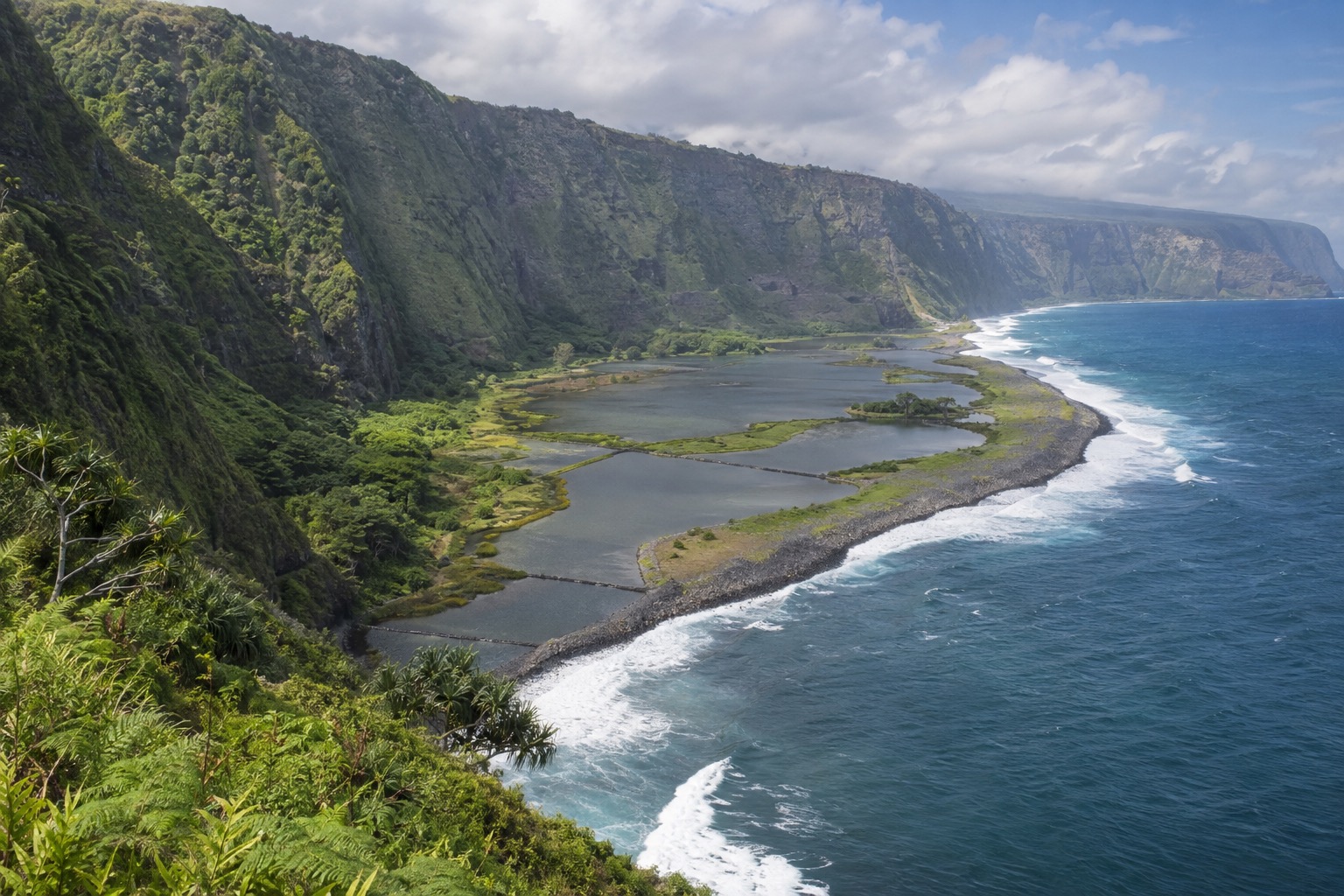
To the east of town, the road hugs the reef and goes by ancient Hawaiian fishponds, walled enclosures of stone that belonged long ago to a clever aquaculture system. The shallow water inside is a good place to look for birds, and the views across to Maui and Lanai are clear on most October mornings. Pull over, stand quietly and take your time.
The west end and Papohaku
The west end is open, dry and almost empty. Papohaku is a very long beach of pale sand, backed by kiawe trees and dunes, and it is a fine place to walk, picnic and watch the sunset rather than swim. In October the sun sets over the water in a sky that often turns orange and pink, and you may have long stretches of sand entirely to yourself.
Bring water, sun protection and shoes you do not mind getting sandy. There are few services nearby, so it helps to fill the tank and pack lunch in town before you go. Respect the sacred places in the area and stay on marked paths.
The north shore and the cliffs
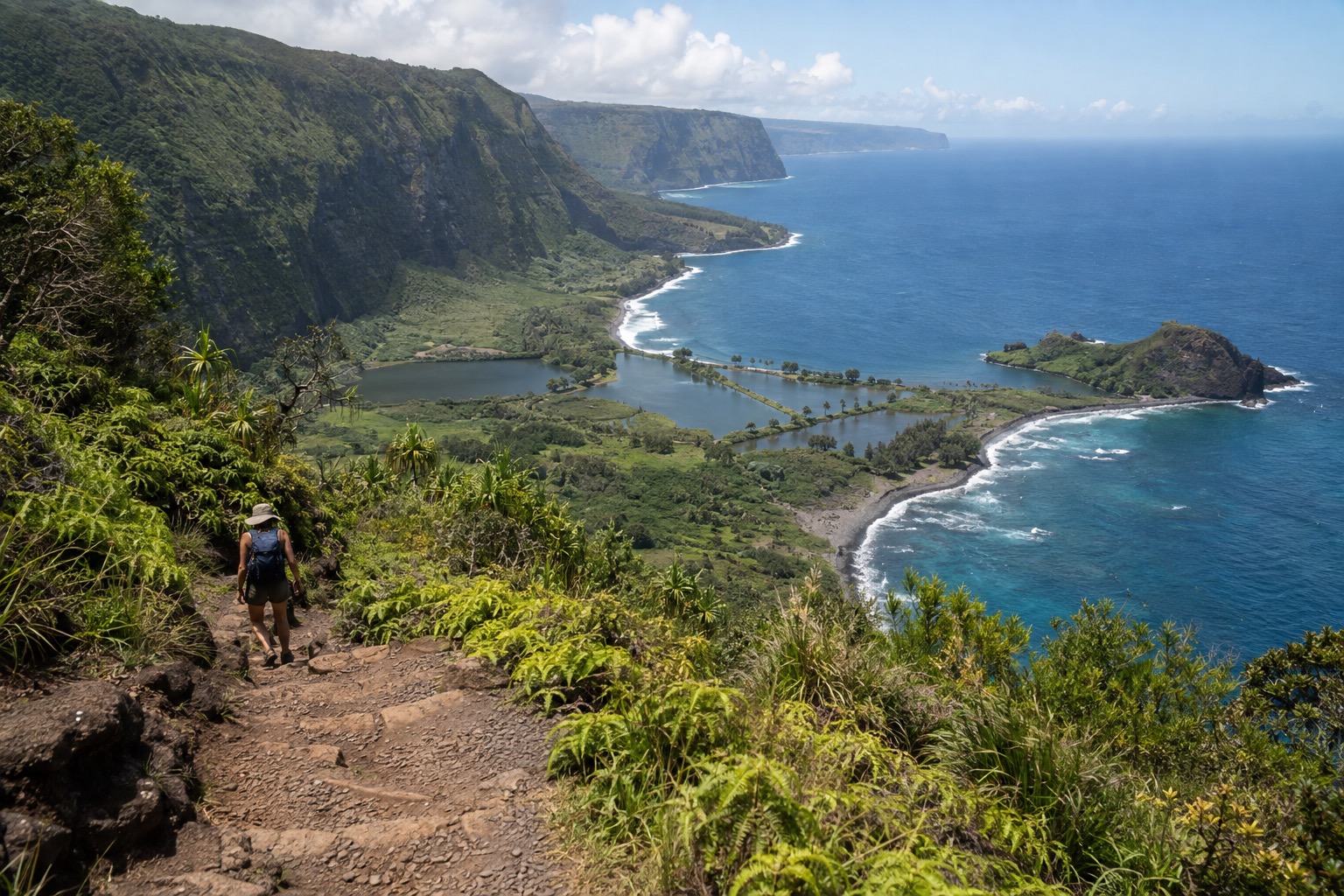
The north coast is the other face of Molokai: sea cliffs among the tallest in the world, deep green valleys and a sense of remoteness that few places in Hawaii can match. The cliffs are best seen from the air or from the sea, and many visitors choose a tour that fits the weather. The famed Kalaupapa peninsula, where people with Hansen’s disease were once exiled, is a place of deep history and should be approached with respect and with the guidance of those who run visits.
If you prefer to stay on land, the lookouts in the high forest above the valleys give you a first glimpse, and the cooler air up there is a relief on a warm afternoon. Mornings are usually the clearest, before clouds gather on the ridges.
Beyond these, October suits hiking on the dry plains, birding at the fishponds, kayaking or paddling in the sheltered south waters with a local outfitter, and simply sitting on a porch with a cold drink. Evenings are quiet, and the stars over a dark island are one of the best shows you will see.
A two-day itinerary for Molokai in October
Day 1 begins early in Kaunakakai, with coffee and a sweet roll before the heat.
In the afternoon, when the sun is strongest, slow down: a swim in the sheltered water, a nap or a drive up into the cooler hills. With about eleven and a half hours of daylight, sunset comes early enough for an unhurried dinner in town afterward. If a shower blows in, browse the small shops and galleries or stay in a café with a view of the harbor.
Day 2 heads west across the plain. Leave in the morning, fuel up and pack lunch, then walk Papohaku in the cooler hours and watch for surf before deciding whether to touch the water. The beach is long and wide, and there is little shade, so bring a hat and plenty to drink.
Spend the afternoon on the way back with a stop at a viewpoint or a farm stand, then save the late light for the north-facing lookouts if the clouds allow. Finish with an early dinner and an evening of stargazing from a lanai. When the weather turns wet, trade the sand for a leisurely meal and a relaxed spin through the highlands, letting the car keep you dry.
Is Molokai busy in October?
No, Molokai is quiet in October, as it is for much of the year, and that is a large part of its charm.
The island has very few hotels, so lodging is limited, and most visitors stay in condos, vacation rentals or small inns. The summer family rush has ended and the winter holiday crowds have not yet begun, so rooms and rental cars are generally easier to find than at other times. Even so, with so few beds and vehicles on the island, it is a good habit to book early rather than count on a last-minute opening, especially for a car, which you will want to have.
Restaurants are small and keep modest hours, and some close a day or two a week, so it helps to plan dinner a little ahead and not wait until late. On the beaches and roads you will often see more birds than people. If you want a guided outing, such as a boat trip or a cultural tour, reserve it before you arrive so your plans fit the weather and the operator’s schedule.
What to pack for Molokai in October
Pack for warm days, mild nights and the occasional short shower, with a mind to sun and long stretches of empty beach.
- Light, breathable clothing, for the strong afternoon sun and humid air.
- A wide-brimmed hat and mineral sunscreen, since shade is scarce on the west end.
- A light rain jacket, for the short showers that sometimes cross the island.
- Water shoes and a rash guard, for reef walking and snorkeling in the shallows.
- A refillable water bottle and a small cooler, because services are far apart.
- For chillier highlands and evenings with a breeze, bring a light layer or sweater.
Good to know before you go
The Central Pacific hurricane season runs from June 1 to November 30, so October falls inside it, and it is worth watching the forecast as your trip approaches. Getting around the island means a rental car, which is limited, so reserve it early, and fill the tank in Kaunakakai before heading to the far ends. Stores and restaurants are few and keep local hours, so stock up on snacks and water when you can.
| Fee | Amount | Who pays |
|---|---|---|
| State Transient Accommodations Tax | 11.00% | Guests, on lodging |
| Maui County surcharge on the General Excise Tax | 0.5% | Added to taxable sales in the county |
Molokai in October vs September and November
Moving the trip earlier to September gives you slightly hotter days and a little less rain, with the sea at its warmest and the island as quiet as ever. It is a good choice if you want long beach hours and the driest conditions, though the heat in the afternoon can feel heavy on the exposed west side.
Moving later to November brings noticeably more rain, cooler air and the first big swells to the north and west shores. Days are shorter and the island starts to turn greener, which many people love, but showers become a more regular part of the day and the sea is less predictable on the open beaches. The holiday season is still a few weeks away, so the island remains calm.
Choose September if you care most about heat and dry sand, and November if you prefer cooler days, green hillsides and a hint of winter’s drama. October sits between the two, with warm water, mostly dry skies and a gentle change in the light, which suits most travelers well.
Is October a good time to visit Molokai?
For travelers in search of warm weather, quiet roads and an island that has kept its own pace for everyone, October truly is a fine time to go.
It will suit walkers, drivers who like empty highways, anyone who wants to snorkel in warm shallows and people who value space over nightlife. Travelers who need busy beach bars, lots of tours or a wide choice of hotels should look at another island, and surfers who want big winter waves should wait for later in the season.
Once you land, grab your rental car, fill your kitchen or cooler in Kaunakakai, and ease into a leisurely first drive down the south shore to find your way around. What makes October special here is the combination: the sea still warm from summer, the hills still golden, the crowds still absent, and the first soft change in the air that tells you the seasons are turning.
Sources
- NOAA NCEI, monthly normals 1991-2020, station USW00022534, checked September 8, 2026
- Open-Meteo Marine API, average 2015-2024, checked September 8, 2026
- sunrise-sunset.org, sunrise and sunset calculated for the 15th of the month, checked September 8, 2026
- Hawaii Department of Taxation, Tax Announcement No. 2025-03 (Transient Accommodations Tax Law Changes from 2025 Legislative Session), files.hawaii.gov/tax/news/announce/ann25-03.pdf, checked September 24, 2026
- Hawaii Department of Taxation, County Surcharge on General Excise and Use Tax page, tax.hawaii.gov/geninfo/countysurcharge/, checked September 25, 2026
- NOAA NCEI, monthly normals 1991-2020, station USW00021504
- NWS Honolulu / Central Pacific Hurricane Center, « 2026 Central Pacific Hurricane Season Outlook », weather.gov/hfo/hurricaneOutlook2026, checked September 24, 2026