
On a January morning in Kaunakakai, the only real traffic is a pickup truck idling outside the bakery and a line of locals waiting for hot bread. Clouds sit on the ridges above, the wharf is quiet, and nobody is in a hurry. Molokai in winter is a slow, green, unhurried island with no stoplights, and this is the month to enjoy it for its walks, its small beaches and its easy rhythm.
What is the weather like in Molokai in January?
January is mild and a little breezy, warm enough for shorts by day and just cool enough for a light layer after dark. Showers are short and the sun comes back quickly.
| Month | Average high (°F) | Average low (°F) | Rain days | Sea (°F) |
|---|---|---|---|---|
| December | 80.2 | 66.9 | 5.1 | 78.3 |
| January | 78.8 | 64.3 | 5.0 | 77.5 |
| February | 78.8 | 64.6 | 4.6 | 76.4 |
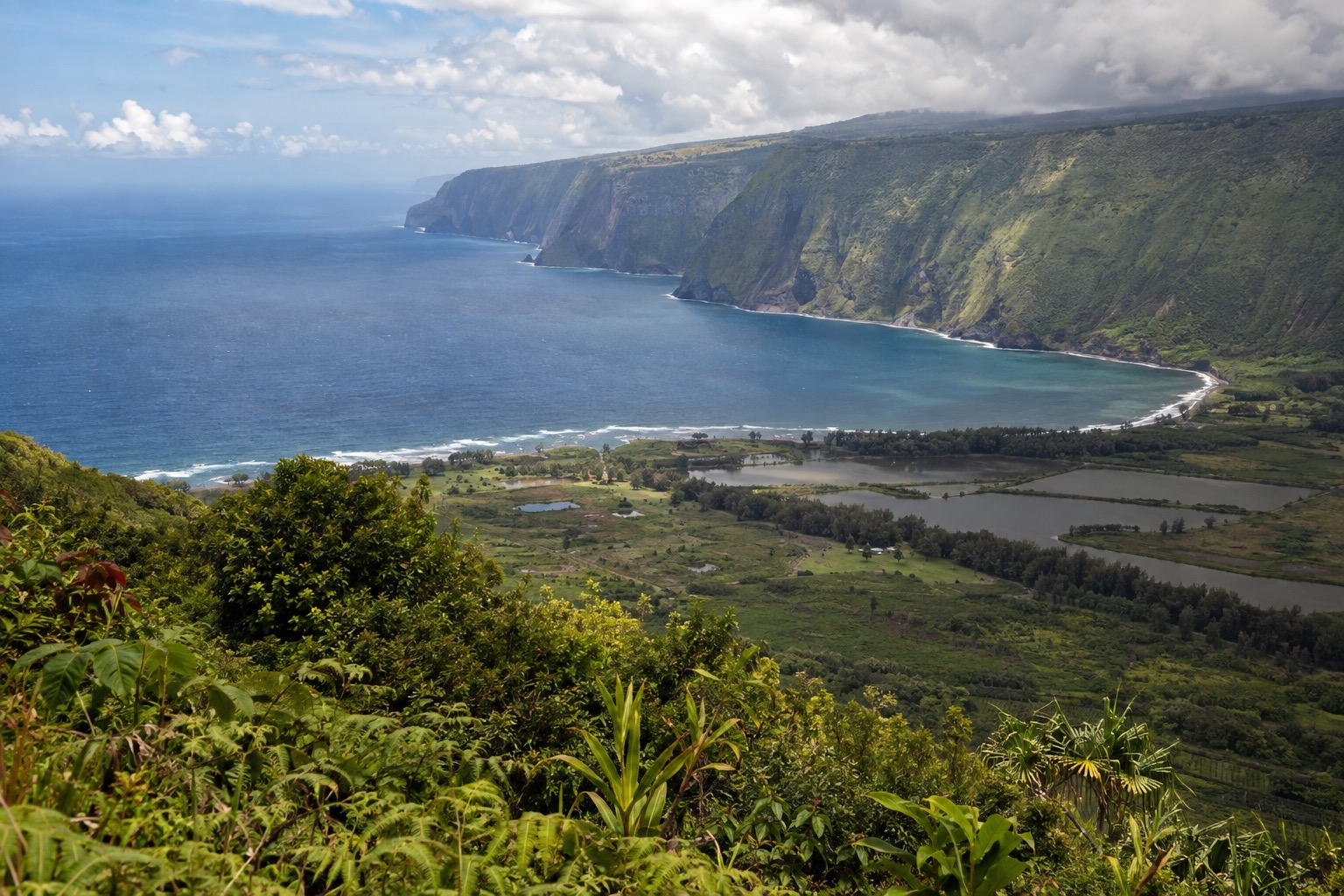
The airport sits on the dry central plain, so the rain you see there is light and passing, usually a quick shower carried in on the trade winds. Most of it falls on the green ridges and the wet east end of the island, where clouds pile against the mountains. Kaunakakai and the west side are often bright while the valleys above are wrapped in mist.
Mornings are fresh, the kind where you want a thin sweater for coffee on the porch. By midday the sun feels strong, and the trade wind keeps it comfortable. Evenings cool off enough for long sleeves, and the light fades early, with about eleven hours of daylight in the middle of the month.
Pack for a mix: a rain shell that fits in a daypack, shoes that can get muddy, and swimwear for the afternoons. The bigger rain belongs to the wet slopes of the east, so a day that starts gray in one valley may be sunny by the time you reach the coast.
Can you swim in Molokai in January?
Yes, the water is comfortable for a proper swim, though winter swells make some beaches a look-only stop. The sea off Molokai averages about 77.5°F this month, according to marine records, which feels refreshing rather than cold.
Winter brings bigger surf to north-facing shores, and the north coast of Molokai is mostly cliffs and rough water that few visitors reach. The calmer choices are usually on the south and west sides.
Papohaku on the west end is a very long, wide beach, but it can have strong shore break and currents, so it is often better for a walk than a swim. Near Kaunakakai the south shore is sheltered by a reef, with shallow, murky water that suits wading more than snorkeling.
Nervous swimmers and families should look for days when the water is flat and stay near the shore. Surfers and strong swimmers will find more action when swells arrive, but conditions change from day to day. Follow the beach signs and any lifeguard’s advice, and ask locals before you go in anywhere without a lifeguard. Bring a rash guard, water shoes for rocky entries and plenty of fresh water.
What to do in Molokai in January
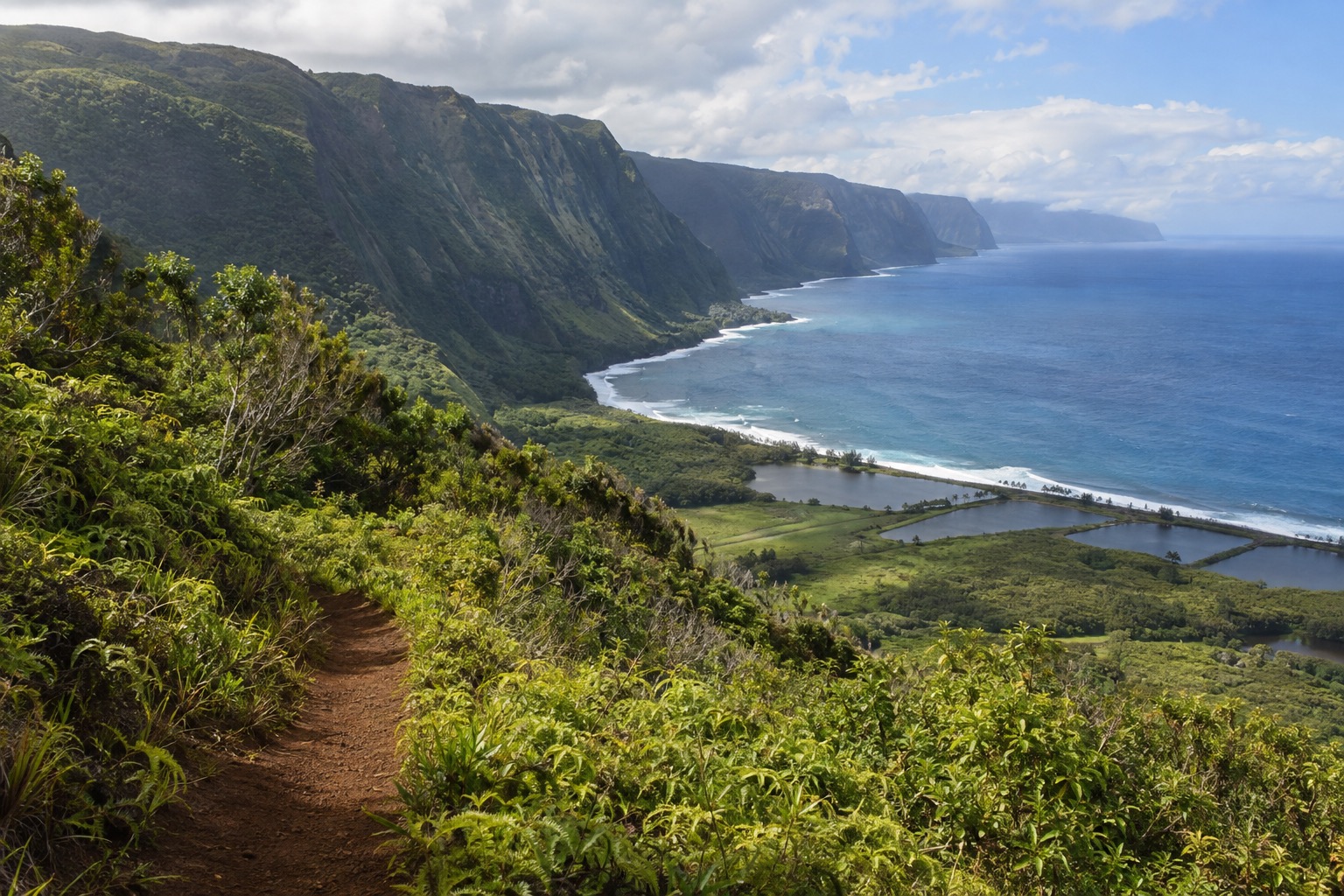
January is the time of year when Molokai feels greenest. The ridges are lush, waterfalls run in the valleys and the pastures glow after the winter showers. It is also humpback whale season in Hawaiian waters, so a look out to sea from the south shore may reward you with spouts and breaches, though sightings are never guaranteed.
Days here follow the island’s pace. Stop for hot bread at the back door of a small bakery in Kaunakakai, browse the stalls and shops along the main street, and talk to people. Locals fish, hunt and farm, and the conversation is part of the visit. Plate lunches, poke and fresh fish are the easy meals, and you can often buy fruit from roadside stands.
Kalaupapa and the north coast cliffs
The Kalaupapa peninsula lies below some of the tallest sea cliffs in the world, and the story of the former leprosy settlement there is told with great care. Access is limited and organized, usually on foot down the switchbacking trail or by small plane, and visits are arranged through the local tour operators rather than on your own. It is a moving day, not a casual outing.
In January the cliff trail can be slick with mud after rain, so sturdy shoes matter. Clouds sometimes cover the edge in the morning and open later, so patience pays off. Treat the settlement with respect, keep to your guide’s instructions and leave stones and plants as you found them.
The central uplands and Halawa
Inland, the road climbs toward cool forest and lookouts over the green interior. The Kamakou area and the Pepeopae bog are wet places with native plants, best seen on a drier day and with proper footwear. Some roads here are rough and muddy in winter, so ask locally before you head up.
The east end road winds past fishponds, small churches and glimpses of the neighboring islands to reach Halawa Valley. Winter swells can make the bay rough, and rain can keep the valley muddy. The valley is a place with deep cultural roots, and visits are usually made with a local guide who shares its history.
Beaches, birds and small stops
On the west side, Papohaku and Dixie Maru are good for walking and watching the sunset, and the light across the water toward Oahu is gorgeous in the cooler months. Near the airport, the dry plain feels very different from the green hills, with kiawe trees and open sky.
A short walk on the south shore may show fishponds built by early Hawaiians, and the quiet wharf in Kaunakakai is a pleasant place at sunset. Use these slow hours for a picnic, a book and the sound of the trade winds in the coconut grove.
A two-day itinerary for Molokai in January
Day 1 begins in Kaunakakai with coffee and hot bread, then a slow walk along the main street and the wharf while the morning is cool. Drive east in late morning along the south shore, stopping at the fishponds and small beaches, and take lunch from a roadside stand or a plate-lunch counter. Sunrise comes after seven in January, so there is no need for a dark alarm.
In the afternoon, continue to the wetter east end for the green valleys and lookouts, keeping an eye on the clouds. Return before the light fades, since daylight lasts about eleven hours, and have a simple dinner in town. If rain settles in, spend the afternoon in shops, a local cafe and a small museum or cultural center.
Day 2 heads west across the dry plain. Start with an early walk on Papohaku, when the beach is empty and the air is cool, and look at the surf from a safe distance. Midday suits a picnic in the shade of the trees, and the afternoon can be a drive through the ranch country or a visit to the cultural sites arranged locally.
Finish at the west shore for sunset, when the sky often turns orange over the water, and then drive back for dinner. On a rainy day, the west side is usually the drier choice, so keep it as your backup plan.
Is Molokai busy in January?
No, Molokai stays quiet in January, even while the more famous islands fill with winter visitors. The island has few hotels and little nightlife, so it never feels crowded the way Waikiki or Lahaina can.
The first days of the month still carry some holiday travel, so rooms and rental cars can be tight then. Book early for the holiday weeks, and a little later for the quiet stretch that follows. Molokai has a small supply of lodging and vehicles, so do not leave either to the last minute, even in a slow month.
Restaurants are few and often close early, so plan dinner before the evening runs on. Tours to places like Kalaupapa and Halawa run in small groups, which means they can fill even when the island seems empty. Reserve those first, and then build the rest of the days around them. Do check local notices on arrival for any site or trail you plan to visit, since conditions and access can change with the weather.
What to pack for Molokai in January
Think light layers, with something for wet ground and something for the sun.
- A light rain jacket, for showers that blow in from the ridges
- A sweater or long-sleeve shirt, for cool mornings and evenings
- Sturdy shoes, for muddy trails and wet valley roads
- Swimsuit and water shoes, for rocky entries and warm afternoons
- Mineral sunscreen and a hat, for the strong midday sun
- A daypack and water bottle, since services are sparse away from town
Good to know before you go
January falls outside the official hurricane season, which runs from June 1 to November 30. Winter does bring swells to north-facing shores, so ocean plans depend on the day. Services are limited and distances feel longer on narrow roads, so fill the gas tank and carry food and water when heading out. Lodging bills include state and county taxes.
| Fee | Amount | Who pays |
|---|---|---|
| State Transient Accommodations Tax | 11.00% | Guests, on lodging |
| Maui County surcharge on the General Excise Tax | 0.5% | Added to taxable sales in the county |
Molokai in January vs December and February
December is a touch warmer in both air and sea, and it brings the holiday rush, so rooms and cars are harder to find. The island itself stays calm, but the first part of the month can feel more booked. If you want the mildest water and do not mind planning earlier, December is the better fit.
February is similar in air temperature, with slightly fewer rain days and a cooler sea. Whale season continues, and the island remains quiet. Travelers who prefer less rain and do not mind a slightly cooler swim may like it just as well.
Choose January if you want the green hills, a calm schedule and easier booking after the holidays. Shift to December for the warmest water, or to February for a little less rain.
Is January a good time to visit Molokai?
Yes, for travelers who want a quiet, green island with mild weather and little hurry. It suits hikers, cultural travelers, whale watchers and anyone who likes slow days over scheduled ones.
It is a weaker match for those who want guaranteed beach days with flat water, big resorts or nightlife. Winter swells and passing showers can change plans, and the island offers few indoor attractions.
On arrival, stock up in Kaunakakai, confirm any tours you want, and ask locals about conditions on the roads and beaches. January on Molokai means green ridges, hot bread at the bakery and the sound of the trade winds through the coconut palms.
Sources
- NOAA NCEI, monthly normals 1991-2020, station USW00022534, checked September 8, 2026
- Open-Meteo Marine API, average 2015-2024, checked September 8, 2026
- sunrise-sunset.org, sunrise and sunset calculated for the 15th of the month, checked September 8, 2026
- Hawaii Department of Taxation, Tax Announcement No. 2025-03 (Transient Accommodations Tax Law Changes from 2025 Legislative Session), files.hawaii.gov/tax/news/announce/ann25-03.pdf, checked September 24, 2026
- Hawaii Department of Taxation, County Surcharge on General Excise and Use Tax page, tax.hawaii.gov/geninfo/countysurcharge/, checked September 25, 2026
- NOAA NCEI, monthly normals 1991-2020, station USW00021504
- NWS Honolulu / Central Pacific Hurricane Center, « 2026 Central Pacific Hurricane Season Outlook », weather.gov/hfo/hurricaneOutlook2026, checked September 24, 2026