
In August the afternoon clouds over the Costa Ballena pile up against the green ridge behind Uvita, and by the time the first drops hit the tin roofs the pelicans are already skimming the surf. Mornings smell of wet earth and fresh coffee, and the jungle is loud with birds. It is a lush, quiet month on this stretch of the southern Pacific, with a pilgrimage and a national holiday on the calendar and a good chance of humpbacks off the coast.
What is the weather like in Uvita in August?
Warm, soaked and green: this is the rainy season, so plan on sticky heat and a shower on most days rather than a long dry spell.
| Month | Average high (°F) | Average low (°F) | Rain days | Sea (°F) |
|---|---|---|---|---|
| July | 81.0 | 72.9 | 30.8 | 85.3 |
| August | 81.0 | 72.8 | 30.7 | 85.6 |
| September | 80.8 | 72.9 | 29.6 | 85.8 |
Mornings are the time to be outside. The air is already warm when you wake, the light is clear and the hills often steam after a night of rain. Rain usually settles in later, with the heaviest downpours in the afternoon and evening, and it can come hard enough to turn a dirt road into a stream.
Evenings stay mild, so you can sit on a terrace in a T-shirt while the roof drums. Clouds hide the sun much of the time, yet the glare between showers still burns, and everything you wear stays a little damp. Daylight lasts a bit over twelve hours, so the day starts early and ends by dinner.
The ocean, meanwhile, hardly cools at all. Showers pass over the water without changing it much, which makes a rainy afternoon a fine excuse to swim anyway.
Can you swim in Uvita in August?
You can swim at beaches around Uvita in August, but conditions vary, dangerous rip currents occur, and most beaches have no lifeguards or warnings. Playa Colonia and the long stretch near the park tend to roll in gently on some mornings and push harder on others, and the water can be cloudy after heavy rain when rivers carry silt to the shore. Snorkeling is best on clear days and near the rocky points, not right after storms.
Bring a rash guard and sunscreen, since the sun burns through thin cloud.
What to do in Uvita in August
August here is about rainforest, ocean and slow days. The first event on the calendar is August 2, when hundreds of thousands of Costa Ricans walk on pilgrimage to the Basilica of Our Lady of the Angels in Cartago.
You will see it on television in cafés and hear it discussed in town, even though the walk itself is far to the north. Mid-month, August 15 is Mother’s Day and a national holiday, so families gather for long lunches, and some shops and offices close.
Humpback whales travel these waters in the second half of the year, coming up from the southern hemisphere to calve, and August is within that stretch. Sightings are a chance, not a promise. Mothers with calves sometimes linger close to the surface, and dolphins often join the show.
Marino Ballena National Park and the whale’s tail
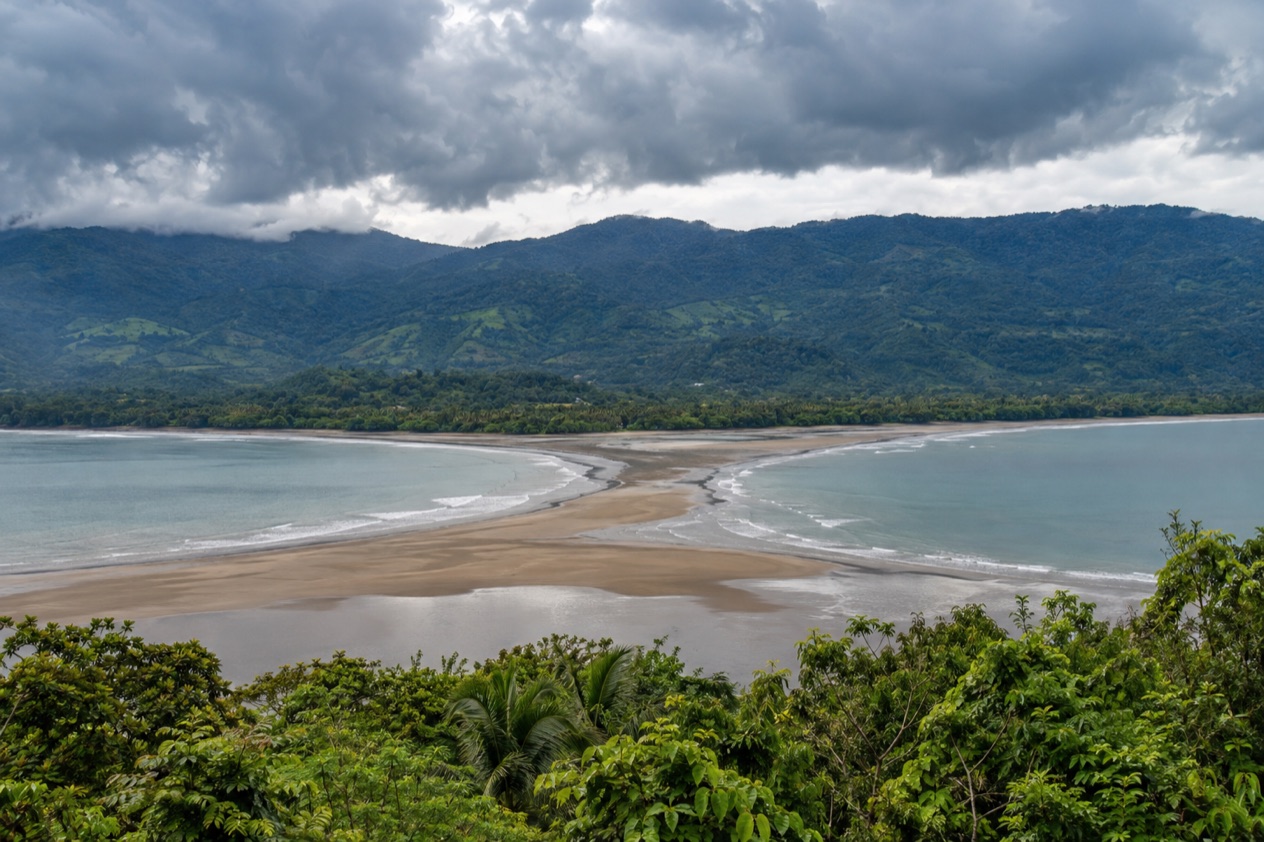
The park is why most people come.
Go in the morning, when the sky is usually clearest, and time your walk for the low tide. The tail is a short drive from town. The sand has little shade, so a hat and water help, and showers come fast in the afternoon.
Waterfalls and rainforest walks
The foothills behind Uvita hide waterfalls and forest trails, and the rains of August send them tumbling. Trails turn muddy and slick, so sturdy shoes matter.
A rain jacket stays in your bag, and you leave early enough to be back before the afternoon storm.
Coffee, cacao and a table by the road
On gray afternoons the town’s open-air restaurants and small cafés fill with travelers waiting out the rain.
Farms in the hills offer chocolate and coffee tastings, a good plan for a wet day. Mornings by the road also bring fruit stands with pineapple, watermelon and mango.
A two-day itinerary for Uvita in August
Day 1 starts early with the park. Be on the sand in Marino Ballena National Park when the air is cool and the light is soft, walk the whale’s tail at low tide and watch for birds. Back in town around midday, have a casado at a roadside soda before the clouds gather.
When the rain arrives, retreat to a covered terrace or to a chocolate and coffee farm for a tasting. If the sky clears by late afternoon, drive to Playa Colonia for a swim and an easy walk along the water. Dinner can be grilled fish at a beach restaurant, with the sky turning dark soon after the day’s twelve-odd hours of light.
Day 2 belongs to the forest. Set out at first light with a guide for a waterfall hike, when birds are loudest and the trails are coolest, and plan to be down well before noon. Cool off afterward in the sea.
In the afternoon, book a whale-watching boat if the sea looks workable, or stay dry with a slow lunch and a hammock. If the weather turns, a yoga class, a market stop for fruit and a long dinner make a good rainy-day finish.
Is Uvita busy in August?
Not very, since August is part of the green season and the town runs at a gentler pace than in the dry months.
Costa Rican families travel around Mother’s Day on August 15, so the weekend near it can feel livelier on the beaches and in the restaurants, and rooms near the coast fill sooner. Foreign visitors thin out, and the whale-watching boats are rarely crowded. Most days you can find a table without a wait.
A good habit is to book rooms early for the holiday weekend and to leave the rest of the month looser. Whale-watching and guided hikes are worth reserving ahead. Quieter beaches mean more space, but also fewer people in the water and no lifeguards at most spots, so swim with care.
What to pack for Uvita in August
Think light, quick-drying and waterproof, because you will be wet at some point each day.
- A light rain jacket, for the afternoon downpours that arrive with little warning
- Sandals with a strap and shoes with grip, for slick forest trails and wet sand
- A rash guard and swimsuit, since the sea stays warm and the sun is sharp
- Sunscreen and a hat, for the bright spells between clouds
- A dry bag, to keep a phone and papers safe on boats and trails
- Insect repellent, for damp forest evenings
Good to know before you go
The U.S. State Department rates Costa Rica Level 2, ‘Exercise increased caution,’ due to crime; it says petty crime is common throughout Costa Rica and that violent crime also affects tourists, including armed robbery, homicide and sexual assault.
The Atlantic hurricane season runs through the summer, and August falls in the green season on the Pacific side, where afternoon storms are the daily rhythm. Roads can be slick and rivers can rise quickly, so keep driving to daylight and leave early for any trip into the hills. Book boat trips and guides first, and keep a plan for a wet afternoon.
Uvita in August vs July and September
Going a month earlier changes little in the weather, since July looks almost the same: warm air, a warm sea and rain most days. July is a bit more crowded because of school vacations in some places, so rooms can be harder to find, while August feels calmer.
Moving to September keeps the sea just as warm and the rain just as regular, with a bit more cloud and fewer visitors. Humpbacks are still a chance in both months, and the forest is at its greenest.
If you want the Mother’s Day atmosphere and the Cartago pilgrimage in the news, stay with August. If you prefer the quietest beaches and the easiest bookings, September is the one to choose.
Is August a good time to visit Uvita?
It suits nature lovers, whale watchers, hikers with a guide and anyone happy to start early and finish by early afternoon. It is a poorer fit for those who want long, dry beach days or a reliable view from every lookout, because clouds and rain are part of the picture.
On arrival, check the tide table and the day’s forecast, then pick your outdoor morning first and your indoor afternoon second. What makes August special is the sound of the forest after rain and the chance that a humpback surfaces beyond the breakers.
Sources
- Open-Meteo / ECMWF ERA5, normals 1991-2020 computed for the grid cell at 9.1561N 83.7347W, checked October 8, 2026
- Open-Meteo Marine API, average 2015-2024, checked October 8, 2026
- sunrise-sunset.org, sunrise and sunset calculated for the 15th of the month, checked October 8, 2026
- U.S. Department of State, Costa Rica Travel Information, Safety and security (https://travel.state.gov/content/travel/en/international-travel/International-Travel-Country-Information-Pages/CostaRica.html), checked October 8, 2026
- U.S. Department of State, Costa Rica Travel Advisory, issued April 1, 2026 (https://travel.state.gov/content/travel/en/traveladvisories/traveladvisories/costa-rica-travel-advisory.html), read via the State Department open data API on October 8, 2026