
You step out of the airport into warm, damp air that smells of salt and frying tortillas, and within minutes a taxi is carrying you past palm-lined roundabouts toward a bay ringed by green mountains. Puerto Vallarta is easy to love, and a handful of habits make it easier still. A few things about money, water, the sea and the neighborhoods are worth knowing before you land.
What should you know before visiting Puerto Vallarta?
Four things matter most: pick the neighborhood that matches your trip, carry some pesos, respect the sea, and plan around the season. Everything else follows from those.
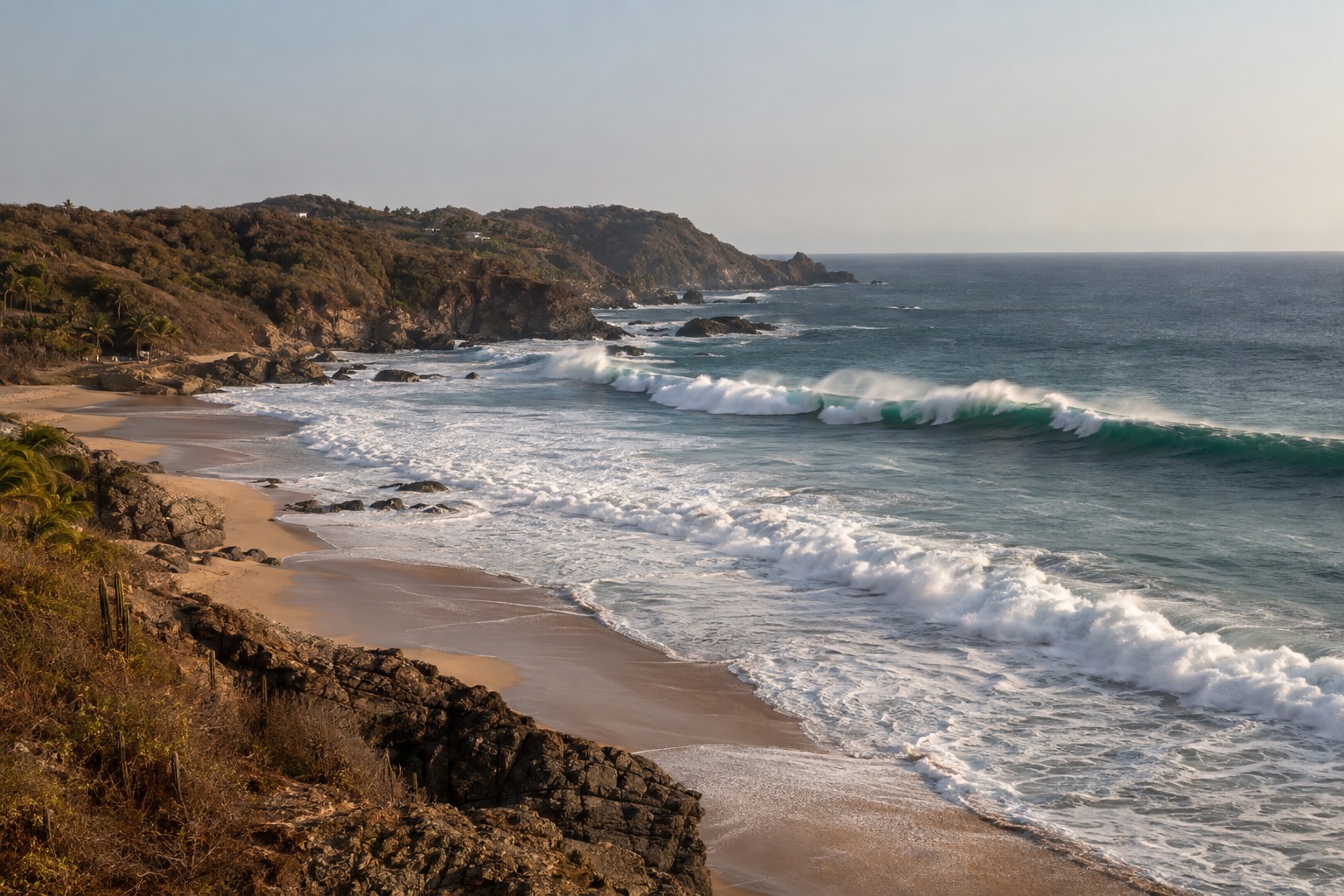
What surprises first-timers is how different the town feels from one end of the bay to the other. The Zona Romántica has cobblestones and late dinners, the Hotel Zone has big pools and a resort rhythm, and Marina Vallarta feels almost suburban. The beaches differ too, so the sea you swim in on one stretch is not the sea you meet on another.
Entry, fees and paperwork
Hotel bills in Mexico typically add IVA (value-added tax), plus a state lodging tax. In Jalisco, where Puerto Vallarta sits, that lodging tax rose to 5% for 2026, up from 4%. Nuevo Vallarta and Punta Mita lie across the state line in Nayarit.
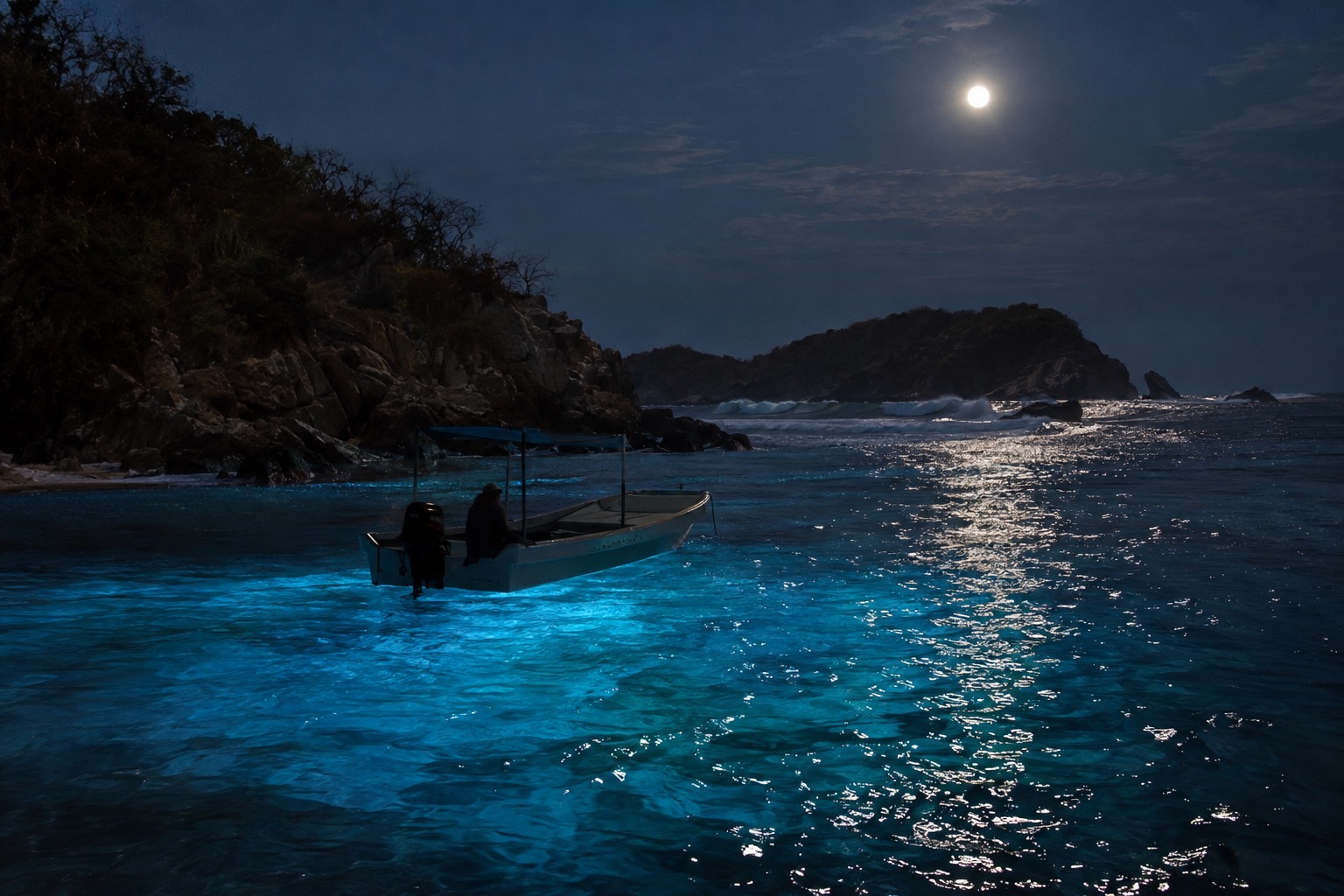
Some outings carry their own fee. The best known is the boat trip to the Marietas Islands, where the hidden beach is a protected national park. Since boats can’t steer straight into the opening in the rock, visitors make their way in from the open water by swimming or paddling through a short tunnel.
| Fee | Amount | Who pays |
|---|---|---|
| Lodging tax (Jalisco) | 5% of the room charge | Hotel guests in Jalisco |
| Playa del Amor entrance, Islas Marietas | 125 pesos, Wednesday to Sunday, 8:00 a.m. to 5:00 p.m. | Visitors to the site |
Money, cards and tipping
Pesos are the everyday currency, and they make small purchases smoother. Resorts and larger restaurants are used to cards, yet in the Zona Romántica plenty of small restaurants and shops only take cash, so a stash of bills saves awkward moments at taco counters and corner stands.
As a habit, visitors tip restaurant servers, bellhops, housekeepers and tour guides, and a few coins for the person who bags your groceries are appreciated. Many people tip in pesos, since small bills are easier for staff to use.
Getting around and staying connected
Distances from the airport are short. Marina Vallarta is only minutes away, the Hotel Zone and Centro take about 10 to 25 minutes, and the Zona Romántica takes 20 to 30 minutes by car or taxi. Conchas Chinas, up in the hills, is the farthest at 30 to 40 minutes.
Centro and the Zona Romántica invite you to stroll, and the two lie just 5 to 10 minutes from each other whether you go on foot or by bus. Buses and taxis cover the main road to other neighborhoods. In Marina Vallarta and the Hotel Zone, you will likely want a taxi to reach town, as the beach walks only link some hotels.
Staying in the hillside villas of Conchas Chinas without a car means relying on taxis up steep, winding streets, which is worth weighing when you choose where to sleep. Yelapa, a small village at the far end of the bay, has no road at all and is reached only by boat.
Health, water and the sun
The sun is strong year-round. Winter days are warm, with afternoons around 80°F, while summer brings hot, humid days in the upper 80s and a sea that feels like bathwater. Shade, a hat and plenty of water make a real difference, especially on boat days.
Summer is also the wet season, with rain on most days, often in heavy afternoon downpours, while January sees showers only now and then. Mosquitoes appear after the rains, so repellent is handy in the evening.
The sea changes by beach. At Playa Los Muertos, the water is usually calm for a swim, though the season can bring the odd wave, while Marina Vallarta’s beach looks out on the bay and tends to stay gentle. Hotel Zone beaches can have stronger waves and currents, so check the beach flags first. Conchas Chinas has rocky shores where water shoes help.
Local customs and etiquette
A greeting comes first. A cheerful buenos días or buenas tardes when you enter a shop or taxi is expected, and it often turns a transaction into a short friendly chat. A few words of Spanish are always welcomed, and people are patient with the rest.
Beachwear belongs on the sand. Cover up with a shirt or wrap when you wander into town, and dress modestly for the church of Our Lady of Guadalupe near the Centro plaza. Lunch is the main meal and is often eaten late in the afternoon, and dinner starts late as well.
In craft markets, polite bargaining is part of the fun, so smile, offer a little less and accept a fair middle. In restaurants and shops with posted prices, there is no haggling.
Good to know before you go
The U.S. State Department’s Mexico travel advisory rates Jalisco at Level 3, ‘Reconsider travel’.
From mid-May to the close of November, the eastern Pacific hurricane season is active, so any getaway you reserve for those months falls in that stretch and requires plans you can alter. Keep your hotel receipts and tour confirmations handy, since they show the taxes and fees you paid. A final tip: when you’re lodging in Centro, choose a place several blocks back from the Malecón, where the bars and traffic grow quieter once night falls.
Sources
- GAP, aeropuertosgap.com.mx, Puerto Vallarta, checked September 29, 2026
- GAP, press releases reported by T21 (« GAP inicia construccion de terminal 2… », August 30, 2022) and TradingView, read on September 29, 2026
- CONANP, Areas Naturales Protegidas, Islas Marietas fact sheet (descubreanp.conanp.gob.mx), checked September 29, 2026
- visitanayarit.com, « Islas Marietas: como llegar », checked September 29, 2026
- Secretaria de Turismo (SECTUR), gob.mx, « San Sebastian del Oeste, Jalisco », publiee le 2 octobre 2019, checked September 29, 2026
- Congreso del Estado de Jalisco, Ley de Ingresos del Estado de Jalisco para 2026, article 12; El Informador, « Avalan Ley de Ingresos de Jalisco para 2026 », December 15, 2025, read on September 29, 2026
- U.S. Department of State, Mexico Travel Advisory (travel.state.gov), updated August 11, 2026, checked September 29, 2026
- NOAA National Hurricane Center, official Eastern Pacific season (nhc.noaa.gov), checked October 5, 2026
- Servicio Meteorologico Nacional (CONAGUA), normales climatologicas 1991-2020, estacion 14339 (El Cuale, Puerto Vallarta), checked September 29, 2026
- Open-Meteo Marine API, average 2015-2024, checked September 8, 2026
- sunrise-sunset.org, sunrise and sunset on the 15th of the month, checked September 8, 2026
To plan your stay
- Best Time to Visit Puerto Vallarta: Weather by Month, Crowds, Swimming and Festivals
- Things to Do in Puerto Vallarta: Malecón Walks, Los Arcos, Yelapa and Day Trips
- Where to Stay in Puerto Vallarta: Zona Romántica, Centro, Marina Vallarta and the Hotel Zone
- Puerto Vallarta Airport to City: Taxis, Buses and How Far Each Neighborhood Is