
Late in the afternoon the whole town drifts toward the water, and by the time the light goes copper, vendors are selling paletas and fish tacos are sizzling a block inland. La Paz is a relaxed Baja California Sur city that faces its bay instead of turning its back on it. It suits travelers who want island boat days and good seafood without the resort bustle of Los Cabos.
Where is La Paz and what is it like?
La Paz is the capital of Baja California Sur, set on the calm Gulf of California side of the peninsula, with its own bay and a string of islands just offshore. It feels like a working town that happens to be beautiful, with fishing boats, government offices, university students and visitors all sharing the same sidewalks.
The pace is unhurried. Mornings start slowly, dinners run late, and the center is easy to cover on foot. Travelers who love boats, snorkeling and a walkable downtown tend to fall for it. Those who want a big sandy beach outside the hotel door, or all-inclusive resorts and nightclubs, may find it too mellow, since most of the waterfront in town has no beach to speak of.
What is there to do in La Paz?
The reasons to come are the water, the islands, the animals in the bay and the town itself. What sets La Paz apart from its neighbors is that these things happen close to a real city, so you can spend the day at sea and still eat dinner among locals.
The Malecón and the historic center
The Malecón is a long seafront promenade lined with sculptures, ice cream stands, benches and a steady stream of walkers. It is flat and easy, and the hour before dark is when it is at its liveliest, with the bay turning pink and orange. Swimming here is not common because of boat traffic and the lack of beach access, so think of it as a place to stroll rather than a place to swim.
Only a few blocks inland, the center has narrow streets, colorful colonial buildings, cafés, craft shops and many restaurants. Evenings are busy with locals and visitors strolling. Everything is reachable on foot, and taxis are easy to find when you tire. Plan a slow dinner of fresh seafood, ceviche or a chocolate clam, a regional specialty.
Swimming with whale sharks
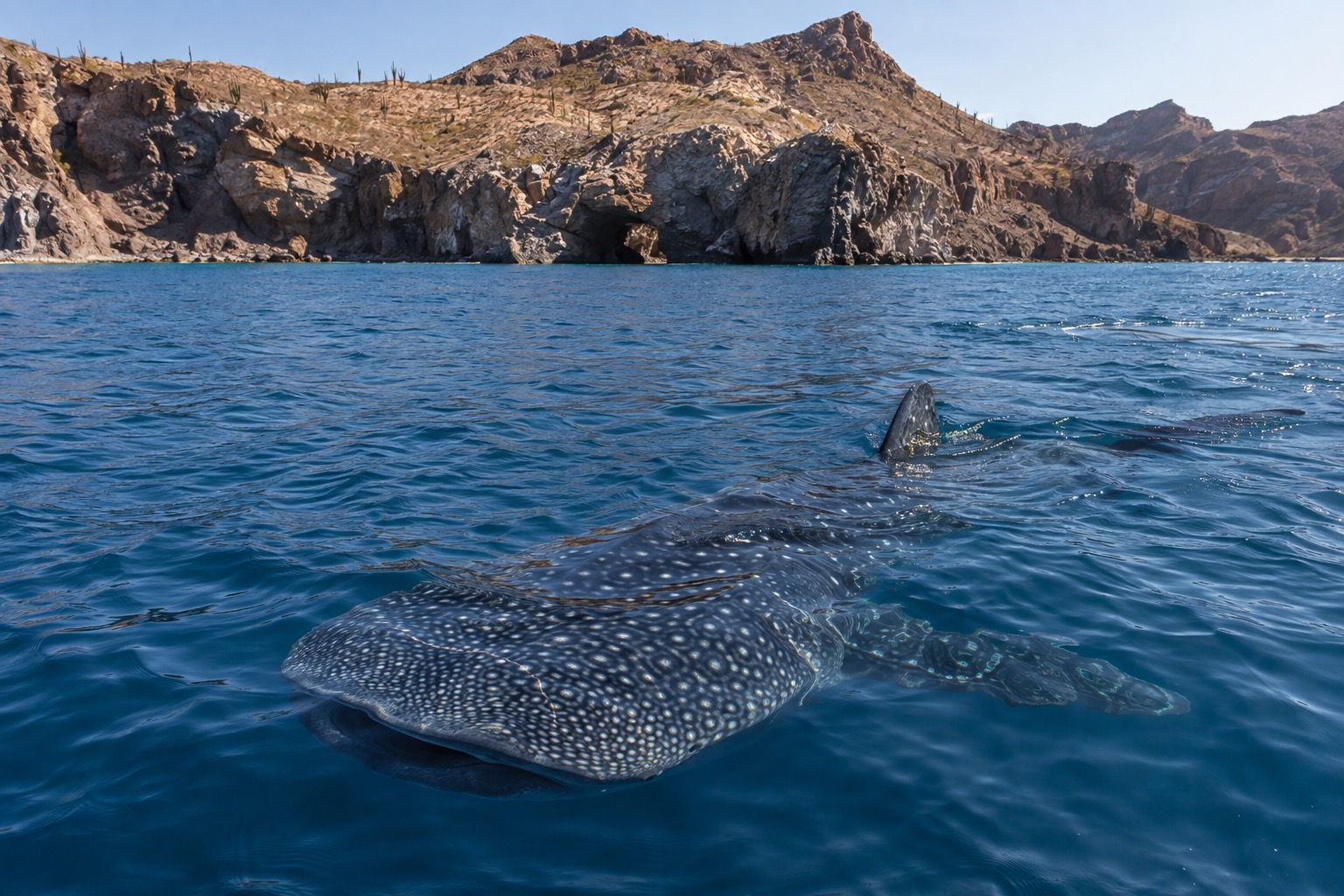
The bay is one of the few places where you can meet whale sharks, the gentle giants that filter plankton near the surface. Outings leave by boat from the waterfront and spend a morning looking for them, with snorkelers entering the water only when a guide gives the signal.
The encounters are managed under a federal plan, and the current season began on October 1 and continues through April 30. That makes the cooler months the natural time for it. It suits confident swimmers and curious kids with life jackets, and the rules about distance and behavior are part of the experience. Bring reef-safe sunscreen, or better, wear a long-sleeve rash guard.
Isla Espíritu Santo
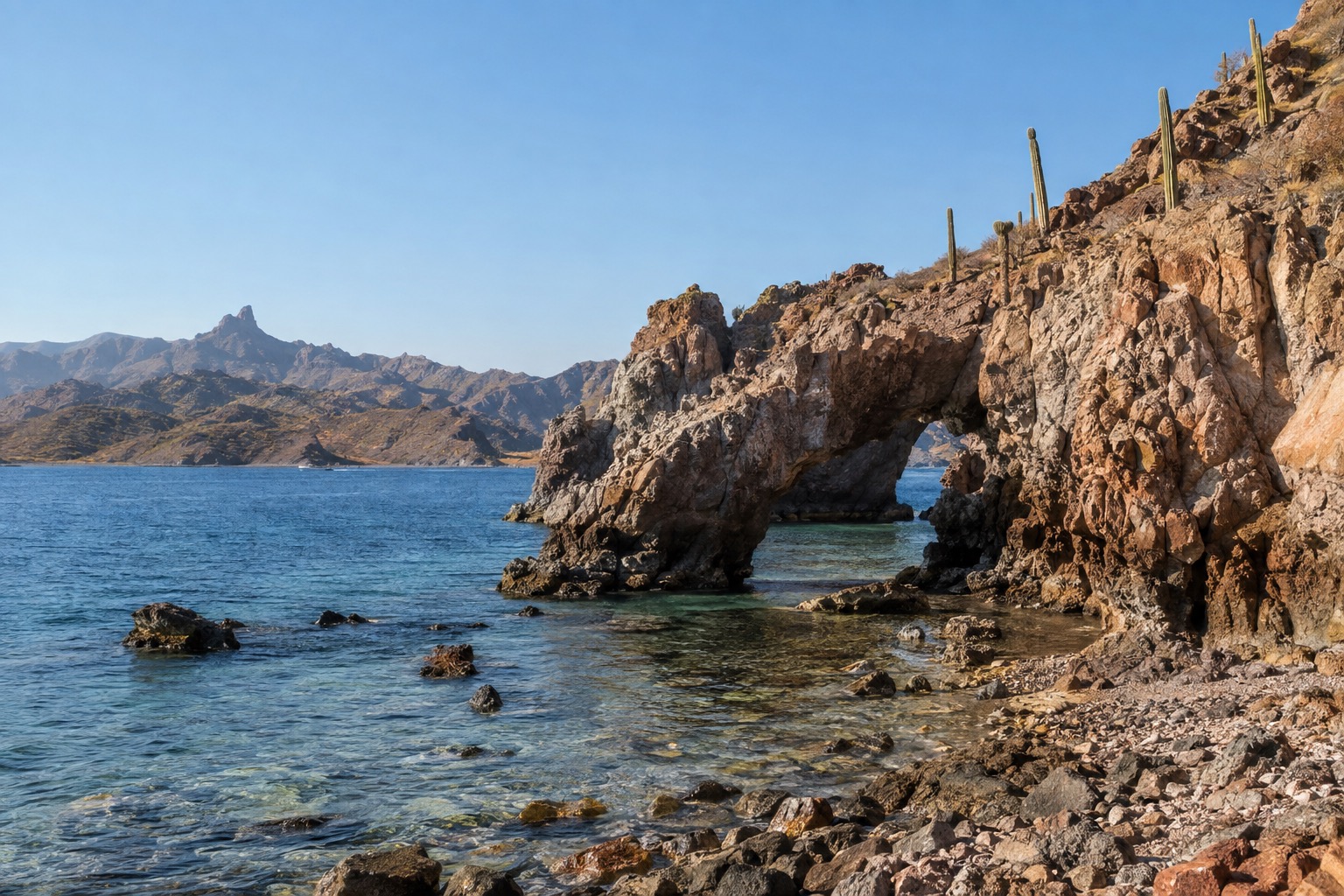
Espíritu Santo is the day trip nearly everyone takes. As a national park, it forms part of a UNESCO World Heritage designation covering the Gulf of California’s islands and protected areas. Expect red rock cliffs, pale coves, clear water and a sea lion colony where snorkelers share the water with playful pups.
Boats leave from the town’s waterfront and the ride is a short one, with a stop at a beach for lunch. It suits families, snorkelers and photographers. Leave in the morning, while the sea is calmer and the sunshine is gentler, and wear a hat, because the boat offers almost no shade.
Wind sports at La Ventana and El Sargento
Southeast of town, two small villages sit on a windy bay known for reliable thermal winds from November to March. Kitesurfers and windsurfers come for the season and many stay for weeks. The feel is rustic, with dirt roads, a few small restaurants and bars, and almost no nightlife.
Even if you do not ride, it is fun to watch the sails fill the bay in the afternoon. A rental car is the practical way to get there, since public transport is very limited. Bring enough cash, because ATMs are scarce and some small businesses do not take cards.
How many days do you need in La Paz?
A long weekend covers the essentials, though four or five days let the town settle in.
In a short stay, give one day to the island boat trip, one to the center and the Malecón, and one morning to the whale sharks if the season is on. A longer visit leaves room for a slow beach afternoon, a kitesurf lesson in La Ventana, or simply a second round of seafood dinners.
With more time, add La Ventana and El Sargento as an overnight, or take the ferry across the gulf to the mainland as part of a wider trip. The town rewards unrushed days more than a packed list.
Where to stay in La Paz
El Centro suits travelers who want to walk to dinner, culture and nightlife and do not need a beachfront room. Lodging there runs from boutique hotels and guesthouses to apartments and hostels, often in restored buildings. Rooms fill quickly during Carnaval, Semana Santa and other festivals, so book early for those weeks.
Along the Malecón, hotels are mostly mid-range to upscale, with sea views and easy walks, though no beach at the door. A room on an upper floor or on the side away from the road is quieter.
Marina Costa Baja is a landscaped resort area with a golf course, calm waters and a pool, good for families and boaters, but a car or shuttle is needed to reach downtown. La Ventana and El Sargento suit kitesurfers and long stays, with small guesthouses and casitas.
How do you get to La Paz and get around?
Most visitors fly into La Paz International Airport, a regional airport that handled well over a million passengers in 2025. A second route is the ferry from Topolobampo on the mainland: weekday sailings leave in the early afternoon and arrive in the evening, while the Saturday crossing leaves late at night and arrives the next morning.
In town, you walk. The center and the Malecón are flat and compact, local buses and taxis run along the waterfront, and a rental car is not necessary if you stay there. A car does make sense for Marina Costa Baja and is highly recommended for La Ventana and El Sargento.
When is the best time to visit La Paz?
The cooler months, roughly from late fall into spring, are the most comfortable for boat days, and they coincide with the whale shark season and the wind season at La Ventana. Evenings on the Malecón are pleasant then, and island trips are easier on the skin.
Summer is hot, and it falls inside the eastern Pacific hurricane season, which officially runs from May 15 to November 30. Early autumn still sits within that window, so the weather can turn stormy in those weeks.
Carnaval and Semana Santa are the busiest times in town, with central rooms filling quickly. Holy Week moves every year, so check when it falls before planning around it.
Good to know before you go
La Paz is a laid-back city where a little cash is handy for small shops and for the villages outside town. Take the usual habits of any city after dark, and keep an eye on the sea conditions before heading out on a boat. The eastern Pacific hurricane season is worth keeping in mind when you book.
| Fee | Amount | Who pays |
|---|---|---|
| Lodging tax (Impuesto sobre la Prestación de Servicios de Hospedaje) | 4% | Guests staying in lodging in Baja California Sur |
Sources
- Secretaria de Medio Ambiente y Recursos Naturales (SEMARNAT), official notice of September 17, 2026 on the 2026-2027 season of the whale shark refuge zone, gob.mx, checked September 29, 2026
- CONANP (national park status) and UNESCO, inscription "Islands and Protected Areas of the Gulf of California" (2005), corroborated by El Sol de Mexico, August 10, 2024, oem.com.mx, checked September 29, 2026
- Grupo Aeroportuario del Pacifico, La Paz, aeropuertosgap.com.mx, checked September 29, 2026
- Baja Ferries, "Rutas y Horarios", bajaferries.com.mx, checked September 29, 2026
- Ley de Hacienda del Estado de Baja California Sur, art. 13 (mirror Secretaria de la Contraloria y Transparencia Gubernamental de BCS, contraloria.bcs.gob.mx); 2026 rate confirmed by El Contribuyente, ISH 2026 table, elcontribuyente.mx, read on September 29, 2026
- U.S. Department of State, Mexico Travel Advisory (reissued May 29, 2026), section "Risks in specific areas" / State of Baja California Sur, travel.state.gov, read live via browser on 29 September 2026
- NOAA National Hurricane Center, official Eastern Pacific season (nhc.noaa.gov), checked October 5, 2026
All our pages
When to go
- Best Time to Visit La Paz: Weather by Month, Whale Sharks, Crowds and Festivals
- La Paz in January: Whale Sharks, Cool Sea and Sunny Waterfront Days
- La Paz in February: Whale Sharks, Sea Lions, Carnaval and Winter Weather
- La Paz in March: Gray Whales, Whale Sharks, Dry Sunshine and Sea Days
- La Paz in April: Island Days, Late Whale Shark Swims and Dry Desert Heat
- La Paz in May: Desert Heat, Malecón Evenings, Island Boat Days and Warm Sea
- La Paz in June: Desert Heat, Warm Bay Water, Seafood and Island Days
- La Paz in July: Desert Heat, Warm Sea, Sea Lions and Slow Evenings
- La Paz in August: Heat, Warm Sea, Hurricane Season and Island Days
- La Paz in September: Independence Day, Hot Seas and Late-Summer Storms
- La Paz in October: Warm Sea, Whale Shark Season and Quiet Malecón Evenings
- La Paz in November: Sea Lions, Whale Sharks, Malecón Evenings and Warm Water
- La Paz in December: Whale Watching, Christmas Posadas, Mild Weather and Malecón Evenings