
You step out of the station and the city seems to lower its voice. Low wooden-fronted shops, narrow lanes and the dark shapes of old trees take over from the towers, and the air carries the smell of something being grilled for a snack. Yanaka is a Tokyo neighborhood for wandering without a plan, with a cemetery, a clock museum and small independent shops along the way.
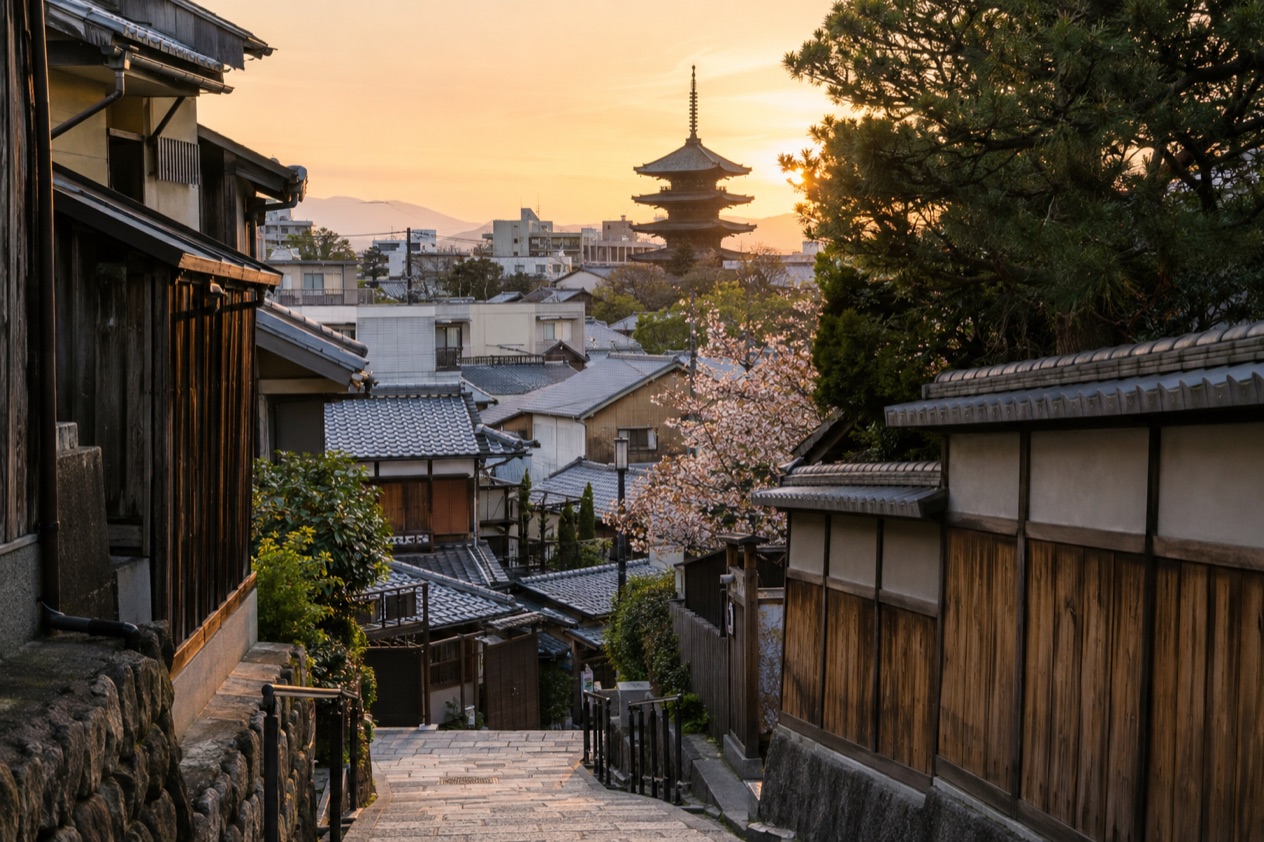
Is visiting Yanaka worth it?
Yanaka is one of the few Tokyo neighborhoods where the old Shitamachi atmosphere can still be felt. Shitamachi means the low-lying “downtown” of old Tokyo, the part of the city that belonged to merchants and craftspeople, and here that character shows in the scale of the buildings and the way shops sit right on the lane.
It suits travelers who like to look, to pause and to buy a small thing from the person who made or sells it. It suits photographers, people who enjoy cemeteries and old temples as quiet green spaces, and anyone who has already done the big districts and wants a change of pace. It is less suited to those who want nightlife, department stores or a string of headline sights.
What sets it apart from the glossier parts of Tokyo is the independence of its commerce. Around 70 privately owned small stores gather here, a very different picture from Ginza, which is an upscale downtown area with high-end restaurants and luxury shops, or Nihonbashi, known for its heritage and as the main financial district of Japan. Yanaka belongs to a trio of neighborhoods with Nezu and Sendagi in Bunkyo ward, together called Yanesen, so the walk can easily spill into the next district and stretch into a full afternoon.
Tokyo sits on Tokyo Bay in the Kanto region, on Honshu, and the city is reached through Haneda Airport and Narita Airport. Yanaka itself is the antidote to arrival-day sensory overload: nothing here asks you to hurry, and the reward comes from turning down the lane you did not plan to take.
What to see at Yanaka
Yanaka Cemetery
The cemetery is the largest single presence in the neighborhood, taking up most of Yanaka 7-chome. Wide paths run beneath tall trees, and old stone markers and family plots sit close together, with moss and fallen leaves softening their edges. It reads less as a place of sorrow than as a green pause in the middle of the city, and local residents pass through it on ordinary errands.
Walk it slowly and look at the details: the carved characters on the stones, small offerings left at some graves, the way the light filters through the branches. In spring and autumn the trees change the whole mood of the place. As in any cemetery, voices stay low and photographs are taken with respect for the people who come to visit their families.
The small shops and the lanes of old Shitamachi
The commercial heart of Yanaka is its collection of around 70 privately owned small stores. Expect the kind of shops where the owner is behind the counter: snack sellers, craft and paper goods, small food shops and the sort of boutiques that sell one thing well. Prices and opening times vary from one shop to the next, so the pleasure lies in browsing rather than in a fixed route.
Look up as well as ahead. The roofs, signboards and wooden details tell you how the neighborhood has kept its older scale. Snacks eaten standing at the shop front, a cup of tea in a small cafe and a loaf or sweet carried away in a paper bag are all part of how Yanaka is usually enjoyed.
Daimyo Clock Museum
The Daimyo Clock Museum is in Yanaka, and it gives the walk an indoor chapter. Daimyo were the regional feudal lords of old Japan, and the museum is devoted to the clocks associated with that world. Timepieces of that era were made to Japanese ways of reckoning the hours, which makes them quite different from the clocks we know.
It pairs well with a rainy hour or a pause after the cemetery. Go for the craftsmanship: small mechanisms, lacquer and metalwork, and the sense of a culture measuring time on its own terms. Opening hours and admission are not set out here, so look them up before heading over.
Nezu and Sendagi next door
Yanaka forms Yanesen with the neighboring Nezu and Sendagi, all in Bunkyo ward. Treating the three as one walking area gives the day more shape: you can begin in one, let the lanes carry you into the next and finish wherever you find a place to sit down.
There is no need to separate them on a map. The change from one neighborhood to the next is subtle, a shift in the mix of houses, shops and small temples rather than a border you cross, and that gradual change is part of the charm of Yanesen.
When to visit Yanaka
Because Yanaka is a neighborhood of open lanes and a large outdoor cemetery, the weather shapes the visit more than any opening hour. The walk is mostly outside, with the clock museum and the shops as shelter, so a dry day with a pleasant temperature is what you want.
Spring and autumn
April brings a mean temperature in the high 50s and highs near 67°F, comfortable for hours of walking, though around nine days of rain mean a light rain layer is wise. The cemetery’s trees add seasonal color to the paths in spring, and the shops are easy to enjoy at an unhurried pace.
October is the other gentle month, with highs around 72°F and lows near 59°F. It is also one of the wetter months, with rain on about ten days, so it pays to carry a compact umbrella and to keep the indoor stops, such as the clock museum and a cafe, in mind. Between showers the cool air suits a long walk through the lanes.
Summer and winter
July is hot and humid, with highs around 86°F and humidity in the mid-70s percent. A wander through the shaded cemetery is more bearable than a stroll down open streets, but short outings with frequent stops for a cold drink suit the season.
January is cold and bright, with highs near 50°F and lows just above freezing. Rain is uncommon, around four to five days, and a little snow or sleet falls on some days. Warm layers make the walk pleasant, and a hot drink from a small shop fits the mood.
| Month | Average high (°F) | Average low (°F) | Precipitation (inches) | Days with rain |
|---|---|---|---|---|
| January | 49.6 | 34.2 | 2.35 | 4.5 |
| April | 66.9 | 49.6 | 5.26 | 9.5 |
| July | 85.8 | 72.3 | 6.15 | 10.5 |
| October | 71.6 | 58.6 | 9.24 | 10.5 |
Time of day
Shop hours differ from one small store to the next, so the middle of the day is the safest bet for finding most of them open and for browsing at ease. The cemetery is a place for daylight, when the trees and carved stones can be properly seen.
Tips for your visit
Wear comfortable shoes, because Yanaka is a place you explore on foot, and the lanes and cemetery paths reward a slow pace. Bring a small bag for purchases, since the shops sell the kind of small items that are easy to carry home, and a reusable water bottle in warmer months.
Building the day
Start in the lanes with the small stores, pause for a snack, walk through the cemetery, and fit the Daimyo Clock Museum in when you want to be indoors. If energy remains, continue into Nezu and Sendagi, which belong to the same Yanesen area.
Leave room for the unplanned. The best moments in a neighborhood like this tend to be a side lane, a shop window or a cup of tea you did not expect to stop for, and a tight schedule would crowd them out.
Combining Yanaka with other parts of Tokyo
Yanaka is a good counterweight to the polished districts of the city. Pair it with a different kind of day, such as Ginza and Nihonbashi, with their luxury shops and financial heritage, or Roppongi and Akasaka, to feel how widely the character of Tokyo changes from one district to another.
Doing the quiet neighborhood first and the glossy district afterward, or the other way around, makes for a fuller picture of the capital than staying in one register. Each stands out more sharply beside the other.
Families and mobility
Children often enjoy the snacks at the small shops, the cats and old houses you may spot along the lanes, and the sheer novelty of a neighborhood with so many tiny stores. The cemetery works best with a reminder to keep voices low and hands off the graves.
Since a visit means a lot of walking along lanes and paths, plan breaks and sit-down stops. Cafes and small tea places make natural rest points, and the clock museum offers an indoor pause when tired legs or weather call for one.
Good to know before you go
Many small independent shops may prefer or only accept certain ways of paying, so carry some yen for the little purchases that make up a Yanaka afternoon. Habits of the place are simple: speak softly in the cemetery, keep to the paths and be considerate when taking photographs of shopfronts and residents. October and the early autumn months are among the wetter times of the year in Tokyo, so a light rain jacket is a sensible companion on a walking day.
Sources
- Wikipedia, Yanaka, Tokyo (https://en.wikipedia.org/wiki/Yanaka,_Tokyo), checked October 11, 2026
- Japan National Tourism Organization, Tokyo (https://www.japan.travel/en/destinations/kanto/tokyo/), checked October 11, 2026
- Japan Meteorological Agency (JMA), Normal values 1991-2020, monthly (https://www.data.jma.go.jp/stats/etrn/view/nml_sfc_ym.php?prec_no=44&block_no=47662), station Tokyo, elevation 25 m, checked October 11, 2026
To plan your stay
- Best Time to Visit Japan: Cherry Blossoms, Autumn Colors, Weather and Festivals
- Where to Stay in Japan: Ryokan, Temple Stays, Capsule Hotels and the Best Cities to Base In
- Sending Luggage from the Airport in Japan: Hands-Free Travel, Hotel Delivery and Coin Lockers
- Know Before You Go to Japan: Entry, Money, Etiquette and Getting Around