
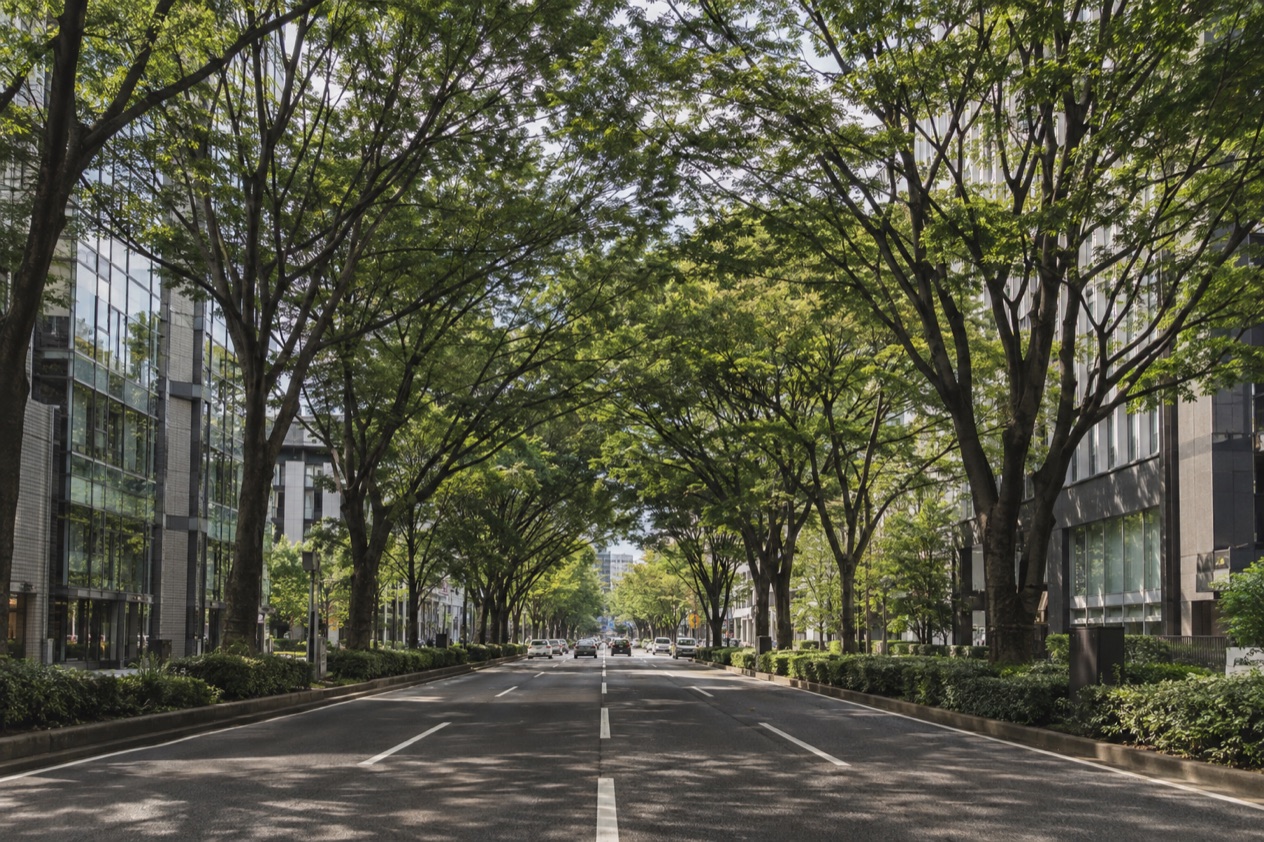
In early August, Sendai’s covered shopping arcades fill with enormous paper streamers that sway overhead like colorful waterfalls, and the whole downtown seems to rustle with every passing breeze. Under the zelkova trees that line its main avenues, the city moves at an unhurried pace, with students cycling past and office workers heading for lunch. Sendai is a green, university-minded city in northeastern Japan, a good fit for travelers who like a real city with a festival calendar and easy access to the coast.
Where is Sendai and what is it like?
Sendai is the capital of Miyagi Prefecture and the largest city in the Tohoku region, on Japan’s main island of Honshu in the northeast of the country. It is home to around one million people, which gives it the feel of a true regional hub rather than a small town. The coast of Miyagi, with Matsushima Bay, lies close by, and the city makes a sensible base for exploring the wider Tohoku region.
The city’s nickname says a lot about its character. Sendai is called Mori no Miyako, the City of Trees, and the name fits: broad avenues are lined with trees, and green spaces break up the grid of offices, shops and restaurants. The modern city was founded by the daimyo Date Masamune, the feudal lord whose name still turns up all over town, from souvenirs to street names.
There is also a youthful side. Sendai is home to Tohoku University, one of Japan’s former Imperial Universities, and the student population shapes the cafés, bookshops and casual eating places around the center. The mood is relaxed, more neighborly than the great metropolises further south.
Who will love it? Travelers who like to settle into a city, walk under trees, eat well and make easy outings to shrines and the bay. Who may not? Anyone looking for the dense, neon-lit spectacle of Tokyo or the temple-filled old streets of Kyoto. Sendai is quieter in spirit, and its pleasures come from the festivals, the food and the surrounding region.
What is there to do in Sendai?
Sendai’s appeal rests on a few clear reasons to come: a famous summer festival, a shrine with a distinctive look, a city center best explored on foot or by tourist bus, and the coast of Miyagi close at hand. Together they make the city feel like a complete destination rather than just a stop on the way north.
The Tanabata Festival
Sendai Tanabata is the largest Tanabata festival in Japan, and it is the event that defines the city’s summer. The celebration opens with fireworks on the evening of August 5, and the festival proper runs from August 6 to August 8. Tanabata, the star festival, is about wishes written on strips of paper and hung from bamboo, and in Sendai the decorations are on a grand scale.
You walk beneath the streamers through the downtown arcades, taking in the craftsmanship of each one. It suits anyone who enjoys a street festival with a gentle, decorative character rather than loud crowds of performers. Since the festival dates are fixed, it is easy to build a trip around them, and lodging in the city will be in demand around those days.
Osaki Hachimangu Shrine
Osaki Hachimangu Shrine is notable for its 16th-century Azuchi-Momoyama style architecture, finished in black and gold. The dark lacquer and the gleaming gilt give the buildings a richness that stands out from the plainer wooden shrines you may have seen elsewhere in Japan. Architecture lovers and photographers will find plenty to study in the carved details and the contrast of colors.
The shrine is also the site of the Donto-sai Festival, held every year on January 14. It is a winter ritual, so it suits travelers who do not mind the cold of a Tohoku January and want to see a local tradition in its own setting.
Getting around the sights by Loople bus
The Loople tourist bus is a hop-on, hop-off service that connects the major tourist sites in Sendai. It operates from 9 a.m. to 4 p.m. and provides multilingual announcements and information, which helps first-time visitors who cannot read the signs. It gives the city a loose structure: you step off where something catches your interest and rejoin the loop afterward.
Matsushima and the Miyagi coast
Matsushima is a town on the east-central coast of Miyagi Prefecture, with Matsushima Bay to its east. It is the natural counterweight to the city: after a day among streets and shrines, the bay offers open water and a change of scenery. It is the outing that most Sendai visitors weigh first when they want to see the coast.
It suits travelers who want to pair an urban base with a seaside day. Since the sea is only one part of the picture, plan it as a half-day or full-day excursion rather than a move to a new base.
How many days do you need in Sendai?
A long weekend of two to three days covers Sendai well, and a few more days opens up the wider Tohoku region. The city itself is not a place of endless sights, so its best use is as a comfortable base with a few strong anchors.
In a short stay, spend one day on the city: the Loople bus loop, the black-and-gold Osaki Hachimangu Shrine, a slow walk under the trees that earned the city its nickname, and an evening of local food in the center. A second day can go to Matsushima and its bay, which gives you both city and coast without rushing.
If you arrive in early August, build the whole trip around Tanabata. Wandering the decorated arcades at different times of day, once during the festival and again after the crowds thin, shows how much the streamers change the feel of the city.
With more time, use Sendai as the hub for the wider Tohoku region. The city’s role as the largest in northeastern Japan makes it a practical place to return to between outings, and the Shinkansen connection to Tokyo means you can also start or finish a longer trip here.
Where to stay in Sendai
The most practical area for visitors is the neighborhood around Sendai Station, since this is where the Shinkansen arrives and where the long-distance buses from Tokyo come in. Staying here puts you at the center of the city’s transport and close to the downtown arcades where the Tanabata streamers hang. It suits first-time visitors, travelers on a short stay and anyone who plans to head out for day trips.
The downtown shopping streets and covered arcades are another sensible choice, particularly for people who want restaurants, shops and evening strolls on the doorstep. This is the heart of the city during the summer festival, so it is the place to be if Tanabata is the reason for the trip.
Those who prefer a calmer base can look toward the greener parts of the city, where the trees that give Sendai its nickname are most noticeable.
If your main goal is the coast, Matsushima is a town of its own on Matsushima Bay, and some travelers choose to spend a night there to enjoy the bay at a slower pace. For a first visit, though, the central base around the station keeps everything within reach and leaves the choice of excursions open.
How do you get to Sendai and get around?
The Shinkansen from Tokyo is the rail way in: the Tohoku or Akita Shinkansen lines reach Sendai Station in about 1 hour 30 minutes. The city lies 224 miles (220 miles) from Tokyo, so the bullet train makes the trip a comfortable one-way leg of a longer journey through Japan.
Long-distance buses are the other option. Daytime and overnight services from Tokyo Station and Shinjuku Station take between 5 and 7 hours to reach Sendai, which gives travelers a choice between speed on the train and an overnight ride on the road.
Once in the city, the Loople tourist bus is the visitor-oriented way to move between the main sites. It runs from 9 a.m. to 4 p.m., with multilingual announcements and information, and lets you hop on and off at each stop. Between stops, the city center rewards a stroll, especially along the tree-lined avenues and through the covered arcades. For the coast, Matsushima sits on the east-central shore of Miyagi Prefecture, with Matsushima Bay to the east, so plan it as a separate outing from the city.
When is the best time to visit Sendai?
Early August is the headline moment. Sendai holds its Tanabata Festival, the largest in Japan, with fireworks on August 5 and the festival itself from August 6 to August 8. If you want the city at its most festive, this is the time, though the summer is also when the climate is at its warmest and wettest.
Sendai has a humid subtropical climate, with warm and wet summers and cool and dry winters. That pattern points to the shoulder months, spring and autumn, for travelers who prefer to walk the avenues and visit the shrine without the humidity of high summer. Winter is cool and dry, which suits those who do not mind the cold and want a quieter city.
January brings its own event: the Donto-sai Festival at Osaki Hachiman Shrine takes place on January 14 every year. It is a reason to visit in the depths of winter, when the city is calm and the black-and-gold shrine has a ritual to match its architecture.
Good to know before you go
Sendai is a large, orderly regional city, and the same everyday habits you would use anywhere in a big Japanese city apply here: keep an eye on your belongings in crowded places and take your time in busy arcades. Summer is warm and wet, so a light rain layer is useful in August. During Tanabata, the arcades fill with visitors, so give yourself extra time to move between places.
Sources
- Japan National Tourism Organization, Sendai (https://www.japan.travel/en/destinations/tohoku/miyagi/sendai-area/), checked October 11, 2026
- Wikipedia, Sendai (https://en.wikipedia.org/wiki/Sendai), checked October 11, 2026
- Wikivoyage, Sendai (https://en.wikivoyage.org/wiki/Sendai), checked October 11, 2026
- Wikipedia, Matsushima, Miyagi (https://en.wikipedia.org/wiki/Matsushima,_Miyagi), checked October 11, 2026