
Dusk comes early on a December evening in Japan, and a station plaza that was gray an hour ago is suddenly strung with thousands of small lights, with couples and families drifting slowly under an arch of bulbs. Winter illuminations, the light displays that city streets, parks and mountain resorts put on for the cold months, give the long nights something to do. They turn up in big cities, in garden settings and in snow country, and they sit inside a winter calendar that also holds temple visits, snow festivals and ski trips.
Where can you see winter illuminations in Japan?
Winter illuminations appear wherever people gather after dark: in the big cities, around shopping streets and station squares, in parks and gardens, and at resorts in the snowy mountains. The strongest pull is often in the cities, since trees, avenues and building facades give the designers plenty to work with. Mountain and northern areas add the snow itself, which turns every bulb into a soft glow on the ground.
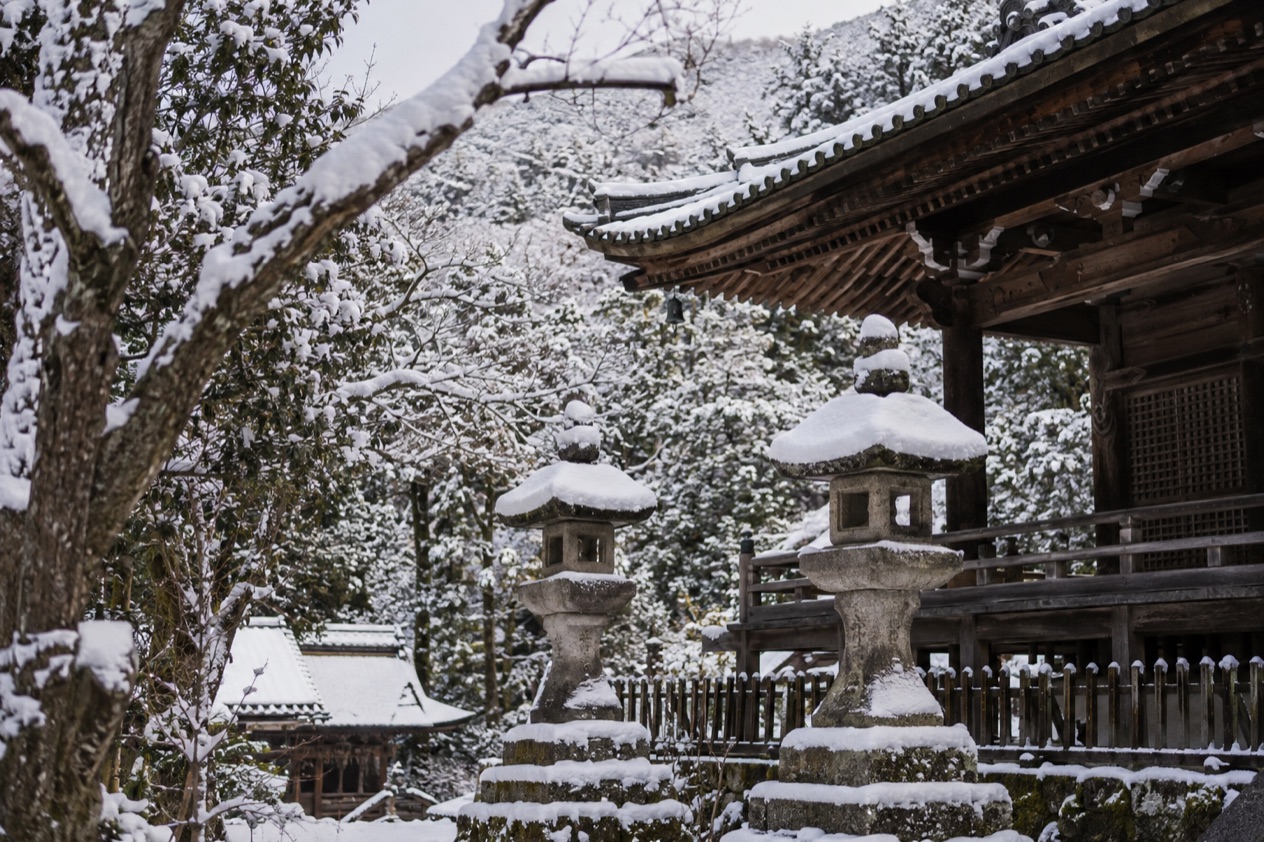
Most major cities rarely see snow, so a city illumination is usually a cold, clear evening walk rather than a snowy one. In the mountains and northern regions it is the opposite, because heavy snow regularly covers them in winter. Both settings are worth having in mind when you plan, since what you wear and how you move around differ a lot between a Tokyo avenue and a Hokkaido resort street.
City illuminations: Tokyo, Kyoto and Osaka
In the big cities, lights tend to follow the places where people already walk: tree-lined avenues, the plazas around major stations, shopping districts and the grounds of large complexes. Tokyo, Kyoto and Osaka each have a different feel after dark. Tokyo offers broad city streets and towers, Kyoto pairs its lit evenings with temple and garden settings, and Osaka brings a lively downtown crowd to its riverside and shopping areas.
A good way to build an evening is to pair a lit walk with dinner. Winter is the season for hot pots, grilled skewers, ramen and oden (a simmering pot of radish, eggs and fish cakes), so a stroll under the lights can sit between a warm bowl at the start and a sweet or hot drink from a stand at the end. Wear layers, because standing still to look at lights is colder than walking.
Snow country: Nagano and Hokkaido
The mountain resorts add another kind of winter evening. Nagano is a ski destination for travelers from Tokyo, with the Hakuba Valley among its mountain ski areas. On the island of Hokkaido, Niseko and Rusutsu draw skiers and winter travelers. After a day on the slopes, a resort village in snow is a pleasant place to walk, with warm windows, steam from restaurants and whatever seasonal lights the village puts up.
Kansai travelers have a mountain option of their own: from Osaka, Kyoto, Nara or Kobe you can take a day trip to Biwako Valley, in the mountains around Lake Biwa. It suits a traveler who wants a snowy change of scene without leaving the region and moving hotels.
Temples and shrines at night
Not every winter glow is an electric display. Around the new year, shrines and temples fill with visitors, and the lanterns, torii gates and wooden halls look different in the cold air. Fushimi Inari Taisha in Kyoto, with its orange torii gates, and Meiji-jingu in Tokyo, reached by forest paths, are places where the season shows up in the crowds and the atmosphere rather than in strings of bulbs.
When do they run?
Illuminations belong to the winter months, and each display sets its own dates, so the practical way to plan is to place them inside the winter calendar and look up the specific display you want. That calendar has a few fixed landmarks that shape any trip, from the new year to the first week of February.
The new year stretch
The new year is the heart of the Japanese winter. On January 1, many people visit a temple or shrine to pray for good luck and prosperity in the year ahead, a ritual called hatsumode. The official new year ceremony at Heian-jingu in Kyoto takes place on January 1 at 6 a.m., and Sumiyoshi Taisha in Osaka welcomes more than two million visitors as the year turns.
That same period comes with a practical catch: during the new year holidays, many restaurants and attractions are closed. If your plan depends on a particular restaurant or a ticketed site, build the evenings around that fact. Lights in public streets and plazas are the kind of thing you can still walk through, while a reserved dinner or an indoor attraction may not be open.
Into February: the Sapporo Snow Festival
If you want winter lights and snow in the same trip, the calendar points north. The Sapporo Snow Festival takes place during the first week of February, and its snow and ice sculptures attract nearly two million people each year. Sculptures of snow and ice are made to be seen in the cold, and a night view of them gives a very different feel from a city avenue in December.
Picture a winter trip as a long arc. The early part suits city evenings, the new year suits shrines and temples, and the later part suits the north, where snow is regular and the festival draws its crowds. You can use all of it in one visit or choose the stretch that fits your dates.
| Event | When | Where |
|---|---|---|
| Hatsumode (first shrine or temple visit of the year) | January 1 | Shrines and temples across Japan |
| Official new year ceremony | January 1, 6 a.m. | Heian-jingu, Kyoto |
| Sapporo Snow Festival | First week of February | Sapporo |
Which are best known?
The winter names that come up most clearly in a Japan trip are the places tied to the new year and the snow, and a lit evening in a major city fits comfortably between them. Rather than ranking displays, it helps to think of each name as a different kind of winter evening.
Shrines for the first days of the year
Meiji-jingu in Tokyo is one of the best destinations for hatsumode, with peaceful forest paths leading to the main building. Walking in under the trees is part of the experience, since the approach slows everyone down before the shrine itself comes into view.
In Kyoto, Heian-jingu holds its official new year ceremony at dawn on January 1, and Fushimi Inari Taisha is where visitors pass through thousands of orange torii gates and pray for a successful year in the main building. In Osaka, Sumiyoshi Taisha is the shrine where more than two million visitors welcome the new year. Together the three cities give a new year route across Tokyo, Kyoto and Osaka.
Snow festivals and ski towns
Sapporo, in Hokkaido, is the name to know for February, because of the snow festival and its sculptures of snow and ice. Nearby on the same island, Niseko and Rusutsu are the resort names for skiers and winter travelers, which makes a combined trip of festival evenings and days on snow easy to imagine.
On Honshu, the Nagano region and the Hakuba Valley are the ski names, and from Kansai the Biwako Valley is the day trip into the mountains around Lake Biwa. Each is a place where snow, not just lights, sets the mood of a winter evening.
Putting the names together
A traveler with a week around the new year might spend the first evenings walking lit city streets in Tokyo, move to Kyoto and Osaka for the shrine visits on January 1, and keep the north for a later trip built around the Sapporo festival. Someone who loves snow might do the reverse and base the whole visit in Hokkaido or Nagano. The common thread is that winter in Japan works best as a set of evenings, each with its own weather and its own crowd.
Good to know before you go
Winter in Japan is a season of two climates: cold but mostly snowless city evenings, and heavy snow in the mountains and northern regions. Pack for standing outside after dark, with warm layers, gloves and comfortable shoes for walking.
Remember that around the new year, many restaurants and attractions close, so keep a plan for dinner that does not depend on one table. Carry some cash for stands and small shops, and leave time between a lit walk and your last train back.
Sources
- Japan National Tourism Organization, winter in Japan (https://www.japan.travel/en/guide/winter-guide/), checked October 11, 2026
To plan your stay
- Japan Rainy Season (Tsuyu): Dates, Regions and How to Plan Your Trip
- Seasons in Japan: Blossoms, Fall Color, Snow Festivals and Summer Matsuri
- Typhoon Season in Japan: When It Hits, Which Regions Take the Brunt and How the Warning Alerts Work
- Autumn Leaves Dates by City: Usual Maple Dates, 2025 Results and How Much They Shift