
On a spring afternoon in Hiroshima, a few pale petals drift onto the water of the river that runs past the Atomic Bomb Dome, and people look up from their phones to see which branches have opened. Travelers planning a Japan trip around hanami, the custom of gathering to enjoy cherry blossoms, ask the same thing: which days to choose. In Hiroshima the blossoms usually arrive in late March and reach full bloom in early April.
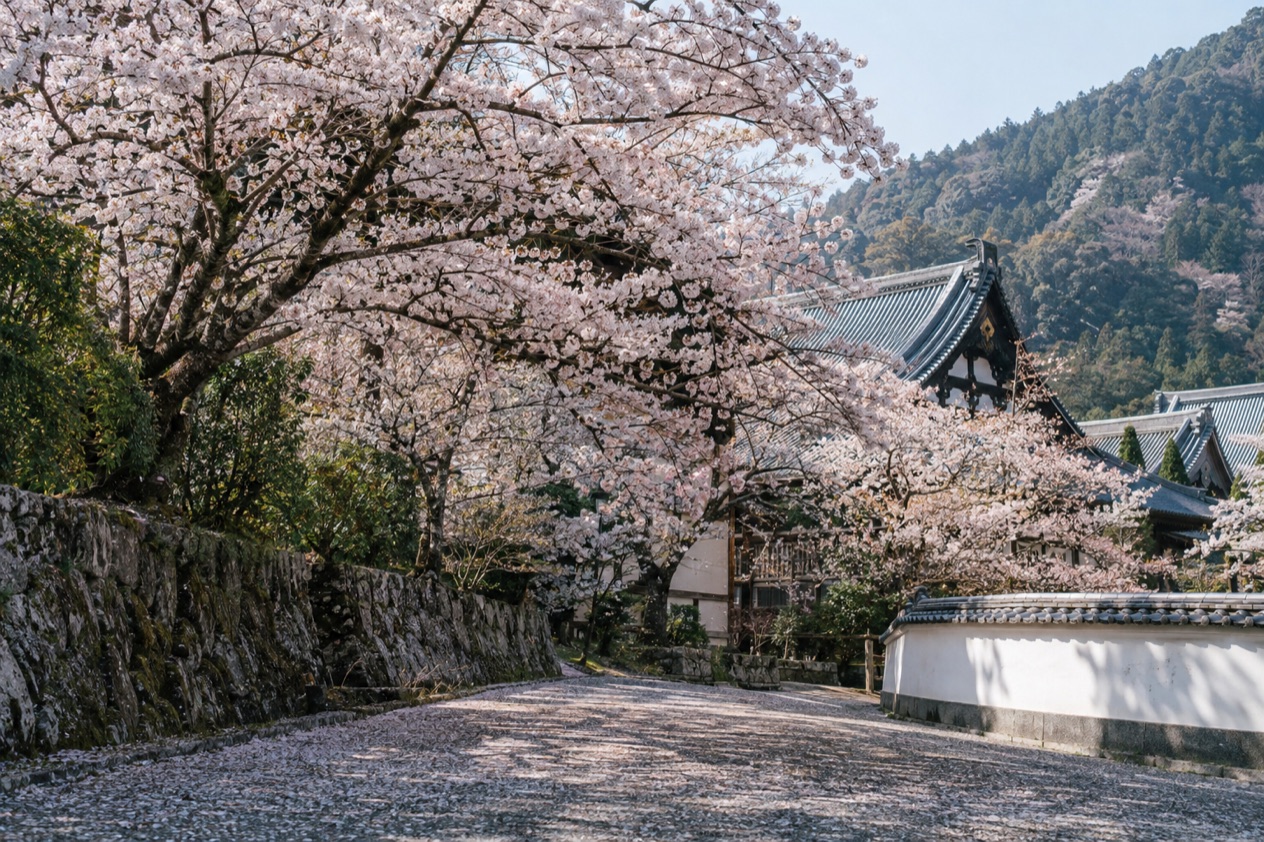
When do the cherry blossoms bloom in Hiroshima?
Cherry blossoms in Hiroshima usually begin to open in late March and reach full bloom in the first days of April.
Two moments matter. Kaika is the day the first blossoms open on the reference trees, and mankai is full bloom, when the branches are covered. Japanese forecasters and TV weather segments track both every spring, and locals plan picnics around them.
| Stage | Usual date | Range in recent springs |
|---|---|---|
| First bloom (kaika) | March 25 | March 11 to March 26 |
| Full bloom (mankai) | April 3 | March 25 to April 5 |
How much the dates move
From one spring to the next, the timing shifts by days and sometimes by more than two weeks at the start. In recent years the first blossoms have opened as early as the middle of March and as late as the end of that month, while full bloom has landed anywhere from the last week of March to the first week of April.
For a trip, this means the span from the last days of March through the first days of April is where the odds sit. A visit planned for the very start of that span may catch trees only beginning, and one at the far end may meet petals already falling.
What a bloom week feels like
Hanami is as much about the people as the trees. Families and office groups spread out tarps under the branches, open bento boxes and pass around snacks, and the sweet shops fill with sakura-flavored treats, from pink rice cakes wrapped in a salted leaf to seasonal drinks and soft-serve. Even if you never sit down on a tarp, you will see the habit all around you.
When the petals start falling, the Japanese call the sight sakura fubuki, a blossom blizzard. Water collects drifts of pink along its edges, and paths turn into soft carpets. People say this last stretch, after full bloom, is as moving as the peak itself.
Why Hiroshima suits a spring trip
The prefecture is known for the Seto Inland Sea, wooded mountains and clear waters, so spring here means green hills and a bright shoreline behind the pink. A blossom visit also fits easily with the city’s other reasons to come, because the sights described below are all places you can see in the same days.
Maple leaves belong to a different season. Their color change usually reaches Hiroshima around late November, so spring is the time for pink and autumn the time for red.
Where can you see them in Hiroshima?
A blossom day in Hiroshima is best built around the places that already anchor a visit to the city: the riverside around Peace Memorial Park, the island of Miyajima and the food streets of the center. Which trees are in flower at each spot changes with the week, so treat these as the places to walk through while the season is on.
Peace Memorial Park and the Atomic Bomb Dome
The Atomic Bomb Dome and the adjacent Peace Memorial Park are the city’s two UNESCO World Cultural Heritage sites. They sit beside the river, and a spring walk here is a moment to slow down. The dome can only be seen from the outside, since visitors cannot enter it, so what you do is stand at the riverbank and take in the ruined shell against the sky.
The park is first of all a place of remembrance, and the mood among visitors reflects it. Hanami picnics are a joyful tradition elsewhere in Japan, but here people simply walk, read the monuments and pause by the water. It pairs well with a museum visit on the same day, and with a stroll along the river afterward.
The river matters in another season too. During the August 6 ceremony, thousands of people write peace messages on lanterns that are lit at sunset and floated along the river in front of the dome. In spring, the same stretch of water is where you will most likely see petals riding the current.
Miyajima and Itsukushima Shrine
An excursion to Miyajima Island is on nearly every Hiroshima plan, for its deer and its floating shrine. Itsukushima Shrine has a red torii gate standing in the sea, and it was registered as a World Heritage Site in 1996. In spring the setting of green hills, red lacquer and water is what you come for, whether or not the trees are in full flower on your day.
Allow time for the lanes near the ferry landing, where shops sell momiji manju, small maple-leaf-shaped cakes with sweet fillings, and where grilled snacks scent the air. The deer wander through the same streets and are used to people, but they are still wild animals, so keep your food in your bag.
Okunoshima, the rabbit island
Okunoshima is known for its wild rabbits, and a visit there is a different kind of outing from the shrine or the memorial. Visitors must not chase or pick up the rabbits and should provide appropriate food in a safe place. That is the rule to carry with you, and it shapes the whole visit: you sit, you wait and the rabbits come to you.
Pairing the island with a blossom trip works as a change of pace after the city, a day of walking among animals rather than monuments. The coast around it is part of the Seto Inland Sea scenery that the prefecture is known for.
Eating between the sights
Hiroshima’s okonomiyaki is the dish visitors look for. The local version builds the savory pancake in layers, with cabbage, noodles, egg and sauce stacked on a hot griddle, and you eat it in small bites straight from the iron plate. After a long day outdoors, it is a warm, filling way to end an evening.
What should you know before you go?
Before you go, know that the bloom timing is the one thing you cannot fix in advance, and that Hiroshima is reached by shinkansen, the bullet train. Plan around the late March to early April window and keep your days loose.
| From | By shinkansen to Hiroshima |
|---|---|
| Tokyo | About four hours |
| Osaka | 90 minutes |
Building a flexible itinerary
Since first bloom has fallen on either side of the end of March in recent years, a trip that spends several days in Hiroshima has the best chance of overlapping the flowers. Travelers pair the city with other stops on the same rail line, because the shinkansen links it to both Tokyo and Osaka.
If a day turns gray, the museum and indoor stops are there to absorb it, and a bowl of okonomiyaki is never a bad answer.
Habits worth knowing at a blossom spot
At a hanami spot, people usually take their trash with them and keep to the paths rather than stepping into the flower beds. They leave the branches alone, because the blossoms are fragile and shared. These are habits rather than rules, but you will see them followed nearly everywhere.
At the memorial sites the habit is stillness, and at Okunoshima it is patience with the rabbits. Following the same rhythm as the people around you is usually all that is needed.
What to pair with the blossoms
A good spring day in Hiroshima might start at the river and the park, move to a lunch of okonomiyaki, and use the afternoon for Miyajima and its shrine. A second day could go to Okunoshima for the rabbits. Between them you take in the two World Heritage sites, the sea, and whichever trees are in bloom that week.
Good to know before you go
Spring blossoms are one of several seasonal moments in Hiroshima. The August 6 lantern ceremony and the late-November maples come later in the year, so a blossom trip is its own thing, built around a window of a week or two.
Because that window moves from one spring to the next, a loose plan serves you better than a fixed one. Yen is the currency in Japan, and the sights named here are places you can reach by shinkansen from Tokyo or Osaka.
Sources
- Japan Meteorological Agency, cherry blossom first-bloom dates 2021-2026 and 1991-2020 normal (https://www.data.jma.go.jp/sakura/data/sakura003_07.html), checked October 11, 2026
- Japan Meteorological Agency, cherry blossom full-bloom dates 2021-2026 and 1991-2020 normal (https://www.data.jma.go.jp/sakura/data/sakura004_07.html), checked October 11, 2026
- Japan National Tourism Organization, Hiroshima (https://www.japan.travel/en/destinations/chugoku/hiroshima/), checked October 11, 2026
- Visit Hiroshima, the official guide (https://visithiroshima.net/), checked October 11, 2026
- Japan Meteorological Agency, maple color-change dates 2025-2026 with difference from the 1991-2020 normal (https://www.data.jma.go.jp/sakura/data/phn_014.html), checked October 11, 2026
To plan your stay
- Japan Rainy Season (Tsuyu): Dates, Regions and How to Plan Your Trip
- Seasons in Japan: Blossoms, Fall Color, Snow Festivals and Summer Matsuri
- Typhoon Season in Japan: When It Hits, Which Regions Take the Brunt and How the Warning Alerts Work
- Autumn Leaves Dates by City: Usual Maple Dates, 2025 Results and How Much They Shift