
A ropeway cabin lifts off from its base station and the slopes below turn from green to a patchwork of rust, orange and gold, with dark conifers running through it like ink lines. That is the picture travelers have in mind when they ask about fall color in Japan’s far north. In Hokkaido the leaves change as autumn moves down from the high mountains, and the national park country of the center, Sounkyo and the lakes of the east are where the show happens.
When do the leaves change color in Hokkaido?
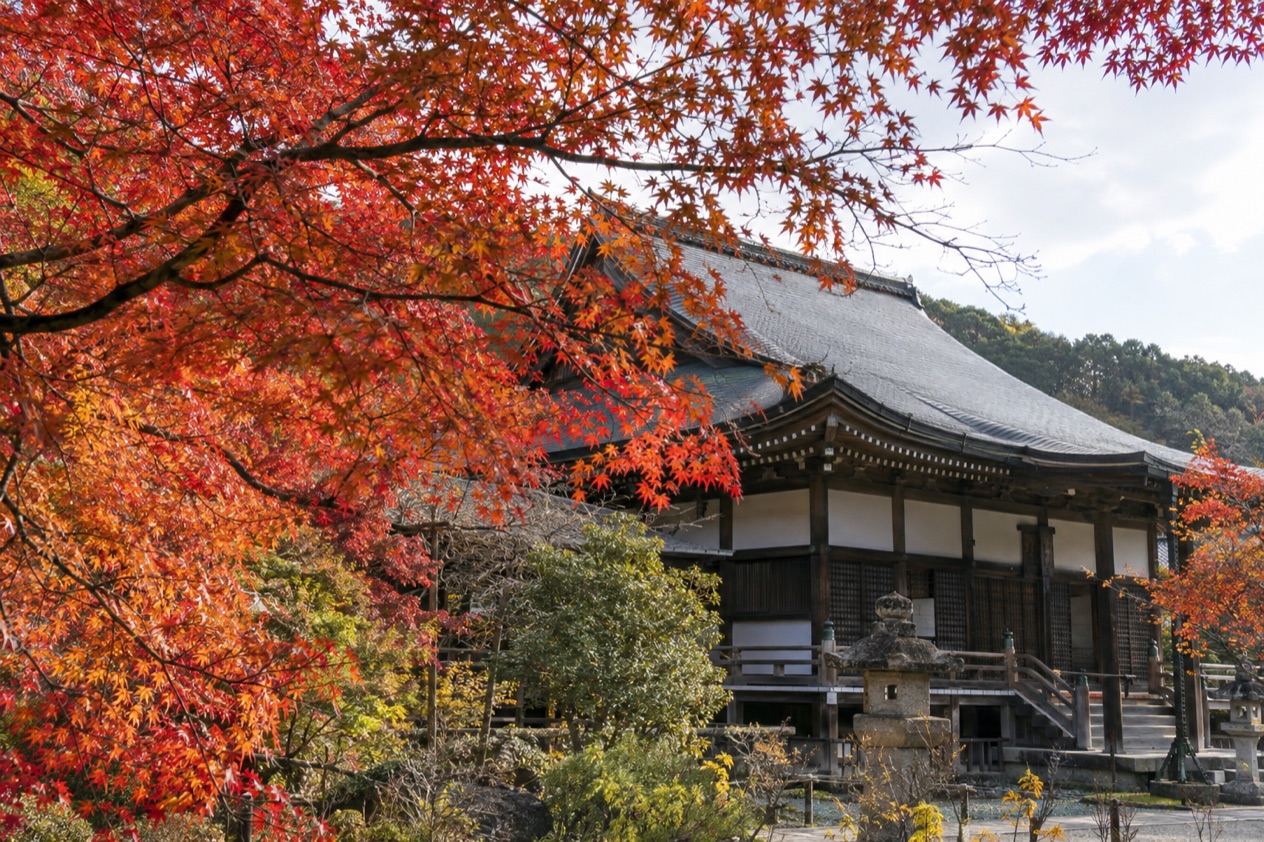
The leaves change in autumn, and the color arrives first on the high ground and then slides down the mountainsides toward the valleys, lakes and towns. It is a gradual wave over several weeks, not a single weekend, so the right moment depends on how high you are standing.
From one autumn to the next, the timing shifts with the weather of the season. A warm stretch holds the green longer, a cold snap brings the reds on fast. Treat any plan as a window of weeks, and build in a few spare days if you are traveling for the color alone.
The high mountains first, the valleys after
Daisetsuzan National Park sits in the mountainous center of Hokkaido, and Asahi-dake, the highest peak on the island, rises in its northern part. Because the color begins at altitude, the upper slopes around the ropeway stations are where the change starts, with the lower valleys and the onsen towns following later.
This is why a single trip can stretch the season. Walking or riding the same area on two different days shows the gradient clearly.
What the color looks like against the forest
The forests of Daisetsuzan are dominated by Jezo spruce and Sakhalin fir, both evergreens. They do not change, and that is part of the charm: the red and yellow of the broadleaf trees and the low mountain shrubs sit against bands of deep green that keep their color all season.
Half of the alpine plant species found in Hokkaido grow in this park, and in autumn the low alpine vegetation adds its own tones to the open ground above the tree line. The effect is less a single wall of maples than a quilt of reds, golds and greens spread over big mountain shapes.
Planning around the shifting window
Because the color moves, the practical approach is to choose a base and let the elevation do the work. The Asahikawa, Sounkyo and Tenninkyo area gathers ropeways, gorge country and hot spring towns close together, so a few nights there lets you chase the color up and down the slopes.
The Hokkaido Tourism Organization website lets you filter spots by red leaves, scenic spots and observation platforms under its Natural scenery category. It is a handy way to turn a rough idea into a list of named places before you commit to an area.
Where can you see them in Hokkaido?
The best-known places are in the center and east of the island: Daisetsuzan National Park with its two ropeways, the Sounkyo gorge area, and Lake Akan. Each gives a different kind of autumn, from high mountain views to a lakeside walk.
| Place | Area of Hokkaido | What stands there |
|---|---|---|
| Daisetsuzan Asahidake Ropeway | Asahikawa, Sounkyo, Tenninkyo area | Ropeway in the park, at the foot of Asahi-dake |
| Daisetsuzan Sounkyo Kurodake Ropeway & Lift | Asahikawa, Sounkyo, Tenninkyo area | Ropeway and lift above the Sounkyo gorge |
| Sounkyo | Northern Hokkaido | Onsen resort in the national park |
| Lake Akan | Kushiro, Lake Akan, Lake Mashu, Nemuro area, Eastern Hokkaido | Lake in the east of the island |
Asahidake and the high country
The Daisetsuzan Asahidake Ropeway climbs toward the highest peak in Hokkaido, and it is the most direct way to stand among the first colors of the season. Around the upper station the ground opens up into low vegetation and volcanic terrain, with long views over the folds of the park.
At the foot of the mountain, Asahidake Onsen is one of the hot spring resorts inside the park. A soak after a day among the slopes is the natural companion to the ropeway ride, and the onsen towns are where travelers spend the night.
Sounkyo and Kurodake
Sounkyo is an onsen resort in northern Hokkaido, set inside Daisetsuzan National Park. The Kurodake Ropeway & Lift starts from the Sounkyo area and carries you upward toward the mountain, so you can see the autumn change on the slopes without a full day of hiking.
Sounkyo Onsen gives the stay a rhythm: out in the morning to the mountain, back for the bath, then dinner in the town. The Asahidake and Kurodake ropeways are in the same Asahikawa, Sounkyo and Tenninkyo area, so both can fit into a single trip, and Tenninkyo Onsen and Fukiage Onsen are two more resorts in the park if you want a different base.
Lake Akan in the east
Lake Akan lies in eastern Hokkaido, in the area that also takes in Kushiro, Lake Mashu and Nemuro. It offers a different mood from the mountain country: water, forested shores and the changing trees reflected in the lake, which makes it a good addition if you want autumn with a lake in the frame rather than a summit.
Because the east is a separate region from the center, plan it as its own leg of the trip rather than a quick side stop. Pairing the mountains of the center with the lakes of the east gives you two quite different pictures of the same season.
What should you know before you go?
Know how to reach Hokkaido, how the island is divided, and that you will be in wild country where brown bears live. The practical side is short, and the rest is a matter of choosing a base and letting the season set the pace.
Getting to Hokkaido
By air, you arrive at New Chitose Airport near Sapporo, and direct flights from Tokyo take about 1 hour 30 minutes. By train, the trip from Tokyo to Sapporo takes about 8 hours: you ride the JR Tohoku/Hokkaido Shinkansen to Shin-Hakodate-Hokuto, then the limited express Hokuto on to Sapporo.
Either way, Sapporo is the gateway. From there, the center of the island, where Daisetsuzan lies, and the east, where Lake Akan sits, are separate destinations within the same island.
The regions of the island
Hokkaido is the northernmost prefecture of Japan and the second largest island of the country. It is divided into areas including Sapporo and its surroundings, Asahikawa and northern Hokkaido, Hakodate and southern Hokkaido, and Kushiro and eastern Hokkaido.
Thinking in regions helps you avoid a trip made of long transfers. Pick one area for the mountains and, if time allows, a second for the lakes, rather than trying to see everything on one loop.
Wild country and what comes with it
Daisetsuzan covers a huge stretch of mountains, with 16 peaks over 2,000 meters, some with trails and some without. It is also home to a population of brown bears, a reminder that these are real wilderness areas and not just a garden of trees.
Autumn here fits easily with Hokkaido’s other draws: the island is known for outdoor activities such as trekking, hot springs, local cuisine and seasonal views, and the Ainu and Jomon cultures are part of its story. A day in the colors pairs well with a long meal and an evening in the bath.
Good to know before you go
Autumn in Hokkaido is a season of onsen evenings and mountain days, and most of the pleasure comes from staying in one of the hot spring towns of the park. Plan the days around the elevation you want to reach, keep a spare day or two for the weather, and let the color decide the order of your stops.
Sources
- Hokkaido Tourism Organization, spots (https://www.visit-hokkaido.jp/en/spot/), checked October 11, 2026
- Wikipedia, Daisetsuzan National Park (https://en.wikipedia.org/wiki/Daisetsuzan_National_Park), checked October 11, 2026
- Japan National Tourism Organization, Hokkaido (https://www.japan.travel/en/destinations/hokkaido/hokkaido/), checked October 11, 2026
- Hokkaido Love, the official Hokkaido tourism site (https://www.visit-hokkaido.jp/en/), checked October 11, 2026
To plan your stay
- Japan Rainy Season (Tsuyu): Dates, Regions and How to Plan Your Trip
- Seasons in Japan: Blossoms, Fall Color, Snow Festivals and Summer Matsuri
- Typhoon Season in Japan: When It Hits, Which Regions Take the Brunt and How the Warning Alerts Work
- Autumn Leaves Dates by City: Usual Maple Dates, 2025 Results and How Much They Shift