
At Nagoya Station in the early morning, commuters line up beside the train doors and the smell of coffee drifts out of the shops along the concourse. From here the Japanese Alps, the sacred forests of Ise and the old capital of Kyoto all lie within a day’s reach. The trips below suit travelers who want to sleep in Nagoya and still see the wooden streets of Hida, a Shinto shrine rebuilt every generation or a castle with singing floors.
What are the best day trips from Nagoya?
The best day trips from Nagoya head to Takayama in the Alps, to Ise Grand Shrine in Mie Prefecture and to Kyoto, which can be split into a station day and a castle day. Each one gives a very different picture of Japan, so the choice depends on whether you want mountains, a shrine or a city of temples.
- Takayama, a town in the Japanese Alps whose old quarter keeps its Edo-style streets and earns it the nickname Little Kyoto of Hida.
- Ise, home of Ise Grand Shrine, the most sacred Shinto shrine in Japan, with an Inner and an Outer Shrine to walk between.
- Kyoto Station and its surroundings, where the Tokaido Shinkansen arrives and a full floor of ramen restaurants waits in the station building.
- Central Kyoto and Nijo Castle, built by the first shogun of the Edo period and famous for its nightingale floors.
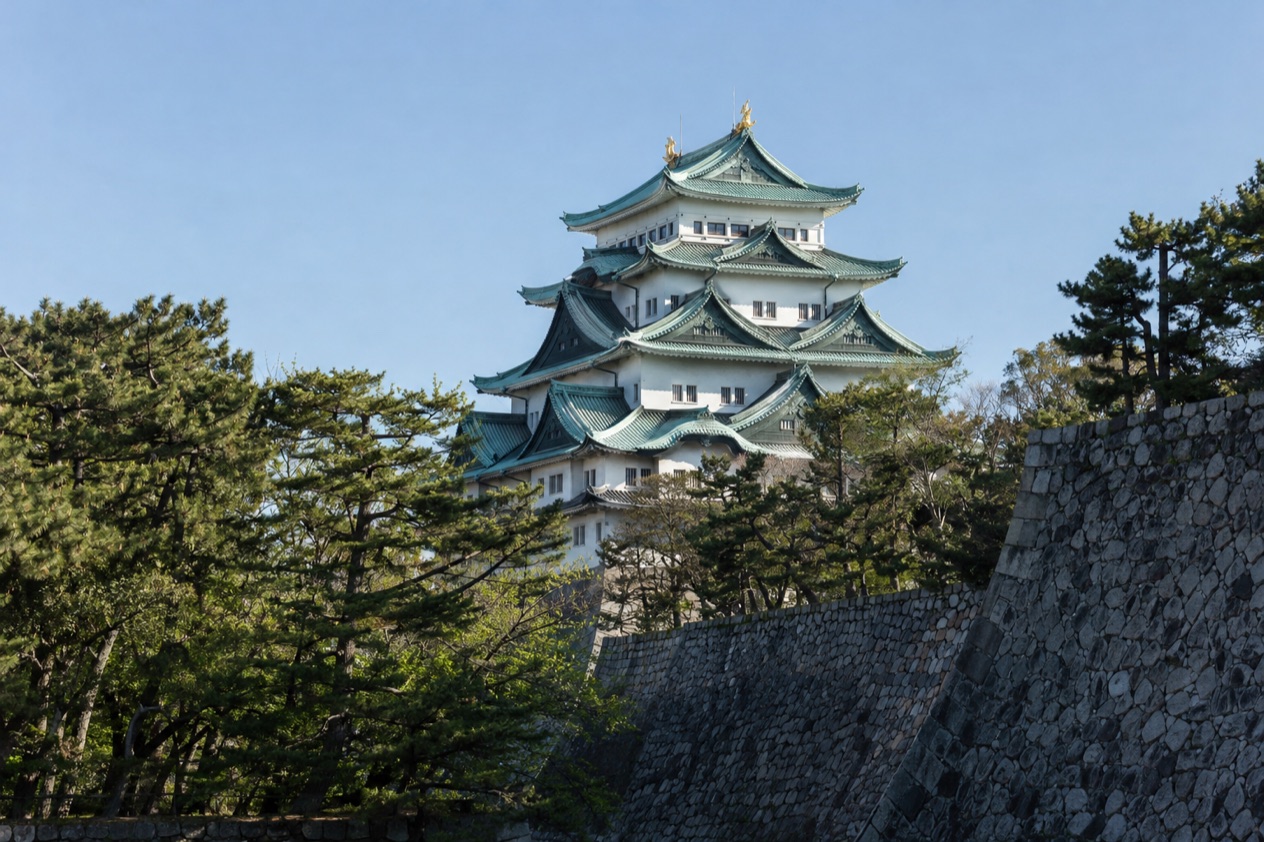
Nagoya itself gives you a fallback for a gray day, with Nagoya Castle, Atsuta Shrine, the Port of Nagoya Public Aquarium and Higashiyama Zoo and Botanical Gardens all in the city. The NAGOYA Sightseeing Pass is a great-value way to visit several of those sights when you stay in town instead.
The best day trips from Nagoya
Takayama and the old Hida quarter
Takayama sits in Gifu Prefecture, in the heart of the Japanese Alps, and it is reached on the JR Takayama Line. What you come for is the well-preserved old quarter, where Edo-style streets of dark wooden houses give the town its nickname Little Kyoto of Hida. You spend the day on foot, drifting between sake breweries, small shops and the lanes beside the water, and stopping for Hida beef and the town’s local sweets.
The city is huge on the map, the largest in Japan by area, but the part that visitors walk is the old quarter around the station. One practical detail matters here.
Takayama Station does not accept IC cards, so tickets for the local line must be bought in cash, and it helps to arrive with coins and bills ready. In spring, cherry blossoms appear from the middle to the end of April, about three weeks later than in Nagoya, which means you can catch a second bloom if you missed the first.
Ise Grand Shrine
Ise is a city in central Mie Prefecture, and its Grand Shrine is the most sacred Shinto shrine in Japan. The complex is split into two main parts, the Inner Shrine and the Outer Shrine, about six kilometers apart. Visitors move between them through old cedar forest, crossing bridges over a clear river and passing under plain wooden torii, with the buildings themselves set behind fences and screens.
The shrines are dismantled and rebuilt to exacting specifications every 20 years. The present buildings date from 2013 and are the 62nd iteration, with the next rebuilding scheduled for 2033. That rhythm of renewal is the story of the visit, and it explains why the wood looks so fresh.
Leave time for a slow lunch in town afterward, since Ise is known for its noodles and rice cakes.
Kyoto Station and the city beyond
Kyoto Station is served by the Tokaido Shinkansen line, which is why the city works as a day trip from Nagoya. The station building is a destination of its own, with a full floor of ramen restaurants, an Isetan department store, a theater and a Granvia hotel. Kyoto Tower stands a few steps from the main entrance, over 130 meters tall and visible across the entire city, so you always know where you are.
Kyoto has a cultural heritage that has developed over the past 1,200 years, with machiya townhouses, the Gion Matsuri festival and hanamachi districts where geishas live and work. The city rewards a choice of one or two neighborhoods rather than a dash through many. Visitors are advised to see shrines at less crowded times, such as early morning or late evening when they are illuminated, which shapes how you plan the hours.
Nijo Castle and central Kyoto
Nijo Castle stands in central Kyoto and was built in 1603 by Tokugawa Ieyasu, the first shogun of the Edo period. Inside, the so-called nightingale floors make a bird-like sound when walked on, an old security system meant to alert guards to intruders. Walking the corridors and listening to the boards chirp under your own feet is the memory visitors bring home.
Kyoto served as Japan’s capital and the emperor’s residence for over 1000 years, and the castle shows the power of the shogun beside that imperial history. Pair it with a wander through the nearby streets of machiya townhouses.
Day trips from Nagoya compared
| Trip | Where it is | Best for |
|---|---|---|
| Takayama | Gifu Prefecture, in the Japanese Alps | Old Edo-style streets, breweries and local food |
| Ise Grand Shrine | Ise, central Mie Prefecture | Shinto shrines, forest walks and a story of rebuilding |
| Kyoto Station area | Kyoto, on the Tokaido Shinkansen line | Ramen, shopping and a first look at the city |
| Nijo Castle and central Kyoto | Central Kyoto | Shogun history, nightingale floors and machiya streets |
Choose by mood. Takayama suits travelers who like to wander and eat, with small streets and shops making up most of the day.
Ise suits those who want a spiritual and cultural focus, with a clear story of renewal and a walk between two shrines that are about six kilometers apart. Kyoto suits anyone who wants a city of temples, castles and food, and it holds enough that you could return to it on another day.
Season changes the picture too. Takayama’s cherry blossoms arrive later than Nagoya’s, so a spring trip can stretch the bloom into the second half of April. Ise has its own calendar built around the rebuilding cycle and the Okihiki festival. Kyoto offers its illuminated shrines in the late evening. If the weather turns, Nagoya Castle and the Port of Nagoya Public Aquarium make a fine plan B at home.
Tour or on your own?
A tour and an independent day are both ways to see these places, and the right one depends on what you want to hold in your own hands. On your own you set the pace in each town, choosing which lanes in Takayama to follow, how long to linger between the two parts of Ise Grand Shrine or which Kyoto neighborhood to explore. On a guided day someone else handles the routes, and the stops are chosen for you.
What changes the question is how each place is arranged. Kyoto Station is on the Tokaido Shinkansen and sits at the center of the city’s attractions, so the starting point is clear.
At Takayama, the JR Takayama Line serves the station, which does not accept IC cards, so local tickets are bought in cash. At Ise, the Inner and Outer Shrines are about six kilometers apart, and your plan has to include how you will move between them.
Before you commit to any option, check a few things. Look at what the day includes and which sites it actually enters. Check whether the plan leaves time for the early or late hours that suit Kyoto’s shrines. Ask how you will pay for local transport, especially in Takayama. And compare the plan with what you want from the day, whether that is the walk, the shrine, the castle or simply a long lunch.
Good to know before you go
Carry cash for Takayama, where the station on the JR Takayama Line does not take IC cards. Shrines like Ise are places of worship, so walk quietly and follow the signs at each gate.
Keep a flexible plan for the weather, since a gray day is a good moment to switch to a castle, an aquarium or a covered station full of restaurants.
Sources
- Visit Nagoya, the Nagoya city guide (https://www.nagoya-info.jp/en/), checked October 11, 2026
- Wikipedia, Nagoya (https://en.wikipedia.org/wiki/Nagoya), checked October 11, 2026
- Wikivoyage, Nagoya (https://en.wikivoyage.org/wiki/Nagoya), checked October 11, 2026
- Wikipedia, Takayama, Gifu (https://en.wikipedia.org/wiki/Takayama,_Gifu), checked October 11, 2026
- Wikivoyage, Takayama (https://en.wikivoyage.org/wiki/Takayama), checked October 11, 2026
- Wikipedia, Ise, Mie (https://en.wikipedia.org/wiki/Ise,_Mie), checked October 11, 2026
- Wikivoyage, Ise (https://en.wikivoyage.org/wiki/Ise), checked October 11, 2026
- Japan National Tourism Organization, Kyoto (https://www.japan.travel/en/destinations/kansai/kyoto/), checked October 11, 2026
To plan your stay
- Best Time to Visit Nagoya: Cherry Blossoms, Autumn Leaves, Weather and Festivals
- Where to Stay in Nagoya: Nagoya Station, Sakae, Osu and the Castle Area
- Nagoya from Tokyo: Shinkansen Services, Local Trains, Centrair Airport and a Day in the City
- Know Before You Go to Nagoya: Entry, Money, Getting Around and Local Etiquette