
Hokkaido is Japan’s northern island, a place of big skies, volcanic lakes, hot springs and seafood eaten within sight of the water it came from. It suits travelers who like to mix city evenings with long days outdoors, and who plan their trip around the season they want to see.
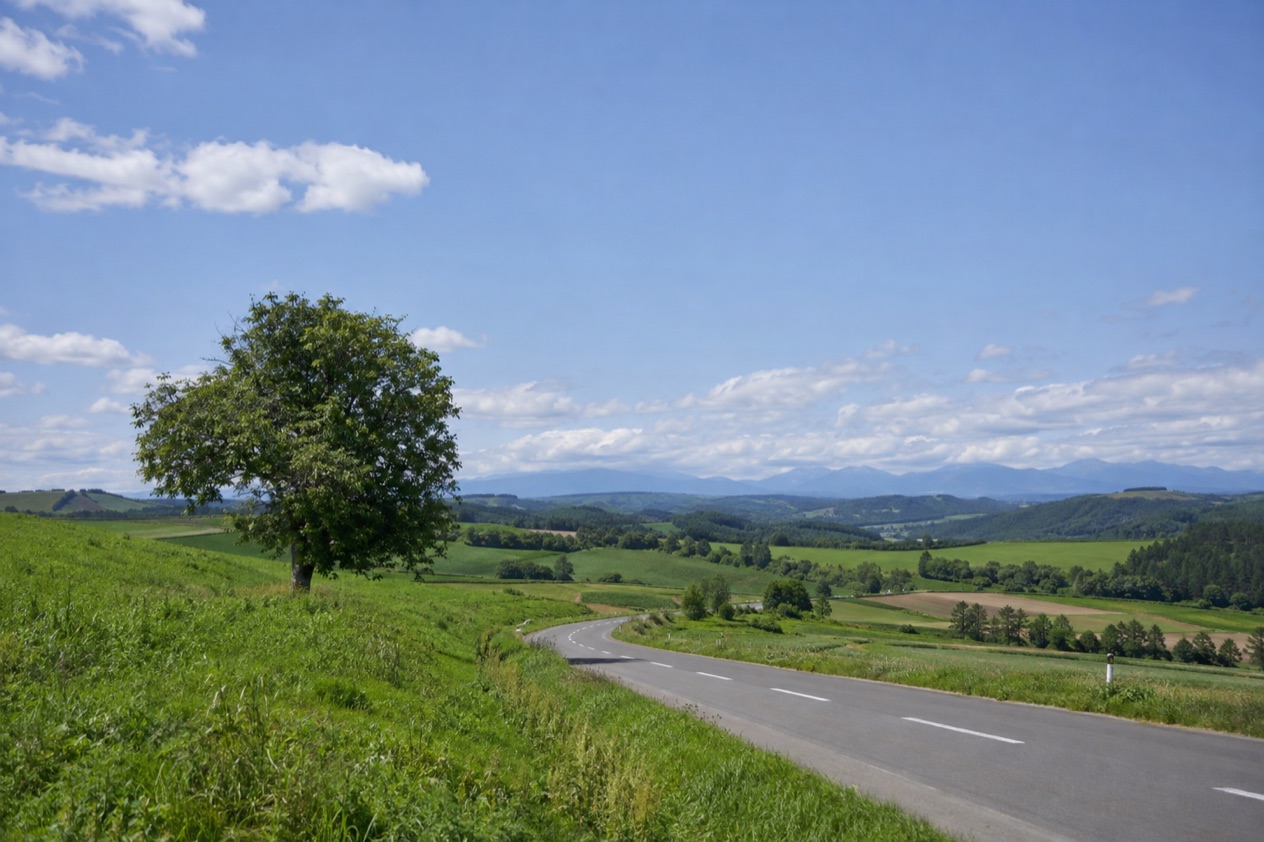
What are the best things to do in Hokkaido?
The best things to do in Hokkaido pair the outdoors with the table: ski the powder, soak in a volcanic hot spring, walk beside the lavender and the lakes, then sit down to the crab, scallops and ramen that the island is known for. Japan’s second largest island is organized into regions, and each one has its own character. Sapporo and its surroundings hold the capital and the beer halls, Hakodate and the south hold the harbor views, Asahikawa and the north lead toward the mountains, and Kushiro and the east open onto wetlands and wild coast.
Because the island is large, visitors choose one or two regions rather than trying to see everything. A base in Sapporo works for the city, Otaru, Noboribetsu and the ski areas. A second base in Hakodate gives you the southern tip, and Furano or Asahikawa opens the center. The list below is a short version of what the rest of the page develops.
- Wander Sapporo, Odori Park and the red-brick landmarks, then finish with a bowl of miso ramen.
- Walk the Otaru Canal, where gas lamps glow beside old stone warehouses.
- Soak in the hot springs of Noboribetsu, a valley village built around volcanic water.
- Ski the powder at Niseko, the ski area best known to foreign visitors.
- See Furano in lavender season, and stop at the craft village hidden in its forests.
- Look out over the harbor city of Hakodate and its southern tip of Hokkaido.
- Head to the lakes and wild parks of Toya, Akan and Daisetsuzan for nature at full scale.
- Watch for drift ice on the Sea of Okhotsk at Abashiri when winter comes.
Seasons matter more here than in much of Japan. Winter brings the Sapporo Snow Festival and the ski slopes, and the drift ice reaches the northeast coast. Warmer months suit the lakes, the trails and the flower fields. Whichever you choose, the food runs through everything, from market breakfasts of seafood over rice to evening grills of lamb.
Sights and landmarks in Hokkaido
The landmarks of Hokkaido lean toward harbors, brick warehouses, old government buildings and the memory of the pioneers who settled the island, all set against a much older story of Ainu and Jomon culture. Sapporo, Otaru and Hakodate each offer a different city mood, and together they cover most of what first-time visitors want to see in town.
Sapporo: the capital and its green center
Sapporo is the largest city on the island and its capital, and it is laid out on a tidy grid that makes sense of a first visit. Odori Park runs through the middle like a long green ribbon, and it is where the big seasonal events set up their stages and food stalls. Old red-brick buildings from the pioneer era still stand among the office towers, giving the city a frontier-meets-modern feel.
The city hosted the first Winter Olympic Games in Asia in 1972, and winter sport still shapes its identity. Pair a museum visit with an evening in a beer garden or a hall serving grilled lamb.
Otaru: canal, warehouses and glass
Otaru is a port city on the Sea of Japan, west of Sapporo, and its canal is the postcard image. Gas lamps line the water and stone warehouses stand along the bank, creating a nostalgic scene that the city leans into. With its many historical buildings, Otaru is a popular tourist destination, and the old banks and trading houses add to the walk.
The warehouses now hold shops selling glassware, music boxes and sweets, and the nearby streets are full of sushi counters that draw on the fish landed at the port. Walking the canal after dark is a pleasure when the lamps are lit. Otaru has long served as the main port of Ishikari Bay, and the harbor character still shows in the streets.
Hakodate: a harbor town at the southern tip
Hakodate sits at the southern tip of Hokkaido, a port city with a population of well over two hundred thousand. It is the capital of Oshima Subprefecture, and its hillside streets drop toward the water in a way that feels more like a seaside town than a northern one. Old foreign-influenced buildings and church spires speak of its history as one of the first Japanese ports to open to the world.
Hakodate is also reached by air from major Japanese airports and from Chitose, Okadama and Okushiri within Hokkaido, so it fits well on a south-bound route.
Ainu culture and the older story
Long before Sapporo’s grid existed, the island belonged to the Ainu, and Jomon-era sites lie scattered across it. Ainu place names are everywhere on the map, and many of the island’s lakes, rivers and mountains carry names that come from their language. Museums and cultural centers in several regions explain the traditions of carving, embroidery, song and the spiritual bond with bears, salmon and mountains.
Look for Ainu motifs on crafts in gift shops and, in the countryside, on the patterns of wooden carvings. Taking an hour for this history changes how the rest of the island reads, because the landscapes you pass through were named and lived in for a very long time before the pioneers arrived.
Outdoor things to do in Hokkaido
Hokkaido is the part of Japan where the outdoors sets the schedule, with national parks, volcanic lakes, ski slopes and flower fields to choose from. Adventure travel here comes with seasonal views, skiing, trekking and hot springs, so each season gives you a different island. A bit of planning around the season makes the biggest difference to what you can do.
Niseko: powder and the ski scene
Niseko is the most famous ski area in Japan, known for its powder snow and welcoming atmosphere, and it is especially popular with foreign visitors. It lies in southwestern Hokkaido, southwest of Sapporo. Niseko United is one mountain with four resorts: Annupuri, Niseko Village, Grand Hirafu and Hanazono.
The resort provides live lift and weather status reports for each of its resorts on its website, which is handy for deciding where to ski on a given morning. After the lifts close, the village streets fill with restaurants and bars, and a soak in an onsen, a Japanese hot spring bath, is the traditional way to end the day.
Furano: lavender, forest and craft shops
Furano sits in the geographical center of Hokkaido and is famous for its lavender fields, for the television drama Kita no Kuni kara, and for the Furano Ski Resort, which hosted the Snowboarding World Cup. In flower season the fields turn the hills purple, and farms sell lavender ice cream, soaps and sachets. In winter the same area becomes a ski destination with two zones, Furano and Kitanomine, served by a single lift ticket.
Ningle Terrace is a craft village of about 15 shops tucked away in Furano’s forests, where small cabins hold workshops for wood, glass and leather. It is a good place to slow down and browse, and the forest setting is part of the pleasure.
Daisetsuzan, Akan and Toya: the big nature
Daisetsuzan National Park fills the mountainous center of the island and covers more than 875 square miles, so it is a place for trekking and for simply looking at big mountains. Lake Akan lies in Akan National Park in the Kushiro area, and it was designated a Ramsar Site, a wetland of international importance, in November 2005.
Lake Toya is in Shikotsu-Toya National Park, and it belongs to the Toya Caldera and Usu Volcano Global Geopark, a member of the Global Geoparks Network. The caldera is a crater lake edged with onsen towns, and the volcanic landscape around it explains why the island is so rich in hot springs.
Drift ice and the far-off islands
Every year from late January, drift ice reaches the coast at Abashiri and covers the Sea of Okhotsk. It is a winter sight found nowhere else in Japan, and the pale expanse stretches to the horizon. Look for it on the northeast coast, where the cold arrives from the north.
Off the northwest side, Rishiri Island lies roughly 12 miles west of Hokkaido, and Rebun Island sits a further 6 miles to the northwest of Rishiri. They are island getaways for walking and for a sense of remoteness, and they reward travelers with a lot of time on the northern end of the island.
Day trips from Hokkaido
Day trips on Hokkaido usually start from Sapporo, where the rail hub and New Chitose Airport put the capital within reach of several very different places. The Japan Rail Pass is valid on shinkansen trains from Tokyo to Hokkaido, and the island also has regional JR Hokkaido passes aimed at foreign visitors, which are covered in the final section.
Otaru
Otaru is the day trip people take from Sapporo, a port city on the Sea of Japan to the west. You walk the canal and the old warehouse streets, browse the glass and music-box shops, and eat sushi at the harbor. The scene is nostalgic, with glowing gas lamps and stone warehouses, and it suits anyone who likes to wander without a fixed agenda.
Winters in Otaru are less severe than in most other Hokkaido cities, which makes a walk by the canal manageable even in a cold season. A good plan is to arrive with an appetite and leave after dark, once the lamps are lit and the canal has its glow.
Noboribetsu and its hot spring valley
Noboribetsu is a city southwest of Sapporo, and the hot spring village of Noboribetsu Onsen sits 3.7 miles inland in a river valley. The village is built around volcanic water, and bathhouses and ryokan, traditional inns, line the valley. From Hakodate, the limited express Hokuto reaches Noboribetsu in 2 hours 30 minutes, and from Tohoku and the rest of Japan you change for the Hokuto at Shin-Hakodate-Hokuto.
The draw is simple: a long soak in mineral-rich water, a stroll through a valley that smells faintly of sulfur, and a meal at the inn. It suits travelers who want a restful day, and it pairs naturally with the Sapporo-Noboribetsu Area Pass.
Furano and Asahikawa country
The center of the island makes a day out for anyone with a rail pass, since the Sapporo-Furano Area Pass is built for it. Furano offers fields, craft shops and farm stands, while Asahikawa to the north is the gateway to Daisetsuzan and the northern part of the island.
Go with a clear idea of what you want. Bring a camera, since the horizons in this part of Hokkaido are wide and open.
Lake Toya and the volcanic south
Lake Toya is a volcanic crater lake in Shikotsu-Toya National Park, part of the Toya Caldera and Usu Volcano Global Geopark. A lakeside day means looking over the water, visiting the geopark sights and finishing with an onsen bath in one of the lakeside towns. It fits a trip that also includes Noboribetsu, since the two share the same volcanic region.
Seeing the lake from the shore gives a sense of the scale of the caldera. The geopark designation reflects how closely the people here live with an active volcano, and the visitor facilities explain that story well.
What to eat in Hokkaido
Eating in Hokkaido means seafood, dairy, vegetables and lamb, all treated with the pride of an island that grows and catches a great deal of Japan’s food. Sapporo and its surroundings are known for local cuisine, and visitors to Hokkaido enjoy local dishes as much as the nature and outdoor activities. Travelers say the meals are half the reason to come.
Ramen, soup curry and grilled lamb
Sapporo is associated with miso ramen, a rich bowl of wavy noodles in a hearty miso broth, often topped with corn and butter in a nod to the northern climate. It is a warming dish, especially welcome on a cold evening. Soup curry is another local invention, a spicy, soupy curry packed with big pieces of vegetables and chicken.
Jingisukan, grilled lamb cooked on a domed pan, is the island’s barbecue tradition, with vegetables arranged around the meat so the juices run down. It is a social meal, best shared with a table of friends and a cold beer. Hakodate has its own take on ramen, usually a lighter salt-based broth.
Seafood from the markets and harbors
The cold waters around Hokkaido produce crab, sea urchin, salmon roe, scallops and squid, and the port towns serve them in every form. A seafood rice bowl, called kaisendon, piles raw fish and roe over rice and is a favorite at harbor markets. Otaru’s sushi counters are a draw in their own right, and Hakodate is known for squid served fresh.
Markets near the stations and harbors are good places to browse, with stalls of grilled scallops, crab legs and fish on ice. Even if you do not sit down for a full meal, a market walk gives you a feel for how central the sea is to the island’s tables.
Dairy, sweets and farm produce
Hokkaido is the home of Japanese dairy, so soft-serve ice cream, milk, cheese and butter-rich pastries show up everywhere. Melons, potatoes, sweet corn and asparagus come from the island’s farms, and farm stands in places such as Furano sell them in season. Lavender ice cream is a seasonal treat in the Furano area.
Sweets and baked goods in Otaru and Sapporo carry the same milky richness, and they make good gifts to carry home.
Beer and what to drink
A cold glass alongside grilled lamb is a classic pairing. Local sake and craft beers appear on menus in many towns.
If you prefer something warm, a hot spring town is a fine place for tea or a sweet, while a farm café offers fresh milk drinks. The Hokkaido table rewards curiosity, since each region has its own specialty.
Things to do in Hokkaido at night
Evenings in Hokkaido range from neon-lit entertainment streets in Sapporo to lamp-lit canal walks in Otaru, harbor lights in Hakodate and a slow soak in a hot spring. The island’s cities are lively after dark without feeling rushed, and the evenings are often built around food.
Sapporo after dark
Sapporo’s evening scene centers on Susukino, the entertainment district full of izakaya (Japanese pubs), ramen counters, bars and karaoke rooms. A typical night starts with grilled meat or a seafood plate, moves to a bar, and ends with a late bowl of ramen, a local ritual. Odori Park is a pleasant place to walk before or after dinner.
During the Sapporo Snow Festival in February, the park turns into a showcase of snow and ice sculptures, and the evening lighting adds to the effect. Food stalls selling hot drinks and snacks make it a social event as much as an exhibition.
Otaru by lamplight
The glowing gas lamps along the Otaru Canal create a timeless scene after sunset, and the stone warehouses reflect in the water. Visitors stay for dinner, then stroll the canal once the lamps come on. Sushi counters, small bars and cafés fill the streets nearby.
It is a calm kind of evening, built around the walk and the meal rather than nightlife in the club sense. Travelers who base themselves in Otaru overnight get the canal to themselves for a longer stretch.
Hakodate’s harbor lights
Hakodate is a port city, and its evening mood comes from the water and the hills that rise above it. The old warehouse district by the bay has restaurants and shops that stay open into the evening, and the hillside streets look over the lights of the harbor below.
Dinner often means fresh seafood, with squid and salt ramen as local favorites. Afterward a slow walk along the waterfront finishes the evening naturally.
Onsen evenings
A hot spring bath at night is one of the island’s great pleasures, especially in cold weather. Noboribetsu Onsen and the lakeside towns at Toya and Akan are built around bathing, and the ryokan there serve a multi-course dinner before you soak. Shoes come off at the entrance, and many guests change into a yukata, a light cotton robe, for the evening.
Ski towns such as Niseko also close the day with an onsen soak after the lifts stop, followed by dinner in the village. It is a restful rhythm after a day outdoors.
Things to do in Hokkaido with kids
Children in Hokkaido can play in the snow, run through flower fields, meet animals and eat ice cream made with local milk. The island is outdoorsy by nature, so most of what children enjoy is outside, and the seasons shape the list. Distances between regions are large, so a family trip works best when it stays within one or two areas.
Snow, sledding and the winter festival
Winter is the season of snow play, and the Sapporo Snow Festival in February has giant snow sculptures that children love to look up at, along with slides and hot snacks. Ski areas such as Furano and Niseko offer slopes and lifts, and ski towns have lessons and rental shops for newcomers.
Drift ice at Abashiri is a different winter sight, a frozen sea stretching out from the shore. Dress children warmly for any outdoor time, since the northern cold is real, and plan indoor breaks with hot drinks.
Flower fields, farms and craft villages
In Furano, lavender fields invite a family walk, and farm stands sell ice cream, melon and other seasonal treats. Ningle Terrace, a craft village in the forest, has small cabins where families can wander and look at handmade goods. Children enjoy the wooden shops and the woodland paths between them.
Farm visits across the island let children see where milk and vegetables come from, and tasting a fresh dairy treat on the spot is a highlight. Check with each farm about what you can do on site before you go.
Zoos, lakes and hot springs
Asahikawa, in northern Hokkaido, is home to Asahiyama Zoo, a well-known animal park that families often pair with a trip into the center of the island. Lake Toya and Lake Akan offer lakeside walks and scenery that children can enjoy at their own pace.
Many onsen towns have family-friendly inns with larger rooms, though bath rules differ by property, so confirm them with the inn. A soak in a hot spring is a memorable thing to do together, and the meals at the inn are another adventure.
Good to know before you go
New Chitose Airport near Sapporo is the usual air gateway, with direct flights from Tokyo taking about 1 hour 30 minutes. By rail, Tokyo to Sapporo takes about 8 hours via the shinkansen to Shin-Hakodate-Hokuto and then the limited express Hokuto, and the railway crosses to Honshu through the Seikan Tunnel. Hokkaido’s regional passes for foreign visitors cover four consecutive days.
| Pass | Adult, bought outside Japan | Child, bought outside Japan | Adult, bought in Japan | Child, bought in Japan |
|---|---|---|---|---|
| Sapporo-Noboribetsu Area Pass | 8,000 yen | 4,000 yen | 8,500 yen | 4,250 yen |
| Sapporo-Furano Area Pass | 9,000 yen | 4,500 yen | 9,500 yen | 4,750 yen |
Sources
- Japan National Tourism Organization, Hokkaido (https://www.japan.travel/en/destinations/hokkaido/hokkaido/), checked October 11, 2026
- Hokkaido Love, the official Hokkaido tourism site (https://www.visit-hokkaido.jp/en/), checked October 11, 2026
- Hokkaido Love, what to see and do (https://www.visit-hokkaido.jp/en/spot/), checked October 11, 2026
- JR Hokkaido, Rail passes and tickets (https://www.jrhokkaido.co.jp/global/english/ticket/index.html), checked October 11, 2026
- Wikipedia, Hokkaido (https://en.wikipedia.org/wiki/Hokkaido), checked October 11, 2026
- Wikipedia, Lake Tōya (https://en.wikipedia.org/wiki/Lake_T%C5%8Dya), checked October 11, 2026
- Wikipedia, Lake Akan (https://en.wikipedia.org/wiki/Lake_Akan), checked October 11, 2026
- Wikipedia, Daisetsuzan National Park (https://en.wikipedia.org/wiki/Daisetsuzan_National_Park), checked October 11, 2026
- Wikipedia, Rishiri Island (https://en.wikipedia.org/wiki/Rishiri_Island), checked October 11, 2026
- Japan National Tourism Organization, Sapporo (https://www.japan.travel/en/destinations/hokkaido/hokkaido/sapporo-and-around/), checked October 11, 2026
- Japan National Tourism Organization, Hakodate (https://www.japan.travel/en/destinations/hokkaido/hokkaido/hakodate-and-hokkaido-south/), checked October 11, 2026
- Wikipedia, Hakodate (https://en.wikipedia.org/wiki/Hakodate), checked October 11, 2026
- Japan National Tourism Organization, Niseko (https://www.japan.travel/en/destinations/hokkaido/hokkaido/niseko-and-nearby-ski-resorts/), checked October 11, 2026
- Niseko United, winter (https://www.niseko.ne.jp/en/winter/), checked October 11, 2026
- Wikipedia, Otaru (https://en.wikipedia.org/wiki/Otaru), checked October 11, 2026
- Wikivoyage, Otaru (https://en.wikivoyage.org/wiki/Otaru), checked October 11, 2026
- Wikipedia, Furano, Hokkaido (https://en.wikipedia.org/wiki/Furano,_Hokkaido), checked October 11, 2026
- Wikivoyage, Furano (https://en.wikivoyage.org/wiki/Furano), checked October 11, 2026
- Wikipedia, Noboribetsu (https://en.wikipedia.org/wiki/Noboribetsu), checked October 11, 2026
- Wikivoyage, Noboribetsu (https://en.wikivoyage.org/wiki/Noboribetsu), checked October 11, 2026