
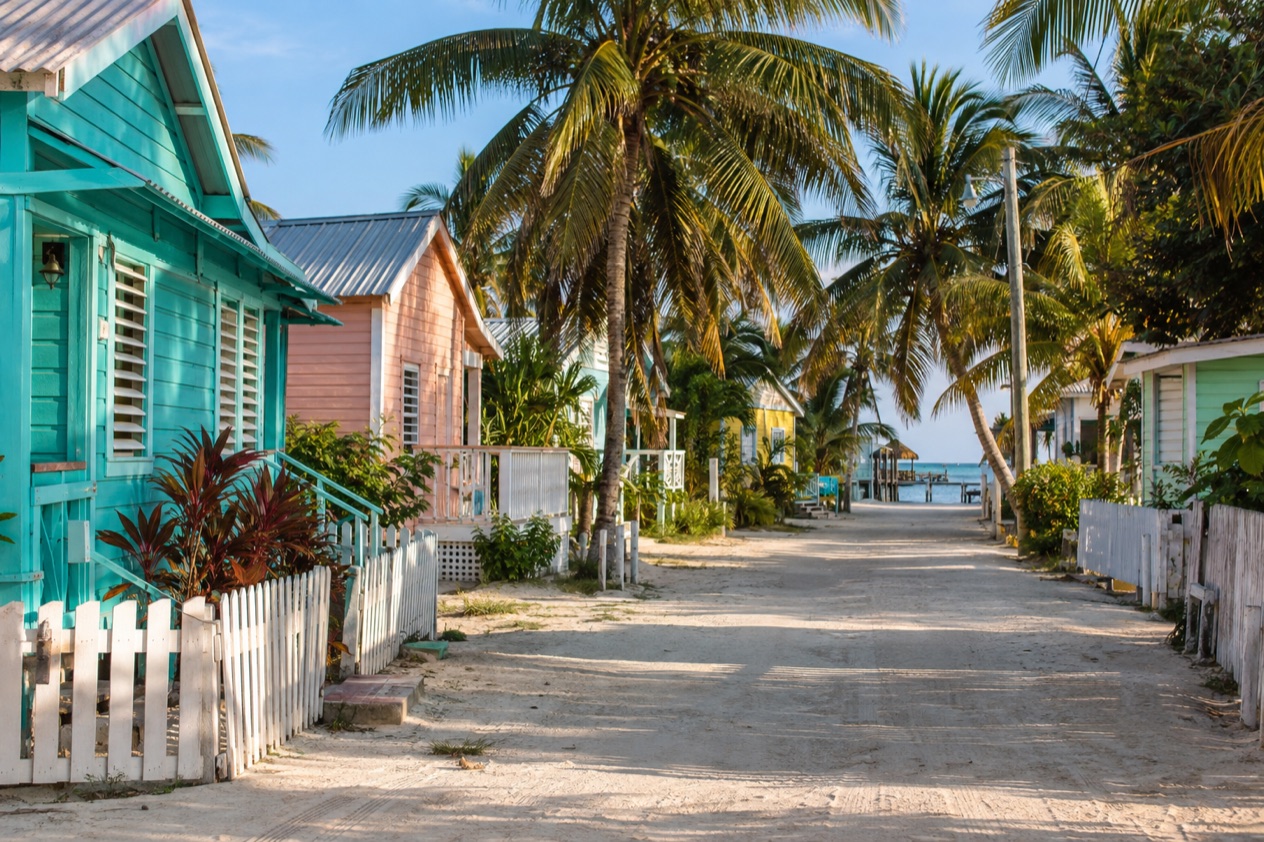
Early on Caye Caulker, the sand streets are nearly empty except for bicycles and the odd pedestrian drifting toward a breakfast stand, and the sea at the end of every lane has a pale, glassy shine. Fry jacks hiss in oil, a screen door slaps somewhere, and the island’s only traffic sign asks everyone to go slow. Three days here means a village to wander, a reef just offshore and a manatee sanctuary to visit, all at the pace the island sets.
Is three days enough in Caye Caulker?
Three days is plenty for most travelers who come to Caye Caulker to slow down, snorkel and eat well, and it suits anyone who wants a first taste of Belize’s cayes without a long itinerary. The island is five miles long, and the village takes up only a small part of it, so nothing here asks you to rush. The pace is the point, and three days lets you settle into it.
In that time you can walk the village and the waterfront, spend a full day on the water in the Caye Caulker Marine Reserve, and set aside a day for the manatees at Swallow Caye Wildlife Sanctuary. What three days leave out is the far reef.
The atolls (Turneffe Atoll, Lighthouse Reef with its Great Blue Hole, and Glover’s Reef) belong to a longer trip, as do the Maya sites and rainforest lodges on the mainland. If you have a week, add those, or add a night on Ambergris Caye, which is a ferry ride away.
Anyone who needs a schedule full of landmarks may find three days here long. Anyone who likes to read in a hammock between swims will find them short. Island time works that way.
Day 1 in Caye Caulker
Start the first morning on foot, because the village is the island’s living room and it is best met before the day gets going. Walk the sand streets with no destination, past painted wooden houses, small grocery counters and bike racks, and stop wherever something smells good.
Breakfast is usually fry jacks, johnnycakes or eggs with beans and fresh fruit, eaten at a small local counter or a table on a porch. Since the island has over 50 hotels, you will pass plenty of front gardens and hammocks along the way.
Spend the afternoon on the waterfront. The east side faces the reef and the open Caribbean, with docks, beach bars and a shoreline made for sitting. The west side, around the bay called La Ensenada, is where one theory says boats were once caulked, which would explain the island’s name.
Walk to the Split, the narrow channel that cuts the island in two, and watch the boats and the light on the water from the bar terraces.
For the evening, the island’s lobster-fishing past is the thing to eat. Lobster is the heart of the local menu, grilled, in a stew or in a coconut sauce, and the sleepy village once lived mostly on it.
Choose a seaside grill or a small family kitchen over anything with a big menu, and finish with a walk back along the sand street under the stars. One tip: take a flashlight or use your phone light, since the lanes are dim and the sand is soft.
Day 2 in Caye Caulker
Day 2 belongs to the sea. The barrier reef lies one mile east of the island, which is why Caye Caulker has been a base for snorkelers and divers for so long, and the Caye Caulker Marine Reserve around it is described as a diver and snorkeler’s paradise.
The reserve covers more than 9,000 acres of the Mesoamerican Barrier Reef System and takes in mangroves, lagoon marshes, seagrass beds and coral reef. A boat trip out to the reef is the center of the day.
Those habitats are worth knowing about, because a day on the water here is not only about coral. You may see fish moving through the seagrass, the mangrove edges where young marine life gathers, and the reef itself, with its colors and its crowds of small fish.
Sea life comes and goes, so think of rays, turtles and sharks as things you may meet, not promises. Back on shore, rinse off, change and let the afternoon go slowly with a cold drink and a book.
Dinner on this night can lean toward the sea again, with grilled fish, ceviche or a plate of rice and beans with stewed chicken, the Belizean standard. Small kitchens in the village serve it in plain dining rooms with plastic chairs and very good cooking. Afterward, walk the front street, where music drifts from the bars and the night air stays warm. Keep the evening loose, because tomorrow you go to see the manatees.
Day 3 in Caye Caulker
The third day goes to the manatees of Swallow Caye Wildlife Sanctuary, a boat trip from the island. The tours do not allow swimming with the manatees, and some days it is harder to see them, so go with the idea of watching quietly from the boat and being pleased with whatever shows. The trip fits here because it is a different kind of outing from the reef day, built around a sanctuary instead of a snorkel.
Once you are back, give the rest of the day to the village. Take the late light on the east-side dock, when the sea turns a soft silver and the boats come in.
Look into the small craft stalls and the painted signs, and pick up a few things from the shops that line the main streets. Lobster, conch or a simple plate of fried fish from a street counter makes a good lunch, and a fresh fruit juice sold from a cart will round it out.
For the last evening, return to the waterfront. Sit at a bar facing the Split as the sky changes, have a final plate of seafood and watch the village settle into night. There is no need to do more. The island’s pace is the souvenir, and by the third night you will have taken to it. The only traffic sign on Caye Caulker still asks you to go slow, and you will.
Where to stay for three days in Caye Caulker
The village is the natural base for this plan. Everything you do on these three days starts there, from breakfast stands and grills to the docks where boats leave for the reef and the sanctuary.
Staying in or near the village means you can walk to meals, return for a rest between outings and hear the island at night without planning a ride. The island has over 50 hotels, and many sit within a few steps of the sand streets or the shoreline.
Choose a room close to the east-side shore if you want the sea at your door and the sound of the water at night. A spot nearer the western side suits you if you prefer a view across the bay and the glow of sunset over La Ensenada.
Travelers who want more space and fewer neighbors can look at places farther along the island, away from the village center, and accept a longer walk or bike ride to dinner. The island has been on the backpacker circuit since the 1960s, and hotels now cater to a wider variety of visitors, so the choice runs from simple guesthouses to more comfortable stays.
Whatever you choose, think about what you want the room for. If days are spent on the water and evenings in town, a simple base in the village is all you need. If you want to linger on a porch or by the sea, put the shoreline first.
What to skip if you only have three days in Caye Caulker
Skip the far atolls. Turneffe Atoll, Lighthouse Reef with the Great Blue Hole, and Glover’s Reef are separate expeditions, and trying to fit one into a three-day island stay takes time from the reef and the manatees right at your door. Keep them for a trip built around diving, and use the days here to enjoy the reserve just offshore.
Skip adding a second beach town. San Pedro on Ambergris Caye is a ferry ride from Caye Caulker, and it is tempting to add it for comparison. With only three days, the crossing and the change of base eat into a stay that is meant to be slow. Another night or two would give San Pedro its due, but a short visit is likely to leave you with a blurred picture of both places.
Skip the mainland excursions as well. The Maya sites, the caves and the rainforest lodges are rich trips of their own, and bolting one onto an island stay means a lot of moving for little time at each stop.
Spend the time instead on a second snorkel, a long lunch of lobster, or an hour in a hammock with the sea in front of you. And skip a packed schedule altogether. The island rewards unplanned hours, and an empty afternoon is often the one you remember.
Getting around Caye Caulker in three days
You get around Caye Caulker on foot or by bike. The island is five miles long, the village is small, and the single traffic sign asks bikers and pedestrians to go slow, which tells you how the streets work.
Getting to the island is another matter. The San Pedro Belize Express water taxi runs from Belize City to Caye Caulker and takes approximately 45 minutes, and the ferry from San Pedro to Caye Caulker takes about 30 minutes.
Tropic Air also flies to Caye Caulker (airport code CUK), and the flight takes 15 minutes. Belize City’s Philip Goldson International Airport is the country’s only international airport, and Tropic Air also runs scheduled international flights from there to San Salvador, San Pedro Sula, Roatán and Cancún.
For the reef and the manatee sanctuary you travel by boat, from the island’s docks. Whether you arrive by air or by sea, you will spend the three days with no need for a car, and the pace is set by your feet and the tides.
Good to know before you go
The U.S. State Department rates Belize Level 2, “Exercise increased caution”, because of crime, and says the south side of Belize City has historically had the highest concentration of violent crime.
The Atlantic hurricane season runs from June 1 to November 30, so a trip in the fall falls inside it, and the weather is worth following as your dates approach. In Belize City, highs average in the mid-80s to near 90°F depending on the season, and the sea around Caye Caulker is warm all year, in the low 80s in January and the mid-80s in July.
Money is spent in Belize dollars and U.S. dollars alike, and the island’s small shops and kitchens make a little cash handy. Keep your habits simple, walk the lit streets with your phone in your pocket and your valuables in your room, and enjoy a village that is built for strolling.
Sources
- Wikipedia, Caye Caulker (https://en.wikipedia.org/wiki/Caye_Caulker), checked October 11, 2026
- Wikivoyage, Caye Caulker (https://en.wikivoyage.org/wiki/Caye_Caulker), checked October 11, 2026
- Belize Fisheries Department, Caye Caulker Marine Reserve (https://fisheries.gov.bz/ccmr/), checked October 11, 2026
- Caye Caulker Village Council, Traffic (https://www.cayecaulkervillagecouncil.org/traffic), checked October 11, 2026
- Caye Caulker Village Council, About (https://www.cayecaulkervillagecouncil.org/about), checked October 11, 2026
- San Pedro Belize Express Water Taxi, Caye Caulker (https://belizewatertaxi.com/destinations/caye-caulker/), checked October 11, 2026
- Tropic Air, Caye Caulker (https://www.tropicair.com/caye-caulker-cuk/), checked October 11, 2026
- Maya Island Air, Caye Caulker flights (https://www.mayaislandair.com/belize-flights-caye-caulker/), checked October 11, 2026
- Wikipedia, Belize Barrier Reef (https://en.wikipedia.org/wiki/Belize_Barrier_Reef), checked October 11, 2026
- Open-Meteo Marine API, average 2015-2024, checked October 11, 2026
- NOAA NCEI, GHCN-Daily station BHM00078583 (Philip S. W. Goldson International Airport, Belize City), normals 1991-2020 computed from the daily record (https://www.ncei.noaa.gov/access/services/data/v1?dataset=daily-summaries&stations=BHM00078583), checked October 11, 2026
- Tropic Air, Belize International Airport (https://www.tropicair.com/belize-international-airport-bze/), checked October 11, 2026
- U.S. Department of State, Belize Travel Advisory, Level 2, March 11, 2026 (https://travel.state.gov/), checked October 11, 2026
- NOAA National Hurricane Center, Climatology (https://www.nhc.noaa.gov/climo/), checked October 11, 2026
To plan your stay
- Best Time to Visit Caye Caulker: Dry Season, Sea Temperatures, Hurricane Months and Festivals
- Where to Stay in Caye Caulker: Village Center, the Split, the North Side and the Lagoon Shore
- Caye Caulker from Belize City: Water Taxi, Small Plane and What to Do on Arrival
- Know Before You Go to Caye Caulker: Entry Rules, Money, Water Taxis and Health