
When morning light arrives in Old San Juan, the cobblestones, blue-gray in hue, still feel cool, café owners raise their shutters, and sunlight hitting the walls of El Morro makes the pastel townhouses glow pink. Across the island, the evening belongs to Rincon, where surfers sit on their boards and watch the sun drop into the Caribbean. Puerto Rico packs a city, a rainforest, a surf coast and two small islands into a space you can cross in an afternoon, so the real choice is which corner will be your base.
What is the best area to stay in Puerto Rico?
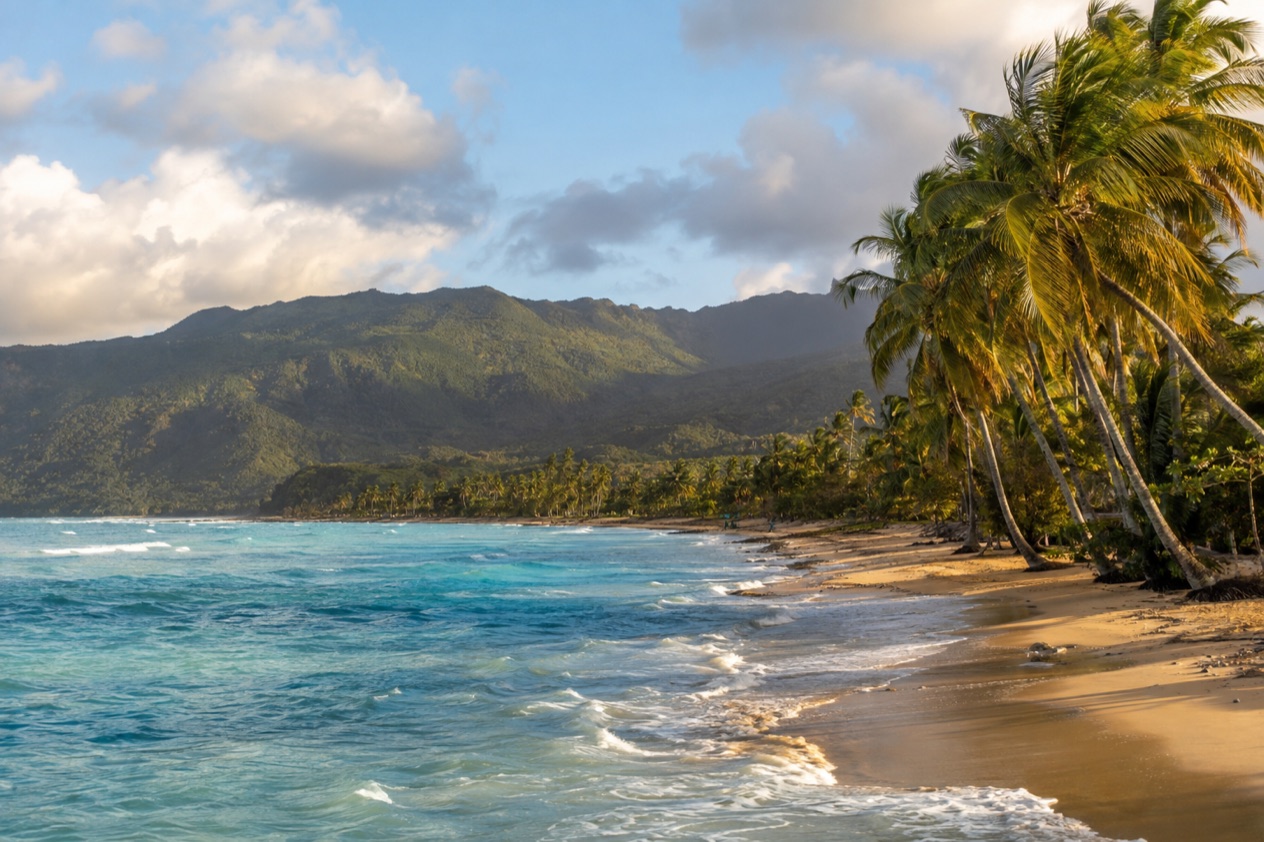
For a first visit, San Juan is the easiest answer, because it puts history, restaurants, beaches and the main airport within reach of each other. Beach lovers who want a long stretch of sand and a hotel at the water’s edge will be happy on the Condado and Isla Verde strips, while surfers and sunset chasers belong in Rincon. Travelers who want quiet, wild horses and a glowing bay at night should look to Vieques, and those who want a real small-town feel with almost no resorts will find it on Culebra.
Budget-minded travelers tend to do well in the neighborhoods of San Juan that sit a little back from the sand, and in Rincon and Esperanza, where guesthouses and small apartments are the norm. Families often prefer a beachfront hotel in Isla Verde or Condado, where there is a pool, a restaurant downstairs and a short walk to the water. Nightlife is concentrated in San Juan, in the bars of Old San Juan and the restaurants and music spots of Santurce, and the rest of the island goes to bed earlier.
The areas differ more in mood than in distance. San Juan is a working capital with traffic, culture and the widest choice of food. The northeast around Fajardo is a marina coast, a launching point for boats, kayaks and the ferries to the small islands.
The west is a surf and sunset coast with a slower rhythm, and the south, with Ponce, is a historic city on a drier, hotter side of the island. Each of these can be a base for the whole trip, but most visitors split their nights between two of them.
Year round, Puerto Rico remains warm and humid, and every choice follows from that, with roughly December through April being drier and roughly May through November being wetter. Rainfall is heaviest along the north coast and in the central mountains, whereas the south and west tend to stay drier.
The wetter months are also the Atlantic hurricane season, which runs from June 1 to November 30 and peaks in the middle of September, so a flexible booking is worth having if you travel then. When your departure gets close, watch the National Hurricane Center along with whatever warnings local officials put out.
A last point helps with planning: a rental car makes the west, the south and the northeast easy to combine, but you can also base yourself in San Juan and see a lot without one. Old San Juan itself is a place to walk, and parking there is a puzzle you may not want to solve. If you plan to move between regions, choosing a base near the road you will use most saves hours on the trip.
The best areas to stay in Puerto Rico
San Juan: Old San Juan, Condado, Isla Verde and Santurce
San Juan is really four places in one. Old San Juan is the walled colonial city on its islet, with plazas, balconies, two Spanish forts and narrow streets that are best on foot.
Along the shore, Condado and Isla Verde form the beach-and-hotel strips, home to towers and beachfront resorts, while near Calle Loiza, Santurce, the arts and food district, buzzes with murals, bars and restaurants. East of the airport, Pinones adds beachside kiosks selling alcapurrias and bacalaitos.
Lodging follows the neighborhood. Old San Juan has boutique hotels in restored buildings, small guesthouses and apartments, so rooms are often compact but full of character.
Condado and Isla Verde have the big resorts, including all-inclusive style properties and hotels with pools, and Santurce leans toward apartments and smaller inns. Isla Verde sits closest to the airport, usually a short ride, while Condado and Old San Juan are a bit farther along the coast, and getting between them is easy by taxi or ride-hailing.
Choose Old San Juan if you want to step out the door into history and dinner, Isla Verde if the beach and an early flight matter most, and Condado for a balance of both. Facing the Atlantic, the city beaches receive consistent waves, which means the water varies daily.
A reef encloses the Balneario de Escambron, which sits just beyond Old San Juan and has a reputation for gentler water. A useful tip: sleep in the old city for at least one night, because the streets after the day visitors leave are the best of the trip.
Rincon and the west coast
Rincon is a small town and the island’s surf capital. The 1968 World Surfing Championships took place there, and its western exposure has made it famous for sunset views. During winter, large waves arrive at spots like Domes and Tres Palmas thanks to northern swells. Summer brings calmer seas, making the beaches perfect for swimming, snorkeling and paddleboarding, which gives the town a split personality that shifts with the season.
Lodging here is mostly small: guesthouses, boutique inns, villas and apartments, many with ocean views and a short walk to a beach, and few large resorts. Between roughly January and March, humpback whales move through the sea off the west coast, and from the lighthouse area at Punta Higuero you can occasionally spot them. Aguadilla, nearby, has its own airport and beaches, which helps if you want to skip the long drive from San Juan.
Rincon suits couples, surfers and anyone who likes slow evenings with a drink and a sunset. You will want a car to explore the coast, and the drive from San Juan takes a good part of a day once you add stops. Winter waves can be powerful, so ask locally about conditions and follow any flag or sign where one is present before getting in the water.
Vieques and Culebra
Vieques is a larger island southeast of Fajardo, where much of the land that was once a U.S. Navy range is now a wildlife refuge. Because of this, stretches of shoreline stayed unbuilt, and horses living in the wild wander the roads and the sand.
Sun Bay, Red Beach and Blue Beach rank among the top spots for visitors. On the north coast sits Isabel Segunda, the ferry town, while the south coast’s easygoing waterfront village of Esperanza offers guesthouses and restaurants in the open air.
Mosquito Bay is the island’s bioluminescent bay and its big night-time draw. You reach the bay by guided kayak or electric boat, and with no moon the glow shows best, which means it may happen but is not guaranteed.
Even tinier is Culebra, home to a single town called Dewey, a peaceful harbor, and no big resorts, where people explore by way of rented bikes and golf carts. You can get to either island by public ferry out of Ceiba, or by a short flight.
These islands suit people who want to unplug, snorkel and eat outdoors, and they are not the place for big nightlife or shopping. Lodging is small-scale, mostly guesthouses, apartments and villas. Because there are only so many rooms, and the ferry and flights are limited, it helps to settle your lodging before your transport.
Fajardo and the northeast
Fajardo sits in the island’s northeast corner, a marina town that serves as the launching point for catamaran and sailing day trips out to the offshore cays. A boat ride brings you to Icacos, a tiny uninhabited cay that remains the classic trip for snorkeling and white sand. Laguna Grande, one of Puerto Rico’s three bioluminescent bays, sits inside the Las Cabezas de San Juan Nature Reserve, and to see it most visitors book a guided kayak trip after dark.
Staying here makes sense if you are heading to Culebra or Vieques, since the ferries leave from the nearby port of Ceiba, a short drive south. Lodging includes resort-style hotels near the water, marina-side inns and rental apartments. On the coastal route headed to San Juan, the beach at Luquillo and the line of food stalls beside it sit near the road that leads to El Yunque, so the northeast also works well as a base for the rainforest.
Expect more rain here than on the south coast, usually in passing showers, since the northeast and the mountains are among the wetter parts of the island.
Ponce and the south coast
Ponce is the island’s second city, nicknamed the Pearl of the South. The historic heart of the city revolves around Plaza Las Delicias, along with the Parque de Bombas firehouse, striped in red and black, and the Ponce Museum of Art. Perched on a hilltop, the 1930s mansion Castillo Serralles commands views over the city, while by the sea, families come together in the evening at the boardwalk known as La Guancha.
The south has a drier, hotter climate than the north, which suits visitors who dislike gray days. Lodging is mostly town hotels, historic inns and apartments around the center, and the city is walkable once you are in the plaza area. Carnaval de Ponce takes place in the weeks before Lent, with parades of costumed vejigantes in horned masks, and rooms fill up around it.
Ponce suits travelers who care about architecture, museums and local life more than resort comforts. It also works well as a night or two between the west coast and San Juan. Ponce has commercial flights too, which can simplify a trip that skips the capital.
Puerto Rico areas compared
| Area | Best for | Feel | Getting around |
|---|---|---|---|
| San Juan | First visit, food, history, nightlife | Urban, lively, walkable in the old city | Walking in Old San Juan, taxis and ride-hailing between neighborhoods |
| Fajardo and the northeast | Boat trips, ferries, bioluminescent bay, El Yunque | Marina town, outdoorsy | Car for the coast road, ferries from Ceiba |
| Rincon | Surfing, sunsets, whales in season | Small, relaxed, bohemian | Car |
| Vieques | Wild beaches, wild horses, glowing bay | Quiet, undeveloped | Public ferry or small plane, then rented vehicles and taxis |
| Culebra | Quiet harbor, snorkeling | Tiny, no large resorts | Ferry or short flight, then golf carts and bikes |
| Ponce | History, museums, Carnaval | Historic, drier and hotter | Walking in the center, car beyond |
The main trade-off is beach against local life. A hotel on the sand in Isla Verde gives you the water at your door, but you will eat in hotel-adjacent places unless you ride into town. Staying in Old San Juan or Ponce puts you among neighbors, plazas and cafés, and the beach becomes an outing rather than a doorstep.
Quiet and nightlife pull in opposite directions too. Vieques, Culebra and Rincon reward people who like early dinners and starry skies, and they empty out soon after dark. San Juan keeps going late, with music in Santurce and bars in the old city, and some rooms in the liveliest streets can be noisy.
Travel time matters as well. The west and the south are a long drive from the airport in San Juan, while the northeast is closer. Many travelers split a week between San Juan and one other area, which keeps the driving to a single longer leg and gives the trip two different moods.
If you want a simple rule, pair a city with a quiet place: San Juan with Rincon for sunsets and surf, San Juan with Fajardo and Vieques for water and the glowing bay, or Ponce with the west for a quieter, drier route. Each pairing puts the long road at the start or the end rather than in the middle of your stay.
How to choose your hotel in Puerto Rico
Start with the question of all-inclusive or not. A resort that includes meals and drinks keeps things simple and suits families and travelers who want to stay put, but the island’s food is a main reason to come.
Mofongo, pasteles, lechon asado, tostones, alcapurrias and tembleque form the backbone of Puerto Rican cooking, and chinchorros, kiosks and cafés serve it, spots you will miss if you never leave the resort. A hotel without meals, or with breakfast only, leaves you free to eat the island.
Next, decide where you want the water. If you book a room right on the beach, the waves and the sunrise are yours from the moment you wake, yet the Atlantic runs along the north and west coasts, bringing dependable surf, and every day and every beach can serve up something different.
A lagoon-side or bay-side room is often quieter, and in San Juan the area near the Condado lagoon trades the open ocean for calmer views and a walk to the sand. No matter where you take a dip, obey whatever flag, sign or lifeguard is on hand.
During some springs and summers, sargassum seaweed can appear along the east and south coasts, so check with the property about which direction its beach faces and whether seaweed has been a problem lately. Think of it as a possibility rather than a sure thing, and one week is all it takes for conditions to shift.
Timing affects availability. Finding a place to stay in the old city stays tough all through the holiday season, which kicks off in late November, continues until mid-January, and finishes with the Calle San Sebastian street festival in Old San Juan.
Carnaval de Ponce and the winter surf season in Rincon do the same for their towns.
Families usually do best with a hotel that has a pool, a restaurant on site and a short walk to calm water, with a kitchenette as a bonus for snacks and early mornings. Travelers with limited mobility should ask about elevators, step-free routes and room location, especially in Old San Juan, where the historic buildings have stairs and the streets are uneven cobblestones.
Before you book, check three things. First, noise: a balcony over a lively street in Old San Juan or Santurce is fun at dinner and loud at midnight. Second, how you will get from the airport, since the west and south are a long way from San Juan.
Third, whether you need a car, because many small inns on the coast and on the islands are not near shops or restaurants. If you travel in the wetter months, a flexible cancellation option is a sensible comfort during hurricane season.
Good to know before you go
Traveling to Puerto Rico requires neither a passport nor a visa for U.S. citizens, and mainland flights count as domestic. Luis Munoz Marin International Airport in San Juan serves as the main arrival point for most travelers, while Aguadilla to the northwest and Ponce to the south also receive commercial flights, handy if you intend to base yourself in either place. You will use the U.S. dollar here, and Spanish and English both hold official status, but locals always appreciate it when you try a few words of Spanish.
Sources
- NOAA National Hurricane Center, Climatology (https://www.nhc.noaa.gov/climo/), checked October 8, 2026
To plan your stay
- Best Time to Visit Puerto Rico: Dry Season, Hurricane Season, Beaches and Festivals
- Things to Do in Puerto Rico: Old San Juan, Beaches, Bioluminescent Bays and Island Food
- Getting Around Puerto Rico: Rental Cars, Tolls, Carros Publicos and Ferries to Culebra and Vieques
- Know Before You Go to Puerto Rico: ID, Money, Getting Around and Local Customs