
The first thing that greets you at the San Juan airport is the warm, damp air, and then the mix of Spanish and English from the arrivals hall, with a radio somewhere playing salsa. Puerto Rico feels both familiar and new: dollars in your pocket, a language you will want to try, and a rhythm of life that runs on island time. A few things are worth knowing before you land.
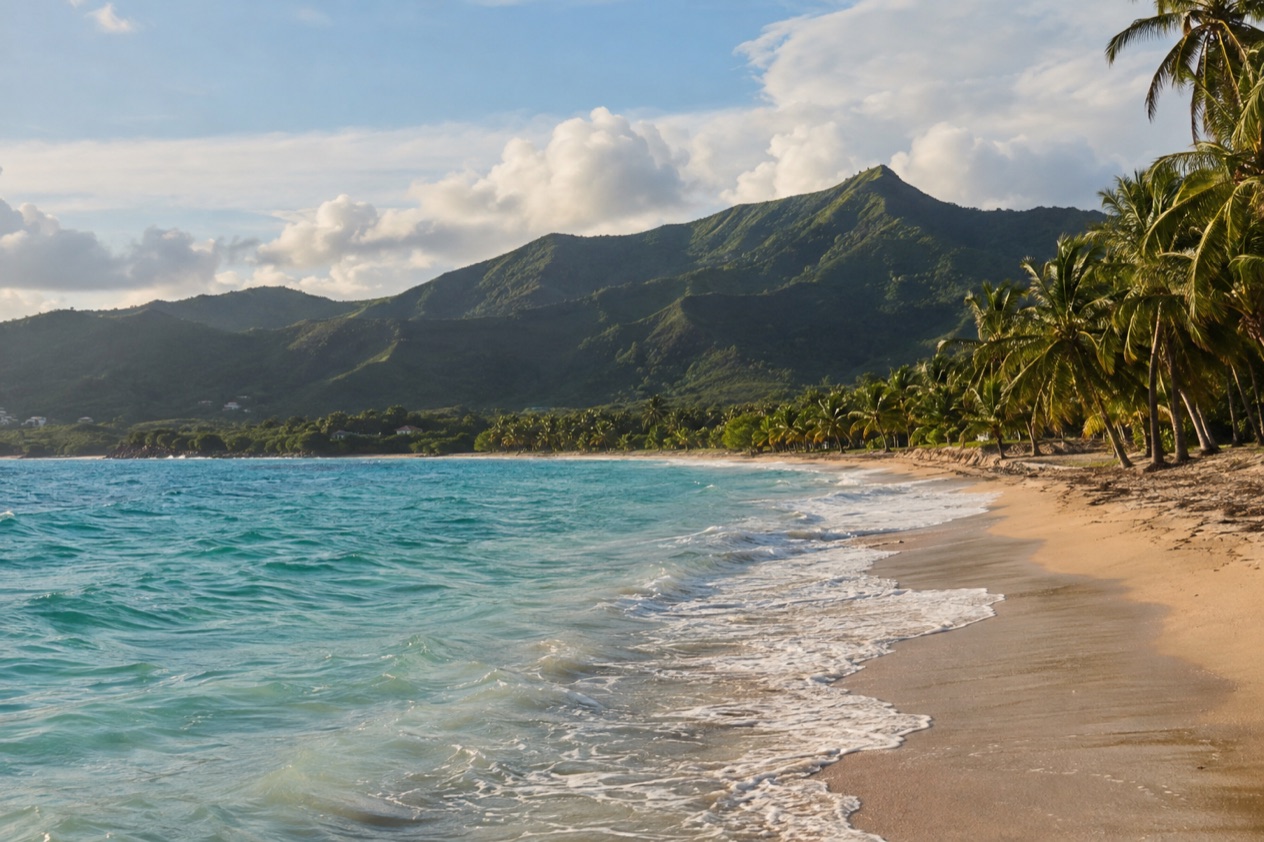
What should you know before visiting Puerto Rico?
Keep these four points in mind: U.S. citizens can visit without a passport, the island stays warm and humid throughout the year, Spanish is the language you will hear most often, and the calendar from June to November is shaped by hurricane season. Get those straight and the rest is easy.
What surprises first-time visitors is how much the island feels like a country of its own despite the familiar currency and the domestic flights. Menus, street signs and conversations lean on Spanish, even though English is also official. Many people switch happily to English in hotels and restaurants, but a simple buenos días at a bakery counter or a gracias at a roadside kiosk changes the tone of the exchange at once.
The island is also bigger and more varied than it looks on a map. You can spend a morning in the rainforest of El Yunque, an afternoon on a north coast beach and an evening eating fried snacks at a beach kiosk, and the next day cross the central mountains to a coffee town where the air is noticeably cooler. The north and the mountains tend to be wetter, the south and west drier and hotter, so the weather you get depends on which side you choose.
Finally, the food is a reason to come on its own. Mofongo, arroz con gandules, lechon asado, pasteles, alcapurrias and tembleque turn up on most itineraries, and coffee from the mountains and local rum are the drinks people take home. Plan your days around meals, not the other way around.
Entry, fees and paperwork
Because Puerto Rico belongs to the United States, travelers who are U.S. citizens can fly from the mainland without a passport or a visa. A domestic trip is still what you get when you leave from New York, Miami, Orlando, Philadelphia, Boston, Tampa or Chicago, and the primary gateway is San Juan’s Luis Muñoz Marín International Airport. Aguadilla, up in the northwest, and Ponce, down in the south, also handle commercial flights, a genuine bonus when your travels head toward the west coast or the south.
What you do need is the identification the airline and the airport checkpoint ask for on any domestic trip. Adults 18 and older must show valid ID to get through security. Plan for this before you leave home, because a driver’s license that is not REAL ID compliant is no longer accepted at airports, and the return flight counts as much as the outbound one.
If your license is not compliant, the simplest fix is to travel with a passport, or to enroll for a REAL ID at your state motor vehicle office ahead of time. There is also a last-resort option at the checkpoint, which carries a fee.
| Fee | Amount | Who pays |
|---|---|---|
| TSA ConfirmID (from February 1, 2026, if you cannot show an acceptable ID at the checkpoint) | $45 | Adult passengers without an acceptable ID |
The island runs on Atlantic Time, which means that in summer it matches the East Coast and in winter it is an hour ahead of it.
Money, cards and tipping
The currency is the U.S. dollar, so there is nothing to exchange and no conversion to do at the register. Out in the mountains, along small beaches and at roadside food stands, it is wise to carry some cash, since the smallest places often prefer it.
The beach kiosks, the quioscos, are a good example. These simple stands are part of a day at the shore for many Puerto Rican families, serving fried snacks such as alcapurrias and cold drinks, and a few small bills make the visit smoother. The same goes for a cup of coffee at a country café or a piragua, the shaved ice with fruit syrup sold from carts, which is a pleasant way to cool off in the afternoon heat.
Tipping follows American habits. In sit-down restaurants a tip for the server is customary, and it is common to leave something for bartenders, hotel porters, housekeeping and tour guides. Some restaurants add a service charge to the bill, so look at the check before you add more. Rideshare drivers and taxi drivers also appreciate a tip, as at home. One more habit worth knowing: casinos in Puerto Rico are attached to hotels and resorts, so if a night at the tables interests you, you will find them there rather than on the street.
Getting around and staying connected
Most visitors base themselves in San Juan, and a good part of the capital can be seen on foot, especially Old San Juan with its blue cobblestones, the forts and the plazas. For the rest of the island, the geography decides.
The northeast holds El Yunque and Fajardo, the west has Rincón and the beaches around Aguadilla, the south has Ponce, and the central mountains hold coffee towns and cooler air. These places are spread out, which is why many travelers rely on a rental car to link them.
If you are headed to the smaller islands, the public ferries serving Culebra and Vieques depart from Ceiba on the east coast, and not from Fajardo. Vieques also has a small airport with a single runway, which gives another way across.
Give yourself time and avoid putting a mountain drive and a flight on the same day.
Being a U.S. territory, the island is part of the same time and phone world you know from the mainland, though the Atlantic Time Zone puts clocks one hour ahead of the East Coast in winter. Check your own carrier’s coverage before leaving, since the mountains and the forest can have gaps in signal.
Health, water and the sun
Heat and sun are the main health matters. The island is warm to hot all year, and the humidity makes afternoons feel heavier than the thermometer suggests. Sunscreen, a hat, light clothes and a water bottle are as useful on a cloudy day as on a sunny one, because the sun is strong close to the equator. Plan the most active hours, such as a hike or a walk around the forts, for the morning.
The wetter season runs from about May to November, with showers that tend to arrive in the afternoon and clear quickly. The north coast and the central mountains are the wettest parts of the island, while the south and west are generally drier. In El Yunque, the rainforest, rain is part of the experience, so a light rain jacket is a good companion and trails can be slippery.
As in any tropical place, mosquitoes are part of the evening, especially near water and in the forest. Insect repellent and long sleeves at dusk are sensible habits.
You can count on warm water throughout the year, yet every beach and every day brings its own conditions.
If you see a flag, a sign or a lifeguard, do what it tells you, and when none of those is there, study the water for a bit before entering. Some years, when spring or summer comes around, sargassum seaweed may show up along the east and south coasts.
Local customs and etiquette
Greetings matter. Say buenos días, buenas tardes or buenas noches when you walk into a shop, a bakery or a small restaurant, and expect the same from the staff. Friendliness is part of daily life, conversations start easily, and people often stand a little closer and speak with more warmth than you might be used to at home.
Puerto Rican Spanish is fast and tends to drop the ends of words, so do not worry if it takes a few days to tune your ear. Menus can carry local terms such as jueyes for land crabs, guineo for banana, carrucho for conch, chillo for red snapper and habichuelas for beans, and servers are usually glad to explain.
Dress is relaxed. Beachwear belongs at the beach, and in towns, churches and restaurants most people put a shirt or cover-up on. When visiting a church, shoulders covered and a quiet voice are the courteous choice. Lightweight, breathable clothing is the habit of everyone on the island.
Meals are social and unhurried. Lunch is the main meal for many families, dinner tends to start later than on the mainland, and a table of friends can linger for hours. Markets and roadside stands are generally places to pay the price asked rather than haggle. On the calendar, Christmas stretches from late November into mid-January and ends with the street festival of Calle San Sebastian in Old San Juan, with music and family gatherings, and it is a time when the island is especially lively.
Good to know before you go
The Atlantic hurricane season runs from June 1 to November 30, with the busiest stretch from mid-August to mid-October. Lots of people do visit during that window, yet you should track updates from the National Hurricane Center and local officials, and stay ready to shift your plans, because forecasts can turn fast. Carry the identification you will show at the airport for both directions, keep a few small bills for kiosks and roadside stops, and give yourself a slow first day to get used to the heat and the rhythm of the island.
Sources
- Wikipedia, Puerto Rico (https://en.wikipedia.org/wiki/Puerto_Rico), checked October 8, 2026
- Wikipedia, Tourism in Puerto Rico (https://en.wikipedia.org/wiki/Tourism_in_Puerto_Rico), checked October 8, 2026
- Wikipedia, Puerto Rican Spanish (https://en.wikipedia.org/wiki/Puerto_Rican_Spanish), checked October 8, 2026
- Wikipedia, Puerto Rican cuisine (https://en.wikipedia.org/wiki/Puerto_Rican_cuisine), checked October 8, 2026
- TSA, Identification (https://www.tsa.gov/travel/security-screening/identification), checked October 8, 2026
- NOAA National Hurricane Center, Climatology (https://www.nhc.noaa.gov/climo/), checked October 8, 2026
To plan your stay
- Best Time to Visit Puerto Rico: Dry Season, Hurricane Season, Beaches and Festivals
- Things to Do in Puerto Rico: Old San Juan, Beaches, Bioluminescent Bays and Island Food
- Where to Stay in Puerto Rico: San Juan, Rincon, Vieques and the Best Areas for Your Trip
- Getting Around Puerto Rico: Rental Cars, Tolls, Carros Publicos and Ferries to Culebra and Vieques