
On a Puerto Rican evening, the plaza in Old San Juan fills with families, dominoes slap down on café tables, and somewhere a radio plays salsa while the smell of fried alcapurrias drifts down the blue cobblestones. Most visits are exactly this easy and sociable. Still, the question of safety deserves an honest answer, because the island is a real place with real cities, mountain roads, strong surf and a hurricane season, and a good trip comes from knowing how each of those works.
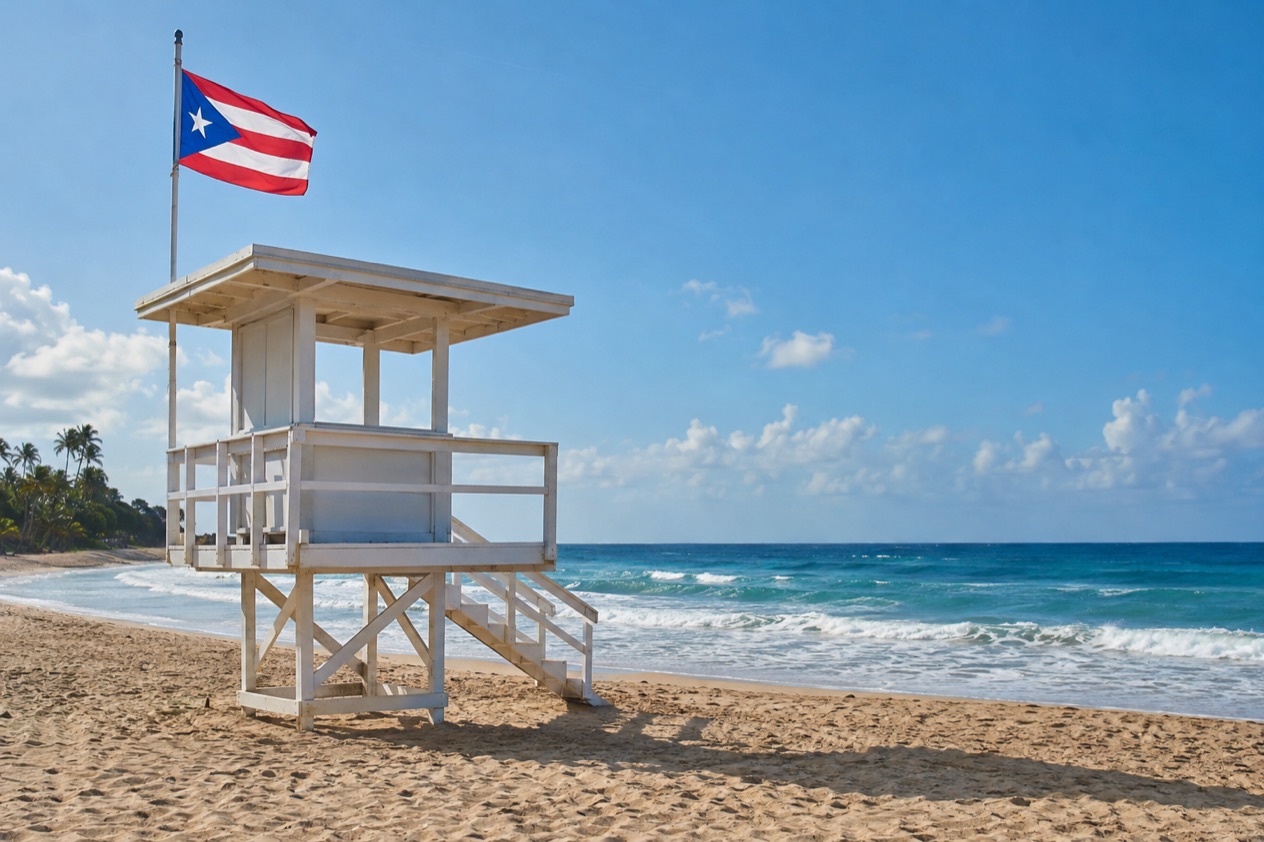
Is Puerto Rico safe to visit?
Puerto Rico is a place millions of Americans visit comfortably, but no trip is guaranteed to go smoothly, and the sensible approach is the one you would take in any large U.S. destination: stay aware, keep valuables out of sight and use judgment about where you are and what time it is. Being a U.S. territory removes a good deal of friction. For U.S. citizens, no passport or visa is required, the currency is the dollar, mainland flights count as domestic, and both English and Spanish hold official status, which means getting assistance is seldom an issue.
What a visitor actually meets is mostly ordinary city and resort life.
Nothing here is peculiar to the island, and the habits that prevent it are the same ones that work at home. Carry only what you need for the day, leave the rest in the room or the hotel safe, and keep the car empty when you park.
The natural side of the island asks for as much attention as the human side. The sea can be rough on the Atlantic coasts, the sun is strong in every month, afternoon downpours turn mountain roads slick, and the wetter months are also the hurricane months. Puerto Ricans live with all of this calmly, and the rhythm of the place helps: mornings are for the beach and the trail, the middle of the day for a long lunch in the shade, and evenings for the plaza.
A few practical comforts add to the picture. Hotels in the main resort areas are used to visitors, the island is small enough that you are rarely far from a town, and Spanish is spoken everywhere, though many people in tourism switch to English at once. A few words of Spanish, a simple buenas when you walk into a shop, go a long way and usually bring a friendlier conversation and better local advice about where to eat and what to skip.
Safety by area in Puerto Rico
The island is about the length of a long day’s drive, yet its regions feel quite different, and the right habits change a little from the capital to a mountain coffee town. Let each place’s own rhythm shape your days there.
San Juan and the north coast
San Juan is the capital and the main gateway, so it is where most trips begin and where you meet the island’s biggest crowds. Old San Juan is a walkable maze of blue-gray paving stones, forts and balconies, busy by day with cruise visitors and lively after dark around the plazas and restaurant streets. Condado and Isla Verde are the hotel strips, with beaches on one side and towers, restaurants and casinos on the other.
In a big city like this, the common-sense rules count most: stay on busy, lit streets at night, keep phones and cameras in a front pocket or bag, and take a car rather than walking long empty stretches between neighborhoods. The old city’s steep, slippery stones also deserve respect, so wear shoes with grip, especially after rain.
The northeast, El Yunque and the islands
The northeast is where the island turns green. Above the coast you will find El Yunque rainforest, Fajardo serves as the boating town, and the public ferries to Culebra and Vieques depart from the port at Ceiba. The rainforest is wet in every season, so trails can be muddy and rocks slick, and a rain jacket and shoes with traction matter more here than anywhere else on the island.
Culebra and Vieques feel like small-town Caribbean life: quiet roads, golf-cart-sized traffic, beaches with few services and bioluminescent bays that glow best on moonless nights. Distances are short, but facilities are thin, so bring water, sun protection and a plan for the return ferry or flight. Vieques has a small one-runway airport, which is worth knowing if your plans depend on a particular departure.
The west, the south and the mountains
The west around Rincon and Aguadilla is surf country, with long beaches, sunset bars and a laid-back crowd. Here the main safety topic is the water, which is covered below. The south around Ponce is hotter and drier, with a historic center of colorful buildings, and La Parguera on the southwest coast is known for its bioluminescent bay.
The central mountains are cooler and quieter, with coffee towns, winding roads and fog in the mornings. Drive them in daylight when you can, because curves are tight, lighting is limited and rain comes quickly. Cell service can be patchy in the hills, so download a map before leaving town and fill the tank before you climb.
Common scams and how to avoid them
The best defense is knowing the price or the plan before you say yes.
Pushy sellers are the first thing many visitors notice, on busy squares and beaches, with offers of tours, trinkets or a quick photo. A friendly, firm no, gracias and a steady walk is usually all it takes. Do not hand over a camera or phone to a stranger who offers to take a picture, and be wary of anyone who presses you to decide on the spot.
Because Puerto Rico uses the U.S. dollar, there is no need to change money at the airport, which removes one of the classic traps of international travel. Withdraw cash at ATMs inside banks or hotel lobbies in daylight and shield the keypad as you would at home.
Check your card statement once you are back, and keep one card in reserve at the hotel. At restaurants, read the bill for service charges already added before you tip again. At beach kiosks, the quioscos that are part of a day by the sea, ask the price of a snack or a drink before ordering and you avoid any surprise.
Tours and activities offered on the street deserve a second look. A legitimate operator can tell you exactly what is included, where you meet and how you get back, and will not mind if you take time to decide. For bioluminescent bay trips, ferry crossings and rainforest outings, booking through your hotel or a well-reviewed operator is calmer than negotiating with someone who approaches you on the sidewalk.
Getting around safely
Within San Juan and the resort strips, taxis and ride-hailing apps do the job well, particularly at night, when a short ride beats a long walk through quiet blocks.
Driving has its own character. Traffic around San Juan can be dense and fast, with drivers who change lanes briskly, and the mountain roads are narrow and curvy with sudden rain. Leave extra time, avoid unfamiliar back roads after dark, and give yourself a break from the wheel on long days. Keep luggage out of sight, lock the car every time, and park in lit, busy spots.
Rain changes the rhythm of a drive. A road that was dry at breakfast can carry a sheet of water by mid-afternoon, particularly in the wetter north and in the mountains, so slow down and turn on your lights. Plan the big drives for the morning, when skies are usually clearer, and keep the afternoon for the beach, a museum or a long lunch.
If you are heading to the small islands, keep in mind that public ferries for Culebra and Vieques depart from Ceiba rather than Fajardo, so be sure you reach the correct port. Small planes also serve the islands from the main airport and the one-runway field on Vieques.
Beach, water and weather safety
The sea is the main pleasure of the island and also its main risk. Big winter swells roll in from the Atlantic along the north and west coasts, and that is what makes Rincon the surf town. The south coast and the small islands of the east are on the calmer Caribbean side, but conditions change from day to day and from beach to beach, so never assume a beach is calm just because it was yesterday.
When a flag, a sign or a lifeguard gives you direction, follow it, yet do not count on finding one. Rip currents can pull swimmers away from shore even on sunny days, so watch the water for a few minutes before going in, stay near other people and keep children within arm’s reach.
In certain springs and summers, sargassum seaweed may arrive on the east and south coasts, collecting on the sand and turning the water cloudy and foul-smelling for a time. That can happen sometimes, though it is not guaranteed, and switching to a different beach usually takes care of it. A more constant concern is the sun, since Puerto Rico stays warm and humid throughout the year, and a beach day without sunscreen, a hat and plenty of water finishes with a burn or heat exhaustion.
From the beginning of June through the end of November comes the Atlantic hurricane season, and activity is greatest between mid-August and mid-October, peaking near the second week of September. It overlaps with the wetter months, which start earlier in spring, so the rainy season and storm season run side by side.
Watch what the National Hurricane Center and local officials are saying too, because predictions can change fast. Months from December to May fall outside the official hurricane season, and they are also the drier ones.
Good to know before you go
Money is simple, since the dollar is the currency and cards are widely accepted, though small kiosks and village shops may prefer a few bills in your pocket. Bring a valid photo ID for your flight, keep copies of your reservations on your phone, and carry a basic first-aid kit and enough sunscreen for the trip. Between June and November, consider travel insurance, check which weather disruptions the policy covers, and keep your plans flexible.
In short, the habits that serve you best are the simple ones: watch your belongings, respect the sea, plan around the rain and enjoy the evening life of the plazas with the same good sense you would use at home.
Sources
- Wikipedia, Puerto Rico (https://en.wikipedia.org/wiki/Puerto_Rico), checked October 8, 2026
- Wikipedia, Tourism in Puerto Rico (https://en.wikipedia.org/wiki/Tourism_in_Puerto_Rico), checked October 8, 2026
- Wikipedia, Puerto Rican Spanish (https://en.wikipedia.org/wiki/Puerto_Rican_Spanish), checked October 8, 2026
- Wikipedia, Puerto Rican cuisine (https://en.wikipedia.org/wiki/Puerto_Rican_cuisine), checked October 8, 2026
- TSA, Identification (https://www.tsa.gov/travel/security-screening/identification), checked October 8, 2026
- NOAA National Hurricane Center, Climatology (https://www.nhc.noaa.gov/climo/), checked October 8, 2026
To plan your stay
- Best Time to Visit Puerto Rico: Dry Season, Hurricane Season, Beaches and Festivals
- Things to Do in Puerto Rico: Old San Juan, Beaches, Bioluminescent Bays and Island Food
- Where to Stay in Puerto Rico: San Juan, Rincon, Vieques and the Best Areas for Your Trip
- Getting Around Puerto Rico: Rental Cars, Tolls, Carros Publicos and Ferries to Culebra and Vieques