
Early on a March morning in Puerto Viejo, bicycles roll along the road toward Playa Cocles with surfboards under one arm, and the smell of coconut rice and rondon drifts from the kitchens along the main street. Reggae leaks out of a bar that never quite closed. Along this southern Caribbean shore, time follows its own rhythm, and March often lands in a gentler season, making it a fine month for sand, rainforest hikes and unhurried afternoons on a bike.
What is the weather like in Puerto Viejo de Talamanca in March?
March is hot and humid, with a mix of sunny stretches and passing showers, and the nights stay warm enough to sleep with a fan and the windows open.
| Month | Average high (°F) | Average low (°F) | Rain days | Sea (°F) |
|---|---|---|---|---|
| February | 79.9 | 70.4 | 11.1 | 82.7 |
| March | 80.6 | 70.9 | 12.9 | 83.7 |
| April | 81.6 | 71.9 | 14.4 | 84.8 |
The Caribbean side does not follow the Pacific calendar. While the Pacific coast and the Central Valley are in their dry months, this coast gets its own rhythm, and the southern stretch is often drier in February and March than at other times of year.
Do not read that as dry, though. Rain still falls on many days, usually as a shower that soaks the road for twenty minutes and then moves on, and now and then a heavier downpour settles in for an afternoon.
The day tends to shine brightest early, when it is sunny and warm right away, ideal for the beach, biking or a forest walk. Plan the long outdoor stretches early and keep the afternoon flexible. Evenings are soft and sticky rather than cool, so a T-shirt is enough for dinner outside.
Dress for heat and wet: quick-drying clothes, sandals that handle mud and a light rain jacket that breathes. The sea sits well above the temperature of most American beaches, so swimming never feels like a shock, and the light is strong enough that sunscreen matters even on hazy days.
Can you swim in Puerto Viejo de Talamanca in March?
Yes, the ocean is warm enough to swim for a long time, the sort where you no longer notice how cold or warm the water is.
The beaches east and south of town are wide, backed by palms and forest, and the surf varies from day to day. Playa Cocles draws surfers and bodyboarders when the swell is up, while the beaches toward Punta Uva tend to be gentler, with sheltered corners that suit families and snorkelers on a quiet day. Treat that as a habit of the coast, not a promise, since conditions change with the wind and the swell.
Several drownings of U.S. tourists happen in Costa Rica every year because of rip currents, which are extremely hazardous here, and lifeguards or posted warnings are absent from most beaches. Ask at your hotel or a surf shop where the water has been behaving that week, watch the waves for a few minutes before you wade in, and keep children within arm’s reach. Bring a mask if you want to look at the reef on a calm morning, and a rash shirt for sun.
What to do in Puerto Viejo de Talamanca in March
Puerto Viejo has a name for its beaches, bicycles, reggae and Afro-Caribbean culture, and in March you can take in all four with little hassle. The town works best at a bicycle’s pace. Rent one, tie a towel to the rack and follow the coast road past small restaurants, yoga decks and roadside stands selling fresh coconut water.
There is no big local festival to plan around this month. The one March event the calendar lists is the Dia del Boyero, a parade of painted oxcarts held on the second Sunday of March in Escazu, near San Jose, honoring the oxcart drivers who once carried coffee to the coast. It is far from the Caribbean, but it tells a story about how this country was connected, and it helps explain why the coast has its own character.
Beach days from Cocles to Punta Uva
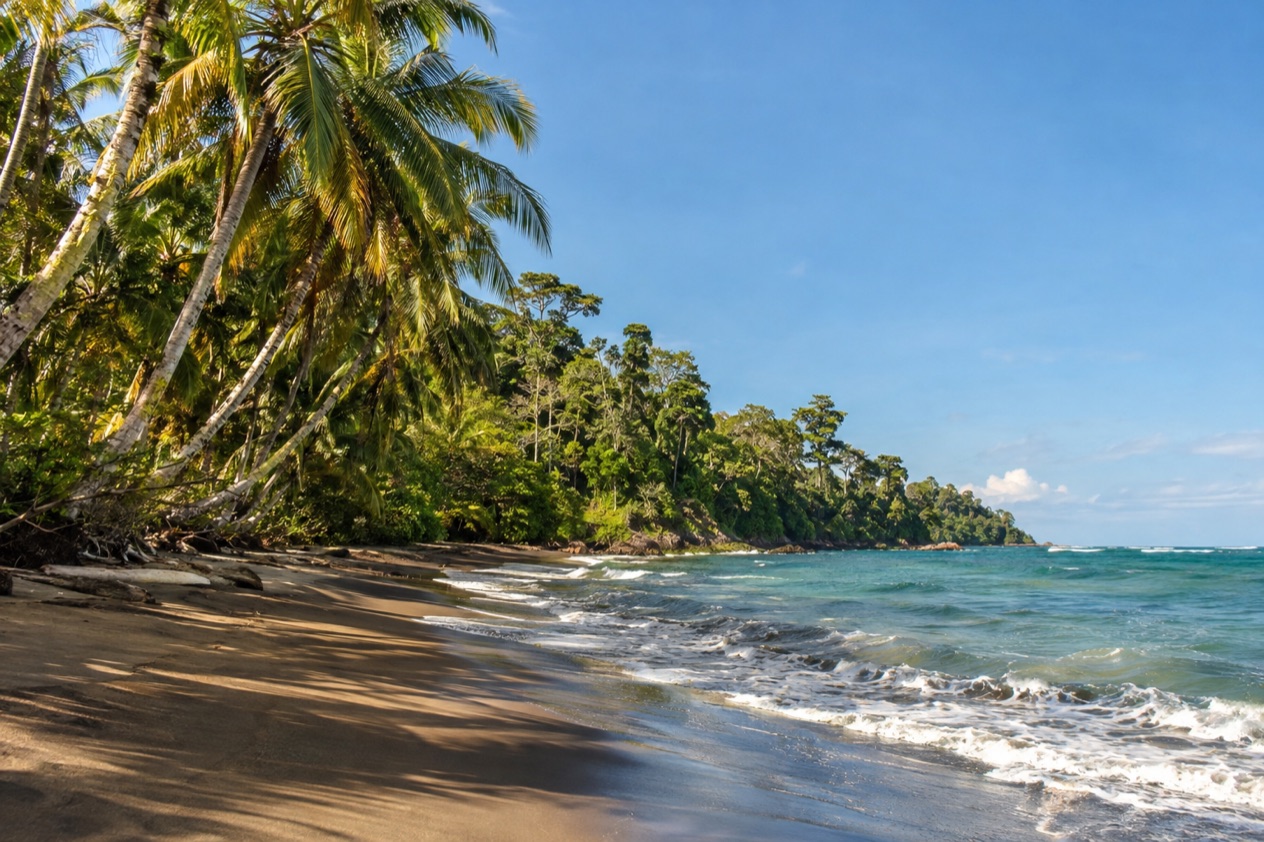
The coast road runs south from town past a string of beaches, each with a slightly different mood. Playa Cocles is the lively one, with surf, beach bars and a steady flow of bicycles. Farther along, the sand gets quieter and the forest comes right down to the shore, until you reach Punta Uva, where palms lean over the water and the beach feels like a place you found on your own.
A bike ride is the classic way to see them, and you can stop wherever the water looks inviting. Go in the morning, when the light is clear and the sand is not yet crowded, and keep your return flexible in case a shower rolls in. It suits most travelers, though the road is shared with cars and motorbikes, so ride carefully.
Eating the Caribbean way
Caribbean cooking here is different from the rest of Costa Rica. Seek out beans and rice simmered in coconut milk, plus rondon, a slow stew made with fish or meat, root vegetables and coconut, along with patacones, fresh fish in spicy sauce and sweet pan bon, a spiced bread. Small family kitchens and open-air restaurants are the places to try them.
Pair a plate with a cold drink of fresh fruit juice or a local beer, and end the evening with a coconut sweet from a roadside stand. Evenings are the right moment, when the heat eases and the music starts up along the main street.
Jungle walks and wildlife
The forest behind the beaches is full of birds, monkeys and, with luck, sloths. You may see some of them on a guided walk, which is how most visitors find animals, since they blend in so well. Early morning is best, before the heat and the afternoon showers.
Wear long, light clothes and sturdy shoes, since trails can be muddy after rain. Walks suit anyone who is comfortable on uneven ground, and they make a good counterweight to a beach day.
In town, browse the craft stalls, listen for reggae drifting from the bars and spend an hour in a hammock when the afternoon sky turns gray. Surf lessons are also easy to find for beginners when the waves are modest.
A two-day itinerary for Puerto Viejo de Talamanca in March
Day 1 starts early, because mornings are the clearest part of the day. Rent a bike after breakfast and ride toward Playa Cocles, swimming or watching the surfers while the sun is still gentle. Continue to the quieter beaches farther south by late morning and have a long lunch at a family kitchen, with rice and beans in coconut milk and fresh fish.
In the afternoon, clouds often gather, so keep the schedule loose. If a shower arrives, sit it out on a restaurant porch with a cold juice, then ride back as the light softens. Wrap up your evening with a meal along the main street, where the bars send music pouring out and the air remains warm.
Day 2 begins on a forest trail, ideally on a guided walk in the cool of the morning, when birds and monkeys are more active. Return to town for a late breakfast and spend the middle of the day in the shade, browsing craft stalls, reading in a hammock or taking a beginner surf lesson if the waves are small.
If the weather turns, slow down: a long lunch of rondon, a stroll through the shops and an afternoon in a cafe will fill the hours. When the sky clears, walk to the shore for the evening, then settle into a seaside table for a last dinner of grilled fish.
Is Puerto Viejo de Talamanca busy in March?
It is lively but not overwhelming, with a steady flow of travelers enjoying one of the more pleasant stretches on this coast.
Many visitors come from North America and Europe to escape winter, and the drier tendency of the southern Caribbean in these weeks makes the beaches and forest trails popular. Holy Week, when it falls in March or April, brings Costa Rican families to the coast and fills rooms quickly, so book early if your trip overlaps with it. Outside that week, rooms and restaurant tables are usually easier to find, and a few days of notice often does the job.
The town is small, so a busy evening means a wait for a table rather than a crush. Rental cars and popular guided walks fill up faster than a bicycle, so arrange the things you care most about first, and leave the rest open. Early mornings on the beaches stay calm in nearly any week.
What to pack for Puerto Viejo de Talamanca in March
Pack for heat, humidity and the chance of a sudden shower, and keep everything light.
- Quick-drying clothes, since nothing dries fast in the humidity.
- A light rain jacket, for the showers that come and go.
- Sandals and closed shoes, for beaches and muddy forest trails.
- Sunscreen and a hat, because the light is strong even through haze.
- Insect repellent, for evenings and forest walks.
- A mask and snorkel, if you want to look at the reef on a calm day.
Good to know before you go
The U.S. State Department rates Costa Rica Level 2, ‘Exercise increased caution,’ due to crime; it says petty crime is common throughout Costa Rica and that violent crime also affects tourists, including armed robbery, homicide and sexual assault.
March falls outside the Atlantic hurricane season dates, but rain can still arrive on any day, so build some slack into outdoor plans. Getting around town is easy by bicycle, while longer trips along the coast take more time than the map suggests. Book your rooms and any guided walks first, and keep the rest flexible.
Puerto Viejo de Talamanca in March vs February and April
Going a month earlier brings slightly cooler air, a touch less rain and a sea that is a little cooler though still warm. February tends to feel a shade fresher in the mornings, and it follows the same drier tendency of this coast, so it suits travelers who want the most settled-feeling days.
A month later, April is hotter, with more rain days and the warmest sea of the three. Showers become more frequent, though they still often come in bursts, and Holy Week can pull crowds to the coast depending on when it falls.
If you want the best balance of warm water, manageable rain and fewer holiday crowds, March sits comfortably in the middle. Choose February for a cooler feel, and April if you want the warmest swimming and do not mind more showers.
Is March a good time to visit Puerto Viejo de Talamanca?
Yes, March suits beach lovers, cyclists, surfers and anyone who wants warm water and a relaxed Caribbean pace, with the understanding that rain still visits often.
It is less ideal for travelers who need guaranteed dry days or who dislike humidity, since showers and sticky air come with the coast. If that sounds fine, you will find a month of easy mornings, warm swims and good food.
On arrival, rent a bicycle, ride out to the first beach and let the town set the tempo. March here is coconut rice at a family table, reggae drifting down the street at dusk and a sea that welcomes you back every morning.
Sources
- Open-Meteo / ECMWF ERA5, normals 1991-2020 computed for the grid cell at 9.6558N 82.7541W, checked October 8, 2026
- Open-Meteo Marine API, average 2015-2024, checked October 8, 2026
- sunrise-sunset.org, sunrise and sunset calculated for the 15th of the month, checked October 8, 2026
- U.S. Department of State, Costa Rica Travel Information, Safety and security (https://travel.state.gov/content/travel/en/international-travel/International-Travel-Country-Information-Pages/CostaRica.html), checked October 8, 2026
- U.S. Department of State, Costa Rica Travel Advisory, issued April 1, 2026 (https://travel.state.gov/content/travel/en/traveladvisories/traveladvisories/costa-rica-travel-advisory.html), read via the State Department open data API on October 8, 2026
To plan your stay
- Things to Do in Puerto Viejo de Talamanca: Beaches, Cahuita Day Trips, Caribbean Food and Reggae Nights
- Where to Stay in Puerto Viejo de Talamanca: Town Center, Playa Cocles, Punta Uva and Cahuita
- Best Time to Visit Puerto Viejo de Talamanca: Weather, Sea and Seasons
- Puerto Viejo de Talamanca in February: Weather, Caribbean Beaches and What to Do