
You step out of the airport into warm, salty air, and within minutes there is Spanish on the radio, plantains frying somewhere nearby and palm trees leaning over the road toward the Atlantic. San Juan is easy to love and easy to underestimate, because the old city, the beach strips and the food districts each move to their own rhythm. A few things are worth knowing before you land: how the forts are ticketed, how the city is laid out, and how you will move between its parts.
What should you know before visiting San Juan?
Four things matter most: the city is really several neighborhoods with different moods, the two Spanish forts take a cashless pass, getting around Old San Juan is a walking affair, and hurricane season runs from June through November. Once you have those down, everything else falls into place, since San Juan belongs to the United States, which means no passport and no visa for U.S. citizens, and the dollar is the money you will use.
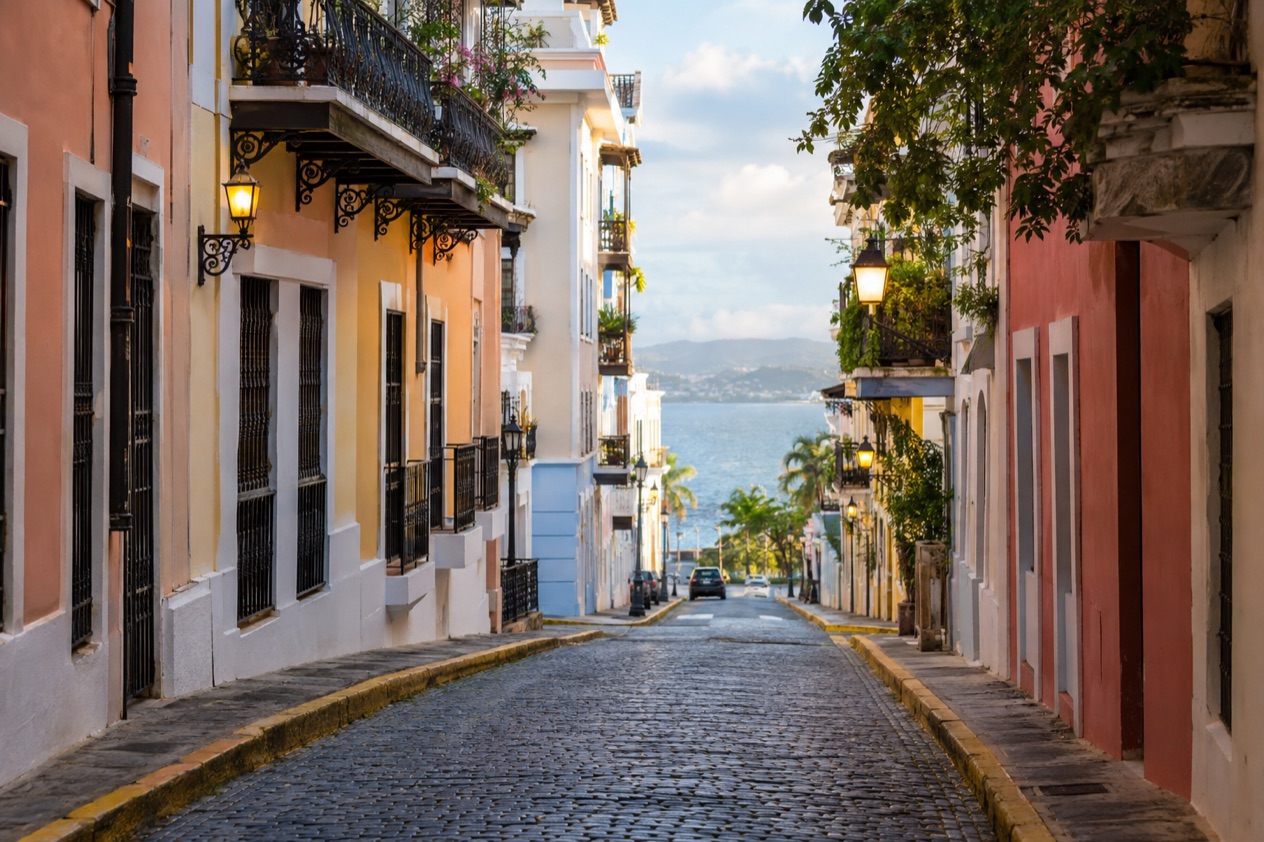
First-time visitors are often surprised by how compact and how varied it all is. Old San Juan sits on a small islet reached by causeways, with blue-gray cobblestone streets, pastel townhouses and plazas, and it feels like a different country from Condado, a few miles away, where high-rise hotels line the beach and the main avenue buzzes with restaurants.
Isla Verde, next to the airport, is the other resort strip. Santurce, around Calle Loiza, is where locals go for murals, galleries and a serious night of eating.
The second surprise is the beaches. With the Atlantic right in front of them and reliable waves rolling in, the water and sand can look different each day and from one beach to another.
Balneario de Escambron is a public beach park right beyond the old city, and it is famous for gentler water sheltered by a reef, yet no matter where you swim, watch for flags, signs or a lifeguard and do what they say. The third is the food: you do not need a fancy table, because chinchorros, kiosks and cafes serve some of the best mofongo and fritters on the island.
Entry, fees and paperwork
For U.S. citizens, arriving in San Juan is a domestic trip: no passport, no visa. The forts and walls of Old San Juan form the San Juan National Historic Site, which is part of a UNESCO World Heritage Site inscribed in 1983. Everyone over 16 needs an entrance pass, including vehicle passengers, and children under 16 do not. The park does not accept cash, so plan to pay by card.
The standard pass is good for a full day and covers both El Morro and San Cristobal, so you can see the two forts at an unhurried pace, one in the morning and the other after lunch. Free entrance days fall on a handful of dates: February 16, May 25, June 14, July 3 to 5, August 25, September 17, October 27 and November 11. Those are popular, so expect company on the ramparts.
If you plan to visit national parks elsewhere, one of the annual passes may pay for itself. Current U.S. military members and their dependents receive a free annual pass, people with a permanent disability can get a free Access Pass, and U.S. 4th graders can get a free pass valid for one year.
| Pass | Amount | Who pays |
|---|---|---|
| America the Beautiful Annual Pass | $80 | U.S. citizens and residents |
| Non-Resident Annual Pass | $250 | Non-U.S. residents |
| Senior Pass (annual) | $20 | U.S. citizens and residents aged 62 and over |
| Senior Pass (lifetime) | $80 | U.S. citizens and residents aged 62 and over |
| San Juan National Historic Site annual pass | $35 (up to four adults for one year; children 15 or under free) | Any visitor |
| Access Pass | Free | U.S. citizens and residents with a permanent disability |
| Military annual pass | Free | Current U.S. military members and dependents |
Money, cards and tipping
Prices are in U.S. dollars, so there is nothing to exchange. Hotels, restaurants in Condado and Isla Verde, and shops take cards routinely, and the forts require them. Small kiosks and roadside spots, like the fritter stands at Pinones, are the places where a few bills in your pocket come in handy.
ATMs are easy to find in the tourist districts and around the airport. It makes sense to pull out a modest amount for snacks, a drink in a plaza or a small tip, rather than carry a lot, and to use machines inside banks or hotels when you can.
Tipping follows American habits. In sit-down restaurants most people leave a tip for the server, and it is common to tip bartenders, hotel staff who carry your bags, and drivers who help you with luggage. Check the bill first, since some places add a service charge for larger groups. At a chinchorro or a kiosk, rounding up or leaving a little change is the usual gesture.
Budget a little for the things you will want to do on the spot: a piragua (shaved ice with fruit syrup) from a cart on a hot afternoon, a coconut pudding called tembleque after dinner, or a coffee in a plaza cafe. They are small pleasures, and they are often paid in cash.
Getting around and staying connected
You can explore Old San Juan on foot. The streets are narrow, steep in spots and paved with blue cobblestones, and the sights sit close together: the plazas, San Jose Church (reopened to visitors and services in 2021), the Puerta de San Juan, the last surviving city gate, and the Paseo de La Princesa, a promenade along the southern wall with views over the bay.
A free trolley once ran here but no longer does, so people go on foot or by car. Comfortable shoes matter more than anything else you pack.
Between neighborhoods the distances are short. Condado lies a few miles from the old city, and Isla Verde, home to the main airport, sits a few miles farther east, so most hops across town take a modest stretch of time, longer in rush hour. The Metropolitan Bus Authority serves Condado with two routes, T21 and D53, which suit travelers happy to go at a local pace.
Ashford Avenue, Condado’s main street, is walkable end to end and lined with restaurants, so many visitors staying there leave the car behind for a day or two. Santurce and its Calle Loiza food scene are easiest to reach by a short ride from either beach strip. Parking in the old city is limited by its narrow layout, which is another reason to arrive on foot if you can.
When you can set aside a day, the colorful neighborhood of La Perla, right beyond the city wall, pulls in plenty of visitors, while Pinones, located east of the airport, offers a row of beachside kiosks serving alcapurrias and bacalaitos.
Health, water and the sun
The sun is the first thing to plan for. San Juan is hot and humid most of the year, and the stone ramparts of the forts offer little shade, so a hat, sunscreen and a refillable bottle make a long visit far more comfortable. Go early in the day if you want the walls to yourself and a softer light for photographs.
Humidity makes the afternoons heavy, and the trade winds help along the coast but less in the narrow streets. Plan a break in the middle of the day: lunch in a cafe, a swim, or a rest in the hotel before heading out again in the evening, when the old city cools and the plazas fill with people.
At the beach, the Atlantic surf can change quickly. On a sunny day too, the water can be calm at one beach and rough at another, so follow every flag, sign or lifeguard.
Mosquitoes are part of a tropical city, especially around dusk and near water, so a repellent is a sensible thing to keep in your bag. For anything about tap water or health advice specific to your situation, ask your hotel or a doctor before you travel.
Local customs and etiquette
Greetings matter. People say buenos dias or buenas tardes when they enter a shop, a small restaurant or an elevator, and a friendly hello is returned warmly. Spanish and English are both official languages, and you will get by in English in the tourist areas, but a few words of Spanish are noticed and appreciated.
Dress is relaxed and tropical: shorts, sundresses and sandals are normal on the street. When you step into a church such as San Jose, though, covering bare shoulders and swimwear is the respectful habit. Beachwear belongs at the beach, and many restaurants in the evening lean smart casual.
Meals tend to be unhurried. Lunch is the main event for many families, dinner starts later than on much of the mainland, and Sunday is a day for long tables and music. Bargaining is not the custom in most shops, though at a craft stall a friendly conversation about the price is not unusual. Live music, from salsa to plena, spills out of bars and plazas, and joining in with a smile is welcome.
Food is a point of pride, and asking a server what they recommend is a good way in. Try mofongo, mashed fried plantain, often with garlic and a filling, as well as pasteles, lechon asado and tostones, and finish with tembleque. Chinchorros, the casual roadside restaurants, are where many locals eat on a weekend.
Good to know before you go
The Atlantic hurricane season runs from June 1 to November 30, with the peak on September 10 and most activity from mid-August to mid-October. When your trip falls within that window, watch the National Hurricane Center along with notices from local officials, and be prepared to change your plans.
Since Puerto Rico stays on Atlantic Standard Time all year, its clocks run an hour later than the East Coast during winter and line up with it in summer. Carry water wherever you walk.
Sources
- National Park Service, San Juan National Historic Site, Fees & Passes (https://www.nps.gov/saju/planyourvisit/fees.htm), checked October 8, 2026
- National Park Service, San Juan National Historic Site, Hours & Operating Seasons (https://www.nps.gov/saju/planyourvisit/hours.htm), checked October 8, 2026
- Wikipedia, Old San Juan (https://en.wikipedia.org/wiki/Old_San_Juan), checked October 8, 2026
- Wikipedia, Condado (https://en.wikipedia.org/wiki/Condado,_Puerto_Rico), checked October 8, 2026
- Wikipedia, Isla Verde (https://en.wikipedia.org/wiki/Isla_Verde,_Puerto_Rico), checked October 8, 2026
- NOAA National Hurricane Center, Climatology (https://www.nhc.noaa.gov/climo/), checked October 8, 2026
To plan your stay
- Best Time to Visit San Juan: Weather, Beaches, Festivals and Hurricane Season
- Things to Do in San Juan: Old San Juan Forts, City Beaches, Street Food and Nights Out
- Where to Stay in San Juan: Old San Juan, Condado, Isla Verde and Santurce
- San Juan Airport to City: Taxis, Buses and Getting to Condado and Old San Juan