
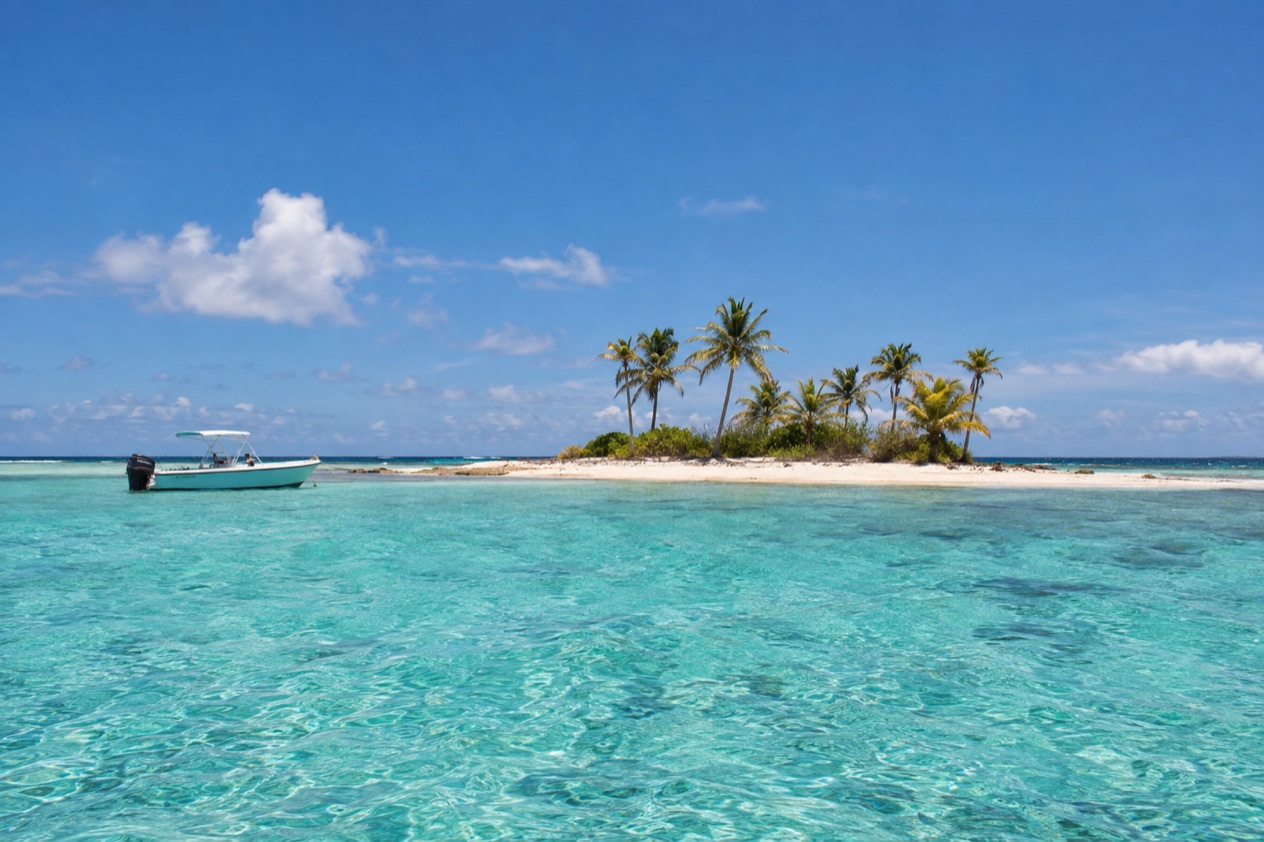
The water taxi slows, the engine drops to a murmur, and a low green island with a pale curve of sand slides into view across clear, shallow water. Boats rock at anchor off the beach, and a few people are already wading in with masks pushed up on their foreheads. Cayo Icacos is a small, uninhabited cay off Fajardo, and a visit here means a day of sand, salt water and not much else.
Is visiting Cayo Icacos worth it?
Yes, if your idea of a good day is a white-sand beach, a mask and snorkel, and a short boat ride that feels like leaving the island without really leaving. It suits couples, friends and families with older children who like to be in the water, and anyone who wants a classic Puerto Rico day trip from the northeast coast. It is less suited to travelers who want restaurants, shops or a lot to do on land.
What sets Icacos apart from the beaches on the main island is the trip itself. The cay sits offshore in a chain of coral islets and reefs, so the day starts on the water and ends there.
It is the largest uninhabited cay in that chain, which gives it room for a proper beach rather than a sandbar, and it belongs to La Cordillera Reef Nature Reserve. That protected status shapes the feel of the place: there are no hotels, no houses, only shoreline, palms and the reef just offshore.
Compared with the neighboring cays, Icacos is the one most people picture when they hear about a Fajardo day trip. Palomino, Palominito and Diablo are part of the same scattered group, but Icacos is the popular snorkeling and beach destination, and that popularity means company on the sand. Icacos is a popular snorkeling and beach destination, so expect company on the sand.
What to see at Cayo Icacos
The beach and the shallows
The main draw is the strip of pale sand along the cay’s shore, backed by low coastal greenery. The water beside it is shallow and clear, with the kind of turquoise that shifts to deeper blue where the bottom drops away. Most visitors settle here, spread out towels and spend the day moving between the sand and the sea.
Conditions change from day to day on any open-water beach, so look at how the water behaves before you wade in and follow any flag or sign you see. Early in the visit, take a slow walk along the shoreline. The view back toward the Puerto Rican coast, with the green hills of the northeast rising behind the water, is a good reminder of how close you still are.
Snorkeling over the reef
Snorkeling is the other reason people come. The cay is part of a chain of reefs and coral islets, and the shallow water around it is where you may see small reef fish, sea fans and patches of coral. Visibility varies with the swell and the day, so treat any fish sighting as a chance, never a promise.
Float quietly and look down rather than ahead, since much of the life on a reef is small and tucked into the rock. Because this is a nature reserve, the kindest approach is to keep your hands and fins off the coral and let the fish come to you. Bring your own mask if you have one that fits well, because a leaking mask spoils the best hour of the day.
The old limestone quarry on the south side
Icacos has a bit of working history. For some time a limestone quarry operated on the southern part of the island, with a short railroad system that carried stone from the quarry to the pier. It is hard to imagine now, standing on a quiet beach, that this little cay once had rails and loading work.
The contrast is part of the charm: a former industrial site that has returned to coconut palms, sand and birdsong, now protected as part of the reef reserve.
Hours, tickets and rules
Cayo Icacos is a natural island within La Cordillera Reef Nature Reserve and is reached by water from Fajardo. It is a natural island within a nature reserve, and you reach it by water, so your day is set by the boat that takes you there rather than by a door that opens and closes. The reserve falls under the Department of Natural Resources and Environment.
| Site | Open |
|---|---|
| Cayo Icacos (La Cordillera Reef Nature Reserve) | Reached by boat from Fajardo, a fifteen-minute water taxi ride |
Because the cay is part of a protected reserve, you are visiting a managed natural area. The cay is part of La Cordillera Reef Nature Reserve, under the jurisdiction of the Department of Natural Resources and Environment.
How to get to Cayo Icacos
You reach Cayo Icacos by water from Fajardo, a marina town on the northeast corner of the island. The usual route is a water taxi, and the crossing takes about fifteen minutes. Fajardo is a hub for recreational boating and a base for catamaran and sailing day trips to the cays offshore.
If you are starting from San Juan, plan on getting to Fajardo first by road along the northeast coast. The route runs past Luquillo, whose beach and row of food kiosks make an easy stop, and close to the turnoff for El Yunque. Once in Fajardo, follow your boat operator’s instructions to the departure point.
One thing to keep straight: the public ferries to Culebra and Vieques leave from Ceiba, a short drive south of Fajardo, and not from Fajardo itself. Icacos is a different outing, a day trip by boat from Fajardo. If you are staying in Ceiba, which is about an hour from San Juan by car, you can still head north to Fajardo to join the boat to the cay.
Fajardo’s old airport, which once handled commercial flights, closed permanently, so there is no flying in directly. Fajardo’s old airport is permanently closed, and Cayo Icacos is reached by boat from Fajardo.
When to visit Cayo Icacos
The best time of day is the morning. Snorkeling conditions and boat traffic vary from day to day. By midday it is hot and bright, and shade on a small cay is limited, so a hat and a long break from the sun are worth planning for.
As for the season, Puerto Rico is warm and humid all year, with a drier stretch from about December to April and a wetter one from about May to November. Winter days tend to be pleasant for a beach outing, though north coast swells can be bigger then. Spring and early summer often bring a good balance of warm water and long days.
The Atlantic hurricane season runs from June 1 to November 30, with the peak in September and most activity between mid-August and mid-October. A boat day is the kind of plan that depends on the sea, so in those months follow the National Hurricane Center and local official alerts, and expect that a trip can be changed at short notice. Outside those dates, you are outside the official hurricane season, though weather at sea can still shift from one day to the next.
Weekends and holidays tend to bring more boats to the beach, so a weekday gives you more room. Sargassum seaweed can reach east and south coasts in some springs and summers, which is a chance rather than a certainty and can change how the shoreline looks on a given day.
Tips for your visit
Pack light and pack for the sun: a mask and snorkel, a towel, plenty of drinking water, a hat, a cover-up and sunscreen. There is no village on the cay, so whatever you need for the day goes in your bag. A dry bag for your phone and keys is a small thing that saves a lot of worry on a boat.
Plan on most of a day. The crossing itself is short, but the pleasure of Icacos is in staying long enough to swim, snorkel, walk the sand and rest in between. Bring something to eat and drink, and keep your trash with you when you leave, since this is a protected reserve.
Fajardo offers plenty to pair with the cay. Laguna Grande, inside the Las Cabezas de San Juan Nature Reserve, is one of Puerto Rico’s three bioluminescent bays and is usually visited at night by kayak with a guide. The glow is strongest on dark, moonless nights, so it is a chance, not a promise. The reserve is also home to mangroves and a historic lighthouse, one of the oldest in Puerto Rico.
Seven Seas Beach, also in Fajardo, is used for swimming, snorkeling, sailing and scuba diving, and makes a good second beach day on a different afternoon. Families with young children should think about the open water and the boat ride when choosing this outing, and look at the sea conditions on the day. Anyone with limited mobility should expect to step on and off a boat and walk on sand.
Good to know before you go
Puerto Rico uses the U.S. dollar, and U.S. citizens need no passport and no visa to visit. Spanish and English are both official, and a few words of Spanish, like a simple buenos días to the boat crew, are always welcome. Keep an eye on your belongings on the sand as you would at any busy beach, and watch the weather and sea conditions before you set out.
Sources
- Wikipedia, Cayo Icacos (https://en.wikipedia.org/wiki/Cayo_Icacos), checked October 8, 2026
- Wikipedia, Fajardo (https://en.wikipedia.org/wiki/Fajardo,_Puerto_Rico), checked October 8, 2026
- Wikipedia, Ceiba (https://en.wikipedia.org/wiki/Ceiba,_Puerto_Rico), checked October 8, 2026
- NOAA National Hurricane Center, Climatology (https://www.nhc.noaa.gov/climo/), checked October 8, 2026
To plan your stay
- Best Time to Visit Puerto Rico: Dry Season, Hurricane Season, Beaches and Festivals
- Where to Stay in Puerto Rico: San Juan, Rincon, Vieques and the Best Areas for Your Trip
- Getting Around Puerto Rico: Rental Cars, Tolls, Carros Publicos and Ferries to Culebra and Vieques
- Know Before You Go to Puerto Rico: ID, Money, Getting Around and Local Customs