
On the north coast, the Atlantic hits the rocks below the Punta Los Morrillos lighthouse and throws spray over the cliffs, while a few miles inland the hills turn green and steep and the road climbs toward a cave mouth that opens high above a river valley. Arecibo is a big, working Puerto Rican town more than a resort, and its pleasures are the ones locals use on weekends: a cave, a lighthouse, a rough coastline, a plate of fried snacks. It suits travelers who like landscapes with a story, and who are happy to build a day around one or two places instead of a long list.
What are the best things to do in Arecibo?
The best things to do in Arecibo are the ones that make the most of its limestone country and its Atlantic edge: a guided walk into a cliffside cave, a visit to the famous observatory site, and an afternoon by the sea at the lighthouse park. Arecibo is the largest municipality in Puerto Rico by area, so the highlights are spread out, and it pays to treat them as separate outings rather than one tidy stroll.
- Cueva Ventana, a large cave set in a limestone cliff, for the view over the river valley and a guided walk inside.
- The Arecibo Observatory, where the great radio telescope once stood and where the visitor center tells the story.
- The Punta Los Morrillos Lighthouse and its small historical park, a classic spot for sea air and a long look at the coast.
- Cueva del Indio, an archeological site where Taino drawings can be found.
- The north coast beaches, Los Morillos, Los Negritos and Las Tunas, for watching the surf and enjoying the shore with care.
- In May, the Fiestas Patronales de San Felipe Apostol bring parades, rides, artisans and regional food.
- A table of fritters, seafood and roast pork, the cooking that the whole north coast does so well.
- A day trip to the cave country and mountain towns nearby, which many visitors fold into the same trip.
If you only have one day, give the morning to Cueva Ventana or the observatory, and keep the late afternoon for the lighthouse, where the light over the water is at its softest. With a second day, add the coast, the food and one of the nearby towns.
The mix is what makes the area satisfying. You get a bit of science history, a bit of Taino heritage, a bit of Spanish colonial coastal defense and a lot of ordinary Puerto Rican life, all within the same municipality. Cueva Ventana is a guided activity, so plan that stop before building the rest of your day.
One practical note shapes everything. Arecibo has a small noncommercial airport but no commercial flights, so you reach it by road, usually from San Juan or from other parts of the island. Plan your days around the road, and you will have more time to enjoy the places themselves.
Sights and landmarks in Arecibo
Arecibo’s landmarks fall into three families: the science site in the hills, the maritime lighthouse on the coast, and the older layers of Taino and Spanish history. Each has a different mood, and together they explain why this town matters beyond its size.
The Arecibo Observatory
For decades the observatory housed the world’s largest radio telescope, a vast dish set into a sinkhole in the karst hills of Barrio Esperanza, and it became one of the best known scientific sites on earth. On December 1, 2020, the main telescope collapsed, and the National Science Foundation, the site’s owner, said it would not be rebuilt. Set at 1,634 feet in the hills, the spot enjoys air that feels somewhat crisper than the coast, and now and then mist moves among the trees.
What remains is still worth the trip. Even after the collapse, the Angel Ramos Foundation Visitor Center, open since 1997, has kept its doors open, and inside, its exhibits share the tale of the dish, the science it enabled and the people who worked there.
The observatory also includes a LIDAR facility and a smaller radio telescope, and an educational facility is in development at the site. The grounds were added to the National Register of Historic Places on September 23, 2008, which says something about how much this place means.
Go with curiosity rather than expectations of a giant dish. The surrounding landscape is lovely, the story is moving, and it is a good stop for anyone who grew up with the observatory in films and photographs. It pairs naturally with a visit to the cave country, since both lie inland.
Punta Los Morrillos Lighthouse and Historical Park
The lighthouse, built in 1898, is still in use, and it stands on a bluff above the Atlantic with the small Arecibo Lighthouse and Historical Park around it. It is a Spanish-era structure, and from the grounds you see the white surf working against the rocky coast and, on clear days, a long sweep of shoreline. People come here for the view, for the sea breeze and for the sense of standing on the edge of the island.
The lighthouse and its historical park can be paired with a look at the nearby coast. Late afternoon is the favorite hour, when the light turns gold and the heat eases. Bring a hat and water, because the bluff is open to the sun, and keep back from the edges of the rocks, where spray and wet stone can make footing tricky.
Cueva del Indio and Taino heritage
At Cueva del Indio, an archeological site, you can see Taino drawings, and this is a spot where the island’s pre-Columbian past feels near. The Taino were the people living in Puerto Rico when Europeans arrived, and their carved and painted images, called petroglyphs and pictographs, show up in caves and along rivers across the island. Here they sit within a dramatic coastal landscape of limestone and sea.
Treat it as a quiet, observant visit. The pleasure lies in the setting and in imagining the people who left their marks there, and it is a good counterpart to the lighthouse, which belongs to a later chapter of the same coast. Weather and sea conditions can change how the shoreline feels, so go with a flexible plan.
Plazas, churches and town streets
The town center of Arecibo is where daily life happens, with a plaza, a cathedral-style church dedicated to San Felipe and the shops, bakeries and lunch counters around them. It is not a polished tourist district, and that is part of the charm.
A short walk here is a good way to break up a drive. Stop for a coffee and a pastry, look at the old balconies and listen to the mix of Spanish and the occasional English from visitors and returning residents. Every Puerto Rican town has this heart, and Arecibo’s is a friendly one.
Beaches and outdoor things to do in Arecibo
Arecibo’s outdoors are about the Atlantic coast and the limestone hills, which means dramatic scenery more than calm, protected bays. The beaches face the open ocean, so waves, currents and weather matter, and conditions change from day to day and from beach to beach. Where a flag, a sign or a lifeguard is present, follow it.
Cueva Ventana
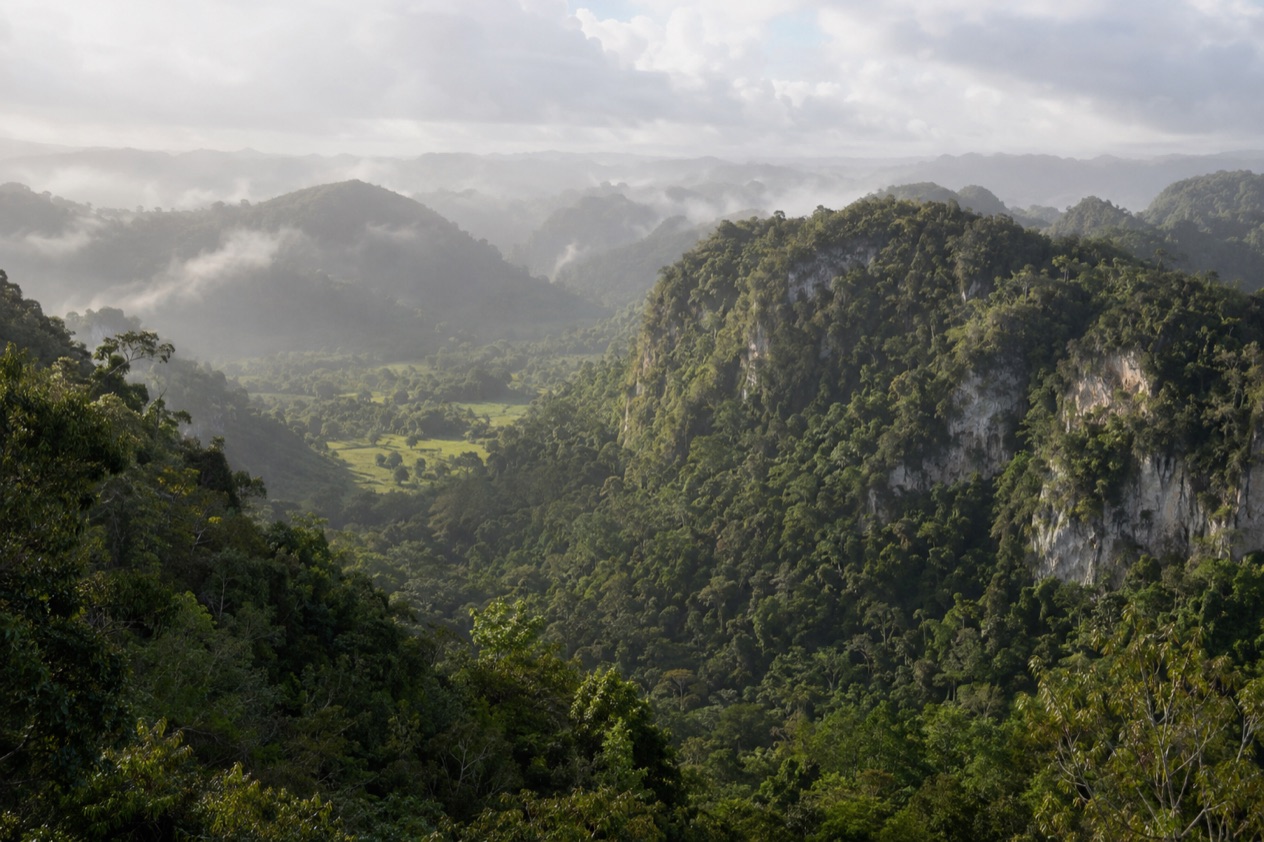
Cueva Ventana, the Window Cave, is a large cave sitting atop a limestone cliff and looking out over the valley of the Rio Grande de Arecibo. Its wide mouth works like a natural window, and the view from it, green hills and a river curving far below, is the reason most people come. Those same views have drawn movie crews as well, which filmed on location for Wizards of Waverly Place: The Movie, Treasure Island and Runner, Runner, and today that affection for the spot continues to bring in travelers from near and far.
The cave and the surrounding land are privately owned, and admission includes a guided tour and the necessary safety equipment. Your ticket covers the safety gear you need for a 45-minute guided tour, and on Wednesdays and Thursdays you can join nightly tours that give the place a very different feel, lit by lanterns.
The trail begins next to a Puma Energy gas station on PR-10 at kilometer 75, and a boardwalk runs about 200 feet up into the trail before the path becomes more natural. A small parking lot sits on a plateau behind the gas station.
If you want a quieter experience, choose a weekday or join a tour in the evening, since the biggest crowds come on Saturdays and Sundays starting early in the morning and staying until an hour before dark. Wear shoes with grip, because limestone and damp earth can be slippery, and bring water. Even though the cave is visible from PR-123, the trail is the way to experience it properly.
Los Morillos, Los Negritos and Las Tunas
The beaches of Arecibo include Los Morillos, near the lighthouse, Los Negritos and Las Tunas, and each has the look of the north coast: rocky points, strips of sand and a lot of open sea. In winter the Atlantic swells can be large, and in summer the water often eases, though no beach can be promised calm. Los Morillos pairs well with the lighthouse park, so you can split an afternoon between the view and the shore.
Think of these beaches as places to walk, picnic, watch the waves and sit in the shade, with any time in the water governed by what you see that day. Look for flags, signs and lifeguards, ask locals about the current conditions and keep a respectful distance from rough surf. Kiosks and snack stands along the coast road often supply fried snacks and cold drinks.
A beach to treat with caution: Poza del Obispo
Poza del Obispo is among the beaches of Arecibo, but it is considered dangerous. It is a dramatic place, with rocks, surge and a wild-looking shoreline, which is exactly why it draws photographers and onlookers. Admire it from a safe position and do not treat it as a place to enter the water.
Poza del Obispo is considered dangerous. Local signs and advice should always outweigh any guidebook. If you are unsure, stay on dry ground and enjoy the sound of the surf.
Hills, rivers and limestone country
Inland, Arecibo belongs to the karst country of northern Puerto Rico, a landscape of rounded green hills, sinkholes, caves and hidden valleys. The roads wind through it, and you will find roadside viewpoints, fruit stands and small farms. It is a pleasure just to drive and stop, and it helps to start early, before the heat builds and the afternoon clouds roll in.
This is also birding and photography territory, with tree frogs singing after rain and mist hanging in the valleys in the morning. Keep a light rain jacket handy and expect humidity at any season. The hills are the quiet counterpart to the busy coast.
Day trips from Arecibo
Arecibo sits in the middle of the north coast, which makes it a handy base for outings in both directions along the Atlantic and up into the mountains. Distances on the island feel longer than they look on a map because roads twist through the hills, so choose one or two destinations per day and leave room for stops.
The cave country around Camuy
West of Arecibo lies the best known cave landscape on the island, centered on the Rio Camuy and its enormous underground passages and sinkholes. It is the big natural attraction of the region, and many visitors link it with Arecibo in the same trip. Expect forest, dripping limestone and a sense of scale that makes the cave at Arecibo seem intimate by comparison.
Go in the morning, wear comfortable shoes and bring a light layer, since caves are cooler and damp. It suits families, curious travelers and anyone who likes geology. Check the current visiting arrangements before you set out, since they can change.
Hatillo, Isabela and the western north coast
Heading west along the coast brings you to Hatillo, known for dairy country and its Hatillo Mask Festival on December 28, and then on to Isabela, with its surf beaches, cliffs and seaside restaurants. The drive is the point, with long views of the Atlantic, small beach communities and plenty of places to stop for lunch.
This is a good day for people who like to roam without a fixed list. Bring sunscreen, a hat and curiosity. Beaches here face the open Atlantic, so treat any swimming decision cautiously, and look for flags or lifeguards where they exist.
Utuado, Lares and the central mountains
South of Arecibo the land rises into the central mountains, where coffee farms, small towns and cool, misty air replace the coastal heat. Utuado is known for its mountain scenery and for Taino ceremonial grounds in the region, and Lares has a historic place in Puerto Rican history and a reputation for unusual ice cream flavors sold from shops around its plaza.
A mountain day suits people who like winding roads, local cooking and lookouts. Start early, plan a long lunch and expect cooler air and sudden showers. It also makes a pleasant contrast with the coast, and it fits naturally with a visit to the observatory, which lies in the same hilly zone.
East toward Manati, Dorado and San Juan
Traveling east you pass through the towns of Barceloneta, Manati and Vega Baja, with beaches, roadside food and small towns in between, and eventually reach Dorado and the San Juan area. Many people link Arecibo with San Juan in a single trip, since the capital offers the island’s major airport and a wide range of lodging and dining.
If you choose this direction, think of it as a coastal drive with a few well-chosen stops. A beach, a roadside kiosk and a viewpoint can fill a relaxed afternoon, and the highway makes the return easy.
What to eat in Arecibo
Eating in Arecibo means the cooking of the north coast: fried snacks from kiosks, fresh seafood, roast pork and the sweets that Puerto Ricans make at every celebration. It is hearty, comforting food that suits long, warm days, and the best of it is often found in simple places with plastic chairs and a view of the road.
Fritters and kiosk snacks
Start with frituras, the fried snacks that line the coastal roads. Alcapurrias are fritters made from grated green banana and taro, stuffed with seasoned meat. Bacalaitos are crisp, lacy cod fritters, salty and addictive, and pastelillos are fried turnovers filled with cheese, pizza sauce or meat.
Eat them hot, from paper, with a cold drink. Many kiosks near beaches and viewpoints keep a fryer going all afternoon, so you can combine the lighthouse or a coastal stop with an easy snack. Sorullitos, little cornmeal sticks, come with a mayo-ketchup dip.
Seafood and mofongo
On an Atlantic coast town you want fish, and Arecibo’s restaurants deliver. Look for whole fried snapper, shrimp in garlic sauce, octopus salad and conch, often served with tostones, twice-fried green plantain slices. Mofongo, plantain mashed with garlic and pork cracklings, is a Puerto Rican classic and comes with shrimp, chicken or pork stuffed or served alongside.
Rice and beans, the daily companion of almost every plate, add comfort, and an avocado salad often lightens the meal. A cold local beer or a fresh juice of passion fruit or guava suits the warm weather. Meals can be unhurried, so plan your afternoon with that in mind.
Roast pork, pinchos and the festive table
Lechon asado, slow-roasted pork with crackling skin, is the food of celebrations and weekend gatherings, and many roadside spots in the hills serve it. Pinchos, skewers of marinated chicken or pork grilled over coals and served on bread, are the street food of choice at fairs and festivals, including the May patron saint festival, where regional food is part of the fun.
Pasteles, a plantain and root vegetable dough stuffed with pork and wrapped in banana leaves, show up around the Christmas season and at special occasions. If you see them for sale, try one with hot sauce on the side. They are filling, and a single one can be a meal.
Sweets, coffee and cold drinks
Tembleque, a trembling coconut pudding dusted with cinnamon, is one of the island’s favorite desserts, and flan is everywhere, with a rich dairy tradition nearby in Hatillo. Piraguas, shaved ice with tropical fruit syrup sold from carts, are the cheerful answer to a hot afternoon.
Puerto Rican coffee, grown in the central mountains, is strong and aromatic, and a small cup after lunch is a ritual. Around the holidays, coquito, a creamy coconut and rum drink, appears in bottles and homes. Ask what a family or a kiosk is proud of and you will often be steered well.
Things to do in Arecibo at night
Evenings in Arecibo are relaxed and local rather than flashy, built around food, music and the slow cooling of the air. People gather in plazas, at open-air restaurants and at festivals, and the pace suits travelers who like to eat well and end the day without a long program.
Cueva Ventana after dark
The most unusual evening option is the nightly tour at Cueva Ventana, offered on Wednesdays and Thursdays. Seeing the cave at night changes the experience, with darkness, lamps and the sounds of the valley below creating a very different mood from a bright morning visit.
Because the land is privately owned and entry is by guided tour, it is best treated as an organized activity rather than something to improvise. Wear sturdy shoes, bring a light layer and expect the weekend daytime crowds to be gone, replaced by a quieter, more atmospheric group.
Dinner, plazas and live music
Families linger over long meals, and on weekends you may find a live band or a karaoke night in a corner bar.
A stroll around the plaza after dinner, with a coffee or an ice cream, is the classic Puerto Rican evening. It is unhurried and sociable, and a good way to see how the town lives. Nightlife is more about conversation and music than late-night clubs, though bars and small venues exist.
The May patron saint festival
In May, Arecibo celebrates the Fiestas Patronales de San Felipe Apostol, and evenings are the best time to join in. Expect parades, games, artisans selling crafts, amusement rides, regional food and live entertainment, with lights and music filling the streets.
It is a good chance to taste fritters and pinchos, hear local bands and watch families enjoying themselves. Come hungry, bring cash for small purchases if you can and be ready for crowds. The mood is warm and welcoming.
Quiet nights by the coast
If you prefer something calmer, the coast at night offers its own pleasures. The sound of the surf, the glow of the lighthouse beam and a sky that can be rich with stars away from the town lights make for peaceful hours, especially on clear nights.
Take care near the shoreline in the dark, since rocks and surf are unpredictable, and stay on lit, familiar ground. A drink on a terrace within sight of the sea is a pleasant way to close the day.
Things to do in Arecibo with kids
Children usually enjoy Arecibo for its big, physical attractions: caves, a lighthouse, an observatory with a dramatic story and a coastline full of waves and rocks. The key is to pace the day, because heat, sun and distances can wear small travelers out faster than adults expect.
Caves, boardwalks and stories
The movie connection, with scenes from Wizards of Waverly Place: The Movie filmed inside, adds a bit of fun for fans. Think about whether your children are comfortable on uneven, sometimes slippery terrain before you commit.
Weekends are busiest, so a weekday can mean a more relaxed tour. Bring water, snacks and sun protection for the walk. Wearing shoes with good grip makes the whole outing easier for everyone.
The observatory story and the lighthouse
The observatory’s visitor center helps children understand how scientists listened to the sky, and the story of the giant telescope is dramatic enough to hold their attention. It works well for curious kids who like space, machines or big natural landscapes, and it can inspire questions that last the whole drive.
The lighthouse park is a gentler stop, with open space to move around, sea views and a sense of history. Keep children away from cliff edges and wet rocks, and bring hats and water. It is a good place for a short, relaxed visit that does not demand much planning.
Beaches, snacks and sensible limits
Arecibo’s beaches face the open Atlantic, so waves and currents can be strong. Treat the coast as a place for paddling in the sand, building castles and watching the surf unless flags, signs or lifeguards clearly indicate otherwise, and keep a close eye on children at all times. Poza del Obispo, in particular, is considered dangerous.
Snacks keep everyone happy. Piraguas, shaved ice with fruit syrup, are the favorite, and fritters from kiosks are easy to share. Plan for shade, regular water breaks, sunscreen and a late-afternoon pause, since the tropical sun is strong and the humidity tiring.
Pacing the day
By area, Arecibo is the island’s biggest municipality, and kids may find the rides from one attraction to the next quite long. Choose one main activity in the morning, a long lunch and one lighter outing in the afternoon, and let the kids rest in the car or at a table when they need it.
The observatory sits in the hills at a higher elevation, where the air can be cooler and mist is possible, so a light layer is useful. A flexible plan, a cooler of water and a sense of humor will carry you through the day.
Good to know before you go
Arecibo is easiest to reach by road, since its small airport has no commercial flights, and a car makes it simple to link the cave, the observatory, the lighthouse and the coast. For U.S. citizens, no passport and no visa are required, and because the currency is the U.S. dollar, the trip feels domestic, with Spanish and English spoken side by side. The Atlantic hurricane season runs from June 1 to November 30, so follow the National Hurricane Center and local official alerts if you travel in those months, and check beach conditions on the day you go.
Sources
- Wikipedia, Arecibo (https://en.wikipedia.org/wiki/Arecibo,_Puerto_Rico), checked October 8, 2026
- Wikipedia, Río Camuy Cave Park (https://en.wikipedia.org/wiki/Camuy_Caves), checked October 8, 2026
- Wikipedia, Cueva Ventana (https://en.wikipedia.org/wiki/Cueva_Ventana), checked October 8, 2026
- NOAA National Hurricane Center, Climatology (https://www.nhc.noaa.gov/climo/), checked October 8, 2026