
On a warm evening in Monterrey, the narrow streets of Barrio Antiguo fill with music spilling out of bars, while the Cerro de la Silla stands dark against the last light over the city. Families stroll the Macroplaza, and the smell of grilled meat and flour tortillas drifts from the restaurants. This is northern Mexico’s big industrial city, a place of mountains, steelworks heritage, serious food and a lively night scene, for travelers who like their cities urban and energetic rather than beachy.
Where is Monterrey and what is it like?
Monterrey is the capital of Nuevo León in northeastern Mexico, a big inland city set in a valley and ringed by dramatic limestone mountains. There is no coast here: the landscape is all ridgelines, plazas and high-rises, and the airport sits to the north in Apodaca.
The pace is brisk and businesslike, because this is a city of industry and corporate offices. Yet it has a generous side: long lunches, carne asada on weekends, and a proud local culture. It rewards travelers who enjoy food, museums, urban parks and nightlife. Anyone hoping for colonial postcards or a beach holiday may find it more modern and spread out than expected.
What is there to do in Monterrey?
The big reasons to come are the downtown plazas, the old steelworks turned into a park, the nightlife of the historic quarter and the mountains that frame everything. What sets Monterrey apart from other Mexican cities is its industrial identity: it is less about ruins and churches than about reinvention.
Parque Fundidora
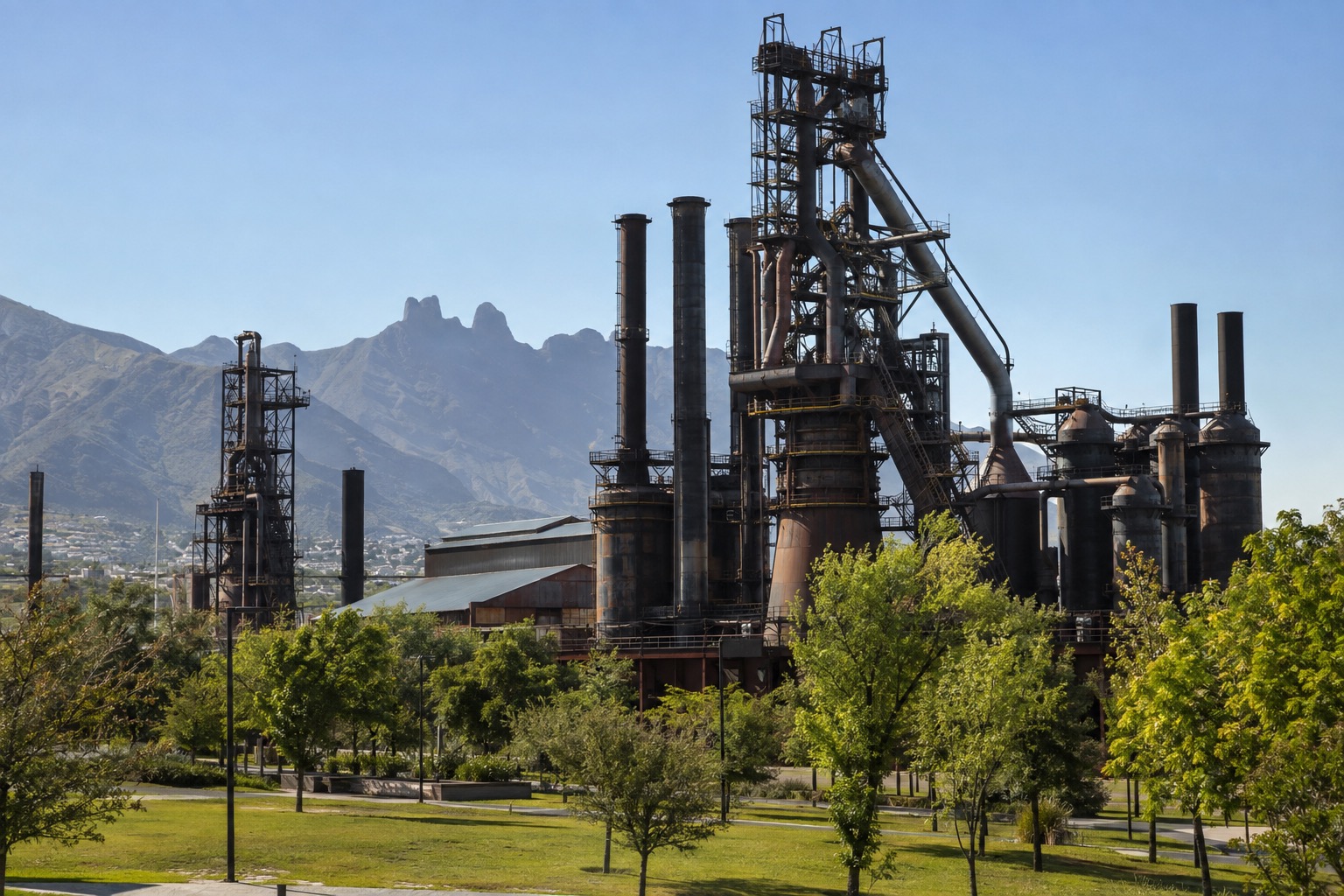
The old steel company was founded here in 1900, fired its first blast furnace in 1903 and kept working until it closed in 1986. Today the grounds are a public park where those enormous furnaces and iron structures stand among lawns, paths and open space. Walking beneath the rusted towers is the most memorable way to understand how the city made its fortune.
It suits families, runners and anyone who likes photographing industrial landscapes. Go late in the afternoon, when the light softens on the metal and the heat of the day eases. It is a place to wander without a plan, and you can easily spend several hours.
Macroplaza and downtown
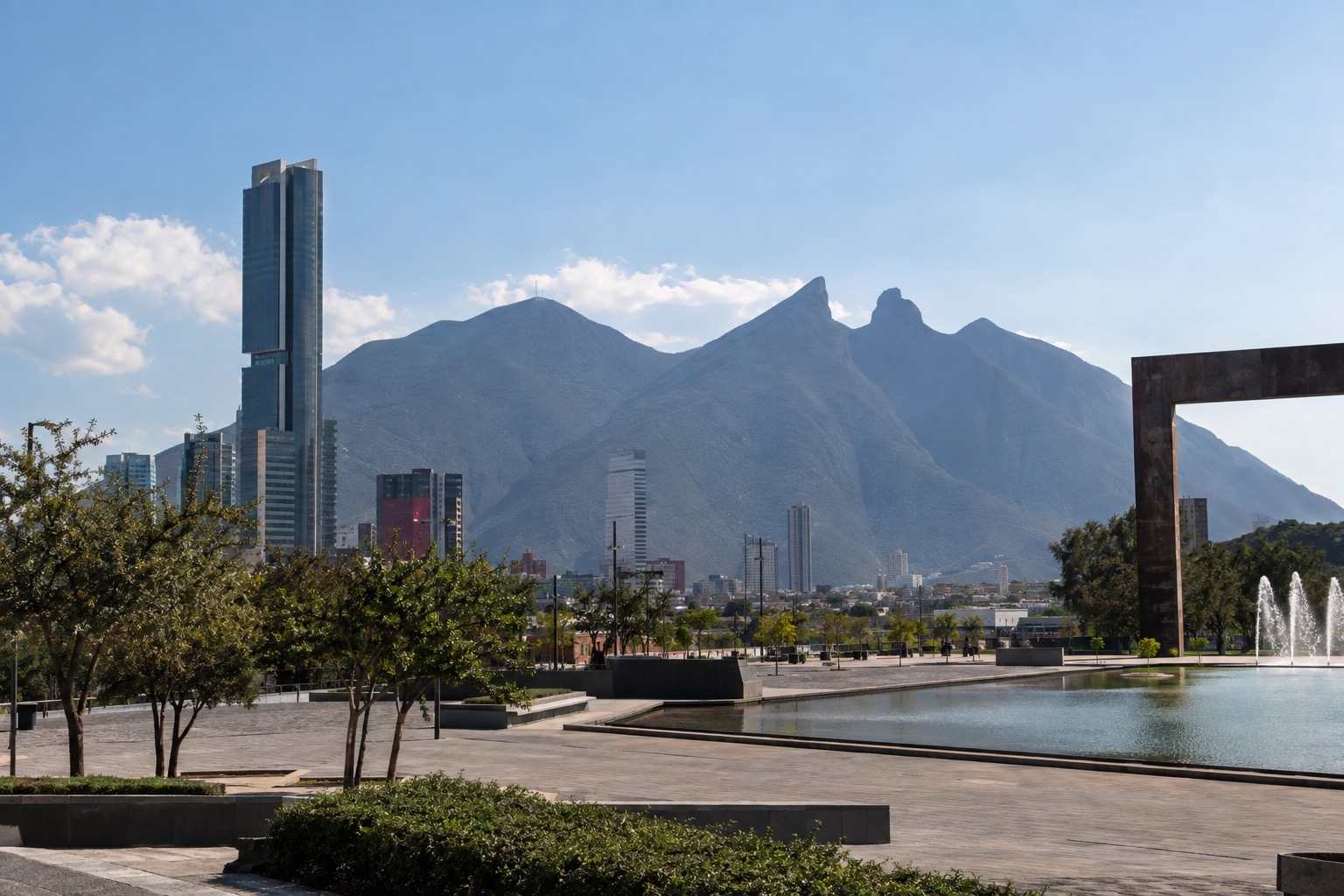
The Macroplaza covers about 40 hectares, a long sweep of fountains, monuments and open space created by a renewal project inaugurated on December 7, 1984. Around it you find the cathedral, museums and the government buildings that give Centro its daytime bustle.
Downtown is easy to reach by Metrorrey, and the plaza is best on a late afternoon when families come out and the heat has gone. It is a good first stop for new visitors, since many major sights cluster within walking distance. Weekdays are busy with office workers, while evenings turn quieter.
Barrio Antiguo after dark
Barrio Antiguo is the historic nightlife district, with restored colonial buildings now holding bars, restaurants and art galleries. Its narrow streets are generally quiet by day and come alive in the evening, with music and crowds on weekends.
It is a short walk from the Macroplaza, so you can pair a plaza stroll with dinner and drinks. Couples and younger travelers love it. Reserve a table at the popular restaurants on weekends, since they fill up fast.
How many days do you need in Monterrey?
A long weekend is enough to get a good feel for Monterrey, and a few extra days lets you slow down and explore beyond the center.
In a short stay you can cover the Macroplaza and downtown museums on one day, Parque Fundidora on another, and spend an evening in Barrio Antiguo. With more time, you can enjoy the upscale dining of San Pedro, linger over long meals, and take day trips into the surrounding mountains and nearby towns of Nuevo León.
Where to stay in Monterrey
Barrio Antiguo suits couples, nightlife lovers and young travelers who want a walkable base, with boutique hotels, hostels and rental apartments. Centro, around the Macroplaza, is practical for first-time visitors and business travelers, with chain hotels and budget options, and Metrorrey lines and bus routes converge there.
San Pedro is the upscale, hilly suburb to the west, with high-rises, malls, fine dining and mountain views. It is quiet and corporate, suited to families, executives and longer stays, though a car or ride-hailing is the practical way around. Zona Tec, near the Tecnológico campus, has a student feel, casual restaurants, bars and budget lodging, and event weeks can fill rooms nearby.
How do you get to Monterrey and get around?
Most visitors fly into General Mariano Escobedo International Airport, in Apodaca north of the city. By car it takes roughly 25 to 40 minutes to reach Centro or Barrio Antiguo, 30 to 45 minutes to Zona Tec, and 40 to 60 minutes to San Pedro, depending on traffic.
Around the center you can walk and use Metrorrey, which is a better choice than driving at weekday rush hour when downtown avenues clog. In San Pedro public transport is limited, so a car or ride-hailing service works best. Zona Tec is walkable around the campus, but reaching other parts of the city takes a car, bike or bus.
When is the best time to visit Monterrey?
The most comfortable months are roughly October to April, when walking Parque Fundidora or the Macroplaza is pleasant, while the long summer brings heavy heat to a city of plazas, parks and evenings out.
The Atlantic hurricane season runs from June through November, and even far from the coast a tropical system can bring days of heavy rain and flooding to Monterrey, so check the forecast in those months. The city is busiest on weekdays with business travel, while weekends bring locals to the restaurants and bars of Barrio Antiguo. University events can also fill rooms around Zona Tec.
Good to know before you go
The currency is the Mexican peso, and the usual city habits apply: use ride-hailing at night, keep valuables out of sight and stay in busy areas. Visitors to Nuevo León pay a lodging tax on hotel stays.
| Fee | Amount | Who pays |
|---|---|---|
| Lodging tax (Impuesto Sobre Hospedaje) | 3% of the lodging charge | Guests staying in paid accommodation |
Sources
- Parque Fundidora, "Historia", parquefundidora.org / parquefundidora.mx, corroboree par Wikipedia "Parque Fundidora", checked September 29, 2026
- Macroplaza, official, macroplaza.mx; inauguration date corroborated by El Norte, "Macroplaza: icono regio cumple 40", 6 December 2024, elnorte.com, read on 29 September 2026
- OMA (Grupo Aeroportuario Centro Norte), "Informacion Tecnica Monterrey", oma.aero, checked September 29, 2026
- El Contribuyente, table "Tasas del ISH por entidad federativa 2026", elcontribuyente.mx; rate corroborated by the daily Reforma, "Se estanca recaudacion por hospedaje en NL", August 27, 2026, reforma.com, checked September 29, 2026
- U.S. Department of State, Mexico Travel Advisory (reissued May 29, 2026), section "Risks in specific areas" / State of Nuevo Leon, travel.state.gov, read live via browser on September 29, 2026