
The first thing that stops people inside the Cup Noodles Museum in Yokohama is a long wall of instant noodle packages, row upon row of colors and logos that trace the story of a food most of us have eaten at a desk or on a dorm bed. Somewhere nearby you will hear the cheerful clatter of people decorating their own cups. This is a museum about one idea, a bowl of noodles that needs only hot water, and it is built to be touched, folded, drawn on and eaten.
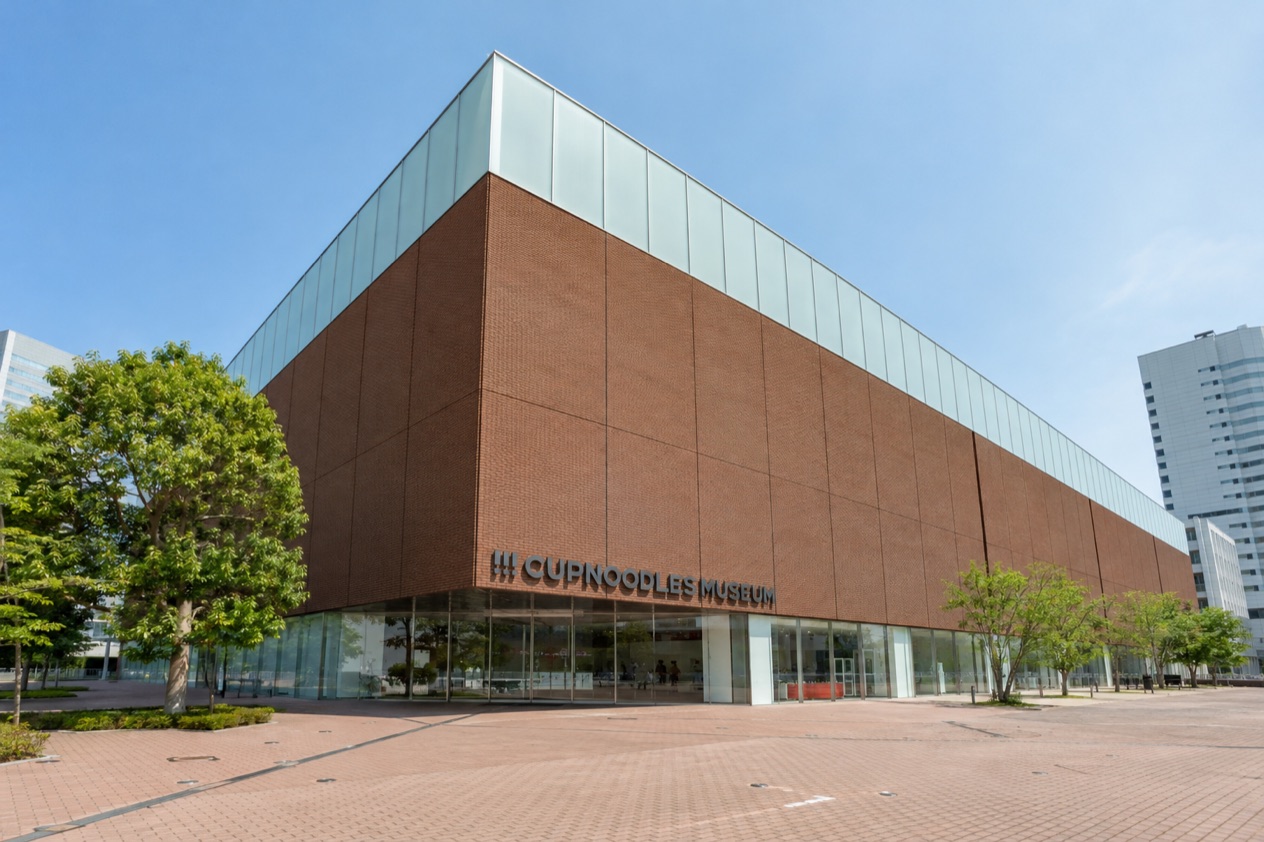
Is visiting the Cup Noodles Museum worth it?
Yes, if you like food, design or clever inventions, and if you enjoy museums where your hands are busy as much as your eyes. It suits adults who grew up on a cup of instant noodles, couples looking for something lighter than another temple, and families with children who like making things. If you want old masters, quiet galleries and long labels, this is a different kind of afternoon.
The story at its center is a simple one. A Japanese inventor wanted to feed people quickly and cheaply, tinkered in a backyard shed, and ended up creating a product that changed how the world eats. The museum tells that tale through objects, packaging, short films and a lot of play, so even a visitor with no interest in business history comes away with a few good anecdotes.
What sets the Yokohama museum apart is how clearly it stays on one subject. Japan has two Cup Noodles museums, one in Yokohama and one in Osaka Ikeda, and each belongs to its own city.
Yokohama is a port city on Tokyo Bay, and a museum devoted to a food that travels well, keeps for a long time and is eaten everywhere fits it nicely. Elsewhere in the city you will find history museums, shopping complexes and a harbor promenade, but none of them lets you put your own drawing on a package and take it home.
Combined with a stroll along the waterfront and a meal in the city, it makes a relaxed day away from central Tokyo, and it works as a rainy-day plan because the visit happens under a roof.
What to see at the Cup Noodles Museum
The story of the inventor and the first instant noodles
The museum opens with the man behind it all, Momofuku Ando, the founder of Nissin. His exhibit follows his path from a postwar Japan where people lined up for bowls of noodles to the invention of Chicken Ramen, the first instant noodle, which cooked in a bowl once hot water was poured over it. Photographs, early packaging and a recreation of his small work shed give a sense of how modest the beginnings were.
Look for the section on the later idea of putting the noodles in a cup, which is where the story turns international. The inspiration is said to have come from watching how people abroad ate noodles, broken into a cup and covered with hot water. Plan to read a little here, because this is the part that makes the rest of the museum click.
The Instant Noodles Tunnel and the wall of packages
The wall of packages is the image visitors photograph. It lines a long, curved space with the packaging of instant noodles through the decades, so you can watch graphics, flavors and mascots change from one era to the next. You will recognize some of the cups, and spot others that were never sold outside Japan.
It is as much a lesson in design as in food. Typefaces, colors and little illustrations tell you what each period thought looked appetizing. Children tend to pick favorites quickly, and adults tend to stand there wondering which one they ate in college.
My Cupnoodles Factory: designing your own cup
This is the hands-on heart of the museum. You decorate a blank cup with markers, then choose your soup flavor and a combination of toppings, and the staff seal it for you. What you carry out is a one-of-a-kind cup of noodles, personal enough that people usually think hard about the drawing.
The activity is described as playful rather than technical. Expect a mix of concentration and giggling as visitors try to draw a cat, a skyline or a portrait of a travel companion on a curved surface. It makes a souvenir that goes home in a bag, and one that is more fun to give away than a postcard.
Making noodles by hand and tasting the world’s bowls
Another workshop lets visitors knead, roll and cut chicken ramen dough, then watch it fried the way the original was. The process shows why the first instant noodles needed such a clever trick, and it gives a new respect for the product on the shelf. Flour, rolling pins and the smell of frying noodles set the mood in this part of the museum.
A noodle bazaar rounds out the visit with dishes inspired by noodles from different countries, served in a setting that feels like a market. Slurping is part of the culture here, so do not be shy. It is a good place to sit down, compare broths and decide whether the day has earned a second bowl.
When to visit the Cup Noodles Museum
Because the visit happens indoors, the weather shapes the day around the museum more than the museum itself, and the months differ mainly in what you do before and after. Yokohama sits on Tokyo Bay, south of Tokyo, so the harbor air and the sea breeze are part of every season. Pick the month by what you want to do outdoors in the city.
| Month | Average high (°F) | Average low (°F) | Rain days | Precipitation (inches) | Sunshine (hours) |
|---|---|---|---|---|---|
| January | 50.4 | 36.9 | 5.1 | 2.55 | 193 |
| April | 66.0 | 51.3 | 9.5 | 5.63 | 181 |
| July | 84.9 | 73.2 | 10.3 | 7.19 | 171 |
| October | 71.6 | 60.3 | 10.7 | 9.46 | 137 |
Winter and early spring
January brings the sunniest and driest of these four months, with cold afternoons and crisp air along the waterfront. A bowl of hot noodles tastes especially good after a walk in that chill, so pack a coat and plan to linger over a late lunch.
April is mild, and the light is soft enough for a long stroll between sights. Showers come on about one day in three, so carry a compact umbrella. The museum then becomes a comfortable pause rather than a refuge.
Summer and autumn
July is hot, damp and sticky, with highs in the mid-80s and humidity that makes cooler indoor spaces a relief. It is a month when a museum visit is especially welcome in the middle of the day, and the cold drinks and noodles in the bazaar fit the mood. Rain falls on about a third of the days, often as heavy showers.
October is the wettest of the four, with gray, overcast days outnumbering the sunny ones, though temperatures are comfortable for walking between rain spells. Autumn can also bring stormy weather to this coast, so keep your outdoor plans flexible and let the museum anchor the day. When the clouds clear, the harbor in the evening is lovely.
Weekends and school vacation periods naturally bring more families to any attraction in a big city, so a weekday visit may suit those who prefer a calmer pace.
Tips for your visit
Go hungry and go curious. The museum rewards people who join in, so plan to draw, to knead and to eat rather than only to look. Comfortable shoes help, since the exhibits invite you to wander, and a small bag keeps your hands free for the cup you will decorate. Leave room in your luggage for a souvenir cup or two.
Allow the better part of a day for Yokohama if you are coming from central Tokyo, since the trip takes a while and the city itself rewards a slow afternoon. The museum fits neatly between a morning along the waterfront and an evening meal. Because every activity is optional, you can spend a lot of time here or move through more quickly.
Getting to Yokohama
From central Tokyo you can take a JR train or one of several private railway lines to Yokohama Station, which is more central than Shin-Yokohama Station. From Haneda Airport the Keikyu train line and a shuttle bus both reach Yokohama Station. The Nozomi Shinkansen from western Japan stops at Shin-Yokohama Station.
| From | To | Time |
|---|---|---|
| Central Tokyo | Yokohama Station (JR or private lines) | About 1 hour |
| Haneda Airport | Yokohama Station (Keikyu line) | 20 minutes |
| Haneda Airport | Yokohama Station (shuttle bus) | 30 minutes |
| Nagoya | Shin-Yokohama Station (Nozomi Shinkansen) | 1 hour 25 minutes |
| Kyoto | Shin-Yokohama Station (Nozomi Shinkansen) | 2 hours |
| Osaka | Shin-Yokohama Station (Nozomi Shinkansen) | 2 hours |
| Hiroshima | Shin-Yokohama Station (Nozomi Shinkansen) | 3 hours 40 minutes |
What to combine it with
Yokohama has plenty to fill the rest of a day. The port opened to foreign trade in the nineteenth century, and the waterfront still carries that history in its brick warehouses, its promenades and its Chinatown full of steamed buns and dumplings. A walk through those districts makes a pleasing contrast to the playful museum.
The harbor area also has shopping complexes, a ferris wheel and plenty of places for a coffee or an evening meal. Pair the museum with one of these rather than all of them, and you will end the day tired in a good way. Rain plans are easy, since many of these spots have indoor sections.
Families and getting around inside
Children usually take to the drawing and dough-making stations, and the wall of packages gives them something to point at and name. Adults traveling without children will find the museum plenty entertaining on its own.
Good to know before you go
Bring a payment method you trust for the workshop and the bazaar, and keep some small change handy for vending machines and small shops around the city. Tokyo Bay weather can shift quickly, so a light rain jacket belongs in the bag from autumn through early summer.
Use the usual habits of any big city, such as keeping valuables close in crowded stations and watching your step on wet pavement. Finally, remember that Yokohama is one of two Cup Noodles museums in Japan, so check that your plans point to the Yokohama one.
Sources
- Wikipedia, CupNoodles Museum (https://en.wikipedia.org/wiki/CupNoodles_Museum), checked October 11, 2026
- Japan National Tourism Organization, Yokohama (https://www.japan.travel/en/destinations/kanto/kanagawa/yokohama-and-around/), checked October 11, 2026
- Wikipedia, Yokohama (https://en.wikipedia.org/wiki/Yokohama), checked October 11, 2026
- Wikivoyage, Yokohama (https://en.wikivoyage.org/wiki/Yokohama), checked October 11, 2026
- Japan Meteorological Agency (JMA), Normal values 1991-2020, monthly (https://www.data.jma.go.jp/stats/etrn/view/nml_sfc_ym.php?prec_no=46&block_no=47670), station Yokohama, elevation 39 m, checked October 11, 2026
To plan your stay
- Best Time to Visit Japan: Cherry Blossoms, Autumn Colors, Weather and Festivals
- Where to Stay in Japan: Ryokan, Temple Stays, Capsule Hotels and the Best Cities to Base In
- Sending Luggage from the Airport in Japan: Hands-Free Travel, Hotel Delivery and Coin Lockers
- Know Before You Go to Japan: Entry, Money, Etiquette and Getting Around