
Mornings on Kauai start differently depending on where you wake up. In Poipu it is the sun already warm on the lanai and a monk seal asleep on the sand, while in Hanalei it is mist lifting off the green mountains behind the bay. The island is small enough to see all of it from any base, but each coast has its own weather, its own pace and its own kind of lodging, so the choice of area shapes the whole vacation.
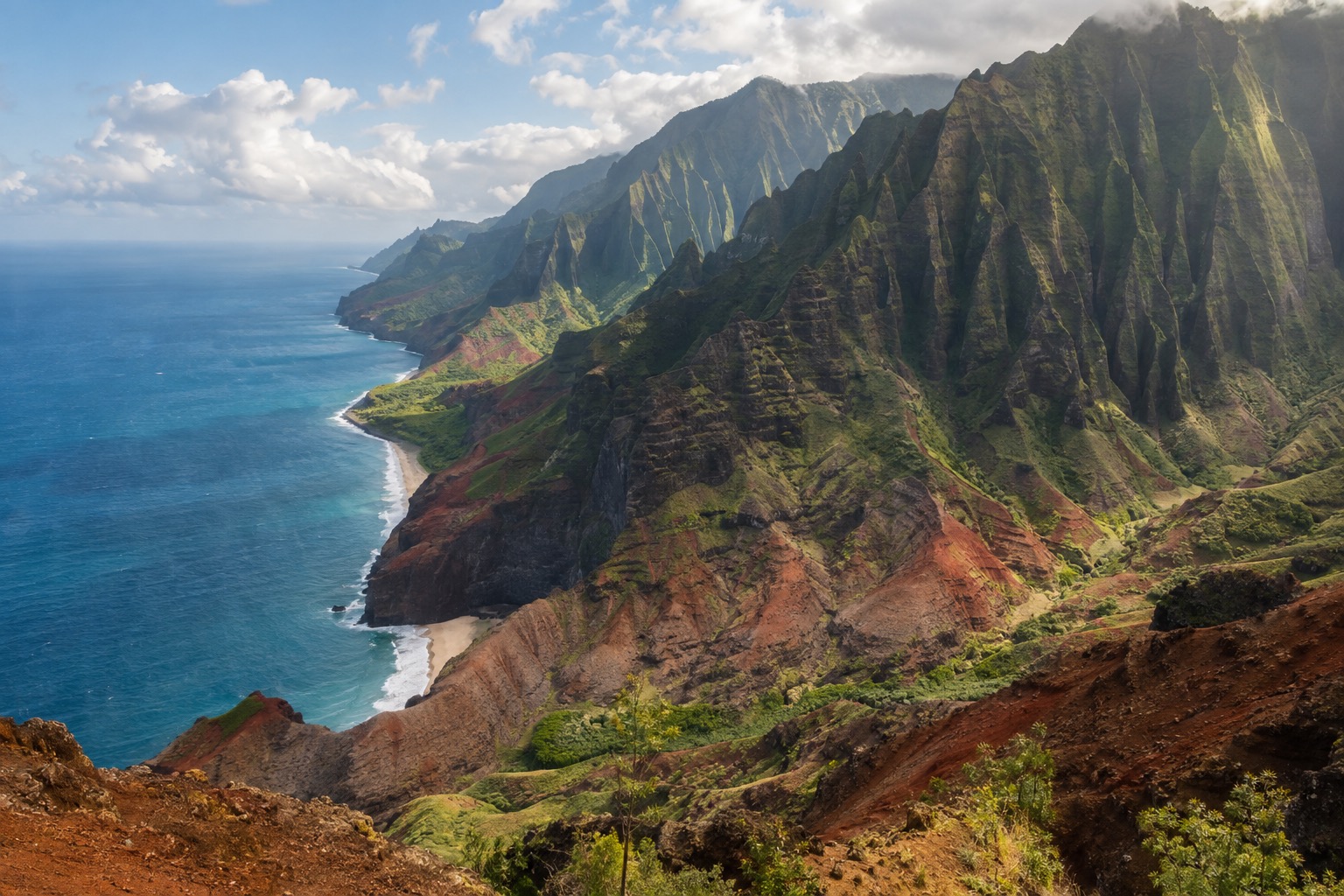
What is the best area to stay in Kauai?
For a first visit, the east side around Wailua and Kapaa is the easiest base, Poipu is the pick for sunny beach days and families, Princeville and Hanalei suit couples and anyone after scenery, and the west side suits travelers who want quiet and the canyon at their door. Nightlife is gentle everywhere, with dinner, live music at a restaurant and a late walk on the beach being the usual evening.
The areas differ mostly by weather and by what is around them. The south and west are drier and sunnier, the north is lush and rainy, and the east sits in between with the most restaurants, shops and everyday life. Beach conditions also swing by season, so the side of the island you pick matters more than the hotel itself.
The best areas to stay in Kauai
Poipu and the south shore
Poipu is the classic beach vacation on Kauai. This is the dry, sunny side of the island, with golden beaches, a rocky coast with tide pools and the Spouting Horn blowhole nearby. Mornings tend to be bright even when clouds sit over the mountains, and families like the easy rhythm of beach, pool and an early dinner.
Lodging here runs from full-service resorts to condo complexes with kitchens, plus vacation rentals tucked into the neighborhoods behind the shore. Condos are a good fit for families and groups staying a week or more. Restaurants and a few shopping centers are close, but you will want a car for the rest of the island.
Monk seals sometimes haul out on Poipu beaches, and NOAA Fisheries asks visitors to stay at least 50 feet away. Green sea turtles feed close to shore too, and the guideline for them is at least 10 feet.
Princeville and Hanalei on the north shore
The north shore is the Kauai of postcards: taro fields in Hanalei Valley, waterfalls streaking the cliffs and a long bay with a historic pier. It is also the wettest part of the island, with roughly twice the yearly rainfall of Lihue, so showers are part of the scenery. Evenings are quiet, with a few good restaurants in Hanalei town and not much else.
Princeville is the resort community on the bluff, with hotels, condos and golf, and it gives you a base with views over the bay. Hanalei and the villages beyond have vacation rentals and small cottages, which suit couples and anyone who wants to stroll to a coffee in the morning. The road in crosses a string of narrow bridges, which slows traffic when it is busy.
Winter brings big surf to these north-facing beaches, and summer is usually gentler. Visitors from outside Hawaii also need a park entry or parking reservation for Haena State Park at the end of the road, and the Kalalau Trail starts there. Hiking beyond the first valley requires a wilderness camping permit.
Wailua, Kapaa and the Coconut Coast
The east side is where Kauai feels most like a place people live. Kapaa is a laid-back town of shops, food trucks and cafés, a bike path follows the shoreline, and the Wailua River runs inland toward the Fern Grotto, which you reach by riverboat. Wailua Falls, a sheer drop into a pool, is a short drive from the coast.
Lodging here is the most varied and the easiest to fit to a budget: older beachfront hotels, condos, guesthouses and small inns, plus rentals scattered through town. It is a practical choice for a first visit because the center of the island is close, the airport is close and the north and south shores are both within a day trip. The beaches are less polished than Poipu’s, and trade winds can make mornings breezy.
Lihue, the county seat, sits just south and has hotels near the airport that work for an arrival night or a late departure. It is more practical than pretty, so most travelers sleep a bit farther up the coast. Rain here is lighter than on the north shore, and the east side as a whole gets showers more often than Poipu.
Waimea, Kekaha and the west side
The west side is the quiet, dry end of the island, with old plantation towns, long empty beaches and Waimea Canyon rising behind. Lodging is limited and low-key: a few small hotels, cottages, vacation rentals and a campground culture around the state parks. It suits road-trippers and hikers more than resort lovers.
Up on the rim, Kokee State Park is cool enough for a jacket even when the coast is hot, with trails and the Kalalau Lookout high above the valley. Camping is possible at Kokee, and Polihale State Park farther along has beach camping reached by a rough dirt road that can flood in rain. Most visitors do the canyon as a day trip and sleep elsewhere, but staying west gives you the sunsets and the early start.
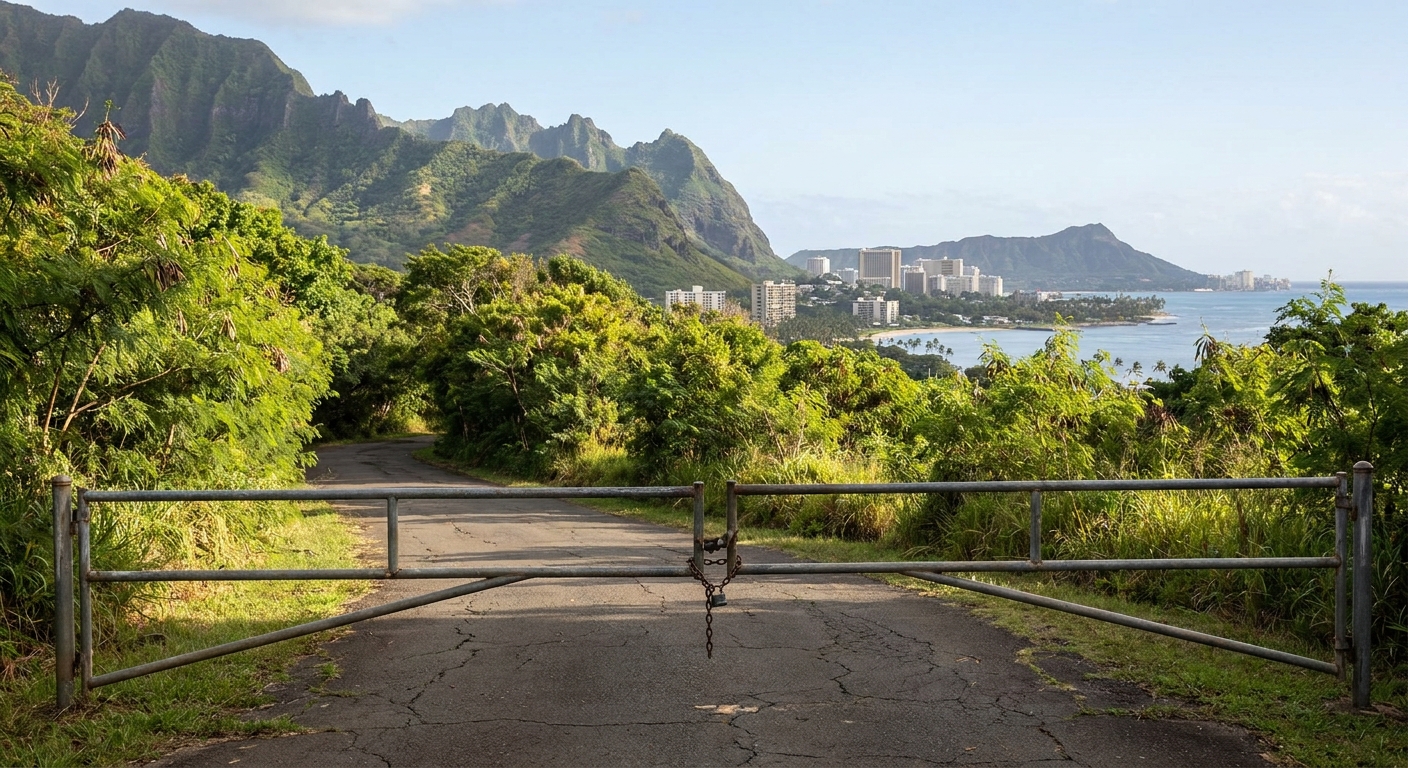
Kauai areas compared
| Area | Best for | Feel | Getting around |
|---|---|---|---|
| Poipu and the south shore | Beach vacations, families | Sunny, dry, resort-style | Car for the rest of the island, short walks to beaches and dinner |
| Princeville and Hanalei | Couples, scenery, hiking | Lush, rainy, quiet evenings | Car, with narrow bridges on the road in |
| Wailua and Kapaa | First visits, budgets, central base | Local, casual, lively by Kauai standards | Car, plus a bike path along the coast |
| Waimea and the west side | Canyon, quiet, road trips | Remote, dry, rustic | Car, with rough roads to some beaches |
The trade-off is mostly between beach polish and local life. Poipu gives you the easiest sand and sun but the least sense of a town, while Kapaa gives you cafés and shops but plainer beaches. The north shore wins on views and loses on dry days, and the west side is the quietest and also the farthest from dinner options.
How to choose your hotel in Kauai
Kauai has few all-inclusive resorts in the classic sense, so the real choice is between a full-service resort with its own restaurants and pools and a condo or rental where you cook some meals. Resorts make sense if you want everything on site and a beach at the door. Condos suit families and longer stays, and a kitchen helps at the end of a day of hiking.
Beachfront is lovely, but on Kauai the beach in front of your hotel may not be one you can swim at in every season. Look at which way the shore faces, since north-facing beaches get heavy surf in winter and south-facing ones tend to be gentler then. The lifeguards and beach signs decide on the day, whatever the brochure says.
Winter holidays, spring break and the summer family weeks fill the island, so the best rooms in popular areas go early in those stretches. The Central Pacific hurricane season runs from June 1 to November 30. When Hurricane Lowell passed just west of Kauai in September 2026, it brought punishing winds, intense rain and towering surf, and left roads, trails and parks damaged across the island.
If a park or trail is part of your plan, the Hawaii Division of State Parks posts current closures and reopenings on its Important Park Notices page. A state park reservation for a day the park is closed is refunded. Before booking, also ask about noise from nearby roads or restaurants, whether parking is included and how the property handles early or late arrivals.
Families and travelers with limited mobility should look for ground-floor units, elevators and short walks to the beach, since many Kauai condos are built across sloping grounds. Resorts tend to be the easiest on accessibility, and rentals vary a great deal from one to the next.
Good to know before you go
Flights from the mainland land at Lihue Airport, and from there every area is a drive along a coastal road. No passport or visa is required, and you’ll pay in U.S. dollars. Lodging bills carry two taxes on top of the nightly rate.
| Fee | Amount | Who pays |
|---|---|---|
| State Transient Accommodations Tax | 11.00% of the lodging rate | Guests, added to the lodging bill |
| Kauai County Transient Accommodations Tax | 3% of the lodging rate | Guests, added to the lodging bill |
Sources
- Hawaii Department of Taxation, Tax Announcement No. 2025-03 (Transient Accommodations Tax Law Changes from 2025 Legislative Session), files.hawaii.gov/tax/news/announce/ann25-03.pdf, checked September 24, 2026
- County of Kauai, Department of Finance, Transient Accommodations Tax page, kauai.gov/Government/Departments-Agencies/Finance/Transient-Accommodations-Tax, checked September 25, 2026
- Hawaii Department of Taxation, County Surcharge on General Excise and Use Tax page, tax.hawaii.gov/geninfo/countysurcharge/, checked September 25, 2026
- Federal Aviation Administration, CY2024 Commercial Service Enplanements (xlsx), faa.gov/airports/planning_capacity/passenger_allcargo_stats/passenger/arp-cy2024-commercial-service-enplanements.xlsx, checked September 24, 2026
- NASA Earth Observatory, "Waimea Canyon, Kauai", science.nasa.gov/earth/earth-observatory/waimea-canyon-kauai-4067, read September 25, 2026
- DLNR Division of State Parks, "Waimea Canyon State Park", dlnr.hawaii.gov/dsp/parks/kauai/waimea-canyon-state-park/, read September 25, 2026
- DLNR Division of State Parks, "Kokee State Park", dlnr.hawaii.gov/dsp/parks/kauai/kokee-state-park/, read September 25, 2026
- DLNR Division of State Parks, "Haena State Park", dlnr.hawaii.gov/dsp/parks/kauai/haena-state-park/, read September 25, 2026
- DLNR Division of State Parks, "Napali Coast State Wilderness Park", dlnr.hawaii.gov/dsp/parks/kauai/napali-coast-state-wilderness-park/, read September 25, 2026
- DLNR Division of State Parks, "Wailua River State Park", dlnr.hawaii.gov/dsp/parks/kauai/wailua-river-state-park/, read September 25, 2026
- State of Hawaii Data Book 2015, Table 5.14 "Major Named Waterfalls, By Island" (sourced to U.S. Geological Survey and Hawaii DLNR Commission on Water Resource Management records), files.hawaii.gov/dbedt/economic/databook/2015-individual/05/051415.pdf, read September 25, 2026
- DLNR Division of State Parks, "Polihale State Park", dlnr.hawaii.gov/dsp/parks/kauai/polihale-state-park/, read September 25, 2026
- County of Kauai Department of Parks and Recreation, "Black Pot Beach Park Master Plan", May 2021, kauai.gov (blackpotplan-final-may-2021.pdf), read September 25, 2026
- NOAA Fisheries, "Hawaiian Monk Seal", fisheries.noaa.gov/species/hawaiian-monk-seal, read September 25, 2026
- U.S. Fish and Wildlife Service, "Hanalei National Wildlife Refuge", fws.gov/refuge/hanalei, read September 25, 2026
- NOAA Fisheries, "Viewing Marine Wildlife in Hawaiʻi", fisheries.noaa.gov/pacific-islands/marine-life-viewing-guidelines/viewing-marine-wildlife-hawaii, read September 25, 2026
- NOAA NCEI, monthly normals 1991-2020, station USW00022536
- NOAA NCEI, monthly normals 1991-2020, station USC00518165
- NOAA NCEI, monthly normals 1991-2020, station USC00513099
- Open-Meteo Marine API, average 2015-2024, checked September 8, 2026
- sunrise-sunset.org, sunrise and sunset calculated for the 15th of the month, checked September 8, 2026
- County of Kauai, press release « Hurricane Lowell Update », September 8, 2026, kauai.gov ; DLNR news release of September 16, 2026
- Hawaii DLNR Division of State Parks, dlnr.hawaii.gov/dsp (home page, avis of October 5, 2026)
- NWS Honolulu / Central Pacific Hurricane Center, « 2026 Central Pacific Hurricane Season Outlook », weather.gov/hfo/hurricaneOutlook2026, checked September 24, 2026