
Pick Naxos if you want long sandy beaches, good value, hiking and a trip that works for a family. Pick Paros if you want pretty towns, boutique hotels, shopping and late evenings out. They sit side by side in the Cyclades, so with six or seven nights you can simply do both.
How do Naxos and Paros feel different?
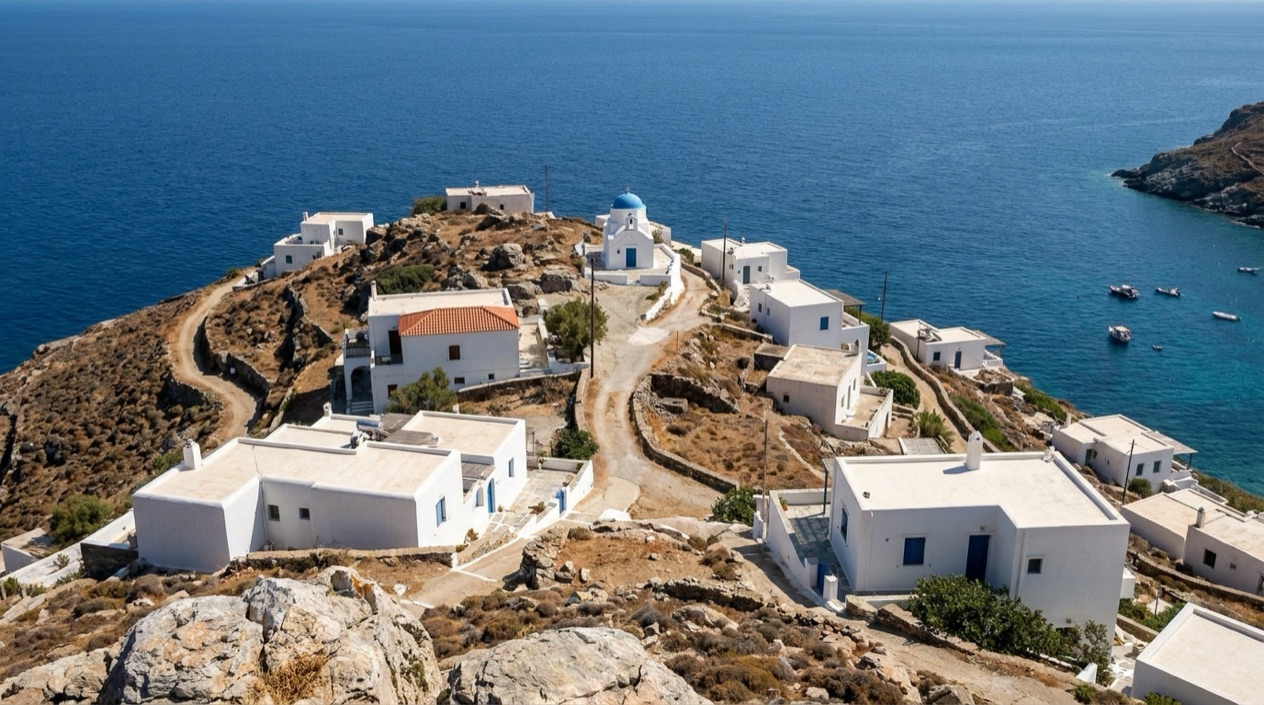
Naxos is the bigger island, mountainous and traditional, with farms and villages spread across a substantial interior. A day there might mean a swim off a wide sandy beach, an afternoon drive up into farm country and dinner at a village taverna with paper tablecloths. Paros is smaller, gently hilly and more polished. It's the island for strolling a lit-up harbor town after dark with a cocktail, then wandering back to a boutique hotel. It feels a little trendier, a little more touristy and more romantic. Both share the whitewashed, sugar-cube look the Cyclades are famous for, and the way of life on each is almost identical.
Summer brings crowds to both. Naoussa on Paros gets extremely crowded during July and August, mostly at night, so booking a table ahead helps and finding a parking spot can take patience.
Which island has the better beaches?
Naxos. Its west coast runs in long stretches of golden sand with clear, shallow water. Agios Georgios is shallow and protected, a short walk from Naxos Town, which makes it a favorite with small kids. Agios Prokopios, about a 10 minute bus or car ride from town, has beach clubs along with plenty of free space on the sand. Agia Anna sits next to it and also has good swimming, restaurants, hotels and regular buses. Plaka is long and beautiful, with plenty of room, and it gets quieter as you move south.
Paros has lovely beaches too, more varied than consistently sandy. Kolymbithres is the standout, with sculpted rocks and small coves. Santa Maria is organized and lively, and Golden Beach is wide and good for windsurfing. Aliki, Logaras and Monastiri suit families.
The Meltemi, the strong summer wind, blows on the same days on both islands, and each has sheltered coves, often south-facing, for when it picks up.
Where are the best towns and villages?
Paros wins on towns. Parikia, the ferry port, has old lanes, churches, shops, sunset bars and lower prices than Naoussa. Naoussa is the prettier one, a fishing harbor with Venetian ruins, whitewashed streets, boutiques and cocktail bars. Inland, Lefkes is the loveliest stop, a hilltop village among pines where a marble-paved Byzantine footpath begins. Piso Livadi on the east coast is another charmer.
Naxos has one main town, Naxos Town (Chora), and it deserves more credit than it gets. It has a waterfront, an old market, a Venetian castle and the Portara, a huge marble doorway to an unfinished temple that greets ferries in the harbor. Beyond town, Naxos has living mountain villages such as Chalki and Apeiranthos, plus the Temple of Demeter out in the farmland, and it holds the deeper history of the two.
Where do you eat and go out better?
Naxos has the stronger local food. It's one of the most productive farming islands in the Cyclades, and potatoes, cheeses, meat, vegetables, olive oil and honey are central to its identity. Food near the tourist areas is fresh and tasty without costing much, and the smaller villages around Agios Prokopios have some lovely places to eat. Try kitron, the local liqueur, at the Vallindras distillery in Chalki.
Paros has the stronger restaurant scene. Naoussa leads with seafood restaurants and cocktail bars, though prices there run high. Parikia is cheaper, and Piso Livadi is good for traditional seafood. Moraitis, a small winery just outside Naoussa, makes an easy, relaxed stop.
Nightlife follows the same split. Paros is livelier, with late dinners, drinks by the water and live music or DJs in the backstreets of Parikia and Naoussa, and it draws the bigger party crowd. Naxos Town has a handful of bars, clubs and cafes for a pleasant evening out.
How do you get there and get around?
Paros is the first stop for many ferries into the Cyclades, and Naxos is usually the next one.
Paros is the easier island without a car. A rented car or quad bike still gets you around faster, and the roads are easy to drive.
On Naxos, buses link the main towns and run frequently in summer to Agios Prokopios, Agia Anna and Plaka, but anywhere past Plaka needs your own transportation. A car pays off there for Chalki, Apeiranthos, the Temple of Demeter, mountain trails and quiet southern beaches. Away from the main routes the roads wind a lot, and phone maps sometimes point you the wrong way.
Greek law requires a valid U.S. driver's license, and insurance companies may require an international driver’s permit. Motorcyclists must wear a helmet, and talking or texting on a phone while driving is illegal. Greece has one of the highest traffic fatality rates in the EU, so drive with care.
If you skip the car, the easiest single base is Naxos Town or Agios Georgios, with restaurants, shops, sights and a beach all on foot.
Which island is right for you?
Choose Naxos if you're a family with young children, a hiker, a value hunter, or a couple who prefers relaxed tavernas to fashionable bars. It's also the stronger pick for stays of five nights or more, because its beaches, town and interior take time to come together. July and August are too hot for the mountains, so save the big hikes for other months.
Choose Paros if you're traveling with friends, want boutique hotels and nightlife, or don't want to rent a car. Most couples will prefer it, especially around Naoussa. It's also the better short-stay island, easy to enjoy in two or three nights, and Antiparos is a short ferry ride away with an attractive town, beaches and restaurants.
Budget tips the scales too. Naxos is cheaper for almost everything, hotels and restaurants above all. Paros costs more, especially around Naoussa, though Parikia is better value.
Can you do both?
Yes, and it's an easy trip. Several seasonal ferries cross between the islands each day. Faster boats take about 30 minutes, while larger conventional ferries take 45 minutes to an hour. Changing hotels is what eats up your time, so skip day trips and bring your bags.
With three or four nights, choose one island. With five to seven, visiting both starts to make sense, and a good seven-night split is three nights on Paros, then four on Naxos.
What should Americans know before going?
U.S. citizens can enter Greece without a visa for up to 90 days. Your passport should have at least three months of validity beyond your planned departure date, and you may be asked for proof of sufficient funds and a return ticket or other evidence of departure.
The U.S. State Department rates Greece as generally safe, but petty crime is common in tourist spots, so watch your bags on buses and at busy sites. Thieves are known to break into rental cars to steal passports and valuables, so take them with you whenever you park. Transportation strikes can disrupt ferries, ports and airports, and forest fires are common in the dry summer months.
Carry your passport or another photo ID at all times, and keep some cash on hand, since many care providers in Greece accept only cash.
Sources
- eternal-expat.com (https://www.eternal-expat.com/2022/08/30/paros-or-naxos/), checked October 18, 2026
- rtwin30days.com (https://rtwin30days.com/naxos-or-paros-greece/), checked October 18, 2026
- santorinidave.com (https://santorinidave.com/paros-or-naxos), checked October 18, 2026
- greecetravelsecrets.com (https://www.greecetravelsecrets.com/paros-or-naxos/), checked October 18, 2026
- wanderoffthebeatenpath.com (https://wanderoffthebeatenpath.com/2019/10/22/paros-verse-naxos-greece/), checked October 18, 2026
- U.S. Department of State (https://travel.state.gov/content/travel/en/international-travel/International-Travel-Country-Information-Pages/Greece.html), checked October 15, 2026
- U.S. Department of State (https://travel.state.gov/content/tsg_aem/us/en/home/international-travel/travel-advisories/destination.grc.html), checked October 15, 2026