
Mornings in Costa Rica start early. Roosters, a pot of coffee, a plate of gallo pinto with a fried egg, and a bus already grinding up a hillside road. Visitors spend their days in rainforest, on surf beaches and in small towns where “pura vida” really is the standard greeting. Most trips pass without incident, yet crime exists here, and the sea and the roads deserve as much respect as any pickpocket.
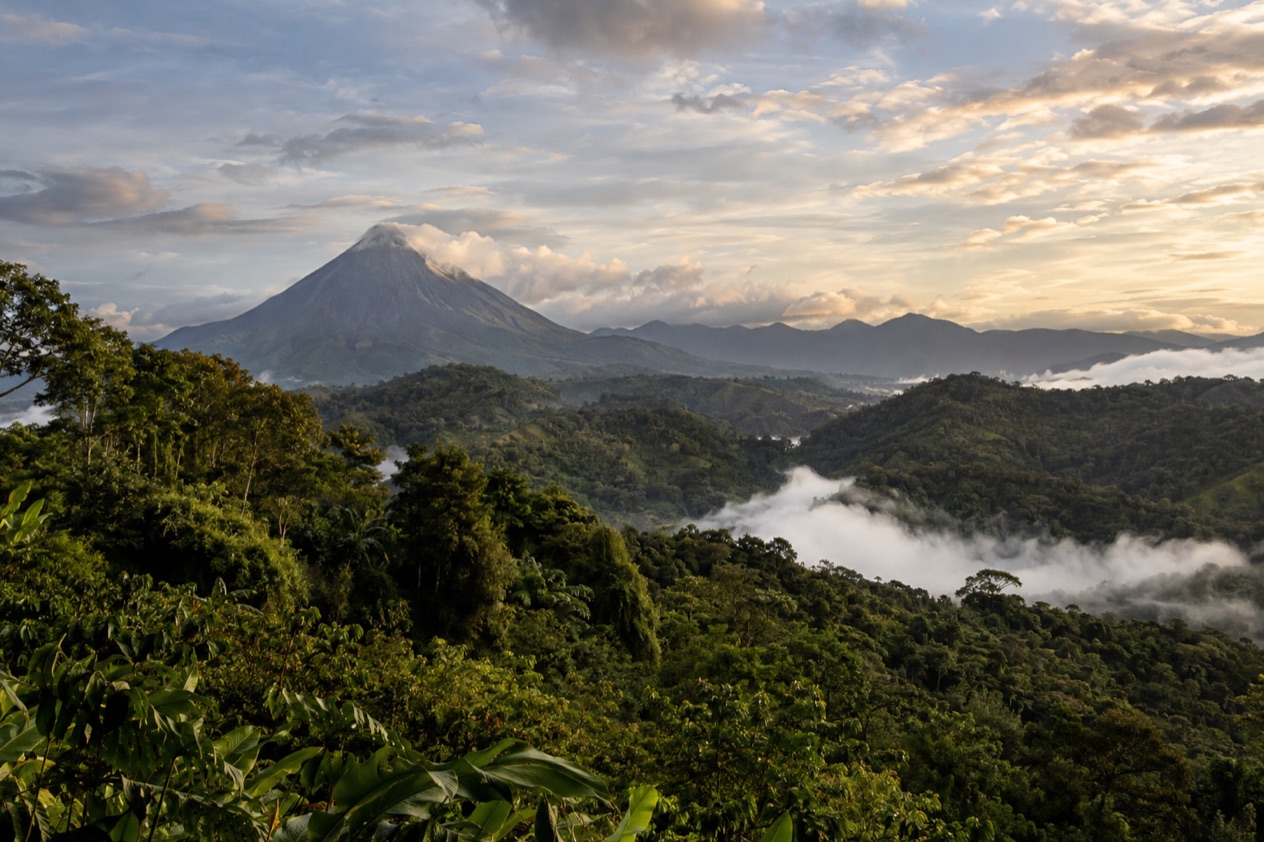
Is Costa Rica safe to visit?
Mostly yes, with the habits you would bring to any popular destination and a few that are specific to this country. Millions of travelers come for the volcanoes, the cloud forest and the beaches, and the most common problem they meet is theft, not anything dramatic. American travelers often run into petty theft and pickpocketing, so it pays to show up knowing that.
Violent crime also affects tourists, including armed robbery, homicide and sexual assault. A phone can be replaced, and nothing you carry is worth an argument. Leaving the passport copy, spare cards and the good camera in the room safe takes most of the sting out of a bad moment.
If something does happen, the number to dial for the police is 911. A victim of crime files a police report, called a denuncia, with the OIJ, the country’s investigative agency, so that the case can be investigated. That report is worth the trouble even for a stolen phone, because a copy with a case number is what an insurance claim needs, and it is also what some airlines want before they waive a rebooking fee.
Tourist Police can help you begin the process at certain beach locations, including Tamarindo, Puerto Viejo and Manuel Antonio, though their help is limited. Think of them as a first stop, not a full service.
One more rule catches a few visitors off guard. Foreigners are not allowed to take part in public demonstrations in Costa Rica, and doing so can lead to detention or deportation. If you come across a march or a blockade, watch from a distance and keep walking.
Safety by area in Costa Rica
The Pacific coast and Guanacaste
This is the Costa Rica of surf towns, sunset bars and long gray-and-gold beaches, with Tamarindo and Manuel Antonio among the busiest. Days are easy and outdoorsy, and many people travel between beaches by rental car or shuttle. The Pacific side has a dry season from about December to April, then turns green and rainy from about May to November, with showers that usually arrive in the afternoon.
What to watch here is mostly the water and the parked car. Most beaches have no lifeguards and no warnings about unsafe conditions, and rip currents are very dangerous. Thieves also like cars left at beach lots and trailheads, so nothing valuable should sit visible on a seat. Guanacaste and the northern region also see wildfires in the dry months, which can affect roads and air.
At night, beach towns are lively along their main streets, and staying with a group and keeping your belongings close is the practical answer. Staying with a group and keeping your belongings close is the practical answer.
San Jose and the Central Valley
The capital and the valley around it hold the markets, the museums, the coffee farms and most of the country’s airport traffic. By day, San Jose is a busy working city of bakeries, bus stops and crowded sidewalks, and crowds are exactly where petty theft thrives. A phone held loosely at a bus stop or a bag hung on a chair back is an easy target.
The valley shares the Pacific pattern of a drier stretch from about December to April and a greener, rainier one from about May to November, with rain that usually falls in the afternoon. Plan sightseeing for the morning and keep the afternoon for a museum, a lunch or a coffee tour. Many visitors treat the city as a place to land, sleep and move on, and a short stay with a few careful habits is a sensible way to do that.
The Caribbean side
Puerto Viejo and the coast around it have a slower, more Afro-Caribbean feel, with rice and beans cooked in coconut milk, reggae from open doors and bicycles on sandy lanes. Rain falls on the Caribbean side throughout the year, and its seasons do not match those of the Pacific, so a dry spell is not something you can depend on like you can in other parts of the country.
Tourist Police can help begin a denuncia at Puerto Viejo, which is useful if a bike or a bag goes missing. The sea here is the main thing to respect.
Rip currents are a risk on Costa Rican beaches generally, and lifeguards are at only some Caribbean and Pacific beaches, with stations that may be far apart and poorly equipped. Flooding is also common in the rainy season in Limon province, which can affect travel plans.
Common scams and how to avoid them
The usual troubles for visitors are quick thefts rather than elaborate scams, and most of them depend on you being distracted. A phone on a café table, a purse on the back of a chair or a backpack at your feet on a bus gives a thief what he wants in a few seconds. Keep things in front of you, in a zipped inner pocket, and out of open windows when you are stopped in traffic.
The car is its own small risk. Thieves can block a key fob signal with a jammer, so the car may look locked when it is not. Pull the door handle after you press the button, every time, and take your valuables with you whenever you walk away. This matters most at beach lots, viewpoints and trailheads, where visitors leave cars for hours.
Adventure and nature outings are another place to be careful about who you trust. Americans have died in Costa Rica doing adventure sports, so a cheap offer from a stranger on the sidewalk deserves a second look. The Costa Rica Tourism Institute, known as the ICT, keeps a list of Certified Tour Guides, and choosing from it is a sound way to book anything involving rivers, ropes or ridges.
The same goes for hiking in national parks: you should register with the park, have an entry permit and use a certified tour operator. If a robbery does occur, do not resist, then file the denuncia with the OIJ as soon as you can.
Getting around safely
Most visitors move by shuttle, tour van, bus or rental car, and each has its own rhythm. Buses and shared vans are part of everyday life, packed with commuters, schoolchildren and backpackers, which is also why you keep your phone and wallet close and your bag on your lap. Taxis and ride-hailing cars are common in the capital and the beach towns, and the same habit applies in all of them: do not leave anything on the seat when you step out.
Driving gives the most freedom and asks the most attention. At intersections, plants or other things can hide what is coming, so be very careful behind the wheel, above all on tight rural roads where cross traffic stays out of sight behind a hedge or a parked truck. Some places, particularly beaches and rural areas, may only be reachable with a four-wheel drive vehicle, so the road to a remote lodge may not be the road a small sedan can handle.
Weather changes the map. When the rains come, landslides can shut down certain roads, and a path that was clear in the morning might be gone by the afternoon. Mountain and jungle roads are the usual trouble spots, so leave room in your schedule for a detour or a late arrival.
Try not to drive outside urban areas at night. Darkness comes early near the equator, roads are often unlit and winding, and animals, cyclists and potholes appear without warning. Plan long drives for the morning and be settled before dusk. Whenever you park, lock the car and check the doors.
Beach, water and weather safety
The sea is the biggest danger most travelers underestimate. Each year, rip currents prove deadly, leading to multiple drownings among American visitors. They can run through water that looks inviting, and most beaches have no lifeguards or warnings about unsafe conditions. Where lifeguard stations exist, they are at specific Pacific and Caribbean beaches and may be far apart and poorly equipped, so help can be a long way off.
So treat every swim as a decision. Look for flags and posted signs where there are any, watch how the waves break before you go in, and keep children within arm’s reach at the water’s edge.
Conditions change with the day and the tide, so a spot that felt gentle yesterday may not be the same today. All beaches are open to the public, so there is plenty of room to choose a quieter one, but a quiet beach also means fewer people to notice a problem, and a calm look says nothing about the current.
Rain follows the seasons. On the Pacific side and in the Central Valley, the dry season runs from about December to April and the green season from about May to November, with rain that usually falls in the afternoon.
The Caribbean side gets rain all year. Flooding is common in the rainy season from April to October, especially in Limon, Puntarenas and Guanacaste provinces, so rivers, low bridges and unpaved roads deserve attention after a downpour.
The dry months bring a different hazard. Wildfires commonly occur between January and the end of May, affecting Guanacaste and the northern region. Smoke and closed roads are possible then, and the sun is strong all year at this latitude, so a hat, shade and plenty of water are as important as any rain jacket.
Good to know before you go
The U.S. State Department rates Costa Rica Level 2, ‘Exercise increased caution,’ due to crime; it says petty crime is common throughout Costa Rica and that violent crime also affects tourists, including armed robbery, homicide and sexual assault.
A few habits do most of the work: carry only the cash and cards you need for the day, keep your phone out of sight when you are not using it, and leave valuables in the room safe. Save 911 in your phone, and remember that a police report with a case number is what insurers and some airlines ask for after a theft. Then go and enjoy the place, because the rest of Costa Rica is mostly coffee, birds and beaches.
Sources
- U.S. Department of State, Costa Rica Travel Information, Safety and security (https://travel.state.gov/content/travel/en/international-travel/International-Travel-Country-Information-Pages/CostaRica.html), checked October 8, 2026
- U.S. Department of State, Costa Rica Travel Information, Traveling and transportation (https://travel.state.gov/content/travel/en/international-travel/International-Travel-Country-Information-Pages/CostaRica.html), checked October 8, 2026
- U.S. Department of State, Costa Rica Travel Advisory, issued April 1, 2026 (https://travel.state.gov/content/travel/en/traveladvisories/traveladvisories/costa-rica-travel-advisory.html), read via the State Department open data API on October 8, 2026
To plan your stay
- Best Time to Visit Costa Rica: Dry and Green Seasons, Weather by Region and Festivals
- Things to Do in Costa Rica: Volcanoes, Beaches, Wildlife and Day Trips
- Where to Stay in Costa Rica: Beach Towns, Cloud Forest, Volcano Views and Which Base Fits Your Trip
- Costa Rica Airports: San Jose or Liberia? Beaches, Drive Times and Getting to Your Hotel