
On the evening of September 14, children in Jaco walk the streets with paper lanterns, the faroles, glowing orange and pink against a sky that has just finished raining. Brass bands rehearse, flags appear in shop windows, and the surf bars fill with a mix of locals and travelers. September here is green, wet and unhurried, a month for people who like a beach town with room to breathe.
What is the weather like in Jaco in September?
Come September, Jaco turns hot, humid and wet, bringing rain on nearly every day and water in the sea that feels like a warm bath.
| Month | Average high (°F) | Average low (°F) | Rain days | Sea (°F) |
|---|---|---|---|---|
| August | 81.4 | 75.7 | 30.3 | 85.7 |
| September | 81.2 | 75.4 | 29.7 | 86.1 |
| October | 80.5 | 75.1 | 30.0 | 85.4 |
Mornings are often the best part of the day. The light is soft and bright, the sand is cool enough for a long walk, and the clouds sit over the green hills behind town. Plan the beach, the surf lesson or the hike for these hours, because the sky tends to build and darken after midday.
The rain usually arrives in the afternoon or evening as a heavy downpour that can last an hour or settle in for the night, and on some days it drums on the roofs for much longer. Several days in the month bring a real soaking, so the streets can flood at the corners and the river-colored runoff reaches the ocean. Between the bursts, the air smells of wet earth and the town steams.
Because you can wear shorts and sandals in the evening without feeling cold, the sweater can stay home. A light rain jacket or a small umbrella earns its place in the bag. In the middle of the month, you get just over twelve hours of daylight, which means the sun goes down early in the evening and you eat dinner once it is dark.
Can you swim in Jaco in September?
The water is warm, but the surf and currents should decide whether you enter and how far you go.
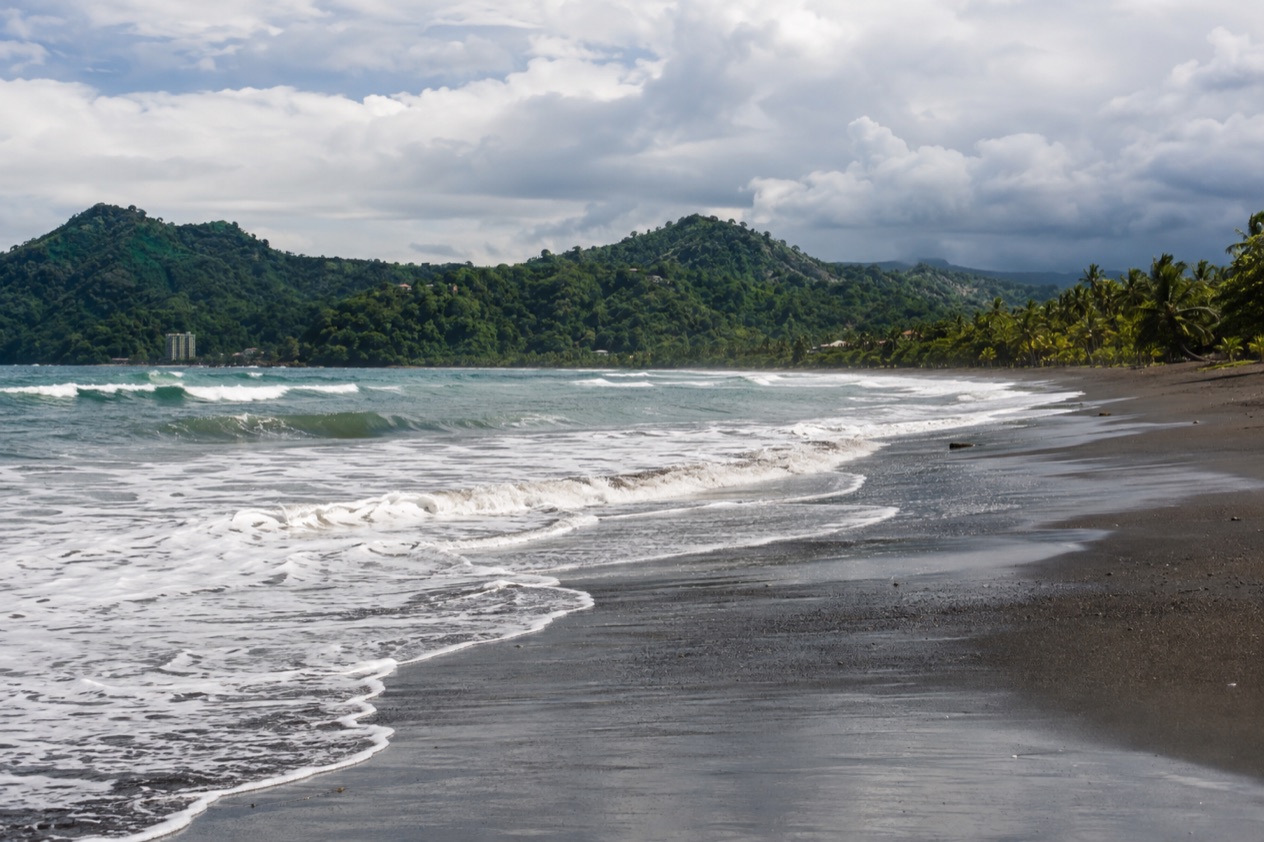
Jaco’s long dark-sand beach faces open Pacific swells, and waves are usually lively, with plenty of surfers in the water. That makes it a better place for bodyboarding, lessons and wading than for gentle floating. Families with small children often prefer to stay at the water’s edge and keep a close eye on them.
Each year in Costa Rica, rip currents, a serious hazard, claim the lives of multiple tourists from the United States. On many beaches, no lifeguards are present and no signs warn of risky conditions, so check conditions before entering, obey whatever flags are posted, and stay out when you are unsure.
Swimming right after heavy rain is less pleasant because runoff can cloud the water near the river mouths. Pack sunscreen too, plus a rash guard to block the sun and prevent board rub, because during the brighter morning hours that sun hits hard.
What to do in Jaco in September
The big date is September 15, Independence Day, and the night before is the one to see. On September 14 children carry paper lanterns through town in the Desfile de Faroles, and the next morning school bands march with flags. It is a local celebration more than a tourist show, so stand on the sidewalk with everyone else, let the drums go past and enjoy the mood.
Between showers, surfing is the main business of the town. Instructors work the beach in the morning, boards are rented along the main strip, and the waves suit beginners who want to learn on whitewater as well as people who already know how to read a break. Early sessions are the most comfortable, before the sky clouds over.
Carara National Park and the scarlet macaws
Just north of Jaco, a quick drive brings you to Carara, the top place in the area for seeing wildlife. Its forest holds scarlet macaws, which you may hear before you see, along with monkeys, coatis and a long list of birds. Most visitors find wildlife by taking a guided walk, and the forest is at its liveliest during the early hours.
In September the trails are green and damp, so wear shoes that grip and bring a rain layer. Sightings are chances, never promises, and a wet day can quiet the birds. Before you head out, check the park’s official page, because rules and access can change from time to time.
The Tarcoles River bridge
The bridge over the Tarcoles River, on the way to Carara, is a well-known spot to look down at crocodiles basking on the sandbars. People walk out along the span and watch them, so it is an easy stop that takes little time. The river runs brown and high after the rains, and the animals may be less visible or more scattered than in the drier months.
Head out early, when highway traffic thins and the light comes through sharper. Because theft of small items happens all over Costa Rica, keep your hands and possessions close, and never leave anything visible in a parked car.
Food in September leans on the comforting and the fresh. In the small neighborhood eateries called sodas, order a casado, which arrives with rice, beans, plantain, salad, plus fish, chicken or beef as you prefer. Ceviche with a cold drink suits the sticky afternoons, and a gallo pinto breakfast (rice and beans cooked together) holds you through a surf lesson. Fresh fruit juices and coconut water are sold along the beach.
When the rain sets in, the town changes pace. Cafés fill with people waiting out the downpour, yoga studios and spas stay open, and the bars along the main strip become the place to watch the storm over the water. Sunset is often hidden by cloud, but on some evenings the sky clears for a short, bright spell just before dark.
At night the strip is lively, with music from the bars and restaurants. Tourists deal with violent crime as well, and small thefts happen often, so remain in groups, hide your valuables and ride in a taxi instead of walking through dark areas.
A two-day itinerary for Jaco in September
Day 1 starts at first light, when the air is cool and the sky has not yet closed in, with either a surfing lesson or a lengthy stroll along the beach. At a little café, sit down to gallo pinto and fruit for breakfast, and afterward pass the late morning wandering the shops and craft stalls that line the main street. At midday, eat a casado at a soda and rest while the clouds gather.
When the afternoon rain comes, shelter in a café or rest while the clouds pass. If it clears, walk the sand again near sunset. In the evening, choose a seafood restaurant for dinner, and on September 14 join the street to watch the lantern parade pass.
Day 2 is for the wildlife. Leave early for Carara National Park and walk the forest trails with a guide, hoping for macaws and monkeys.
If the park trails are too muddy, a guide can suggest a shorter route, and the afternoon is a good time to rest before a final dinner. Sunrise comes early and daylight lasts a little over twelve hours, so an early start gives you the best part of the day.
Is Jaco busy in September?
No, September is one of the calmer months in Jaco, with the beach and the restaurants feeling relaxed most days.
The rainy season keeps many visitors away, so tables are easy to find and the surf lineup is less crowded. Independence Day weekend brings more Costa Rican families and a livelier mood, and that is the time when rooms and rental cars tighten up. If your trip includes September 14 and 15, reserve early, while a trip in the quiet weeks around it can be arranged closer to departure.
Because the days are cloudy, many people also leave some flexibility to move an outing to a clearer morning.
What to pack for Jaco in September
Pack for heat, humidity and sudden downpours, and keep the bag light.
- A light rain jacket, because afternoon showers are heavy and frequent.
- Quick-dry shorts and shirts, since nothing dries slowly in the humidity.
- Sandals that handle water plus shoes with grip for the park trails.
- For morning sun that hits hard and surf lessons, bring sunscreen and a rash guard.
- A waterproof pouch for your phone and passport during the rain.
- Pack bug spray for the woods and after dark.
Good to know before you go
The U.S. State Department rates Costa Rica Level 2, ‘Exercise increased caution,’ due to crime; it says petty crime is common throughout Costa Rica and that violent crime also affects tourists, including armed robbery, homicide and sexual assault.
September falls within the Atlantic hurricane season, but Jaco sits on the Pacific side, where the main concern is the daily rain. Allow about two hours for the drive from San Jose. Your passport needs to remain valid for the whole time you are there, and you must also show a return ticket or proof that you are traveling onward. Officials might grant as many as 180 days without a visa, but that is never promised.
Jaco in September vs August and October
Moving a month earlier changes little. August is just as warm and wet, with the sea a shade cooler, and the town feels similarly relaxed. The main difference is that you miss the Independence Day lanterns, which give September a local celebration that August lacks.
A month later, October is just as rainy and slightly cooler in the air, with a sea that stays warm. The festival is over, so the town is quiet again, and the green hills are most lush. Heavy afternoon rain remains the pattern, so plans built around mornings work in all three months.
Choose September if you want the lanterns and the national holiday atmosphere. Pick August or October if you prefer a quieter beach and are happy with a trip that has no big event. Surfers and wildlife lovers will find little difference between the three.
Is September a good time to visit Jaco?
Yes, for travelers who enjoy a green, warm and uncrowded beach town and do not mind rain in the afternoon.
It suits surfers, wildlife watchers, budget-minded travelers and anyone who likes to schedule mornings outdoors and afternoons in a café. It is a weaker choice for people who want a guaranteed sunset, a dry week or calm water for small children. On arrival, ask a surf instructor or your hotel where the current runs before you enter the water, then plan your Carara walk for the first clear morning.
What makes September special here is the night of the faroles, when paper lanterns drift down a wet street and the whole town turns out to watch them pass.
Sources
- Open-Meteo / ECMWF ERA5, normals 1991-2020 computed for the grid cell at 9.6145N 84.6285W, checked October 8, 2026
- Open-Meteo Marine API, average 2015-2024, checked October 8, 2026
- sunrise-sunset.org, sunrise and sunset calculated for the 15th of the month, checked October 8, 2026
- U.S. Department of State, Costa Rica Travel Information, Safety and security (https://travel.state.gov/content/travel/en/international-travel/International-Travel-Country-Information-Pages/CostaRica.html), checked October 8, 2026
- U.S. Department of State, Costa Rica Travel Advisory, issued April 1, 2026 (https://travel.state.gov/content/travel/en/traveladvisories/traveladvisories/costa-rica-travel-advisory.html), read via the State Department open data API on October 8, 2026
- U.S. Department of State, Costa Rica Travel Information, Entry and exit requirements (https://travel.state.gov/content/travel/en/international-travel/International-Travel-Country-Information-Pages/CostaRica.html), checked October 8, 2026
To plan your stay
- Things to Do in Jaco: Surf, Scarlet Macaws, Crocodile Bridge and Beach Nights
- Where to Stay in Jaco: Best Areas, Beach Strip vs. Quiet Edges and How to Choose
- Best Time to Visit Jaco: Dry Season, Green Season, Surf and Sea Temperatures
- Jaco in August: Green-Season Weather, Warm Sea, Surf and a Two-Day Plan