
The ferry is about to leave the dock and a traveler digs through a backpack for the sunscreen and the little bottle of repellent, because the checked bags are already stowed below. Later, on a resort porch or a jungle trail, the tiny bites that nobody saw arriving turn up as red itchy dots on ankles. Belize has both mosquitoes and sand flies, the repellent is as much a part of the packing list as the swimsuit, and a few of the illnesses insects carry deserve a look before the trip.
Are there mosquitoes and sand flies in Belize?
Yes, both are part of life in Belize, from the cayes to the rainforest lodges. One villa guide puts it plainly: insects in the tropics are a way of life, and it is highly recommended that you bring insect repellent with you from home. If you are prone to bites, an after-bite remedy is recommended too.
Sand flies, often called no-see-ums, are small enough that you notice the bite before you notice the insect. Knowing which insect you are dealing with helps you pack for it.
On the cayes and the coast
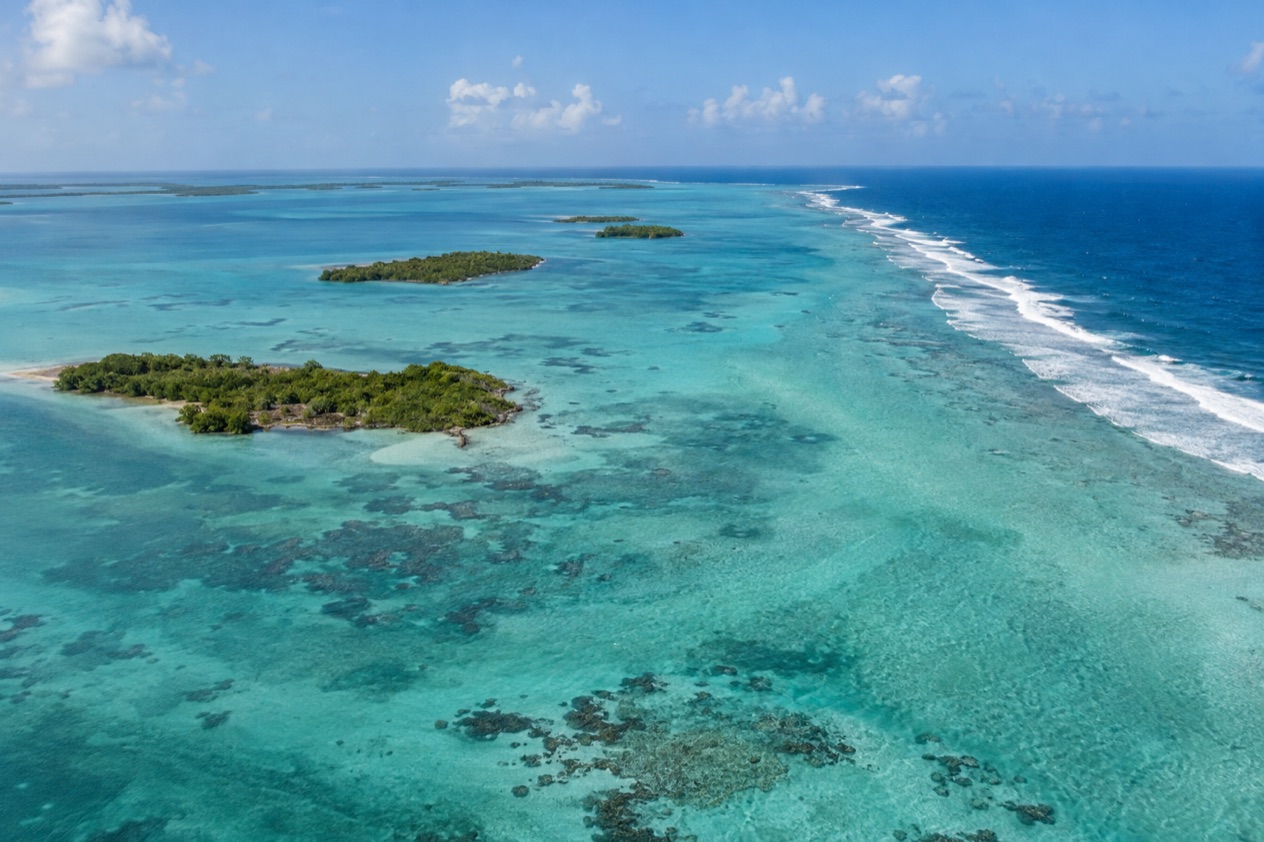
Thatch Caye Resort says directly that sand flies and mosquitoes are present there, especially when there is little breeze. That is a useful clue for any island or beach stay: moving air keeps the small biters down, and a still spot behind a palm hedge or on a covered porch is where you notice them.
The resort keeps bug repellent in the CoCo lounge and sends it along on mainland tours, so guests there are looked after. Elsewhere on the water you are expected to bring your own. When you take the San Pedro Belize Express to Caye Caulker or San Pedro, the advice is to keep sunscreen and insect repellent with you rather than in checked baggage, so it is in hand when you step onto the dock.
Inland, on tours and in the jungle
The packing lists for excursions out of the Cayo District mention repellent by name. Visitors on the Xunantunich tour are asked to bring a hat, sunscreen, water, insect repellent, a camera and raingear if needed. The Barton Creek Cave tour has a similar list, with extra clothes added to the hat, water, repellent, camera and raingear.
Notice that repellent sits beside the hat and the water, as an ordinary item and not a special precaution. Forest edges, shaded trails and riverbanks are the sort of places where people reach for it. Walking among Maya temples under big trees is a pleasure, and a layer of repellent costs you nothing in the experience.
What the bites are like
Sand fly bites tend to show up as clusters of small, intensely itchy bumps, usually on exposed ankles, wrists and necks. Mosquito bites are the familiar raised welts. Reactions vary a great deal from person to person, which is why some travelers hardly notice and others spend the evening scratching.
An after-bite remedy in the toiletry bag is a small kindness to yourself if you react strongly. The usual habit is to avoid scratching, since broken skin invites trouble. That matters more than usual in Belize, where the health system is thin once you leave the main towns, as the sections below explain.
What diseases should travelers know about?
Several illnesses are present in Belize, and the ones spread by insects are malaria, dengue fever, Zika and leishmaniasis. Malaria is a risk in some parts of the country, not everywhere, and the U.S. Centers for Disease Control and Prevention identifies Belize as a Zika risk area. The State Department’s list of diseases prevalent in Belize names malaria, leishmaniasis, diarrheal illness, dengue fever and New World screwworm.
Malaria, dengue and Zika
Malaria is the one that comes with a prescription. Travelers going to a risk area should fill their malaria prescription before leaving and take enough for the entire trip. Which parts of Belize count as risk areas is a question for a travel clinic or doctor before you book, since your route decides whether it applies to you.
Dengue and Zika have no pill. Both are mosquito-borne, so the protection is the same repellent and bite-avoidance you would use anyway. Because Zika is flagged as a risk, travelers who are pregnant or planning a pregnancy have a reason to talk to their doctor before going.
Leishmaniasis and screwworm
Leishmaniasis is a disease spread by sand flies, which is the reason the tiny biters deserve respect and not just a shrug. It is on the list of diseases prevalent in Belize, along with New World screwworm.
Screwworm is a fly larva that infests wounds, which makes it a matter of skin more than of bites. To avoid it, the guidance is to clean and cover all wounds, sleep in a room with screened windows or under a bed net, and avoid spending time around livestock. A scratched bite is a small wound, so the habit of leaving bites alone and keeping them clean is worth the effort.
Vaccines and the water
Not everything on the health list comes from a bite. Hepatitis A vaccine is recommended for unvaccinated travelers one year old or older, and infants 6 to 11 months old should also be vaccinated.
Travelers allergic to a vaccine component should receive a single dose of immune globulin, which protects for up to 2 months depending on dosage. Hepatitis B vaccine is recommended for unvaccinated travelers younger than 60, and those 60 and older may get vaccinated.
Typhoid vaccine is recommended for those who might visit rural areas with poor sanitation, spend a month or more, or visit friends or relatives. Rabies pre-exposure vaccination should be considered by travelers doing activities that increase contact with potentially rabid animals, or who might struggle to reach prompt care afterward. Leptospirosis is found in Belize too, and travelers should avoid swimming in fresh, unchlorinated water such as lakes, ponds or rivers.
Why prevention matters here
Emergency services in Belize are usually unavailable or significantly delayed. Ambulances are not widely available, and the training and availability of responders may be below U.S. standards. Advanced treatment is scarce in Belize City and Belmopan, and in rural and remote areas even basic care is hard to find or not available at all.
Serious injuries or illnesses normally require evacuation to another country, and the State Department strongly recommends supplemental insurance to cover medical evacuation. U.S. Medicare and Medicaid do not apply overseas, most hospitals and doctors do not accept U.S. health insurance, and the Department of State and U.S. embassies do not pay medical bills. Specialized prescription medications may be completely unavailable, and medicine in Belize may be substandard or counterfeit, so bring everything you need from the United States, over-the-counter items included.
How do you protect yourself?
You protect yourself with repellent you carry yourself, a screened or netted place to sleep, and care with every scratch and cut. None of this is complicated, and most of it can be settled in the packing stage, before you leave the United States.
What goes in the bag
Insect repellent comes first, and the advice from several Belize operators is the same: bring it. Pack it where you can reach it. On the way to the cayes by San Pedro Belize Express, the guidance is to keep repellent and sunscreen on you, not in checked baggage.
Add an after-bite remedy if you tend to react, since that is the second item the villa guide names. A hat, water and a camera complete the list for excursions such as Xunantunich and Barton Creek Cave, with raingear if needed. If you take medicines, bring enough for the whole trip and then some, because the local pharmacy is not a safe fallback.
If you are going to a malaria risk area, the prescription belongs in the bag too, filled before you leave and covering the entire trip. Talk it over with a doctor or travel clinic first, since they can tell you which route and which pills fit your plans.
Where you sleep
Sleeping under a bed net or in a room with screened windows is the guidance for avoiding screwworm, and it also keeps mosquitoes off you through the night. When you choose a lodge or a rental, screens are a reasonable thing to look for in the room description, and a net is worth a thought for simpler stays.
Thatch Caye Resort notes that its sand flies and mosquitoes are strongest when there is little breeze, a hint that where you sit matters. A porch with moving air is a better place to linger than a sheltered corner. Many hotels and lodgings in Belize are not equipped with carbon monoxide detectors, even where gas sources exist, so another small reason to favor ventilated spaces and to ask about it.
Bites, wounds and when to get help
Treat bites kindly. Clean any wound, cover it, and avoid spending time around livestock, which is the screwworm advice in a sentence. If you scratch a bite open, wash it and cover it instead of leaving it exposed.
If you feel unwell after a trip into the forest or onto the cayes, remember how far care can be. Emergency help may be delayed and serious cases may need evacuation abroad, so travelers with chronic conditions or anyone heading far from the main towns should have their insurance in order before the flight. Avoid swimming in fresh, unchlorinated water such as rivers and ponds, a separate risk from the insects but part of the same list of precautions.
Good to know before you go
The U.S. State Department rates Belize Level 2, “Exercise increased caution”, because of crime, and says the south side of Belize City has historically had the highest concentration of violent crime.
The Atlantic hurricane season runs from June 1 to November 30, and standing water after heavy weather is the sort of thing that brings out mosquitoes, so keep repellent in your carry-on whatever the month. Travelers should also avoid driving at night, since street lighting in certain parts of Belize may be poor. Bring your medicines, your repellent and your after-bite remedy from home, and the rest of the trip is yours to enjoy.
Sources
- U.S. Centers for Disease Control and Prevention, Belize traveler view (https://wwwnc.cdc.gov/travel/destinations/traveler/none/belize), checked October 11, 2026
- U.S. Department of State, Belize Travel Information, Health (https://travel.state.gov/), checked October 11, 2026
- San Pedro Belize Express Water Taxi, Travel tips (https://belizewatertaxi.com/travel-tips/), checked October 11, 2026
- Victoria House Resort and Spa, travel tips (https://www.victoria-house.com/victoria-house/travel-tips/), checked October 11, 2026
- Thatch Caye Resort, FAQ (https://www.thatchcaye.com/faq), checked October 11, 2026
- Chaa Creek, Barton Creek cave tour (https://chaacreek.com/tour/barton-creek-cave-tour/), checked October 11, 2026
- Chaa Creek, Xunantunich tour (https://chaacreek.com/tour/xunantunich-mayan-ruins/), checked October 11, 2026
- U.S. Department of State, Belize Travel Advisory, Level 2, March 11, 2026 (https://travel.state.gov/), checked October 11, 2026
- NOAA National Hurricane Center, Climatology (https://www.nhc.noaa.gov/climo/), checked October 11, 2026