
Golf carts hum along the sandy streets of San Pedro in the early morning, pelicans settle on the ends of the wooden piers, and somebody is always frying johnny cakes for breakfast. This is the southern end of Ambergris Caye, where the town sits between the Caribbean and a lagoon, with the barrier reef lying just offshore. It is the part of the island that most travelers picture when they think of the caye, and the base for reef days, long seafood lunches and evenings by the water.
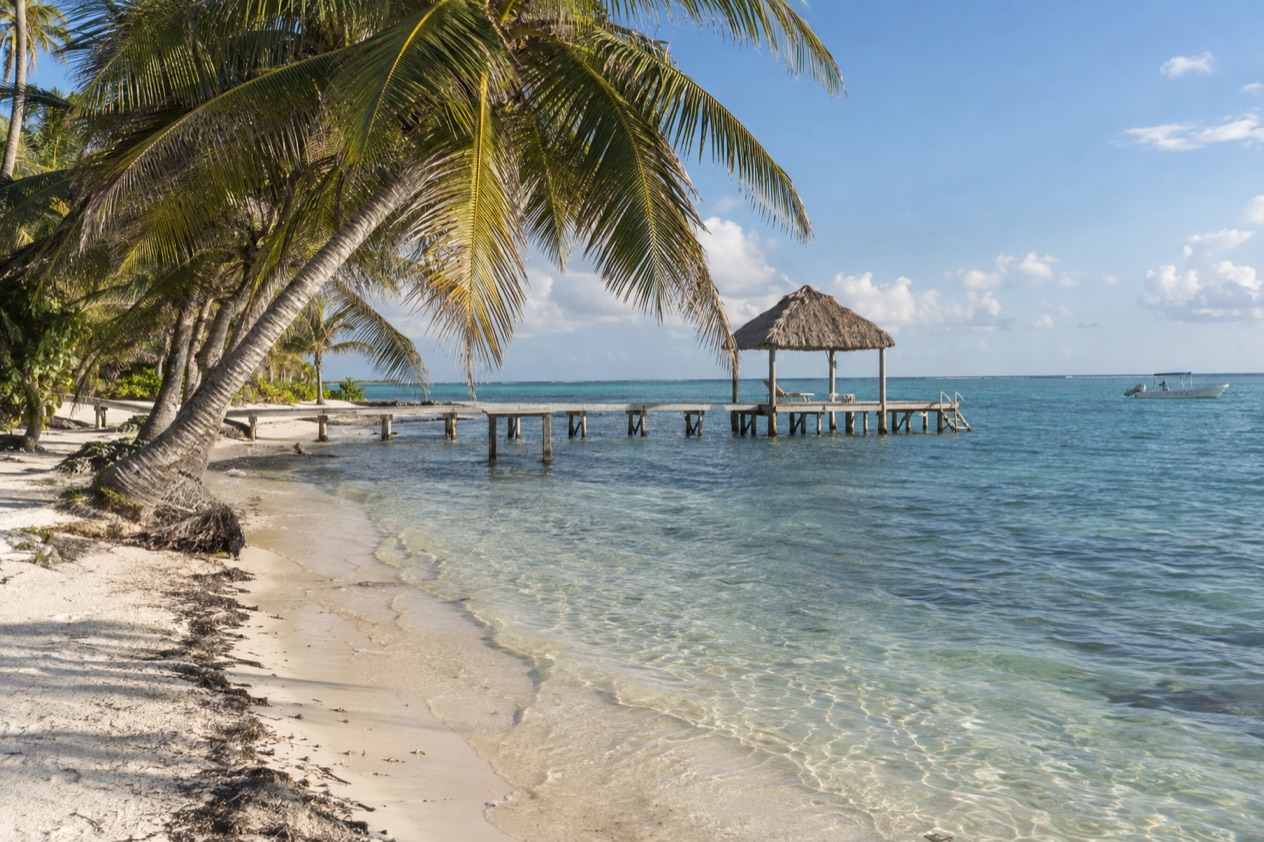
What is South Ambergris Caye like?
South Ambergris Caye is the town end of the island: San Pedro and the beach strips and resorts that spread out from it along the southern shore. The island itself is the largest of the several hundred cayes in the northernmost waters of Belize, and its main attractions are the Belize Barrier Reef and its beaches. San Pedro has grown into one of the most popular tourist destinations in the country, yet it still feels like a small Caribbean town where people greet each other from their golf carts.
The story of the place is a story of fishing, and later of the reef. San Pedro was granted township status on November 27, 1984, and Gilberto Chico Gomez became its first mayor.
The names on shop signs, the boats pulled up along the shore and the fishing traditions you still see on the docks come from that earlier life. Today the same boats carry snorkelers and divers out to the protected areas around the island.
The island is long and narrow, about 25 miles from north to south, and made up of mangroves, sand and lagoons. At the southern end you are in the busiest, most lived-in stretch, where beach bars, dive shops, small grocery stores and guesthouses sit side by side.
Divers, snorkelers, couples, families on a beach vacation and anyone who likes to arrange the day around a boat and a good lunch tend to love it here. People who want to wander between sights on foot, with a short list of things to see and a lot of time to sit, will find the pace suits them too.
Things to do in South Ambergris Caye
Most days here start at the water. The reef is the reason the town exists as a destination, and the sights on land are small, local and easy to fit around a boat trip or a long afternoon on the sand.
Hol Chan Marine Reserve
Hol Chan Marine Reserve lies 4 miles south of San Pedro, and it is one of the protected areas that put the town on the map. Divers and snorkelers visit it by boat from the island, and the reef beneath is the point of the whole outing: coral heads, schools of small fish moving together, and, with luck, turtles or rays gliding past.
You reach the reserve with a boat, so the day is built around the departure from the dock rather than around the road. The reef is part of the Belize Barrier Reef, the second largest in the world after Australia’s Great Barrier Reef, which gives the dive and snorkel stop a real sense of scale even when you only see a small corner of it. Bring a camera that can handle water and plan the rest of the day around a slow lunch back in town.
Shark Ray Alley
Shark Ray Alley is another of the protected areas of San Pedro, and it is the stop most people associate with the island’s sea life. The name tells the story: nurse sharks and stingrays gather in the shallow water here, and you may see them moving around the boats and the people in the water. Sightings are never a promise, but the animals are the draw.
Boat trips often pair it with Hol Chan, so the two names come up together at the dock when you are choosing a tour. Think of it as an encounter with the reef’s residents, not a scenic dive, and keep your expectations to what you actually see in the water on the day.
Ambergris Museum and the streets of San Pedro Town
The Ambergris Museum stands in San Pedro Town, and it is the place to learn how a fishing village became a resort town. Exhibits on the island’s past, from its early settlement to the fishing years, give context to everything else you see on the waterfront. It makes a good rainy-day stop or a cultural pause between beach days.
From there, the best sightseeing is simply the street itself: painted wooden houses, small chapels, shops selling hot sauce and carved wood, and the piers reaching into the sea. Early evening, when the light turns gold and the boats come back in, is a lovely time to watch the town go about its business. The cemetery area and Barrier Reef Drive come up in the story of the town’s carnival, which gives these streets a second life each year.
San Pedro Day and the Carnaval
San Pedro Day is celebrated every year on June 27 in San Pedro Town, in honor of the town’s patron saint and of its fishing heritage. The feast is a local one, with the town’s own rhythms, food and gatherings, and if your trip falls around it, it is a chance to see the community as it celebrates itself.
El Gran Carnaval de San Pedro has its own rules that say something about the spirit of the event. On the first day, the streets from Ruby’s Hotel beachfront to the cemetery area and Barrier Reef Drive belong to children until 7 pm.
Children are not allowed to paint people who are not taking part, nor public signs, buildings or the Comparsa participants. It is a small detail that shows how much the town treats the event as a family celebration.
Beyond the southern shore
Bacalar Chico is another of the protected areas of San Pedro, and it is a reminder that the island holds more than the town and its reef. It lies away from the southern shore, so treat it as a separate outing from the town rather than a stop on the way. Between the reef, the museum and the festivals, the southern end gives you enough for many days without leaving the island.
Eating and drinking in South Ambergris Caye
Eating here means seafood, rice and beans, and the Belizean breakfasts that start the day in small open-air kitchens. The island sits in the middle of the reef and the lagoon, so fish, conch and lobster are the natural center of the menu, with Creole, Garifuna and Maya traditions in the background.
Start with breakfast. Fry jacks, the puffy fried dough that comes with beans, eggs and cheese, are a Belizean classic, and johnny cakes, a kind of biscuit, show up beside stew beans and coffee. Small family-run spots near the waterfront often serve these early, and a plate with a cup of local coffee is a good way to begin before a boat trip.
At lunch, look for ceviche made with fish or conch, conch fritters, grilled snapper and the stew chicken with rice and beans that is a Belizean Sunday staple. When lobster is in season, grilled or in a coconut sauce, it appears on menus across town.
Salbutes and garnaches, small fried tortillas topped with chicken or beans, are snacks you will find at casual stands and counters. Fresh fruit juices and a cold Belikin beer fit a hot afternoon.
Evenings run from simple beachfront grills with plastic chairs to resort dining rooms on the sand. Rum punch is the usual drink at a beach bar at sunset, and many places have a deck over the water where you can watch the boats come in.
Resorts on the island often have their own restaurants and bars, so you can also eat where you sleep.
A good approach is to eat at a mix of places: a local breakfast counter, a casual lunch spot near the dock, and one evening meal facing the water. Ask what came in from the boats that day, and let that decide the order.
Staying in South Ambergris Caye
South Ambergris Caye suits travelers who want to be near the town, the docks and the reef boats. Lodging here ranges from small guesthouses and condos in town to beachfront resorts that spread along the southern shore. One resort sits about two miles south of San Pedro Town, which shows how quickly the town gives way to a stretch of coast of beach properties.
Staying in town puts the shops, restaurants, bars and the piers on your doorstep. You step out and the dive shops, the golf cart traffic and the evening crowd are right there, which suits people who like to be in the middle of things. The nights have the sounds of a living town, with music from beach bars and the comings and goings of the waterfront.
Further along the southern shore, the properties are resorts and beach houses where the day is organized around the property itself: a pool, a beachfront bar, a dock for the reef boats.
The north road of San Pedro Town runs for over 10 miles, and it has seen resort and beach house development grow, with better access than only watercraft.
Up there you find adults-only resorts with thatched-roof casitas and villas, some with private terraces and plunge pools, and the feel is one of resort living away from the town center. For a first visit built around the reef, the town and its southern shore keep you close to the boats and the food.
Getting to South Ambergris Caye
You reach Ambergris Caye by air or by sea. The island lies around 35 miles offshore from Belize City, and a small airstrip receives flights from Tropic Air and Maya Island Air. A flight from Belize City takes about 20 minutes, in small planes of the Cessna Caravan type that carry 14 passengers, and the view of the reef and the green water on the way is part of the arrival.
Astrum Helicopters also serves the local airstrip and various resorts, so some guests arrive by helicopter. By sea, numerous fast ferries run from Belize City, and there is a ferry link from Chetumal in Mexico as well.
Once you are on the island, the main form of powered transportation is the golf cart, because of the caye’s small size. You will see them everywhere, parked outside restaurants, lined up at docks and crossing the town’s sandy streets. Boats take over for the reef, the marine reserves and other parts of the island. Hol Chan Marine Reserve, 4 miles south of San Pedro, is reached by water.
The north road of San Pedro Town gives access to the northern resorts and beach houses without relying only on watercraft, so the island is not limited to the town and its piers. For the southern end, the combination of town streets, golf carts and boats covers what you need for a stay.
Good to know before you go
The U.S. State Department rates Belize Level 2, “Exercise increased caution”, because of crime, and says the south side of Belize City has historically had the highest concentration of violent crime.
The Atlantic hurricane season runs from June 1 to November 30, and that is the stretch of the calendar to keep in mind when you plan a stay on a low-lying island. Pack reef-safe habits as well: the reef is the island’s main attraction, and the protected areas around San Pedro exist to keep it that way.
Sources
- Wikipedia, Ambergris Caye (https://en.wikipedia.org/wiki/Ambergris_Caye), checked October 11, 2026
- Wikivoyage, Ambergris Caye (https://en.wikivoyage.org/wiki/Ambergris_Caye), checked October 11, 2026
- Wikipedia, San Pedro Town (https://en.wikipedia.org/wiki/San_Pedro_Town), checked October 11, 2026
- Victoria House Resort and Spa, location (https://www.victoria-house.com/victoria-house/location/), checked October 11, 2026
- Matachica Resort and Spa, home (https://www.matachica.com/), checked October 11, 2026
- U.S. Department of State, Belize Travel Advisory, Level 2, March 11, 2026 (https://travel.state.gov/), checked October 11, 2026
- NOAA National Hurricane Center, Climatology (https://www.nhc.noaa.gov/climo/), checked October 11, 2026