
Late in the afternoon at West End, boats ease in off the water with their outriggers up and their decks wet, and people on the docks lean over the rails to see what came in. The westernmost town on Grand Bahama is quiet, spread out and tied to the sea in every way that matters. It suits anglers, boaters and anyone who likes a place with a long story and very little hurry.
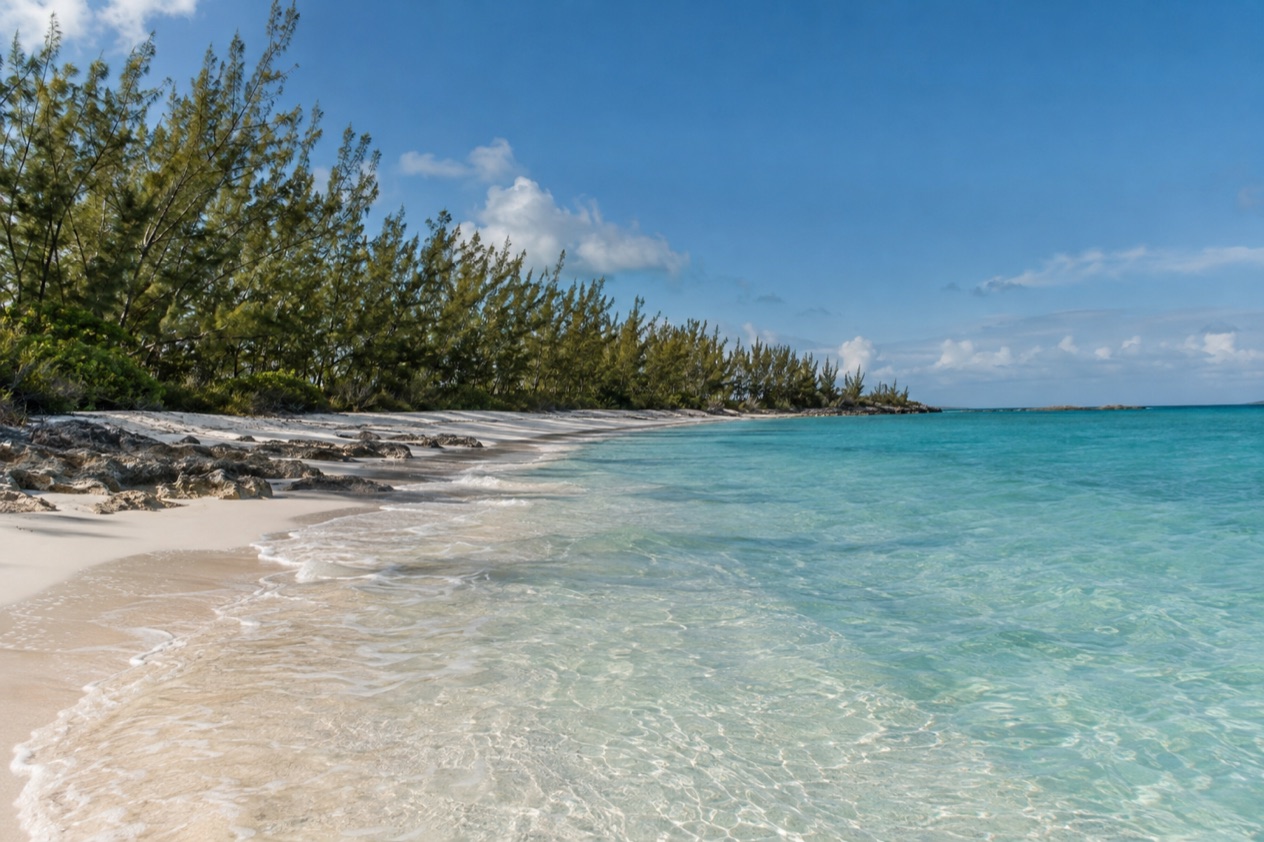
What is West End like?
West End is a small, slow fishing and boating settlement at the western tip of Grand Bahama, and it feels far from the resort strips of Lucaya. Its position explains most of its character. It sits closer to the Florida coast than any other part of the island, which is why, for most boaters entering Bahamian waters from the United States, it is the first port of call.
The town carries the memory of busier days. The Jack Tar resort once stood here, with hundreds of rooms, three nine-hole golf courses, a long row of tennis courts and a salt water pool that was the largest in the Bahamas. It closed in the early 1990s, and the old grounds give the waterfront a faded, half-remembered air that many visitors find part of the charm.
Who loves it? Fishermen above all, since the water around West End is a destination for bonefishing, spearfishing and offshore trolling. Boaters who want to step ashore after a crossing come too, along with travelers who prefer a quiet settlement to a resort and are content to spend the day watching the water. If you want nightlife and big hotels, you will look east toward Port Lucaya.
Things to do in West End
Bonefishing on the northern flats
The north side of Grand Bahama, where West End sits, belongs to the Bahama Banks, and the water there is very shallow. That is exactly what bonefish want, and the flats have made the area a popular bonefishing destination. The fishing is quiet and visual: you scan the pale bottom, wait for a shadow, and make a careful cast.
It suits patient people who like standing still in bright light. Early and late hours are when the flats feel calmest to look at, and the shallow banks give the whole outing a spare, open feel that is very different from the deep-sea side of fishing here.
Offshore sportfishing
Out beyond the banks, the target changes. Sport fishermen leaving West End are drawn to blue marlin and white marlin, sailfish, wahoo, yellow-fin and blue-fin tuna, and dolphin (mahi-mahi). It is the kind of list that explains why the docks are lively at the end of the day, when the catch is compared and the stories begin.
Even if you do not fish, walking the docks as boats return is one of the easiest pleasures in town. You see the fish laid out, hear the talk, and get a real sense of what the town lives on.
Memory Rock and the spearfishing waters
Northwest of West End, Memory Rock is a large rock sticking out of the water, surrounded by shallows of around 7 to 8 feet. It is known for spearfishing and for yellowtail snapper fishing, and it gives a clear landmark in an otherwise flat horizon.
This is a boat outing, and it fits people who already love fishing and diving. The rock is a place to see the water itself, pale and clear over the banks, rather than a sight to tick off.
The old Jack Tar grounds
The remains of the Jack Tar resort are the town’s best-known piece of history. In its day it held 356 rooms, a marina with a hundred slips and a salt water pool of half a million gallons. Today you look at what is left and imagine the crowds that once arrived.
A slow stroll along the waterfront at golden hour is the right way to take it in, with the sea on one side and the weathered shapes of a former resort on the other. It is a good counterpoint to the working docks nearby. Within reach of the island, Lucayan National Park shows all six of Grand Bahama’s ecosystems in one place, and Port Lucaya has live music most evenings at Count Basie Square.
Eating and drinking in West End
The best meal in West End comes from the water, and the town’s eating follows that. Fish that came off the boats that day is the natural order: yellowtail snapper, mahi-mahi, wahoo and tuna all swim in the waters just offshore, so expect them grilled, fried or served in a Bahamian style with peas and rice on the side.
Conch is the other national habit, eaten as fritters, cracked and fried, or in a lime-sharp salad. Eat it where the sea is visible and a cold local beer is within reach, and the meal makes sense in a way it does not in a hotel dining room.
Dining here is casual and waterside. Think simple spots near the docks where the talk is about the day’s fishing and the table is a few steps from the boats. The pace is unhurried, and an afternoon lunch easily drifts into the evening.
For a livelier night you look farther along the island. Live music is played at Count Basie Square in Port Lucaya most evenings, at Bikini Bottom Bar in Williamstown on Thursdays and Saturdays, and at Tony Macaroni’s Conch Experience on Taino Beach on Wednesdays and alternate Sundays. West End itself stays quiet once the sun goes down.
Staying in West End
West End suits travelers who want a quiet base by the water, mostly anglers and boaters, and it works poorly for anyone who wants resort amenities within a short stroll. The big hotels and beaches are in Lucaya, which is the island’s tourist destination, while Freeport is the main city, with the commercial harbor and the main airport.
Nights in West End are calm. There is no strip of bars to keep you awake, just the sound of water against the docks and the occasional boat coming in late. That is a draw if you are here to fish at first light, and a drawback if you hope for company after dinner.
The lodging you find leans small and practical, in keeping with a fishing settlement, and the old Jack Tar days are over. Many visitors who stay here arrive on their own boats, treating the marina as home and the town as a place to walk to for a meal.
Compared with Lucaya, you give up beaches with hotels and evening entertainment. In return you get quiet, wide skies and direct access to the northern flats and the offshore grounds. Travelers who want both can base here for the fishing and drive east for a night out.
Getting to West End
The most natural way to reach West End is by boat. The town lies just 55 nautical miles from the Florida coast, and for most boaters entering Bahamian waters from the United States it is the first port of call. West End is also described as 56 nautical miles east of Palm Beach, so the crossing from there points you straight at it.
By air, West End Airport serves mostly private aircraft, so it is a gateway for pilots rather than for travelers on commercial flights. Most visitors without their own plane arrive at the main airport in Freeport, the island’s main city, and continue westward from there.
If you rent a vehicle on Grand Bahama, remember that roads are driven on the left and that locals drive aggressively, so caution is advised for car, motorcycle and buggy rentals. Taking it slowly is the right pace for this end of the island anyway.
Good to know before you go
The U.S. State Department rates the Bahamas Level 2, “Exercise increased caution”, and says most crime occurs in Nassau on New Providence and in Freeport on Grand Bahama.
Grand Bahama has a hot, rainy season from May through October and a warm, dry season from November through April. The Atlantic hurricane season runs from June 1 to November 30, with the highest risk in August, September and October, and Hurricane Dorian struck Grand Bahama in early September 2019, damaging or destroying nearly half of the island’s homes. Travelers in these months should keep an eye on forecasts before and during a stay.
Sources
- Wikipedia, West End, Grand Bahama (https://en.wikipedia.org/wiki/West_End,_Bahamas), checked October 10, 2026
- Wikipedia, Grand Bahama (https://en.wikipedia.org/wiki/Grand_Bahama), checked October 10, 2026
- Wikivoyage, Grand Bahama travel guide (https://en.wikivoyage.org/wiki/Grand_Bahama), checked October 10, 2026
- U.S. Department of State, The Bahamas Travel Advisory, Level 2 (https://travel.state.gov/), checked October 10, 2026
- NOAA National Hurricane Center, Climatology (https://www.nhc.noaa.gov/climo/), checked October 10, 2026
To plan your stay
- Best Time to Visit the Bahamas: Weather, Hurricane Season, Sea Temperatures and Junkanoo
- Where to Stay in the Bahamas: Best Islands, Resorts, Boutique Stays and How to Choose
- Getting Around the Bahamas: Flights, Ferries, Mailboats and Taxis in Nassau
- Know Before You Go to the Bahamas: Entry Rules, Money, Getting Around and Local Customs