
In November, the first parrandas start to wander through Puerto Rican neighborhoods after dark, neighbors turning up at a door with guitars, cuatros and maracas to sing until someone brings out food. In Old San Juan the blue cobblestones glow under early holiday lights, and in the mountains the coffee harvest is getting under way. It is a warm, green, unhurried month on the island, with the sea still like bathwater and the Christmas season just beginning.
What is the weather like in Puerto Rico in November?
November is hot and humid everywhere, with the wetter north and east getting frequent showers and the south and west noticeably drier. The sea stays warm all around the island, so water temperature is never the reason to stay out of it.
| Place | Region | Average high (°F) | Average low (°F) | Rain (in) | Rain days | Sea (°F) |
|---|---|---|---|---|---|---|
| San Juan | North coast | 86.1 | 74.9 | 7.37 | 12.4 | 84.8 |
| Fajardo | Northeast | 86.2 | 74.5 | 6.07 | 10.9 | 84.1 |
| Culebra | Eastern islands | 81.1 | 78.4 | 5.02 | 10.6 | 84.4 |
| Ponce | South coast | 82.9 | 73.5 | 3.14 | 7.8 | 84.7 |
| Rincon | West coast | 83.3 | 76.3 | 2.25 | 5.7 | 85.0 |
The contrast that matters is rain. San Juan, with its readings taken at the airport on the north coast just east of Old San Juan, gets the most, with more than a third of the days bringing a shower. If you head a few miles south of Fajardo, the northeast feels much the same in November: a wet-leaning month, with showers that usually pass but can settle in for a gray afternoon.
Head south or west and the picture changes. Ponce sees about 3.14 inches and Rincon only 2.25, with far fewer rainy days, so beach plans hold up better there.
Culebra sits in between, with a mild daytime high of 81.1°F and warm nights, and the central mountains, though not in the table, are cooler and cloudier than any of these coastal spots. Nights are warm on every coast, so you will sleep with a fan or air conditioning.
Where to go in Puerto Rico in November
The west coast: Rincon and Aguadilla
If sunshine is the priority, the west is the safest bet this month. Rincon has the fewest rainy days of our reference places and the warmest sea, and the beaches around Aguadilla stretch out below the cliffs with plenty of room to spread a towel. Aguadilla also has a commercial airport, which makes the northwest an easy base.
November is the shoulder between the quiet summer sea and the winter swells that make Rincon the island’s surf town. Late in the month, surf may begin rising along beaches that face the Atlantic, and from one day to the next and one beach to the next the situation shifts, so where flags, signs and lifeguards are present, pay attention and do what they say. Sunsets over the water are the evening ritual, best with a cold drink and a plate of fried snacks.
The south: Ponce
Ponce is drier and hotter than the north, which suits a month when San Juan is damp. The pastel-colored historic center, the red-and-black striped fire station on the main plaza and the museums around it are good morning walks before the heat builds. In the afternoon, you can slow down over lunch in a local spot.
The south is also where the Caribbean-side coast offers a different feel from the surf-driven north and west. La Parguera, which sits in Lajas along the southwest coast close by, ranks among the island’s three bays that glow with bioluminescence. Before you book a night there, check the moon phase, because the glow shows up all year and is strongest on nights with no moonlight, so it is a possibility rather than a sure thing.
The northeast and the islands: Fajardo, Culebra and Vieques
The northeast is the island’s greenest corner, with El Yunque rainforest above and the port town of Fajardo below. Showers come often, and that is exactly what keeps the rainforest lush, so bring a light rain layer and enjoy the waterfalls and cool, misty trails. Laguna Grande near Fajardo is another of the bioluminescent bays.
From Ceiba, not Fajardo, you catch the public ferries that serve Culebra and Vieques. Culebra has a mild feel this month, warm nights and a sea that holds around 84°F, which is ideal for snorkeling when conditions allow. Vieques adds Mosquito Bay, the third glowing bay. Expect a few passing showers on the islands, with sun in between.
San Juan and the central mountains
San Juan is the main gateway and the place where the Christmas mood shows first, with lights in Old San Juan and plazas filling in the evening. Rain here tends to come as a heavy shower followed by sun, so museums, forts and long lunches fit the gaps. Pack patience for humid afternoons.
In the central mountains, the air is cooler and the coffee towns are quiet. A good day away from the coast can come from driving through the hills to a roadside café for local coffee and a pastry, though up high, cloud and showers are more likely.
What to do in Puerto Rico in November
The big event of the month is the slow arrival of Christmas. From late November all the way to mid-January, Puerto Rico stretches out its Christmas season, and the street festival on Calle San Sebastian in Old San Juan brings it to a close. November is the gentle start, before the full holiday rush.
Parrandas, lights and holiday food
A parranda is the island’s version of caroling, only louder and more spontaneous. Friends gather, show up at a house unannounced and play until the hosts open the door and feed everyone. You are more likely to catch one as the month progresses, in towns and neighborhoods rather than in the tourist zones, and local events in plazas often feature live music.
Come late November, across Puerto Rico, holiday tables groan under pasteles (meat and plantain parcels steamed in leaves), lechon asado (pork roasted slowly), tostones and tembleque, a pudding made from coconut. Rum-spiked drinks and coffee from the central mountains round out the menu, and many restaurants start serving seasonal plates by the end of the month.
Beaches, bays and rainforest
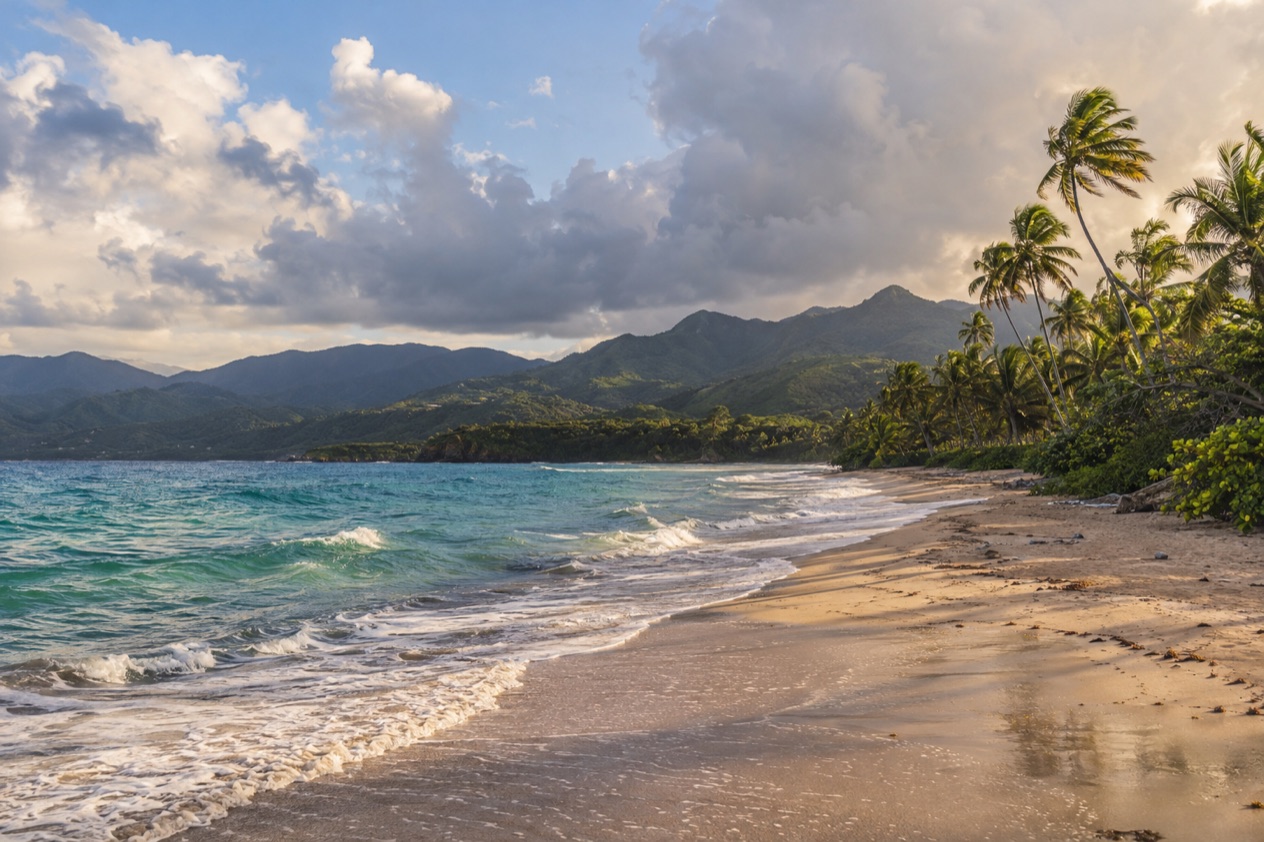
With the sea around 84 to 85°F, snorkeling and swimming remain excellent, particularly on the west and south coasts, where there is less rain. Water conditions change, so check the local flags where they are posted. Spend a morning on the beach, then enjoy alcapurrias (taro and plantain fritters) or a piragua, fruit syrup over shaved ice, from a cart by the road.
At night, the bioluminescent bays offer one of the island’s most memorable outings. Those three are Mosquito Bay on Vieques, Laguna Grande near Fajardo and La Parguera in Lajas, and with no moon at all, every one of them shines brighter than it does in any other month. Cloud can dim the experience, so treat it as a chance. In the daytime, El Yunque is the obvious rainforest outing, and a damp November morning fits its mood.
Is Puerto Rico busy in November?
Not especially: November is one of the calmer months, falling between the summer vacation crowds and the winter high season. Beaches and old towns feel relaxed, and you can usually find a seat at a popular restaurant without a long wait.
The main bump comes around Thanksgiving, when mainland families take a long weekend and flights and hotels in San Juan and the beach areas see more demand. Outside that stretch, visitors tend to be couples, birders, surfers arriving early for the swells and mainland travelers who want warm weather before the holidays. Locals are also busy in the run-up to Christmas, and shopping areas and plazas pick up as the month goes on.
Old San Juan is the busiest place when cruise ships dock, so mornings and evenings are quieter for wandering the blue cobbled streets. The west coast, the south and the islands of Culebra and Vieques stay mellow, and the central mountains are quieter still. Weekends bring day-trippers from San Juan to the beaches and the rainforest, so weekdays feel emptier.
What to pack for Puerto Rico in November
Pack for heat and humidity everywhere, with a rain layer added if your trip centers on San Juan, El Yunque or the northeast, and a light sweater for the mountains or air-conditioned restaurants. On the dry south and west coasts, you can lean toward beachwear and sun protection.
- Light, breathable clothes that dry fast, since humidity makes everything feel damp.
- A compact rain jacket or umbrella for showers in San Juan, the northeast and the mountains.
- Sunscreen, a hat and sunglasses for the beach and the strong afternoon sun.
- For wet trails and rocky coves, bring sturdy sandals or water shoes.
- A light sweater for cooler mountain evenings and chilly air conditioning.
- A small dry bag for the phone and camera on ferries and boat trips.
Good to know before you go
November marks the close of the Atlantic hurricane season, which runs through November 30, so while you plan, stay in touch with the National Hurricane Center and with alerts from local officials, especially for ferries and flights. The peak of the season has passed, but forecasts can change quickly.
Come November, sargassum seaweed becomes less of a concern, though in some springs and summers it can still appear on the east and south coasts. U.S. citizens traveling from the mainland to Puerto Rico need no passport and no visa, and there the currency is the U.S. dollar.
Is November a good time to visit Puerto Rico?
Yes, particularly if you aim for the west and south coasts, where rain is lighter and the beaches are the draw. The northeast and San Juan are still very enjoyable, but they come with more showers, so plan indoor options and keep a flexible schedule.
Compared with October, November is slightly less deep into the heart of the storm season, as the official hurricane season winds down by the end of the month. The rains are a little less persistent, and the mood lifts as the holiday season approaches. Compared with December, November is calmer and less crowded, with fewer holiday visitors and more room on the beaches, though the full Christmas atmosphere has not yet taken over and the drier season is still arriving.
The sea is still bathwater-warm, the beaches have space, and the island starts to hum with music. What makes November special is the quiet build-up: a parranda spilling out of a doorway after dark, the first lights in Old San Juan, and a coffee harvest in the hills.
Sources
- NOAA NCEI, monthly normals 1991-2020, station RQW00011641 (San Juan L M Marin International Airport), checked October 8, 2026
- Open-Meteo Marine API, average 2015-2024, checked October 8, 2026
- Open-Meteo / ECMWF ERA5, normals 1991-2020 computed for the grid cell at 18.0111N 66.6141W, checked October 8, 2026
- Open-Meteo / ECMWF ERA5, normals 1991-2020 computed for the grid cell at 18.3403N 67.2499W, checked October 8, 2026
- NOAA NCEI, monthly normals 1991-2020, station RQW00011630 (Roosevelt Roads (Ceiba)), checked October 8, 2026
- Open-Meteo / ECMWF ERA5, normals 1991-2020 computed for the grid cell at 18.3N 65.28W, checked October 8, 2026
- NOAA National Hurricane Center, Climatology (https://www.nhc.noaa.gov/climo/), checked October 8, 2026
To plan your stay
- Things to Do in Puerto Rico: Old San Juan, Beaches, Bioluminescent Bays and Island Food
- Where to Stay in Puerto Rico: San Juan, Rincon, Vieques and the Best Areas for Your Trip
- Getting Around Puerto Rico: Rental Cars, Tolls, Carros Publicos and Ferries to Culebra and Vieques
- Know Before You Go to Puerto Rico: ID, Money, Getting Around and Local Customs