
Evening in Puerto Vallarta begins on the Malecón, where bronze sculptures face the bay, street performers gather near the seafront and families stroll past as the sky turns orange over the water. Behind the boardwalk, cobblestone streets climb toward red-tiled roofs and the church crown that watches over downtown. This is a Pacific beach town with a real Mexican center, suited to couples, families and anyone who likes to mix sand, good food and a bit of jungle.
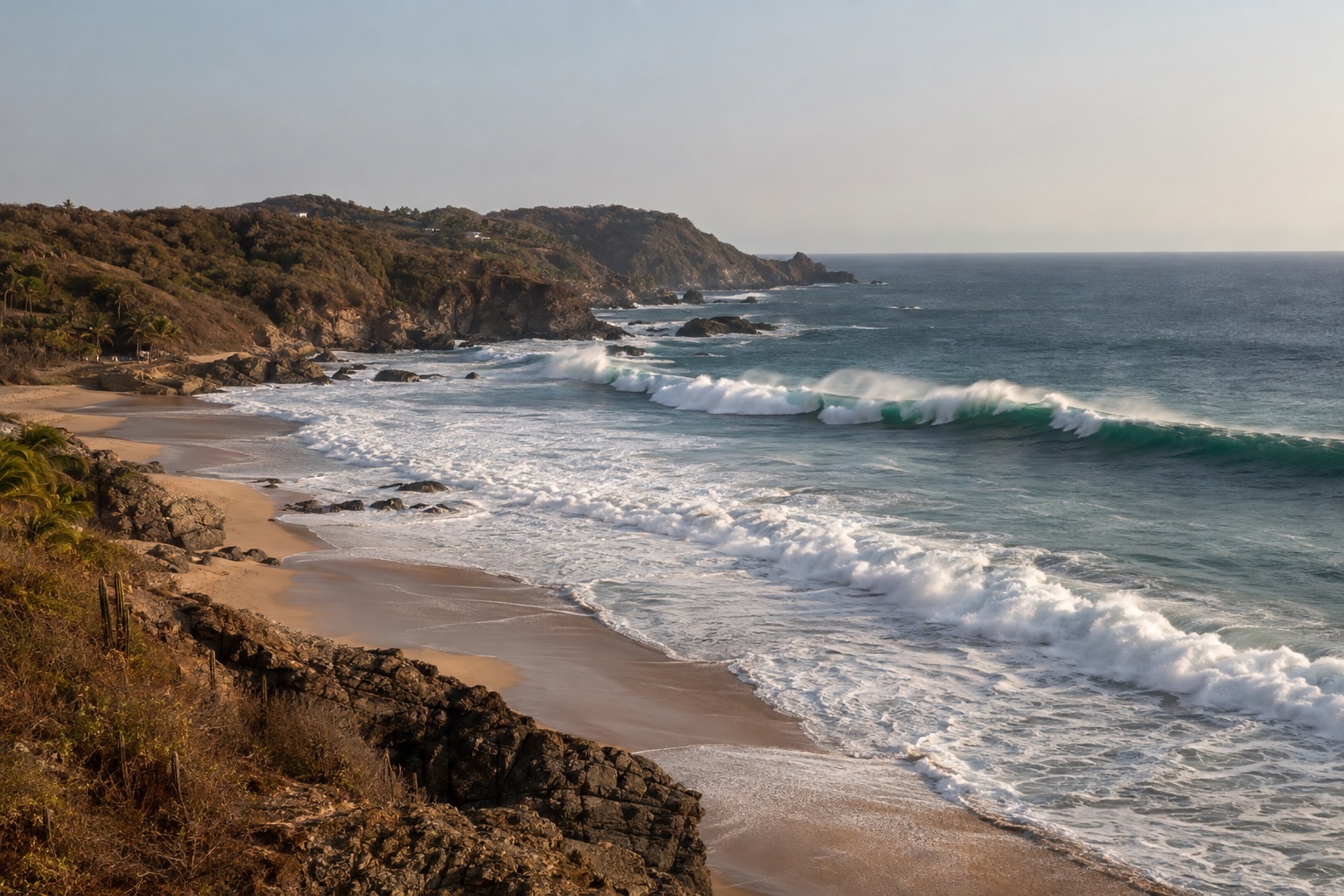
What are the best things to do in Puerto Vallarta?
The best things to do here are walking the Malecón, swimming and eating in the Zona Romántica, getting out on the bay by boat, and heading into the mountains or to the islands for a day.
- Stroll the Malecón at sunset, when the sculptures, musicians and crowds are at their liveliest.
- Spend an afternoon on Playa Los Muertos, with its pier and beach restaurants.
- Snorkel or dive at Los Arcos, the protected granite islets south of town.
- Take a boat to Yelapa, a village with no road in.
- Visit Islas Marietas and swim into the hidden beach.
- Drive up to San Sebastián del Oeste, an old silver town in the mountains.
- Go whale watching on the bay from December through March.
- Eat tacos, seafood and sweets in Centro and the Zona Romántica.
Sights and landmarks in Puerto Vallarta
The Malecón and Centro
The Malecón is the town’s living room. It runs along the waterfront through downtown and into the Zona Romántica, lined with bronze sculptures donated by Mexican and international artists. Some are playful, some surreal, and people end up photographing them as much as the sea.
Centro, north of the Cuale River, has a more local Mexican feel than the resort strips, with colonial buildings, small plazas and shops selling crafts and sweets. Its waterfront is the promenade rather than a wide sandy beach. Walking is the way to get around, and the Zona Romántica is a short stroll or bus ride south.
Go late in the afternoon, when the heat eases and the light turns golden. If you sleep in Centro, choose a room a few blocks inland from the Malecón to stay clear of bar and traffic noise.
The Zona Romántica
South of the Cuale River, the Zona Romántica is a tangle of cobblestone streets with a lively atmosphere, galleries, rooftop bars and small restaurants. It is the part of town people tend to fall for, and it suits couples, LGBTQ+ travelers and anyone who likes walkable dining and nightlife.
Playa Los Muertos is its main beach, with a public pier within walking distance of downtown hotels. The pier is a pleasant place to watch the sun go down, with the bay and the mountains behind the town.
Many small restaurants and shops here do not take cards, so carry cash. Mornings are quietest, evenings busiest.
Marina Vallarta and the Hotel Zone
North of downtown, the Hotel Zone is a strip of high-rise beachfront resorts along the coastal highway, with more resort feel than local character. Marina Vallarta is calmer and more suburban, built around a yacht harbor and a golf course, with a boardwalk where you can walk to the marina and some restaurants.
Both suit families and travelers who prefer pools and convenience over town life. To reach downtown you need a taxi or bus, so those who plan to go out often should budget for rides.
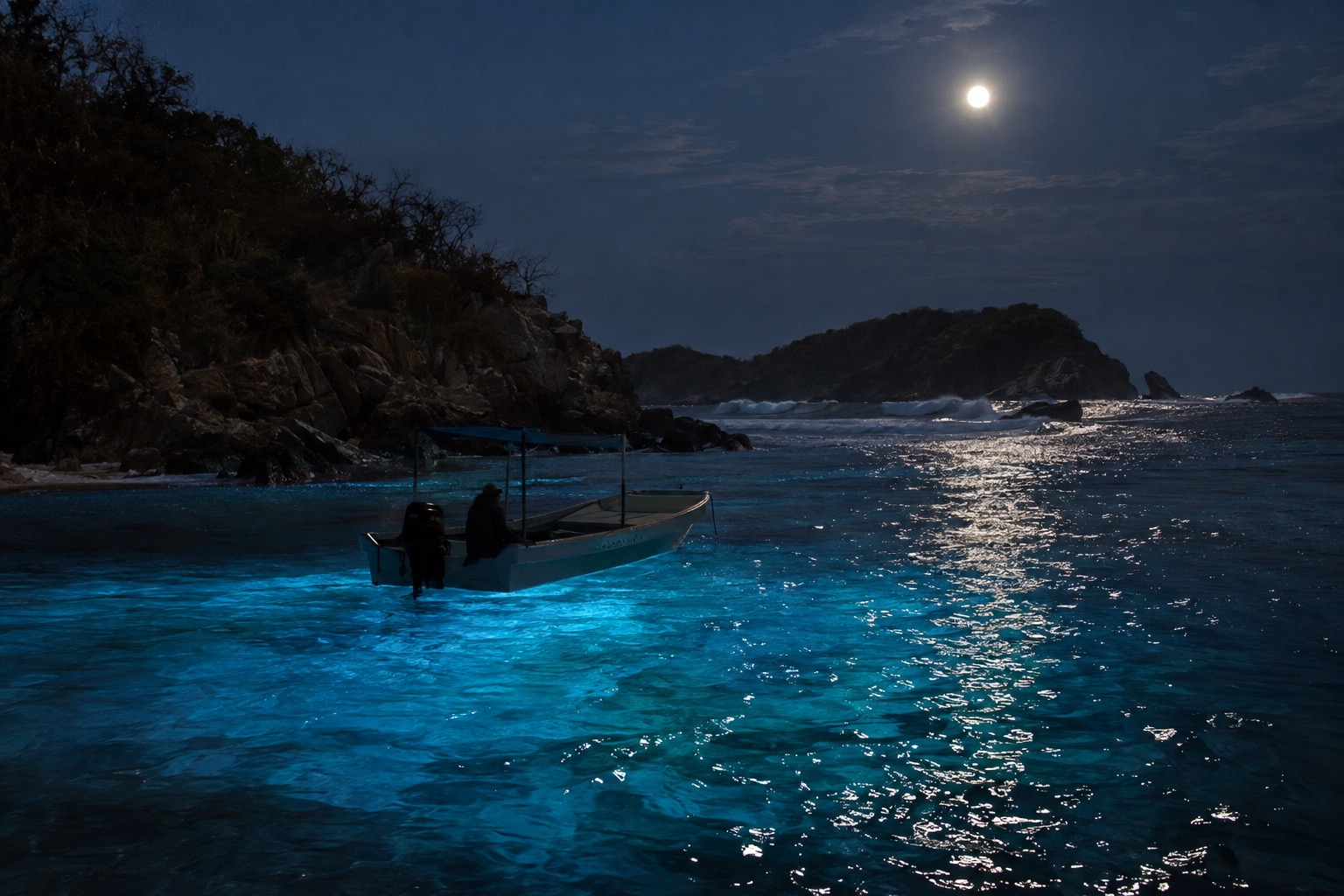
Beaches and outdoor things to do in Puerto Vallarta
Playa Los Muertos and the bay beaches
Playa Los Muertos is where most visitors spend their beach days. The sea is generally calm enough for swimming but can bring occasional waves depending on the season, so glance at the flags. Vendors, loungers and beach bars line the sand, and the mood is sociable.
The beach at Marina Vallarta faces the bay and is generally calm and swimmable, which makes it popular with families. In the Hotel Zone, waves and currents can be stronger than in the south of the bay, so swim with caution and check the beach flag system first.
Conchas Chinas and Los Arcos
South of the Zona Romántica, Conchas Chinas is a hillside residential area of rocky coves and small sandy pockets. The water is often clearer than at the downtown beaches, but the rocky shore calls for water shoes and care. It is quiet and scenic, better for couples than for a lively beach scene.
Just offshore, Los Arcos is a cluster of granite islets and a federally protected marine park, closed to fishing and anchoring. It is a well-known stop for snorkeling and diving, and boats from town and nearby beaches take you out to see the arches and the fish around them.
Because the streets above Conchas Chinas are steep and winding, most visitors take taxis or drive. Without a car, confirm the taxi cost to town before booking a stay there.
Islas Marietas and Playa del Amor
The Marietas are a national park of small islands out in the bay’s mouth, known for the hidden beach of Playa del Amor, tucked inside an opening in the rock. Boats cannot pull in directly, so visitors swim or paddle through a short tunnel from the open water. Birds, rocks and clear water make the trip memorable.
Access is regulated. The site is open Wednesday through Sunday, and visitors enter in guided groups under a daily cap. Because of that, going with a tour operator is how most people do it.
| Site | Open | Admission |
|---|---|---|
| Playa del Amor, Islas Marietas | Wednesday to Sunday, 8:00 a.m. to 5:00 p.m. | 125 pesos |
Whale watching and boat trips
From December through March, humpback whales fill Bahía de Banderas, and whale-watching boats leave from Puerto Vallarta, Nuevo Vallarta and Punta Mita. Seeing a whale breach against the mountains is one of the great animal moments of Mexico’s Pacific coast. Outside those months, the bay is still a place for sunset cruises and snorkeling outings, and the water is the main attraction.
Day trips from Puerto Vallarta
Yelapa by boat
Yelapa sits at the south end of Bahía de Banderas and has no road connection to Puerto Vallarta, so you arrive only by boat, crossing the bay along a steep green coastline. The boat ride is part of the pleasure, with cliffs, coves and often pelicans along the way.
In the village you find a small beach, paths through palms and a river that leads inland toward a waterfall. Lunch is simple and fresh, usually fish grilled on the beach, and there are no cars to disturb it. Many visitors also like the pies sold by locals on the trails.
It suits travelers who like a slow, rustic day and don’t mind walking on uneven paths. Wear shoes you can get wet, and plan to stay through the afternoon so you are not rushed back to the boat.
San Sebastián del Oeste
This former silver-mining town in the Sierra Madre Occidental joined Mexico’s Pueblos Mágicos program in 2011. About 6,000 people live there, high in the Sierra Madre, and the drive from Puerto Vallarta or Nuevo Vallarta takes about 1 hour 30 minutes, climbing through pine and oak forest.
You come for the cobbled streets, whitewashed houses with tile roofs, the plaza and the old mining history. Coffee, local sweets and craft shops fill the afternoon, and the air is noticeably cooler than on the coast.
It suits travelers who want a break from the beach and enjoy small towns. Leave in the morning and plan lunch in town, since the pace there is unhurried.
Islas Marietas
Tours to the Marietas leave from Puerto Vallarta, Nuevo Vallarta and Punta Mita, and the boat ride across the bay is part of the day. You see the islands’ rock formations, seabirds and clear water, with time to snorkel or paddle.
It suits confident swimmers who like a more adventurous outing. Remember that Playa del Amor is open only Wednesday through Sunday, so plan the day around that.
What to eat in Puerto Vallarta
Eating here means seafood by the bay and tacos in the street. Fish tacos, shrimp in garlic, aguachile and ceviche tostadas are everywhere, and the best are often at small stands and family places rather than the grandest restaurants.
Centro is the place for local food: taquerías, corn on the cob, fresh juices and sweets from the market stalls. Pozole and birria turn up on Jalisco menus, along with tortas ahogadas, the region’s drowned sandwiches in spicy sauce.
To drink, try a cold agua fresca, a Jalisco-style tequila, or a raicilla, the local agave spirit of the mountains. Beach bars in the Zona Romántica make a good margarita to watch the sunset with.
Things to do in Puerto Vallarta at night
Nights here are for walking, eating and then lingering. The Malecón fills with families, performers and couples after sunset, and the Zona Romántica takes over with rooftop bars, live music and a very walkable nightlife that is especially welcoming to LGBTQ+ travelers.
For something quieter, have dinner by the water in Marina Vallarta or take a sunset cruise on the bay. In the Hotel Zone, most evenings revolve around the resort, with a taxi needed to reach town.
Things to do in Puerto Vallarta with kids
Children usually like boat trips most: a ride across the bay, a stop to snorkel and a beach lunch. Marina Vallarta’s calm beach and the resort pools in the Hotel Zone make easy days for little ones.
The Malecón is fun for kids too, with sculptures to climb around (look, don’t touch the more delicate ones), street performers and ice cream. Centro suits families who want to walk to sights and local food.
Keep the sun and heat in mind with young children, and bring hats and plenty of water. Check the beach flags before swimming, especially in the Hotel Zone, where waves and currents can be stronger.
Good to know before you go
The U.S. State Department’s Mexico travel advisory rates Jalisco at Level 3, ‘Reconsider travel’.
Walking works in Centro and the Zona Romántica, while taxis and local buses connect the other neighborhoods and the airport. Carry some cash for small restaurants and shops. The eastern Pacific hurricane season officially runs from mid-May to the end of November, which is worth keeping in mind when planning dates.
| Fee | Amount | Who pays |
|---|---|---|
| Jalisco lodging tax (Impuesto Sobre Hospedaje) | 5% | Guests staying in lodging in Jalisco |
Sources
- GAP, aeropuertosgap.com.mx, Puerto Vallarta, checked September 29, 2026
- GAP, press releases reported by T21 (« GAP inicia construccion de terminal 2… », August 30, 2022) and TradingView, read on September 29, 2026
- CONANP, Areas Naturales Protegidas, Islas Marietas fact sheet (descubreanp.conanp.gob.mx), checked September 29, 2026
- visitanayarit.com, « Islas Marietas: como llegar », checked September 29, 2026
- Secretaria de Turismo (SECTUR), gob.mx, « San Sebastian del Oeste, Jalisco », publiee le 2 octobre 2019, checked September 29, 2026
- Congreso del Estado de Jalisco, Ley de Ingresos del Estado de Jalisco para 2026, article 12; El Informador, « Avalan Ley de Ingresos de Jalisco para 2026 », December 15, 2025, read on September 29, 2026
- U.S. Department of State, Mexico Travel Advisory (travel.state.gov), updated August 11, 2026, checked September 29, 2026
- NOAA National Hurricane Center, official Eastern Pacific season (nhc.noaa.gov), checked October 5, 2026
To plan your stay
- Best Time to Visit Puerto Vallarta: Weather by Month, Crowds, Swimming and Festivals
- Where to Stay in Puerto Vallarta: Zona Romántica, Centro, Marina Vallarta and the Hotel Zone
- Puerto Vallarta Airport to City: Taxis, Buses and How Far Each Neighborhood Is
- Know Before You Go to Puerto Vallarta: Entry Costs, Money, Getting Around and Local Customs