
For Osaka, the answer is Kansai International Airport, the gateway to western Japan. Tokyo’s and Nagoya’s airports are alternative gateways for a wider Japan itinerary.
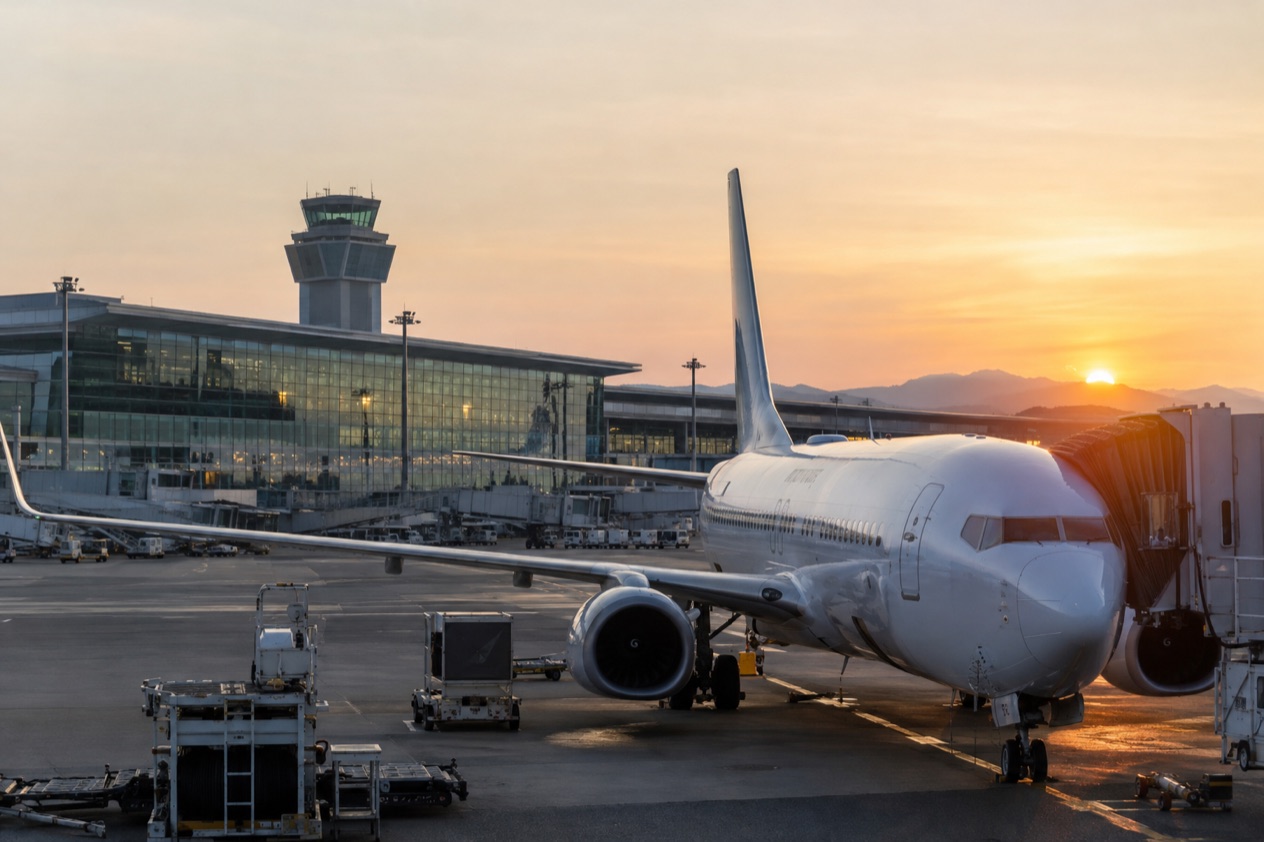
Which airlines fly from San Francisco to Osaka?
Which flights are documented from Kansai International Airport? Neither is a San Francisco flight on its own, and no carrier on the San Francisco to Osaka route is given here, so the way to read the airport is by what it connects to.
That still tells you something useful about how Kansai works. It is a departure point with its own international links, and it also has a domestic line to Tokyo. If you are building a trip around Osaka, Kyoto and Nara, you can start and finish at Kansai without ever touching the capital.
Hawaiian Airlines: Kansai to Honolulu
Hawaiian Airlines flies nonstop between Kansai and Honolulu. Hawaiian Airlines flies nonstop between Kansai and Honolulu.
A stopover changes the rhythm of a long trip. It is a way of splitting a long journey in two, and it suits people who dislike arriving home straight off a marathon flight.
StarFlyer: Kansai to Tokyo–Haneda
StarFlyer flies nonstop from Kansai to Tokyo–Haneda, which is the airport of Tokyo city itself. If your trip stretches from Osaka to the capital, this is the airline link between the two airports, and it means you do not have to plan the whole route around the ground.
Think of it as a way to shape a one-way trip. You can fly into Kansai, spend your first days in western Japan, then move to Tokyo and leave from there. Open-jaw itineraries like this save you from doubling back, and they let each half of the trip have its own mood: the food-obsessed, slightly rowdy streets of Osaka first, then the sprawl of Tokyo.
One practical way to compare flights is to look at where each airline lands you rather than where it starts. Kansai suits Osaka, Kyoto and Nara. Haneda drops you in the heart of Tokyo. That difference often decides a booking more than the airline does.
Where do you land?
For Osaka you land at Kansai International Airport, known as KIX, which makes it possible to visit Japan without going through Tokyo. It serves Kyoto, Osaka, Nara and Wakayama, so one arrival covers a good part of western Japan.
Kansai International Airport (KIX)
Kansai is the airport for Osaka and the surrounding region. From the airport, the Shin-Osaka high-speed train station is about 50 minutes away, and Kyoto Station is about 1 hour 15 minutes. Shin-Osaka is where the Shinkansen, Japan’s bullet train, stops in Osaka, so it is the hinge between your flight and any rail journey that follows.
Landing here sets up a trip in a particular way. Osaka is a city that people visit for eating, so the first evening often involves takoyaki, the octopus balls cooked in dimpled pans, or okonomiyaki, the savory griddle pancake. Kyoto’s temples and Nara’s deer park then sit within reach of the same airport, so you can base yourself in one place and branch out.
Narita and Haneda: the Tokyo airports
Tokyo has two airports. Haneda is the airport of Tokyo city, and it is now possible to arrive directly in the heart of Tokyo from international destinations. Narita is the other, serving international and domestic destinations alike. It lies in Chiba Prefecture, 1 hour by express train from Tokyo, and serves most major international destinations and many domestic airports.
These matter on an Osaka page for one reason. If a fare into Tokyo looks better than one into Kansai, you are choosing a different starting city, not a different way into Osaka. Anyone whose heart is set on Osaka, Kyoto and Nara can skip them. Anyone planning to cover both cities can land at one and leave from the other.
Nagoya’s Centrair
Nagoya’s Central Japan International Airport, called Centrair, is the airport hub for flights to and from cities in Asia and Japan. It belongs to a different part of the country, and it comes into the picture mainly if you are putting together a route through central Japan rather than heading straight for Osaka.
, but it is good to recognize the name when it appears in a fare search. Centrair and Kansai are separate gateways to separate regions, and mixing them up on a booking screen is an easy mistake to avoid by checking the three-letter code.
What do you need for the trip?
What you need most is a plan for the first stretch after landing, because the airport is where the trip splits into rail lines, taxis and routes. Arriving at Kansai, you are about 50 minutes from Shin-Osaka station, and the rest of the plan follows from where your hotel sits.
If you end up at Narita
Narita International Airport is served by three rail lines: the Narita Sky Access line, the Keisei line and the JR line. That gives you three ways to leave the airport by rail, and each runs to its own set of stations in the city, so it helps to know which line your hotel’s nearest station is on. The airport has three terminals, and the walk to the station depends on which one you use.
| Terminal | Station | Walk (minutes) |
|---|---|---|
| Terminal 1 | Narita Airport Station | 5 |
| Terminal 2 | Narita Airport Terminal 2・3 Station | 5 |
| Terminal 3 | Narita Airport Terminal 2・3 Station | 10 |
If you end up at Haneda
From the Haneda passenger terminal, you can search for routes, departure and arrival times, and fares for trains, monorails and buses to your destination. That search is the practical tool for the first hour in Tokyo, since it lays out the options to your hotel in one place.
Taxis at Haneda come in two kinds of stands: general stands, and stands for app-dispatched or reserved taxis. If you arranged a taxi through an app or by phone, you must use the dedicated stand for reserved taxis.
If you stay with Osaka
Shin-Osaka is the link to the bullet train, and Kyoto Station is about 1 hour 15 minutes away, so a first night in either city is within reach after the flight.
A bag with a change of clothes in your carry-on helps after a long crossing, as does a plan for the first meal. Travelers go straight to a casual noodle shop or a convenience-store onigiri, the rice ball wrapped in seaweed, and save the big dinner for the second night.
Good to know before you go
The U.S. State Department rates Japan Level 1: Exercise Normal Precautions.
Japan uses the yen, and on a first night the habits you notice are small ones: shoes come off at the entrance of a ryokan, and people line neatly at train platforms. Osaka’s dense center rewards unhurried walking, and the whole Kansai region is built around a rail network that links its cities.
Sources
- Wikipedia, Kansai International Airport, airlines and destinations (https://en.wikipedia.org/wiki/Kansai_International_Airport#Airlines_and_destinations), checked October 11, 2026
- U.S. Department of State, Japan travel advisory (https://travel.state.gov/content/travel/en/traveladvisories/traveladvisories/japan-travel-advisory.html)
- Japan National Tourism Organization, how to reach the city from each international airport (https://www.japan.travel/en/plan/airport-access/), checked October 11, 2026
- Japan National Tourism Organization, how to get to Japan, airports, airlines (https://www.japan.travel/en/plan/getting-to-japan/), checked October 11, 2026
- Narita International Airport, Access by rail (https://www.narita-airport.jp/en/access/train/), checked October 11, 2026
- Haneda Airport Passenger Terminal, Access (https://tokyo-haneda.com/en/access/index.html), checked October 11, 2026
To plan your stay
- Best Time to Visit Japan: Cherry Blossoms, Autumn Colors, Weather and Festivals
- Things to Do in Japan: Kyoto Temples, Onsen, Street Food and Day Trips
- Where to Stay in Japan: Ryokan, Temple Stays, Capsule Hotels and the Best Cities to Base In
- Know Before You Go to Japan: Entry, Money, Etiquette and Getting Around