
Steam rises from vents at the head of a valley in southern Hokkaido, the air carries a mineral, sulfurous smell, and guests in cotton yukata shuffle between their inns and the hot water. That is Noboribetsu Onsen, a hot spring town in Hokkaido built around a volcanic valley that locals call Hell. It suits travelers who want to soak, to walk beside steaming ground and to spend a night at a ryokan, the traditional Japanese inn.
What is Noboribetsu Onsen?
Noboribetsu Onsen is the largest hot spring town in Hokkaido and one of the many well-known resorts in Japan, a small town of hotels and ryokan gathered around natural hot water. It is a different place from Noboribetsu City, and the difference matters when you plan a trip. The onsen town is a smaller settlement sitting about 3.7 miles inland from the city, in the river valley.
Onsen simply means hot spring, and by extension the bathing culture that grows up around it. In a town like this one, the day follows a rhythm: a soak before dinner, a meal served at the inn, another soak before bed, and a last one in the morning. The town exists for that rhythm, and most of what you do here is arranged around it.
A town and a city with the same name
Noboribetsu is a city in Iburi Subprefecture, Hokkaido. On a map it lies southwest of Sapporo, west of Tomakomai and northeast of Hakodate, which places it in the southern part of the island, along the line of towns that follow the coast.
The city holds the railway stations, the expressway interchanges and the aquarium. The onsen town, up the valley, holds the baths, the inns and the volcanic scenery. Keeping the two apart in your head saves confusion when you read a timetable, a map or a hotel listing, since the same name appears on both.
Hell Valley and the water
Jigokudani, or Hell Valley, is the main source of the Noboribetsu onsen. The name fits the scene: bare ground, vents, steam and the smell of minerals. Different minerals feed different springs, so the hot water that reaches the town is not one single kind, and the springs formed from those minerals are also a sight in themselves.
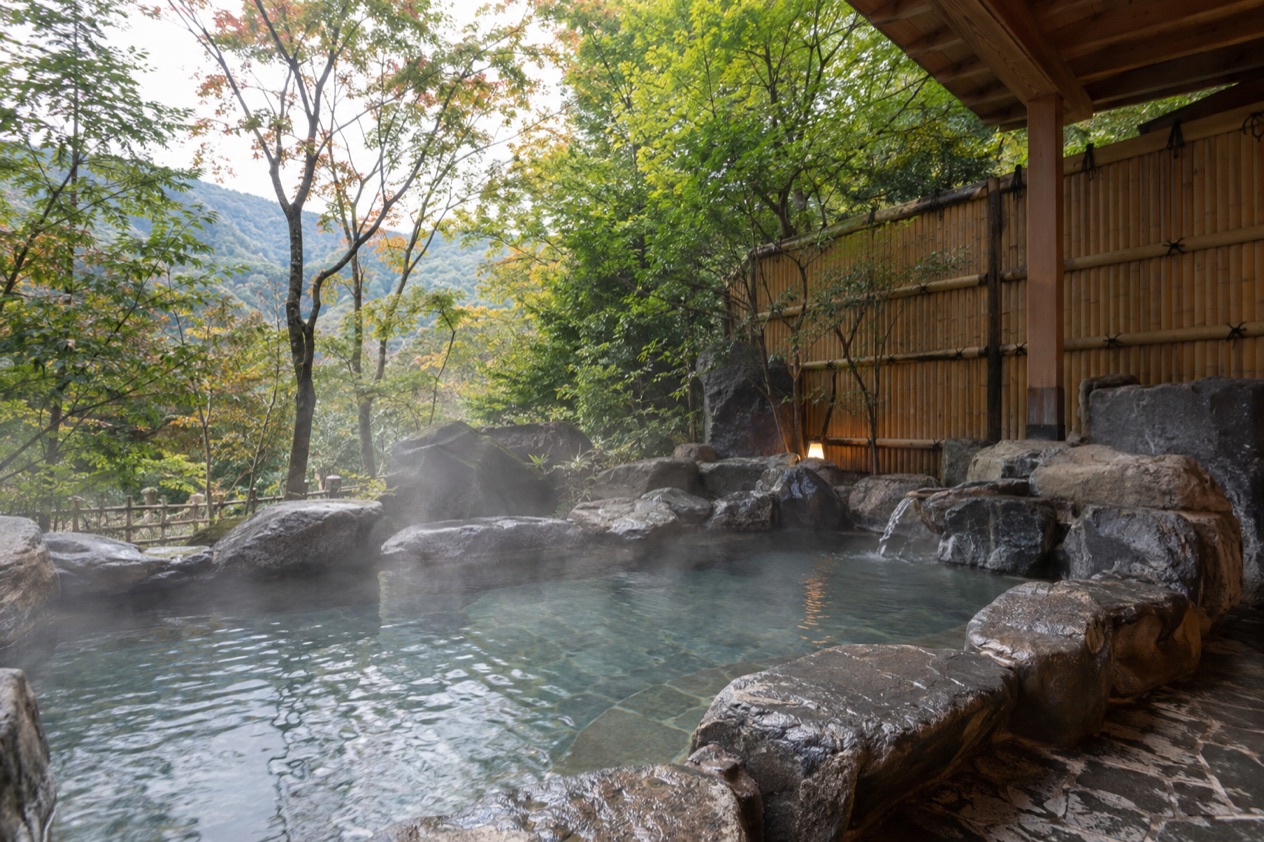
For a visitor, this means the town offers a range of baths rather than one standard soak. Some inns pipe in water from the valley and offer several pools with different character, indoors and outdoors. Reading what each inn says about its baths is part of choosing where to stay.
Hotels and ryokan
The town has many hotels and ryokan, and the choice between them shapes the visit. A ryokan usually means tatami rooms, futon bedding laid out in the evening, a multi-course dinner and a yukata to wear around the building. A hotel can feel closer to what Western travelers know, with the baths added on.
Bathing follows habits that are well known across Japan. You wash and rinse at a stool and tap before getting into the shared water, you leave the towel out of the bath, and you step in quietly. Each inn has its own rules for its own baths, so follow what is posted at the entrance.
What can you see?
The main sight is Hell Valley itself, with its steaming ground and mineral springs, followed by a bear park and, down in the city, the largest aquarium in Hokkaido. Between them you have a day of landscape, animals and water, and the baths wait at the end.
Jigokudani, Hell Valley
This is the source of the onsen and the reason the town is where it is. The valley is a volcanic landscape of vents and steam, where the ground looks scorched and the colors shift from gray and rust to pale mineral deposits. The smell of sulfur reaches you before the view does, and the steam changes the look of the place with the wind.
The springs here are formed from different minerals and are meant for scenic viewing rather than bathing. You look at them, you photograph them, and you watch the steam curl off the water. Wear shoes that can handle damp, uneven ground, and bring a layer, since Hokkaido can be cool even when the valley is steaming.
Seeing the valley and then soaking in water that comes from it gives the visit its logic. What you saw bubbling out of the ground in the morning is what fills the bath at your inn by evening.
The bear park
Noboribetsu-onsen is also known for its bear park, which gives the town a second reason to visit besides the baths. Bears are strongly linked with Hokkaido in the Japanese imagination, and a park devoted to them is a natural stop for anyone curious about the island’s wildlife.
It suits travelers who want something to do between check-out and check-in, or who are traveling with someone who will tire of a day spent only in hot water. Hours and admission are not set out here, so look them up before you plan around a particular time.
Noboribetsu Marine Park Nixe
Noboribetsu Marine Park Nixe is the largest aquarium in Hokkaido, and it sits in the city rather than up in the onsen town. It adds a different kind of outing to the trip: sea creatures after volcanic ground, a change of pace from steam and mineral water.
It works as a stop for those arriving or leaving through the city, since the stations and interchanges are there too. Because the aquarium and the baths are in two separate places, plan them as two parts of the visit rather than a single walk.
The baths themselves
The town’s baths are an attraction in their own right. Noboribetsu-onsen has a range of onsen for bathing, and the variety comes from the different minerals in the water. Moving from one pool to another, indoors and out, is a fair description of a day here.
A soak after a walk through Hell Valley is the natural order for visitors, and the evening meal at a ryokan follows. Nothing else on the trip needs to be rushed, because the baths reward a slow pace.
How do you get there?
You reach Noboribetsu City by train on the Muroran Main Line or by road on the Hokkaido Expressway, and the onsen town lies inland from the city, up the river valley. The city is the arrival point, and the valley is the destination.
By rail
The Muroran Main Line serves four stations in Noboribetsu: Washibetsu, Horobetsu, Tomiura and Noboribetsu. For the onsen, the station called Noboribetsu is the one whose name matches the town you are looking for, and it is the one to look for on a timetable or route search.
The other three stations are in the city’s area too, but they carry different names, so they will not appear when you search for the resort. The onsen town sits inland from the city, so the rail line brings you to the city and the last stretch continues up the valley.
Train times, frequency and fares are not set out here, so confirm them with the operator before you go. The same goes for the connection between the station and the hot spring town.
By road
The Hokkaido Expressway runs through the city, with Noboribetsu-Muroran IC, Tomiura PA and Noboribetsu-Higashi IC all inside Noboribetsu. An interchange is where you leave the expressway, and a PA is a parking area where you can stop along the way.
If you are coming by road, those two interchange names are the ones to look for on a navigation screen or a map. Tomiura PA is a rest stop on the expressway rather than an exit. From either interchange the onsen town lies inland, up the river valley from the city.
Where Noboribetsu sits on the map
Noboribetsu lies southwest of Sapporo, west of Tomakomai and northeast of Hakodate, in Iburi Subprefecture. That puts it between the island’s largest cities on a route across southern Hokkaido, which makes it easy to fit into a longer trip.
Travelers heading toward Sapporo or toward Hakodate can plan a night at the onsen town between the two. Because the town is inland from the city, give yourself room in the schedule for the last stretch rather than assuming the station is the end of the trip.
Good to know before you go
Noboribetsu Onsen is two places under one name, the city on the line and the road, and the hot spring town up the valley, so check which one an address, a booking or a map pin refers to. Many ryokan and hotels sit in the town, while the aquarium is in the city.
Bring a layer for the walk through Hell Valley, since steam and wind change how the air feels, and pack shoes that cope with damp ground. Bathing follows the usual Japanese habits, with a wash first and the towel kept out of the water, and each inn posts its own rules at the bath entrance.
Sources
- Wikipedia, Noboribetsu (https://en.wikipedia.org/wiki/Noboribetsu), checked October 11, 2026
To plan your stay
- Best Time to Visit Japan: Cherry Blossoms, Autumn Colors, Weather and Festivals
- Where to Stay in Japan: Ryokan, Temple Stays, Capsule Hotels and the Best Cities to Base In
- Sending Luggage from the Airport in Japan: Hands-Free Travel, Hotel Delivery and Coin Lockers
- Know Before You Go to Japan: Entry, Money, Etiquette and Getting Around