
A tall glass of whisky and soda, ice clinking, arrives beside a plate of grilled skewers in an izakaya, and nobody at the table thinks it odd to drink a fine spirit this way. Behind that glass stand copper stills, oak casks and a century of patient work. Japanese whisky can be sampled in bars and tasting rooms across the country, and a handful of distilleries, from the edge of Osaka to Hokkaido, welcome visitors to see where it begins.
What is Japanese whisky?
Japanese whisky is whisky that is fermented, distilled, matured and bottled in Japan, made with Japanese water. That is the definition the Japan Spirits & Liqueurs Makers Association set out in voluntary industry standards in 2021. The style grew out of Scotch traditions, but it has a character of its own, shaped by Japanese blenders who often work with a wide range of stocks inside a single company.
For a visitor, the appeal is that the whole story can be tasted. You can sip a delicate single malt in a quiet bar, then order a bright, fizzy highball with dinner, and both count as the same national drink.
A short history of the stills
The first whisky distillery in Japan opened at Yamazaki in 1923, and commercial production began the following year. It sits between Osaka and Kyoto on the main island of Honshu, and the site still carries the weight of being the starting point. Walking its grounds, you feel how much of the later industry grew from this one place.
A second great name followed. Nikka Whisky was founded in 1934 in the cold northern region of Hokkaido, and it now also has a distillery in Sendai on Honshu. The two companies, Suntory and Nikka, built the styles travelers meet first, and their rivalry pushed the craft forward for decades.
Prizes that put it on the map
Recognition abroad changed how the world looked at these bottles. Yamazaki 12 Year Old won gold at the International Spirits Challenge in 2003, an early sign that something was happening. Later, the Yamazaki Single Malt Sherry Cask 2013 was named best whisky in the world in 2015.
The streak has been steady. Japanese whisky has won the world’s highest award in some category at the World Whiskies Awards every year from 2007 until 2025. Prizes are not the reason to drink a glass, but they explain why bars and shops in Japan treat the bottles with such care.
Highballs, neat pours and the rocks
Most Japanese blended whisky is drunk in cocktails, above all as the whisky highball: whisky, ice and sparkling water, built carefully so the bubbles last. It is the drink of after-work tables, of ramen counters and of long evenings with fried chicken and pickles. Fine whisky is another matter, and it is mostly sipped neat or on the rocks.
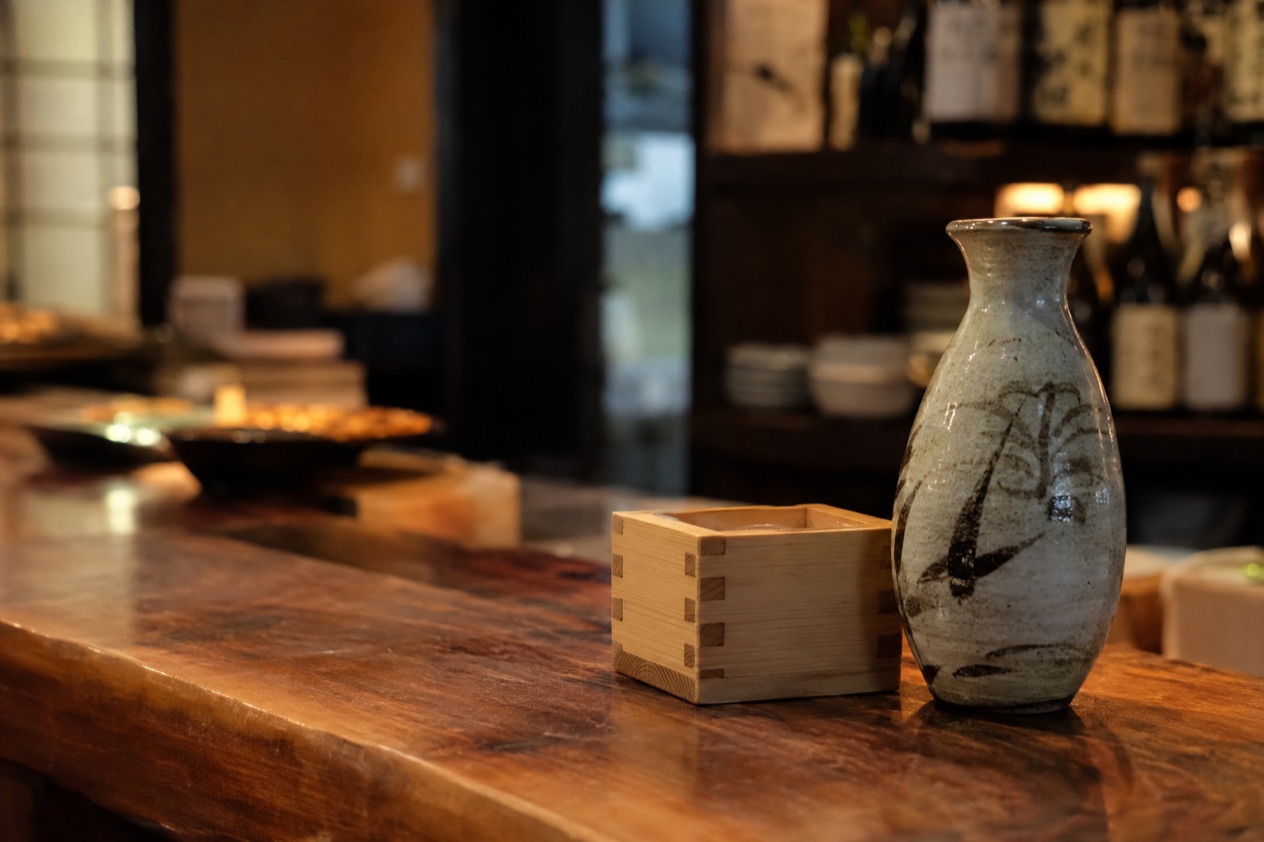
That split is a good guide for ordering. A highball suits a meal and a thirsty evening. A neat pour, perhaps with a small glass of water beside it, suits a bar with low light and a shelf of bottles, where the bartender will talk you through what is open.
Where can you visit distilleries?
You can visit distilleries from Osaka’s outskirts to Hokkaido, though the tours differ a great deal in language and access. Suntory has three distilleries in Japan: Yamazaki, Chita and Hakushu. Nikka runs Yoichi and Miyagikyo, and independent makers such as Mars Shinshu, Chichibu and Akkeshi add smaller, newer stories.
| Distillery | Location |
|---|---|
| Yamazaki (Suntory) | Yamazaki, between Osaka and Kyoto, on the outskirts of Osaka |
| Hakushu (Suntory) | Yamanashi Prefecture |
| Yoichi (Nikka) | Yoichi, Hokkaido |
| Miyagikyo (Nikka) | Near Sendai, Miyagi Prefecture |
| Fuji Gotemba (Kirin) | Foot of Mount Fuji, Shizuoka Prefecture |
| Mars Shinshu | Southern Japanese Alps |
| Chichibu | Saitama Prefecture |
| Akkeshi | Akkeshi, Hokkaido |
Suntory Yamazaki Distillery
Yamazaki is the easiest place to begin for an English speaker, because the tour comes with an audio guide in English, Chinese and French, and a tasting is included. The distillery stands on the outskirts of Osaka, so it can be fitted into a stay in either Osaka or Kyoto.
What you take in is the sense of a working place with history behind it: the stills, the warehouses where casks rest, and the finished spirit in your glass at the end. It suits anyone curious about where Japanese whisky started, including people who know little about whisky and want a guided first step.
Yoichi Distillery in Hokkaido
Yoichi is the northern face of Nikka, in the cold region where the company began. Tours run in Japanese every day, and a mobile app gives information in several languages, so non-Japanese speakers can still follow along. The setting, in Hokkaido’s cooler air, is part of why the trip feels like a pilgrimage for whisky lovers.
Winter needs a note of caution. Tours are sometimes cancelled when heavy snow falls, so a snowy visit is a gamble. The reward of going is a distillery tied closely to the landscape around it, which suits travelers already heading to Hokkaido.
Mars Shinshu in the Southern Japanese Alps
Mars Shinshu is the highest-altitude distillery in Japan, set in the Southern Japanese Alps. The tour includes a tasting, but it is conducted only in Japanese, and you reserve by email through the distillery’s website. That makes it a trip for people who plan ahead and are comfortable without English commentary.
If you go, you are visiting a mountain distillery whose location is the whole point. It pairs naturally with time in the Alps rather than a quick stop from a big city, and it rewards whisky fans who want something beyond the best-known names.
Other distilleries to know
Hakushu, also owned by Suntory, lies in Yamanashi Prefecture, while Nikka’s Miyagikyo stands near Sendai in Miyagi Prefecture. Kirin’s Fuji Gotemba distillery sits at the foot of Mount Fuji in Shizuoka Prefecture, a pairing of mountain scenery and spirits that travelers like to build into a day.
Newer names carry their own interest. Chichibu in Saitama Prefecture opened in 2008, the first new whisky production license granted by the Japanese government in 35 years. Akkeshi, in rural Hokkaido, opened in October 2016. Both show that Japanese whisky is still being written, not just remembered.
What should you know before you buy?
Before you buy, know what a label does and does not promise, and how you plan to drink the bottle. The 2021 industry standards define Japanese whisky by where it is fermented, distilled, matured and bottled, and by the use of Japanese water. Because those standards are voluntary, reading the label closely is a sensible habit.
Reading the label
Look for wording that says where the whisky was made and bottled, since that is what the association’s definition rests on. A bottle that speaks plainly about its origin in Japan is telling you something useful. A label that stays vague deserves a second look before it goes into your bag.
The distillery name is a second clue. Bottles from Yamazaki, Hakushu, Yoichi, Miyagikyo, Chichibu or Akkeshi come with a place you can name and, if you have visited, remember. A bottle bought after a tour carries that memory with it, which is often the best reason to choose one.
Blends, single malts and how you will drink them
Most Japanese blended whisky ends up in highballs, so a blend is a natural pick for a bottle meant to be mixed with soda at home. Fine whisky is mainly drunk neat or on the rocks, which suits single malts and special expressions you want to taste slowly.
Think about the person who will drink it. A friend who likes a long, refreshing glass may enjoy a blend more than a rare single malt. Someone who likes to sit with one pour for an hour may prefer the single malt and a quiet evening.
Choosing between the famous bottles and the quiet ones
Prizes such as the gold for Yamazaki 12 Year Old and the sherry cask honor that put Yamazaki in headlines can make certain bottles sound like the only goal. They are good guides to what the industry values, but they are not the only route. Younger distilleries and smaller makers deserve tasting too.
A tasting at a distillery or in a bar before you commit helps. You learn what you like, you hear the story from the people pouring, and you leave with a bottle you chose by taste instead of by reputation.
Good to know before you go
Distilleries lie in very different parts of the country, so it helps to treat each as part of a larger trip: Yamazaki alongside Osaka and Kyoto, Yoichi with Hokkaido, Mars Shinshu with the Alps. Language matters more than distance when you plan, since the tours at Yoichi and Mars Shinshu are in Japanese, and Yamazaki offers its audio guide in English, Chinese and French.
Winter snow can interrupt tours in Hokkaido. At the bar, order a highball with food and a neat pour for sipping, and let the bartender guide you.
Sources
- Japan National Tourism Organization, Japanese whisky (https://www.japan.travel/en/guide/japanese-whisky/), checked October 11, 2026
- Wikipedia, Japanese whisky (https://en.wikipedia.org/wiki/Japanese_whisky), checked October 11, 2026
To plan your stay
- Best Time to Visit Japan: Cherry Blossoms, Autumn Colors, Weather and Festivals
- Where to Stay in Japan: Ryokan, Temple Stays, Capsule Hotels and the Best Cities to Base In
- Sending Luggage from the Airport in Japan: Hands-Free Travel, Hotel Delivery and Coin Lockers
- Know Before You Go to Japan: Entry, Money, Etiquette and Getting Around