
Picture a wooden hall in Matsumoto where woodblock prints of waves, actors and mountain roads hang in low light, or a path in Takayama that winds between thatched farmhouses carried there from other valleys. Japan’s museums run from national galleries to bonsai collections and villages left standing in the open air. They are scattered through Tokyo, Kyoto, Osaka, Hakone and the mountain towns of Nagano and Gifu, and they suit anyone who wants to understand the country’s art and buildings as well as photograph them.
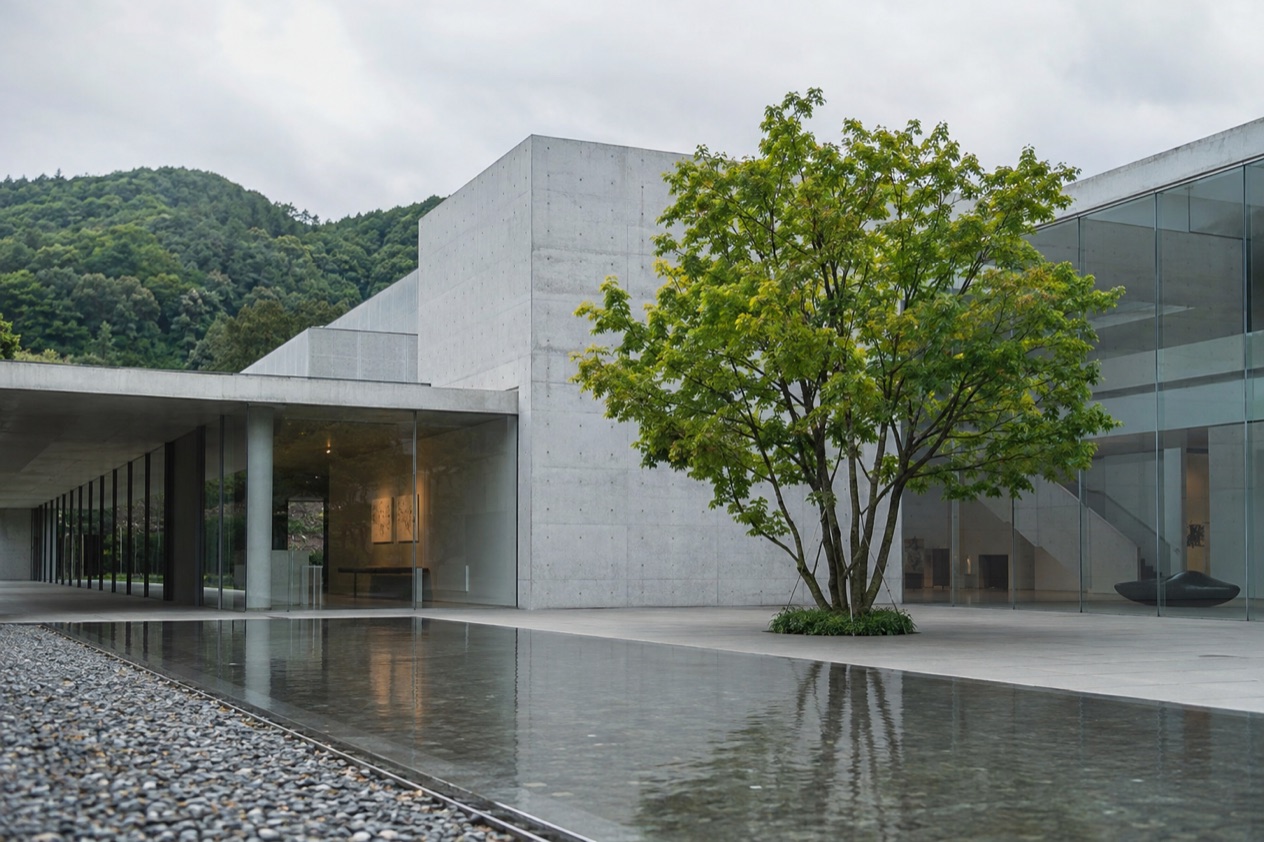
Which museums should you visit in Japan?
The right museums are the ones that match what you came to see: national art collections in the big cities, open-air museums where buildings are the exhibits, or small specialist places devoted to a single craft. Japanese art itself covers ancient pottery, sculpture, ink painting, calligraphy, ukiyo-e prints, ceramics, origami, bonsai, manga and anime, so there is a museum for nearly every taste.
A trip built around museums also changes its rhythm. You slow down, spend a morning in one building and let the afternoon go to a garden or a market nearby. The places below fall into three groups that make that kind of day easy to imagine.
National art museums in Tokyo, Kyoto and Osaka
Tokyo holds several of the national collections. The National Museum of Modern Art, Tokyo covers modern Japanese art, while the National Museum of Western Art is the place to see European work in the middle of an Asian capital. The National Film Archive of Japan is also in Tokyo, a stop for anyone who loves cinema and wants to see how the country has preserved its film history.
Kyoto has its own National Museum of Modern Art, and Osaka has the National Museum of Art. Both fit neatly into a visit to the Kansai cities, where temple gardens and old merchant streets fill the rest of the day.
They suit travelers who like to see how modern Japanese artists answered the older traditions that surround these cities. Pair a gallery morning with a walk through a garden and the contrast does the storytelling for you.
Open-air museums: Hakone, Tokyo and Takayama
The Hakone Open-Air Museum puts sculpture outdoors, so the art shares space with sky, trees and weather. You walk from piece to piece instead of moving from room to room, which makes it a good match for travelers who find galleries tiring. In Hakone the mountain setting is part of the visit, and a rainy day changes the mood without ruining it.
The Edo-Tokyo Open Air Architectural Museum in Tokyo gathers historic buildings that show how people once lived and worked in the city. You step through doorways, look at the wooden interiors and imagine the streets they once belonged to.
The Hida Folk Village in Takayama, Gifu Prefecture, does something similar for the mountain country, with farmhouses you can walk around and look into. Both reward a slow pace and curiosity about how a house is built, heated and lived in.
Specialist collections: ukiyo-e, bonsai, film and contemporary art
The Japan Ukiyo-e Museum in Matsumoto, Nagano Prefecture, is devoted to the woodblock prints that shaped how the world pictures Japan. Prints are small and detailed, so the visit is about leaning in and noticing a line of text, a color or a face in a crowd. It suits anyone who has admired a wave print and wants to see how much more there is.
The Omiya Bonsai Art Museum in Saitama shows the miniature trees that Japanese growers shape over long years of care. Further afield, the Towada Art Center in Towada and the Observatoire d’Enoura in Odawara, run by the Odawara Art Foundation, are reasons to plan a trip around art itself. Both are places to choose deliberately, because they sit outside the big-city circuit and reward people who came for them.
Which are best known?
The Japan National Tourism Organization’s art museum listings name the Tokyo, Kyoto and Osaka national museums, the Hakone Open-Air Museum, the Japan Ukiyo-e Museum, the Edo-Tokyo Open Air Architectural Museum and the Hida Folk Village among others, and those are the names to start with. Beyond the museums proper, Japan’s temples hold the oldest treasures, and its landmark buildings are exhibits in their own right.
Temple treasures that work like museums
Horyu-ji, southwest of Nara, has the oldest wooden buildings in the Far East, first built in the early 7th century. It consists of 41 independent buildings, including a Kondo (Golden Hall) and a five-story pagoda. Walking among them feels like walking through a gallery of carpentry, with each roof line and column to study.
At Todai-ji in Nara, the Buddha rises 53 feet and was completed in 752. In Uji, near Kyoto, the Phoenix Hall at Byodo-in was completed in 1053, and the golden image of Amida inside dates from about the same time and is the work of the sculptor Jocho. Both are places where the object is so large or so finely made that the building around it becomes the display case.
Sculpture is the thread through other temples. Unkei’s polychromed wood figures of Muchaku and Seshin at Kofuku-ji in Nara date from 1208, and the Amitabha Triad at Jodo-ji in Ono was completed in 1195 by Kaikei. If you want to follow Japanese sculpture through its centuries, these are the stops that make the story visible.
Painting, gardens and castles as living exhibits
The Genji Monogatari Emaki, a handscroll illustrating the Tale of Genji, dates from about 1130 and is the earliest surviving yamato-e handscroll. It is the sort of work that makes you understand why Japanese museums care so much about paper, ink and pigment. Reading about it before a gallery visit gives the whole country’s painting a starting point.
In Kyoto, Ryoan-ji is known for its karesansui rock garden, a dry landscape made of stone and raked gravel that works like a painting you sit in front of. Katsura Detached Palace has a garden with walking paths, so there you move through the composition instead of facing it. Himeji Castle, built between 1580 and 1609, is architecture of a different kind, a defensive building that is also a showpiece of craft.
Landmark architecture on the Japan National Tourism Organization list
Under iconic architecture, the Japan National Tourism Organization lists Tokyo Tower, the Sapporo Clock Tower, the Great Seto Bridge, the Yokohama Red Brick Warehouse and Rainbow Bridge. It also names the Metropolitan Area Outer Underground Discharge Channel, an infrastructure site that people visit as a work of engineering. Kyoto Imperial Palace appears as a spot to visit as well, along with Sunshine 60 and Yebisu Garden Place in the shopping category.
None of these is a museum in the usual sense, yet they reward the same kind of looking. A brick warehouse in Yokohama, a clock tower in Sapporo and a bridge spanning water in Tokyo show how Japan has built across very different eras. Add one to a museum day and the city around you starts to read like an exhibition.
How do you book?
Booking comes down to the single museum you choose, because each place here is a separate institution with its own organizer, from national museums to the Odawara Art Foundation behind the Observatoire d’Enoura. The practical way to plan is to group places by city, then build each day around one or two of them.
Building a day around one city
Tokyo gives you the widest choice in a single place: the National Museum of Modern Art, the National Museum of Western Art, the National Film Archive of Japan and the Edo-Tokyo Open Air Architectural Museum are all in the city. You could spend days there moving between art, film and old buildings without leaving town. Choose the two that speak to you most, and leave room around them for meals and wandering.
The Kansai region suits a different kind of trip. Kyoto has its National Museum of Modern Art, Osaka has the National Museum of Art, and Nara and Uji hold the temple treasures of Todai-ji, Kofuku-ji and Byodo-in. A museum in one city can sit beside a temple in the next, so a trip can swing between galleries and sculpture halls without repeating itself.
Planning trips outside the big cities
Some of the most memorable places sit away from the main cities. The Japan Ukiyo-e Museum is in Matsumoto, Nagano Prefecture, and the Hida Folk Village is in Takayama, Gifu Prefecture. These are destinations in their own right, so it makes sense to treat each as the reason for a stop instead of squeezing it between other plans.
Hakone and Odawara form another cluster, with the Hakone Open-Air Museum in one town and the Observatoire d’Enoura in the other. The Towada Art Center in Towada and the Omiya Bonsai Art Museum in Saitama are similarly single-purpose trips. Settle on the places that matter most to you first, then fit the rest of the itinerary around them.
Open-air museums are shaped by the weather, since you spend your visit outside among sculpture or old buildings. Indoor places such as the national art museums and the Japan Ukiyo-e Museum give you the other side of the choice. Keeping one of each on a trip means a gray day never leaves you without something to do.
Good to know before you go
Museums in Japan are spread across the whole country, so the practical side of a museum trip is mostly choosing where to base yourself and letting the collections guide the route. Manners inside galleries and temple halls follow the same quiet habits you will notice elsewhere: voices lowered, shoes removed where the entrance asks for it, and attention given to the objects.
Sources
- Japan National Tourism Organization, art museums (https://www.japan.travel/en/things-to-do/art-and-design/art-museum/), checked October 11, 2026
- Japan National Tourism Organization, iconic architecture (https://www.japan.travel/en/things-to-do/attraction/iconic-architecture/), checked October 11, 2026
- Wikipedia, Japanese art (https://en.wikipedia.org/wiki/Japanese_art), checked October 11, 2026
To plan your stay
- Best Time to Visit Japan: Cherry Blossoms, Autumn Colors, Weather and Festivals
- Where to Stay in Japan: Ryokan, Temple Stays, Capsule Hotels and the Best Cities to Base In
- Sending Luggage from the Airport in Japan: Hands-Free Travel, Hotel Delivery and Coin Lockers
- Know Before You Go to Japan: Entry, Money, Etiquette and Getting Around