
You step off the train with a rolling suitcase, a daypack and a long afternoon of temples and alleyways ahead, and the bags suddenly feel like a mistake. Then you spot a wall of small steel doors beside the ticket gates.
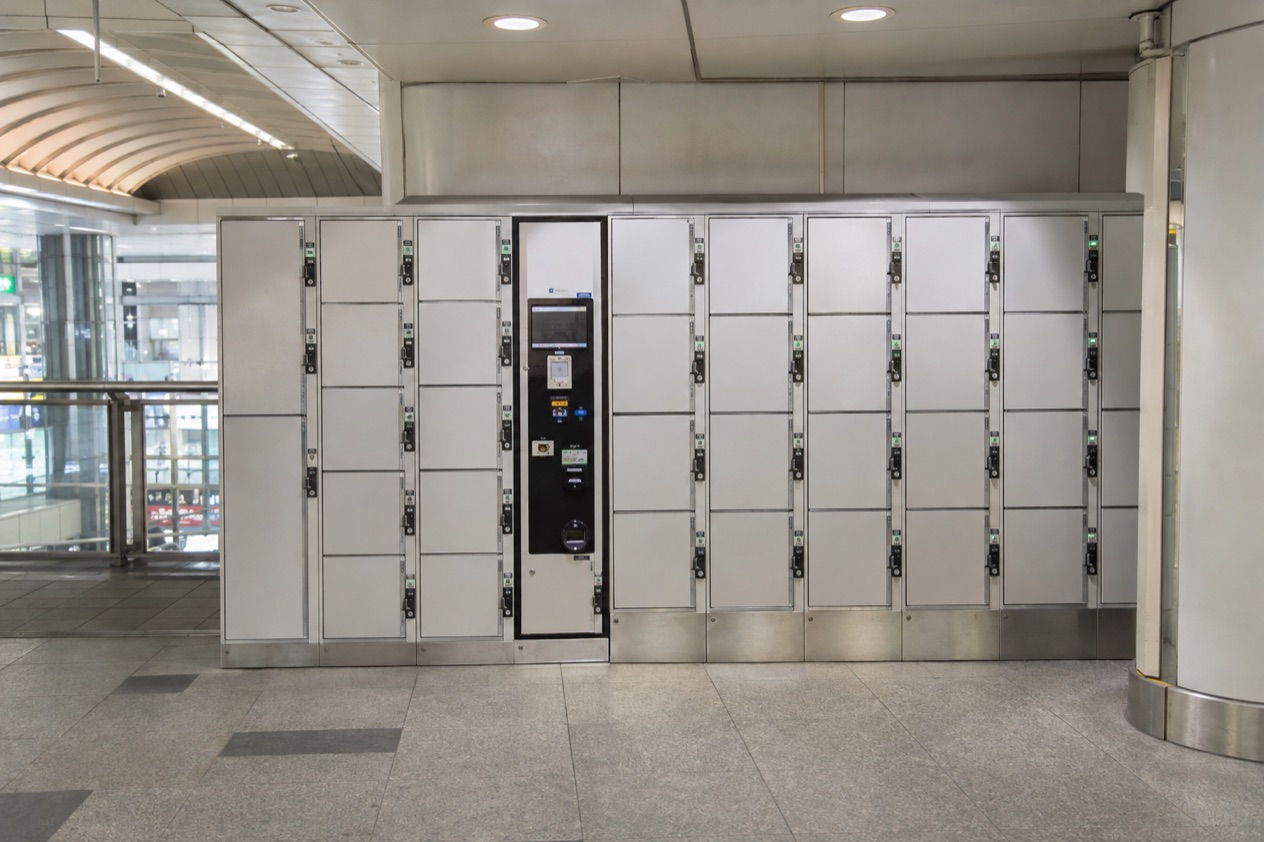
How do coin lockers work in Japan?
A coin locker is a rented compartment: you put your bag inside, close the door, pay, and come back for it later. The fee is set by the size of the compartment, and many modern lockers accept payment with an IC transportation card, so the card you already use on trains can do a second job.
The basic idea is simple: choose a free compartment that fits your bag, then follow the instructions on that locker. You choose a free compartment that fits the bag, load it, shut it and settle the fee at the machine or the door. Then you walk off with nothing heavier than a camera and a map, and return when you are ready to continue to the next city or the hotel.
Paying with coins or an IC card
The name says it all, and coins are the traditional way to pay.
Many modern lockers also take IC transportation cards, the rechargeable cards such as Suica, Pasmo and ICOCA that people tap at train gates. Many modern coin lockers accept payment by IC transportation card. Not every locker is a modern one, so a pocketful of coins remains a sensible backup.
When a bank of lockers is full
In busy locations, coin lockers fill up very quickly. In busy locations, coin lockers can fill up very quickly.
If one bank is full, the next bank, another exit or a different corner of the same station may still have free doors. Lockers also stand at tourist sites, so you can sometimes leave a bag where you are sightseeing instead of where you arrived.
Luggage delivery and storage as the other option
Japan’s Hands-Free Travel service lets visitors have luggage transported and stored securely, so you can travel without heavy bags. Counters that display the Hands-Free Travel logo are certified to provide these delivery and storage services.
The service includes delivery the same day or at a specified date and time, multilingual access, and compensation for lost or damaged items. For a suitcase that is too big for a locker, or a trip where you would rather not carry a bag between cities at all, a certified counter is the alternative to a steel door.
Where are they?
Coin lockers of various sizes are available at most train stations and tourist sites in Japan, so the usual place to look is wherever you arrive by rail or wherever you are about to wander on foot.
Because stations are where most trips begin and end, the lockers there handle the first and last hours of a stay. You can drop your bags on arrival and head straight out to explore, or lock them on the day you leave and spend the final hours before your train with both hands free.
At train stations
Coin lockers of various sizes are available at most train stations and tourist sites in Japan.
A station locker suits a day when you arrive in a city, sightsee, and board a train onward from the same station. You walk out with a small bag, see the neighborhood, and return for the suitcase just before you leave.
At tourist sites
Lockers also stand at tourist sites, which means a temple, a garden or a castle district may have its own bank. That changes how a day unfolds, because a bag does not have to ride in a locker at the station while you spend hours on the other side of town.
Not every site will have them, and the ones that do can fill like any other busy location. Treat a site locker as a bonus rather than a guarantee.
Airports, hotels and convenience stores
When a locker is not the right tool, luggage can travel without you. Narita, Haneda, Kansai International, Chubu Centrair, Shin Chitose, Fukuoka and Naha airports all offer luggage delivery services to your hotel, so you can arrive, hand over the bags and go.
Most major hotels in Japan can arrange luggage delivery between hotels, and the way to set it up is to ask at the front desk. Even if you are not staying at a major hotel, you can drop off luggage at a designated convenience store for shipping. Designated convenience stores also accept luggage for shipping.
What sizes are there?
Coin lockers come in various sizes, from compartments for a small bag to those that take a larger suitcase, and the fee goes up with the size.
| Item | Amount |
|---|---|
| Coin locker fee, depending on size | 300 to 600 yen |
Matching the bag to the compartment
A daypack, a camera bag or a shopping haul from a department store fits a smaller compartment, while a rolling suitcase needs one of the bigger doors. Picking the right size matters twice, because a smaller locker costs less and the bigger ones are the ones travelers with suitcases compete for.
If you are carrying both a suitcase and a smaller bag, one large compartment may hold everything, or you can split things between two. Either way, look at the compartments before you pay so the door closes without a fight.
Limits for luggage delivery and storage
Luggage delivery and storage services work with their own limits, set by size and by weight. A bag that is too large or too heavy for them is a bag to plan around before you reach the counter.
| Limit | Maximum |
|---|---|
| Size (linear centimeters) | 160 |
| Weight (kg) | 25 to 30 |
The size limit is a linear measurement, so it describes the combined dimensions of the item rather than a single side. That rule applies to delivery and storage services, not to the compartments in a coin locker bank, which are simply whatever size the door happens to be.
Good to know before you go
Carry a few coins in yen and, if you have one, an IC card with some balance, since lockers may take either. Busy stations fill their lockers quickly, so having the delivery option in mind from a hotel desk, an airport counter or a designated convenience store gives you a second plan without losing a morning of sightseeing.
Sources
- Japan National Tourism Organization, coin lockers, luggage storage, forwarding (https://www.japan.travel/en/plan/getting-around/luggage-storage/), checked October 11, 2026
To plan your stay
- Best Time to Visit Japan: Cherry Blossoms, Autumn Colors, Weather and Festivals
- Where to Stay in Japan: Ryokan, Temple Stays, Capsule Hotels and the Best Cities to Base In
- Sending Luggage from the Airport in Japan: Hands-Free Travel, Hotel Delivery and Coin Lockers
- Know Before You Go to Japan: Entry, Money, Etiquette and Getting Around